
 By Lina Irawan
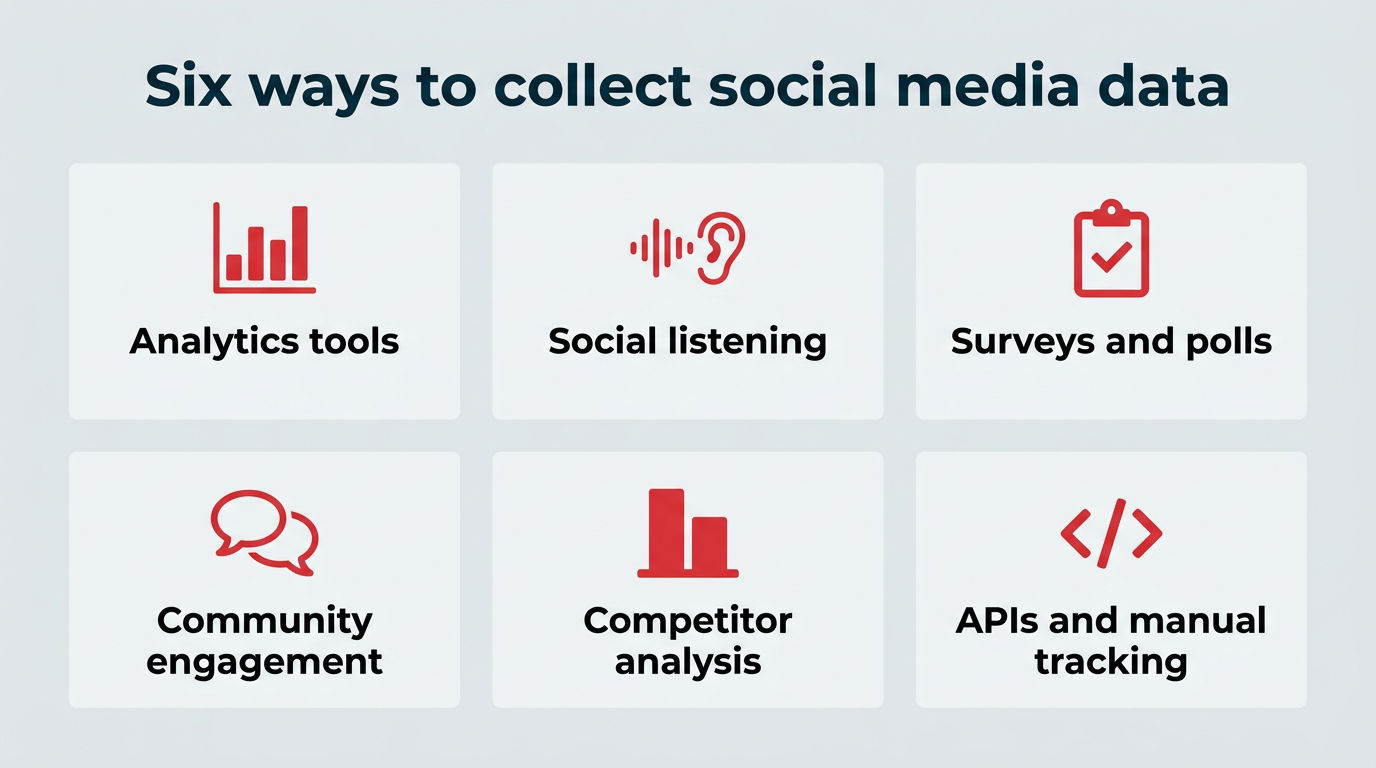
In the contemporary digital landscape, social media data collection has evolved from a supplementary marketing task into a cornerstone of enterprise governance, business intelligence, and brand strategy. As digital platforms swell to accommodate billions of active users—with Facebook alone surpassing three billion monthly active participants—the sheer volume of unstructured information generated daily has outpaced human capacity for manual interpretation. Modern organizations no longer rely merely on "gut feelings"; instead, they deploy sophisticated pipelines combining analytics, social listening, and artificial intelligence to decode consumer behavior.

Authored with insights from digital marketing veteran Hannah Macready, this comprehensive guide explores the structural anatomy of social media data collection, distinguishing between first-party metrics and public discourse, outlining platform-specific capabilities, navigating stringent global privacy regulations, and translating raw data into quantifiable business ROI.

Main Facts: The Anatomy of Social Media Data Collection
At its core, social media data collection is the systematic gathering of information regarding audiences, content performance, and brand presence across digital networks. To build an effective strategy, organizations must divide their data collection efforts into two distinct categories:
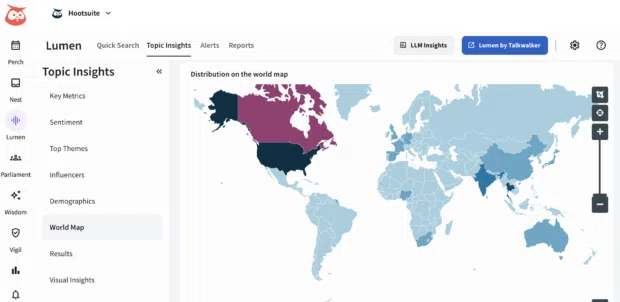
- First-Party Data: This comprises information sourced directly from accounts, properties, and channels owned and managed by the organization. It includes quantitative metrics such as impressions, clicks, reach, and follower growth, harvested via native analytics tools or centralized dashboards like Hootsuite. It also encompasses the audience insights shared directly by platforms with verified page administrators.
- Publicly Available Data: This category captures the broader ecosystem of online discourse happening entirely outside owned channels—including organic posts, user comments, industry hashtags, product reviews, and brand mentions. Tracked predominantly through social listening software, this data reflects what audiences say when they are not communicating directly with a brand, frequently yielding the most candid and honest consumer signals.
Furthermore, digital strategists must distinguish between three distinct phases of data operations:
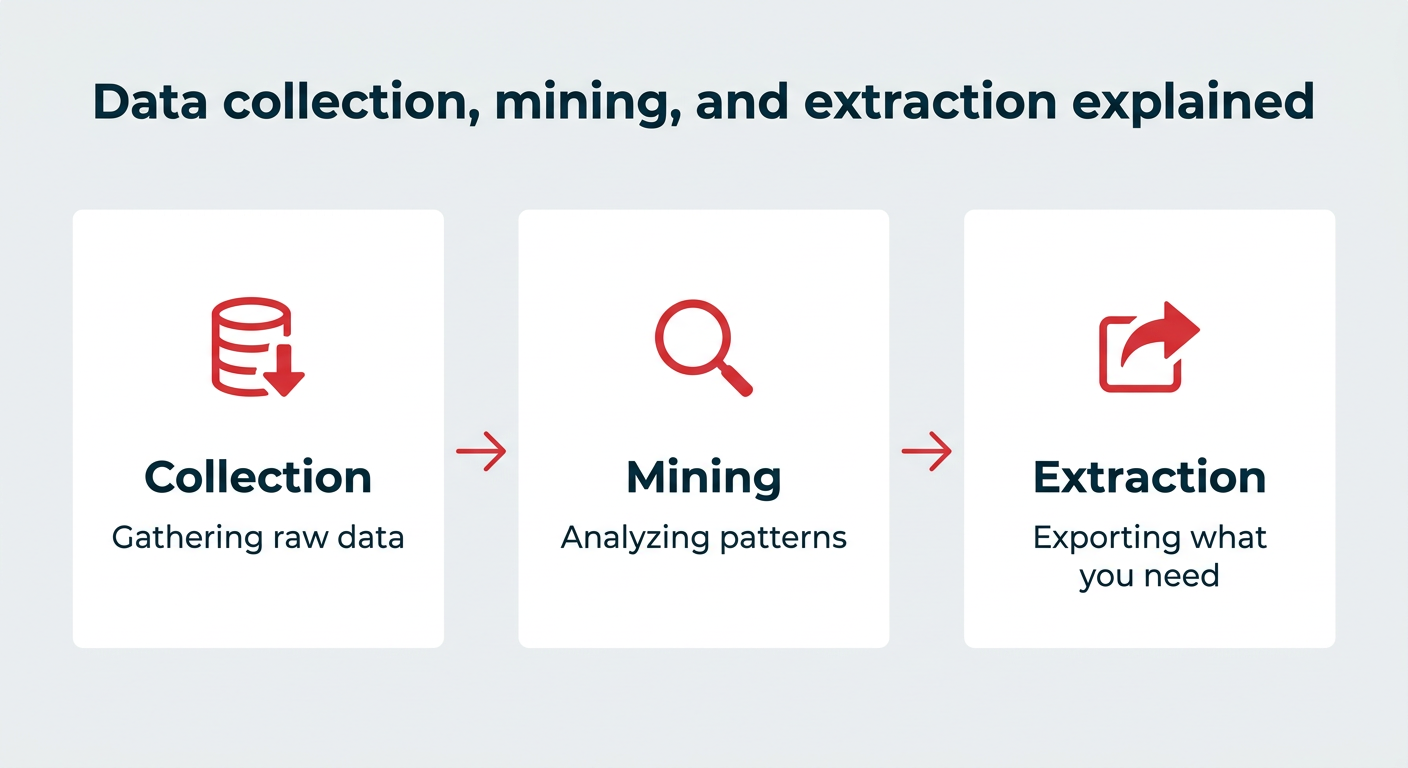
- Collection: The raw act of gathering unrefined data points from social networks (e.g., pulling daily engagement counts from Instagram Insights).
- Mining: The analytical process of sorting through aggregated data to unearth hidden patterns, trends, and correlations (e.g., identifying which specific video lengths drive higher user retention).
- Extraction: The technical isolation of precise, actionable data figures needed for executive reporting or cross-platform assessments.
Chronology: The Evolution from Vanity Metrics to AI-Driven Insights
The maturity of social media data collection has progressed through several distinct evolutionary eras over the past two decades:
- The Era of Vanity Metrics (Late 2000s – Early 2010s): Early social media marketing focused primarily on surface-level metrics such as total follower counts and raw "likes." Data collection was manual, episodic, and largely disconnected from enterprise financial outcomes.
- The Rise of Native Analytics (Mid 2010s): Major platforms—including Facebook, Twitter (now X), and LinkedIn—introduced native dashboards. Marketers gained access to deeper performance indicators, such as reach, impressions, and basic demographic breakdowns, moving social media closer to traditional media planning.
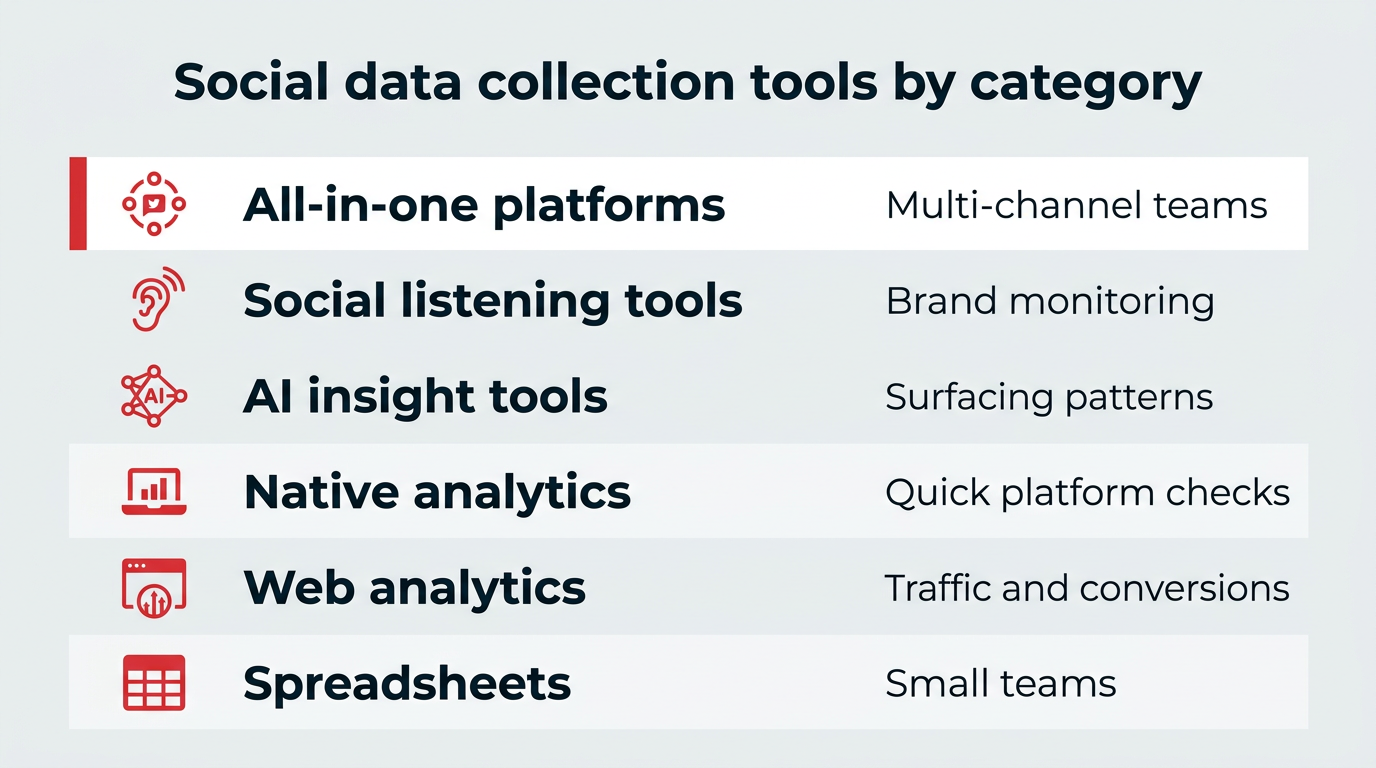
- Cross-Channel Integration and Attribution (Late 2010s – 2020s): As brands expanded across multiple platforms (Instagram, TikTok, Pinterest, YouTube), managing fragmented native dashboards became untenable. Third-party management suites emerged, unifying cross-platform analytics and enabling UTM-driven conversion tracking to tie social traffic directly to web revenue.
- The Privacy and AI Revolution (2020s – Present): Regulatory frameworks such as the European Union’s GDPR and sweeping U.S. state privacy laws (CCPA, VCDPA, CPA) fundamentally altered how platforms expose user data, restricting collection to anonymized and aggregated datasets. Concurrently, artificial intelligence and machine learning tools—such as advanced social listening engines—began automating sentiment analysis, anomaly detection, and real-time trend forecasting, shifting the analyst’s role from data gathering to strategic decision-making.
Supporting Data: Platform Capabilities and Metrics That Matter
Different social networks offer unique data environments, each serving distinct business objectives. Knowing which platform answers specific strategic questions prevents wasted analytical effort.
Platform-Specific Data Strengths
- Meta Platforms (Facebook and Instagram): Unmatched for breadth of consumer data and conversion paths. Combining rich engagement metrics with the Conversions API, Meta allows brands to draw a straight line from top-of-funnel social impressions to on-site purchases.
- LinkedIn: The gold standard for B2B intelligence. Beyond standard engagement figures, LinkedIn is the only major network providing firmographic and professional insights, breaking down audiences by job function, seniority, industry, and company size.
- TikTok: Focused heavily on attention economics. Metrics like watch time, video completion rates, traffic sources, and trending audio allow brands to gauge narrative retention and capitalize on emerging cultural waves before they peak.
- YouTube: The definitive platform for long-form video performance. Detailed audience retention curves, drop-off timestamps, and traffic source breakdowns give content-heavy brands deep visibility into viewer behavior.
- X and Pinterest: X remains unrivaled for real-time conversation volume and keyword tracking, whereas Pinterest excels in tracking high-intent actions like outbound clicks and saves, which correlate strongly with consumer purchasing intent.
Essential Metric Categories to Track
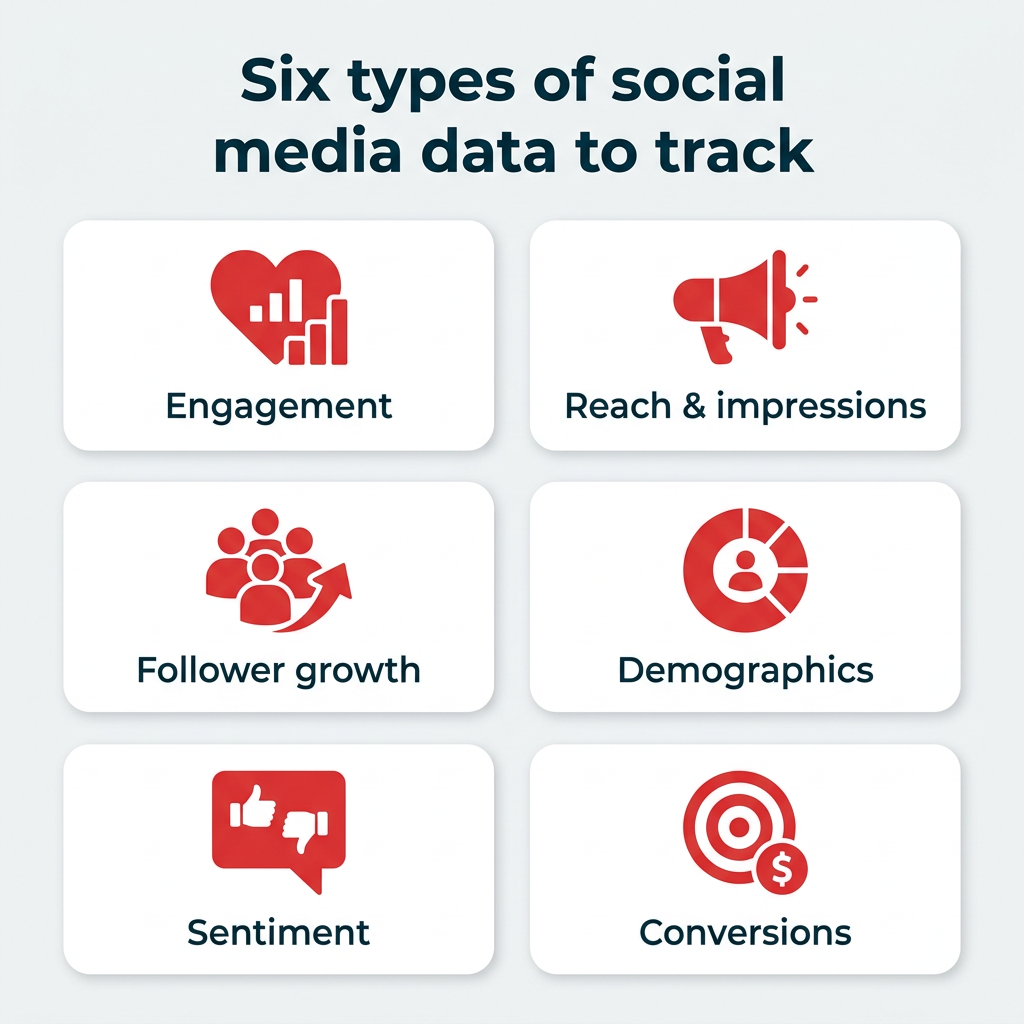
- Engagement Metrics: Measures real-time interaction (likes, comments, shares, saves, clicks). A healthy engagement rate signals high content resonance and boosts algorithmic visibility.
- Reach and Impressions: Quantifies brand exposure. Impressions track total views, while reach counts unique human viewers—crucial metrics for brand awareness campaigns.
- Follower Growth: Reflects long-term audience interest and brand momentum when evaluated alongside engagement rates.
- Demographic and Audience Insights: Outlines age, location, gender, and language splits, informing targeted content creation and ad spend efficiency.
- Sentiment and Brand Perception: Derived primarily from social listening, this qualitative data evaluates whether public sentiment toward a brand is positive, negative, or neutral.
- Share of Voice (SOV): Measures how much industry conversation a brand commands relative to its competitors.
- Conversion and Website Traffic: Connects social efforts directly to bottom-line business outcomes through UTM parameters and integrated analytics tools like Google Analytics.
Official Responses: Navigating Legal, Regulatory, and Ethical Mandates
As social media data collection scales, compliance with global privacy laws is non-negotiable. Regulatory bodies enforce strict penalties for unauthorized data harvesting, making adherence to legal standards a fundamental design requirement for modern enterprises.

Key Privacy Regulations
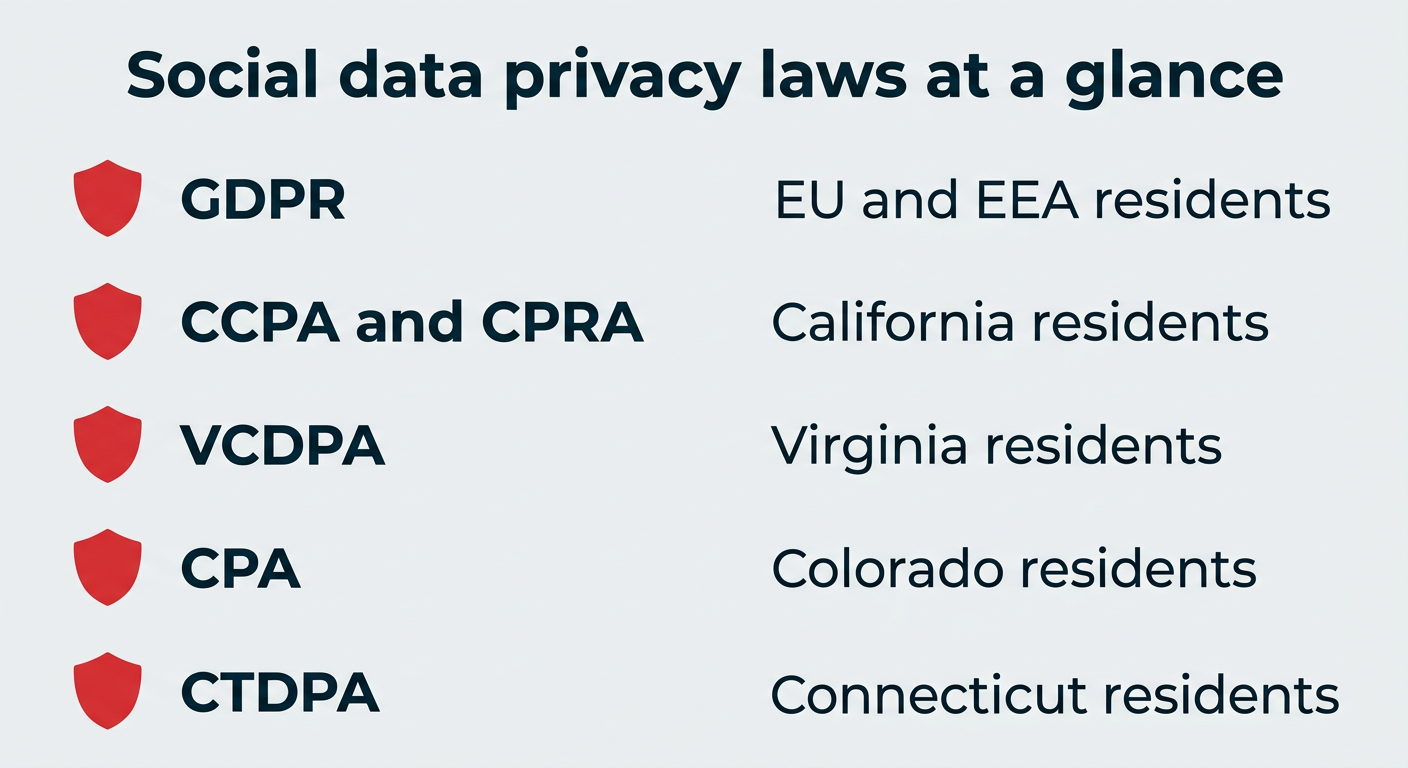
- GDPR (General Data Protection Regulation): Governs the processing of personal data for individuals residing in the European Union and EEA, requiring lawful bases for processing, explicit consent mechanisms, transparency notices, and strict data-erasure protocols.
- CCPA and CPRA (California Consumer Privacy Act / California Privacy Rights Act): Protects California residents by mandating collection notices, consumer access rights, and the right to opt out of data sharing or targeted advertising.
- U.S. State-Level Comprehensive Laws: Regulations such as Virginia’s VCDPA, Colorado’s CPA, and Connecticut’s CTDPA impose stringent requirements regarding sensitive consumer data, data protection assessments, and universal opt-out mechanisms. Obligations depend entirely on where the consumer lives, not where the enterprise is headquartered.
Ethical Data Standards
Beyond legal compliance, maintaining consumer trust requires ethical data practices. Organizations should restrict collection to necessary parameters, maintain transparency about data use, anonymize datasets whenever possible, and enforce strict internal governance regarding data storage, access privileges, and retention timelines.
Implications: Driving Business ROI and Strategic Action
Data collection without actionable execution yields little business value. Industry practitioners emphasize that social media data must be contextualized to drive meaningful organizational outcomes.
Taylor Knight, Social Media Manager at Vessi, outlines four foundational practices for leveraging social data effectively:

- Define the Purpose of Every Post: Avoid measuring all content by a single metric. Tie evaluation criteria directly to a post’s specific objective—whether that is brand awareness, community engagement, or direct conversion.
- Prioritize Reach and Shares: Organic growth is frequently better predicted by average reach per post and user shares than by total follower counts.
- Zoom Out for Macro Patterns: While micro-metrics offer daily feedback, monthly and quarterly macro-reviews uncover repeatable content patterns and strategic opportunities.
- Democratize Insights: Translate raw numbers into visual, digestible stories that align cross-functional teams, ensuring marketing, product, and leadership divisions operate from a single source of truth.
By integrating robust analytics tools, leveraging AI-powered listening platforms, maintaining rigorous legal compliance, and aligning metrics with clear business goals, organizations can transform social media data from a chaotic stream of digital noise into a powerful engine for commercial growth.
 Nana Muazin
  Nila Kartika Wati
  Reynand Wu