In an era where the global social media user base has scaled to an astonishing 5.75 billion people, real-time public sentiment can make or break a brand in minutes. Social media monitoring has evolved from a passive marketing task into an essential corporate strategy. Tracking brand mentions, product launches, industry keywords, and competitive movements across digital channels is no longer optional for maintaining market share.
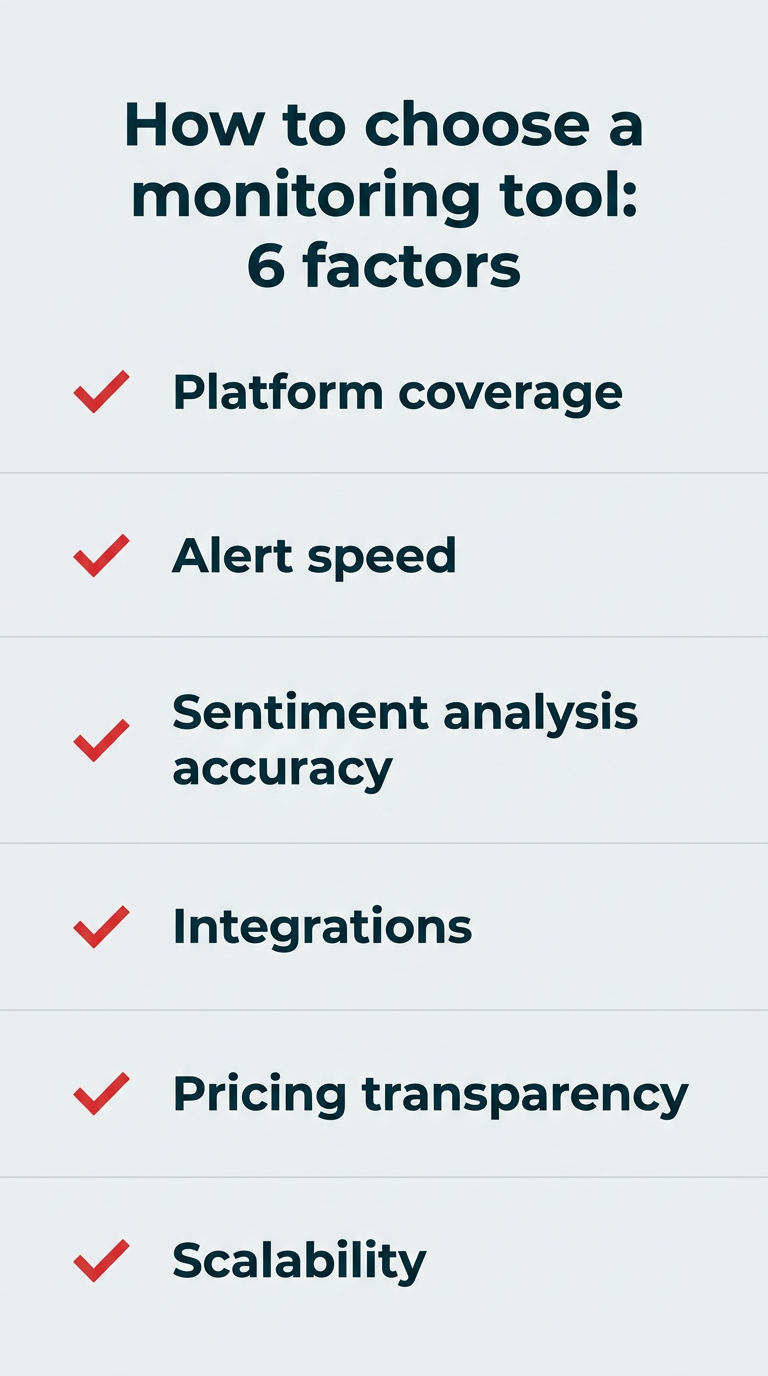
According to industry data and marketing leaders, modern organizations rely heavily on specialized tracking tools to parse billions of data points daily. These tools distinguish themselves through alert speed, platform coverage, historical data depth, and automated sentiment analysis. Leading the charge in 2026 are enterprise-grade ecosystems—such as Perch by Hootsuite and Lumen by Talkwalker—alongside specialized alternatives like Brand24, Sprout Social, and Mentionlytics.
However, industry experts caution that software alone is insufficient. As artificial intelligence automates larger portions of customer interactions and data collection, the integration of human judgment remains critical to protect brand equity and interpret nuanced cultural conversations.
Chronology: The Evolution of Brand Tracking
The discipline of tracking digital conversations has undergone a radical transformation over the past two decades:
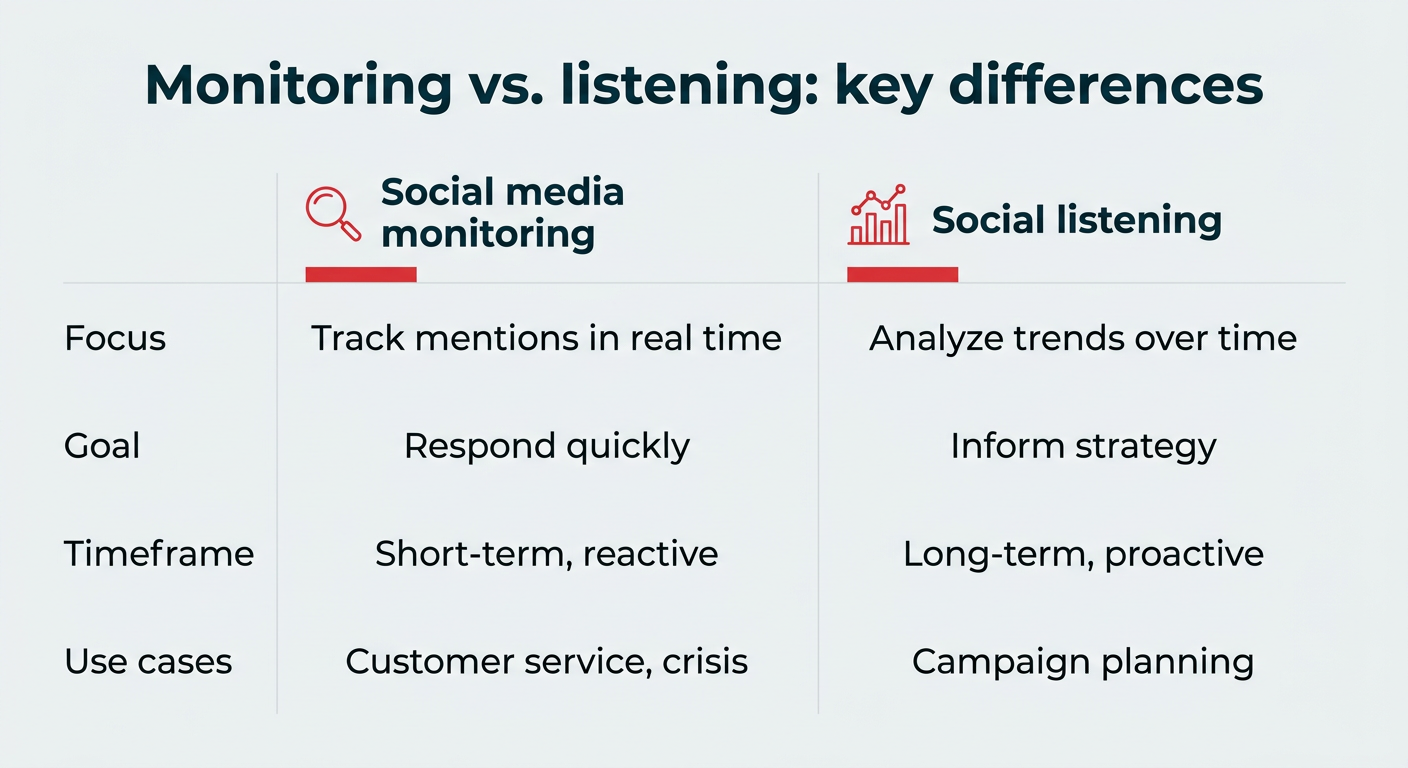
Early 2010s (The Reactive Era): Social media management largely consisted of manual searches. Brands relied on native platform notifications to spot direct tags, with minimal capacity to track untagged brand mentions or broader sentiment across the wider web.
Mid-to-Late 2010s (The Rise of Dedicated Monitoring): As platforms like Twitter (now X), Facebook, and Instagram saturated consumer markets, dedicated software solutions emerged. Tools began incorporating basic keyword tracking, Boolean search operators, and primitive sentiment meters to help public relations teams handle sudden complaints.
Early 2020s (The Integration Phase): Monitoring and publishing platforms converged. Businesses demanded workflows where a single dashboard could ingest mentions, schedule posts, and generate analytics simultaneously, minimizing the lag between discovery and public response.
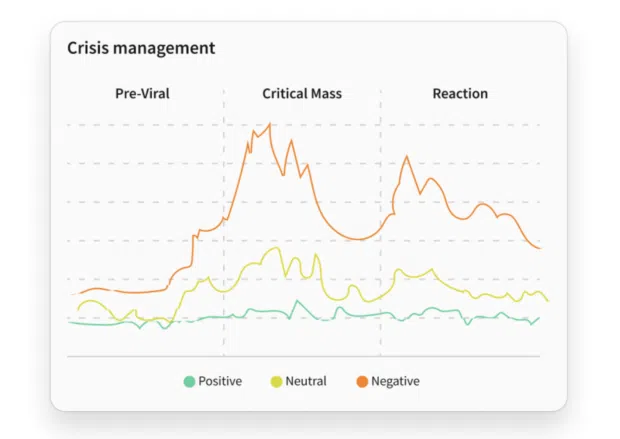
Present Day (2026 and Beyond): Modern monitoring is powered by advanced AI, cross-channel indexing (including emerging networks like Bluesky, forums, and podcasts), and multilingual automatic translation. Today’s software does not merely report what is being said; predictive AI models flag potential PR crises before they peak, enabling proactive reputation management.
Supporting Data and Comparative Analysis
Choosing the right social media monitoring tool requires balancing budget against specific functional needs—such as alert velocity, historical depth, and analytical scope. Below is an exhaustive comparison of the top 12 tracking tools dominating the market:
Tool
Starting Price
Free Trial / Plan
Best For
Key Differentiator
Perch by Hootsuite
$99/user/month
Yes
Teams combining monitoring, publishing, and reporting
Quick Search listening built into every plan
Lumen by Talkwalker
Custom pricing
Demo available
Enterprise social and PR teams
Deep intelligence across blogs, forums, news, and social
Brand24
$199/month (annual)
14 days
Online reputation management
Scores mention reach and relative importance
Brandwatch
On request
No
Large enterprises with high budgets
1-year historical data + 48 Boolean operators
Mention
Custom pricing
Free trial available
Lean PR, comms, and social teams
Two years of historical mention tracking
Sprout Social
$199/seat/month
30 days
Large social teams
AI-assisted response generation
Agorapulse
$79/user/month (annual)
30 days
High social ad volume brands
Syncs and manages social ad comment streams
Mentionlytics
$69/month
14 days
Global and multilingual brands
Advanced multi-language sentiment tracking
Digimind
On request
No
Consumer and competitive insight teams
82 languages with automatic translation
Reputation
On request
No
Unified online presence management
Combines reviews and social into a single dashboard
Fedica
Free tier available
Free plan
Budget-conscious audience segmentation
Demographic-enriched listening
ReviewTrackers
Free with Hootsuite
Included
Review monitoring
Pulls disparate review sites into one stream
Key Platform Highlights
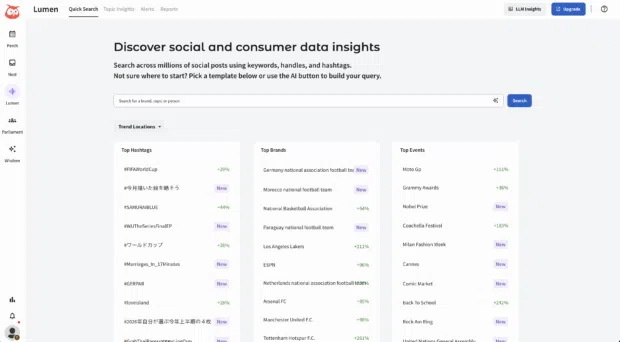
Perch by Hootsuite: Blends content planning, publishing, and real-time monitoring. Its Quick Search feature allows marketers to explore trending hashtags and global events instantaneously, supplemented by robust app integrations like Synapview and Disqus.
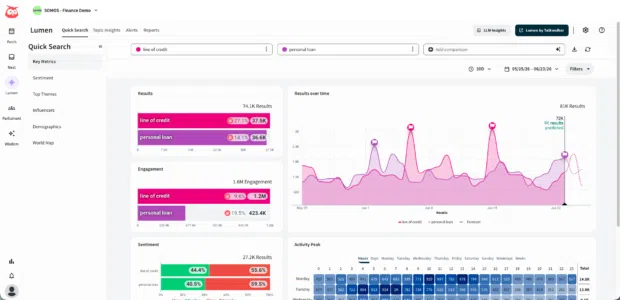
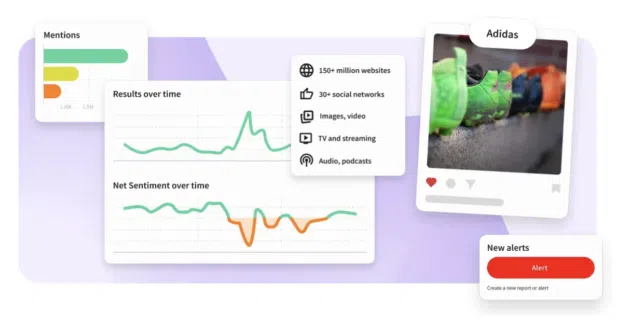
Lumen by Talkwalker: Serves as an advanced intelligence engine capable of tracking videos, news sites, podcasts, and emerging networks like Bluesky. It excels at mapping conversation clusters, top influencers, and risk spikes.
Brand24 & Mention: Ideal for mid-market PR and reputation management. Brand24 scores the reach and importance of mentions using AI, while Mention offers up to two years of historical data tracking.
Enterprise Powerhouses (Brandwatch, Sprout Social, Digimind): Built for large budgets, these platforms offer deep historical indexing, granular Boolean search strings, multilingual capabilities (such as Digimind’s 82-language translation), and robust demographic segmentation.
Official Responses and Expert Insights
Industry practitioners emphasize that quantitative data must be paired with strategic execution to yield tangible business value.
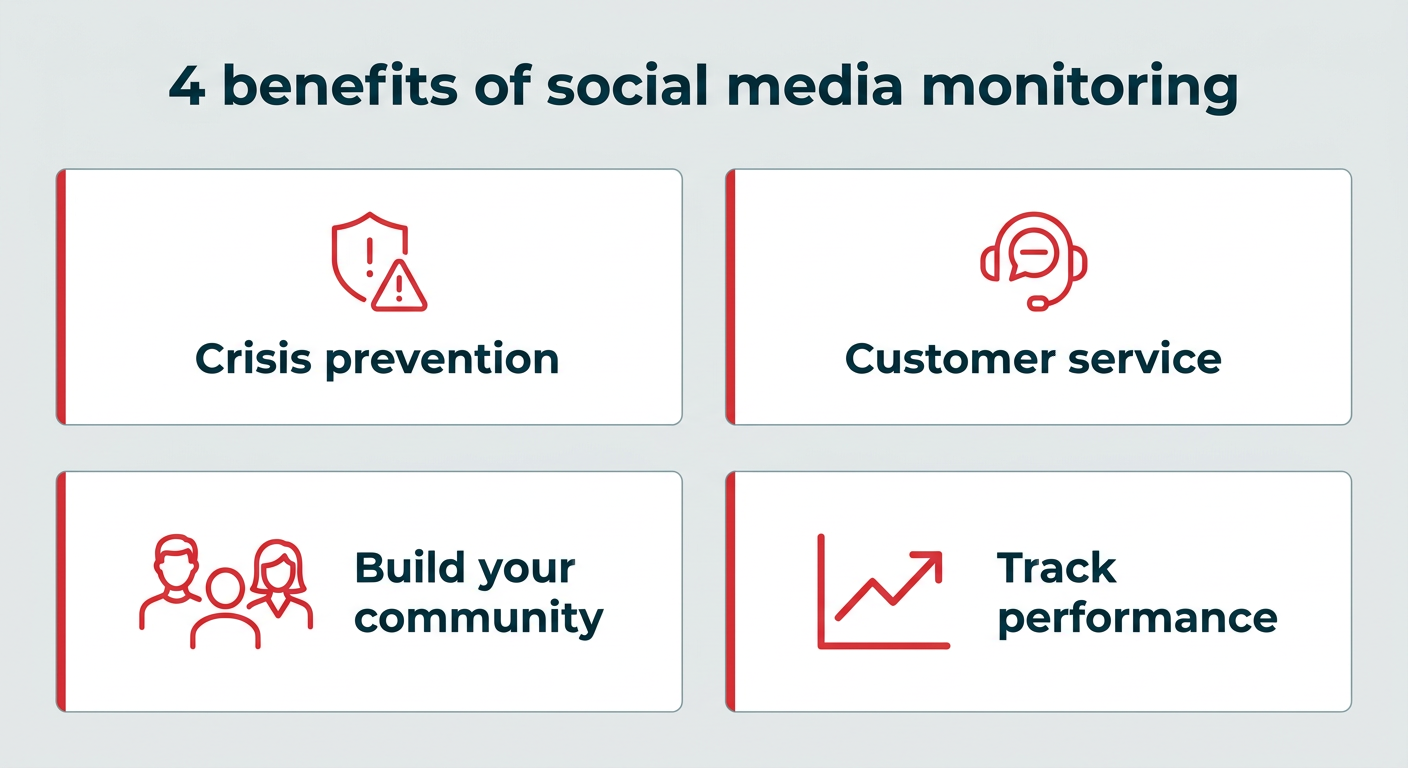
"These tools provide valuable insights into customer sentiment, brand reputation, and competitor activity. They also help identify emerging trends, potential crises, and influencer marketing partnerships, all of which are crucial for a successful social media strategy."
— Katelyn Rhoades, Founder of Enfluence Marketing Studio
For community building, maintaining an active, responsive posture transforms passive consumers into brand advocates.
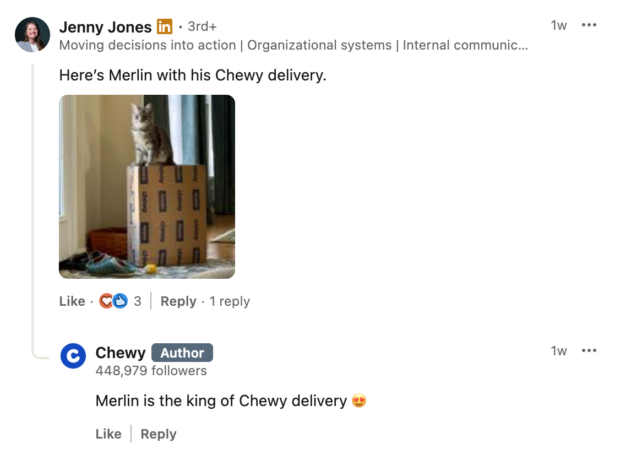
"Effective social media monitoring lets brands be responsive to their audience’s pain points, allowing them to address specific issues as they arise. By actively engaging with their audience and providing valuable content, brands can build and sustain deeper connections, enhancing loyalty and ultimately fostering a community."
— Alienore Lanson, Senior Account Manager at MG Empower
Furthermore, automation allows marketing teams to fine-tune ongoing advertising campaigns in real time.
"This allows for on-the-fly adjustments based on audience engagement and sentiment."
— Aaron White, CEO of Outbound.com
Implications for Strategy and Governance
As organizations deploy increasingly sophisticated monitoring tools, several critical implications emerge for modern business governance:
1. The Shift from Reactive PR to Proactive Risk Mitigation
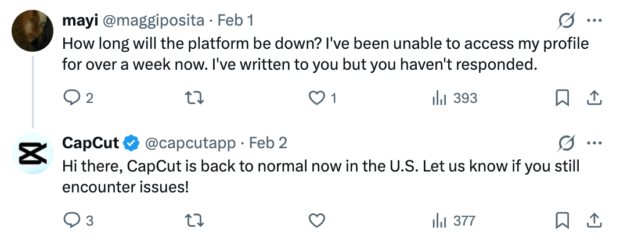
Waiting for a customer complaint to escalate into a viral thread is no longer acceptable. Real-time alerting systems allow communications teams to intercept friction points—such as product glitches or messaging missteps—within minutes, preserving brand trust and mitigating financial fallout.
2. Balancing AI Automation with Human Nuance
A growing risk in digital marketing is over-reliance on automated systems. Research from industry analysts, including Forrester, warns that companies deploying customer-facing AI without adequate human oversight risk eroding consumer trust. While monitoring software can surface spikes in sentiment or keyword volume, human marketers remain essential for interpreting cultural context, crafting empathetic replies, and spotting niche trends that automated algorithms miss.
3. Unified Workflows as an Operational Imperative
Siloed tech stacks slow down response times. The market trend toward unified platforms—where social listening, community management, publishing, and review tracking coexist in a single interface—reflects an operational demand for speed and efficiency. Brands that successfully streamline their monitoring processes can engage faster, capture richer audience insights, and ultimately secure a sustainable competitive advantage in an increasingly crowded digital landscape.

 By Reynand Wu





 Muslim
  Nila Kartika Wati
  Asro
Asro 