
 By Ammar Sabilarrohman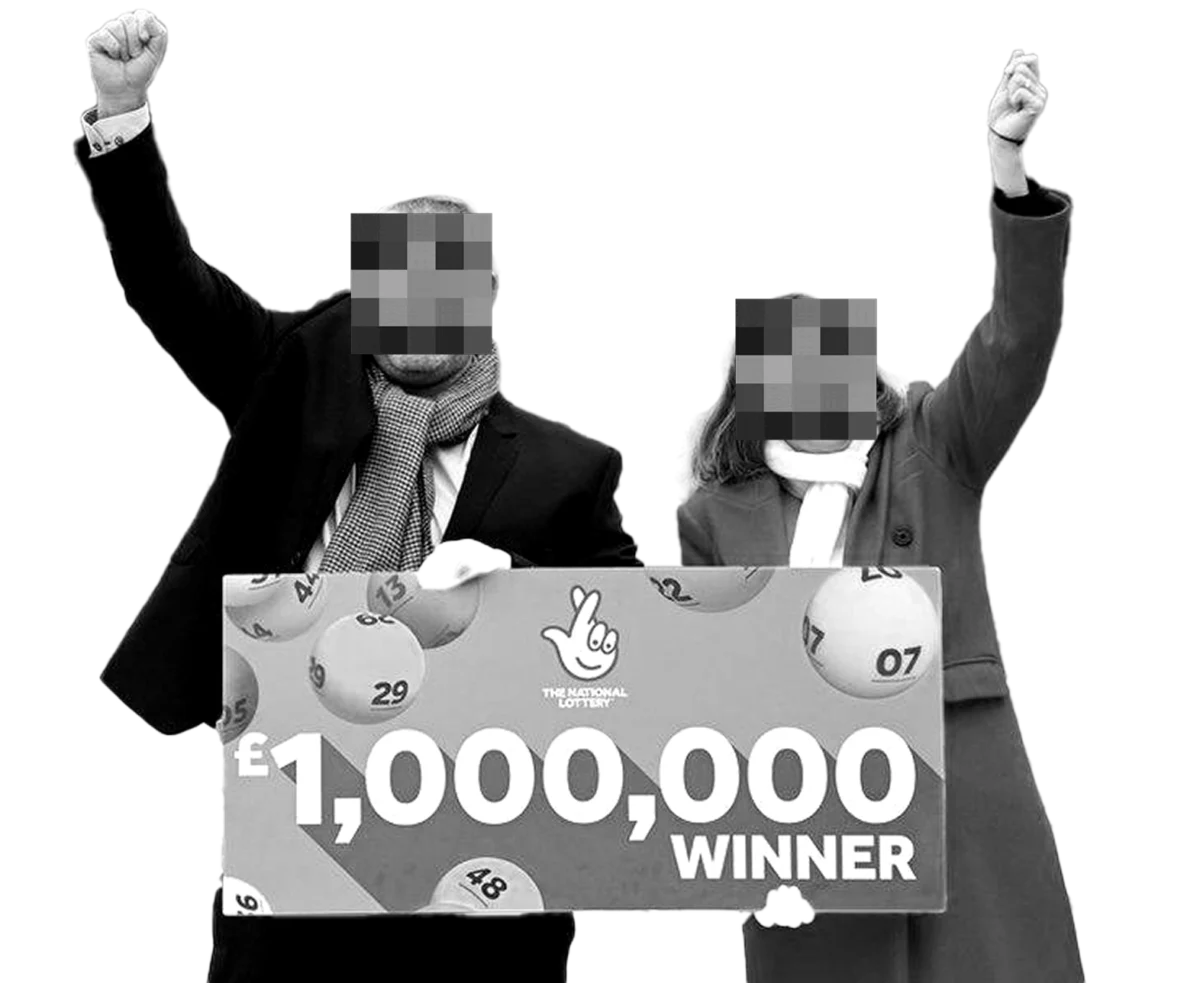
By Global Financial and Gaming Desk
For millions of hopeful players across the globe, the weekly ritual of buying a lottery ticket represents more than just a casual gamble—it is the ultimate ticket to social mobility, an escape from the daily grind, and a tantalizing brush with unimaginable wealth. Nowhere is this phenomenon more pronounced than in the two titanic giants of international lottery gaming: the American Powerball and Europe’s EuroMillions.

While both games draw tens of millions of players and generate billions in revenue, their underlying philosophies, structural mechanics, and cultural impacts couldn’t be more different. The United States favors a high-stakes, uncapped free-for-all that regularly flirts with multi-billion-dollar figures, while Europe employs a more calculated, player-conscious framework characterized by jackpot caps, superior odds, and strict winner anonymity.
This comprehensive deep-dive explores how these two lotteries operate, how their payout systems shape consumer behavior, and why winning the ultimate prize might actually be much safer in the Old World than in the New.
1. Main Facts: Understanding the Giants
To understand the core differences between Powerball and EuroMillions, one must first examine the fundamental architecture of each game. Though both function on similar matrix-based lottery designs, their scales, operating territories, and pricing structures vary significantly.
Powerball: The American Dream on Steroids
Launched in 1992 and coordinated by the Multi-State Lottery Association (MUSL), Powerball is available in 45 U.S. states, the District of Columbia, Puerto Rico, and the U.S. Virgin Islands. It is globally renowned for producing history-making, headline-grabbing jackpots that dwarf almost any other form of legal gambling.

- Ticket Cost: $2 to $3 per play (depending on optional multipliers).
- Starting Jackpot: A guaranteed minimum of $20 million.
- Draw Schedule: Three times a week—every Monday, Wednesday, and Saturday.
- Overall Odds of Winning Any Prize: 1 in 25.
- Odds of Winning the Jackpot: 1 in 292,201,338.
EuroMillions: Europe’s Cross-Border Colossus
Established in 2004, EuroMillions is Europe’s premier transnational lottery. Operating across nine distinct European nations—the United Kingdom, France, Spain, Austria, Belgium, Ireland, Luxembourg, Portugal, and Switzerland—it pools the populations and economies of these countries to create a massive, unified prize pool.
- Ticket Cost: €2.50 (approximately US $2.61).
- Draw Schedule: Twice a week—every Tuesday and Friday.
- Overall Odds of Winning Any Prize: 1 in 13.
- Odds of Winning the Jackpot: 1 in 139,838,160.
- Jackpot Structure: Capped at a strict maximum of €250 million (roughly US $260 million), supplemented by periodic "Super Draws" and "Event Draws" with set €100 million jackpots.
2. Chronology: History and Record-Breaking Milestones
The history of both lotteries is defined by a relentless upward trajectory in ticket sales, technological integration, and record-shattering wins that have captured the global imagination.
The Powerball Timeline of Megajackpots
Powerball’s history is a story of compounding rollovers. Because the game features no ceiling on how high the top prize can climb, consecutive weeks without a winner generate unprecedented media frenzies.
- February 2016: Powerball crossed a psychological threshold when it offered a staggering $1.58 billion jackpot, which was split among three winning tickets in California, Florida, and Tennessee.
- November 2022: The lottery obliterated its own record during a historic rollover streak, culminating in a jaw-dropping $2.04 billion jackpot. The single winning ticket was sold in Altadena, California, to Edwin Castro. Opting for the cash lump sum, Castro received approximately $997.6 million before federal and state taxes reduced his net take-home to roughly $628 million.
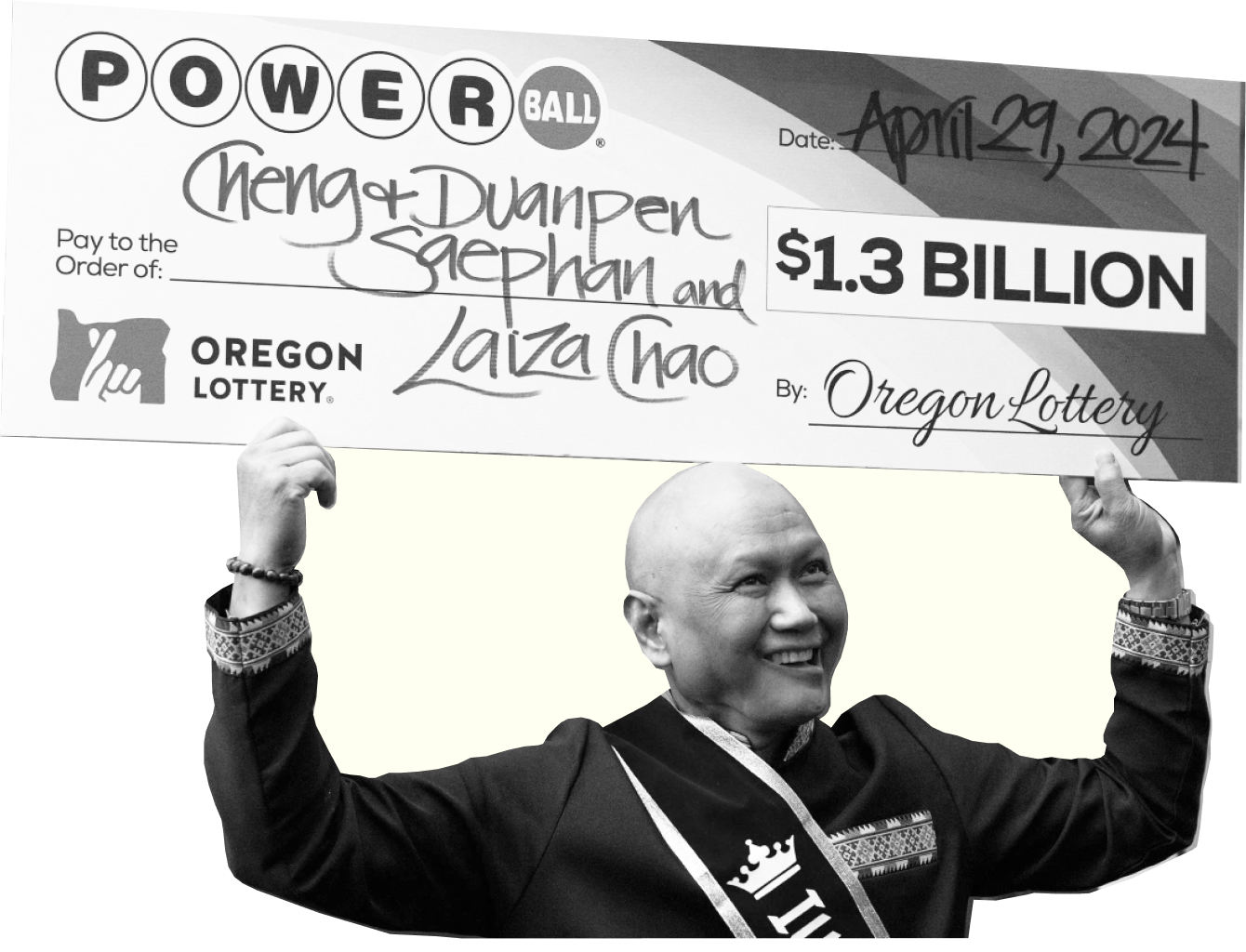
- April 2024: Another monumental win occurred when Cheng Saephan claimed a $1.3 billion Powerball jackpot. Saephan, who chose the lump-sum option, walked away with $422 million after taxes, proving that even after massive tax bites, American lottery payouts remain historically unprecedented.
The EuroMillions Evolution and Stability
EuroMillions took a fundamentally different evolutionary path. Rather than letting jackpots spiral into infinity, the governing bodies behind EuroMillions implemented structural limits to maintain game stability and manage consumer psychology.

- Launch (2004): Founded by France’s Française des Jeux, Spain’s Loterías y Apuestas del Estado, and the UK’s Camelot, the game rapidly expanded across Western Europe.
- Implementation of Caps: To prevent compulsive play and manage runaway jackpots, regulators introduced a jackpot cap. Originally set lower, the cap has since been adjusted upwards to €250 million. Once the jackpot hits this ceiling, it cannot grow further through standard rollovers; excess funds cascade down to enrich lower-tier prize levels, guaranteeing massive payouts for secondary winners.
3. Supporting Data: The Mathematics of Winning
When evaluating the numerical realities of Powerball versus EuroMillions, the statistics reveal distinct strategic choices for the consumer.
+------------------------+-------------------+-------------------+
| Metric                 | Powerball (U.S.)  | EuroMillions (EU) |
+------------------------+-------------------+-------------------+
| Ticket Price           | $2.00 - $3.00     | €2.50 (~$2.61)    |
| Jackpot Cap            | None (Uncapped)   | €250 Million      |
| Odds of Jackpot        | 1 in 292,201,338  | 1 in 139,838,160  |
| Odds of Any Prize      | 1 in 25           | 1 in 13           |
| Total Winners (History)| 236               | 583               |
+------------------------+-------------------+-------------------+
The Probability Gap
To truly grasp Powerball’s jackpot odds of 1 in 292.2 million, consider this: the population of the entire United States sits at roughly 333 million. Buying a Powerball ticket means your odds are roughly equivalent to selecting one specific individual out of nearly the entire U.S. populace.

In contrast, EuroMillions offers jackpot odds of 1 in 139.8 million. While still astronomically difficult, these odds are more than twice as favorable as Powerball’s. Furthermore, EuroMillions’ overall odds of winning any prize stand at 1 in 13, compared to Powerball’s 1 in 25.
The Frequency of Victory
Because of these structural odds and the broader population base of participating European nations, EuroMillions produces winners far more frequently. Since its inception, EuroMillions has crowned 583 jackpot winners, whereas Powerball has produced roughly 236 jackpot winners in a comparable modern era of massive rollovers. EuroMillions distributes wealth more evenly, ensuring that regular players see meaningful returns on investment rather than chasing a near-impossible dream.

4. Official Responses and Societal Implications
The philosophical divide between American and European lottery administration extends deep into public policy, consumer protection, and psychological welfare.
The Endless Chase vs. The Capped Horizon
Proponents of the American model argue that uncapped jackpots serve as the ultimate manifestation of free-market entertainment. The sheer magnitude of a $2 billion prize creates a cultural moment that excites the public and drives massive state revenues, which frequently fund public education and infrastructure.

However, public health advocates and gaming regulators raise serious concerns regarding the compulsive behavior fueled by massive rollovers. When a Powerball jackpot crosses the billion-dollar mark, ticket sales surge exponentially, often driven by low-income households disproportionately spending discretionary income on a mathematically futile venture.
EuroMillions’ policy of capping jackpots at €250 million explicitly aims to mitigate this risk. By stopping the jackpot from growing indefinitely, the game curbs predatory compulsive-buying cycles. Any money that would have artificially inflated an already obscene top prize is redirected downward, artificially inflating secondary and tertiary prizes. This creates a psychological safety valve: players know the prize has a ceiling, dampening irrational media-fueled buying panics.

5. Implications: The Hidden Curse of the Billion-Dollar Win
Perhaps the most stark contrast between the two lottery systems lies not in how the money is won, but in what happens to the winners after the cameras stop rolling.
The Myth of Problem-Free Wealth
Popular culture treats winning the lottery as an unmitigated blessing. However, sociological and financial studies—including research highlighted by the American Bankruptcy Institute—reveal a darker reality. Winners of massive, life-altering jackpots face severe psychological distress, social isolation, and an elevated risk of financial ruin.

Financial experts categorize the primary post-victory hazards into four distinct pillars:
- Fraud and Scams: High-profile winners become immediate targets for predatory financial advisors, fraudulent investment schemes, complex lawsuits, and identity theft.
- Psychological Stress: The sudden, jarring spotlight of international media attention induces severe anxiety, paranoia, strained interpersonal relationships, and tendencies toward addictive behaviors.
- Lack of Financial Literacy: Thrust from modest means into astronomical wealth, unprepared winners frequently fall victim to tax misunderstandings, high-maintenance lifestyle inflation, and catastrophic luxury overspending.
- Exploitation and Social Pressures: Unsolicited requests for financial support from distant relatives, old acquaintances, and charitable organizations create overwhelming social friction.
Anonymity: The Ultimate Protective Shield
Herein lies the most profound policy difference between the two continents: winner privacy laws.

In the vast majority of U.S. states, lottery winners are legally required to publicly disclose their identities. When an ordinary citizen wins a multi-billion-dollar Powerball jackpot, their name, photograph, and hometown are blasted across global news outlets. This lack of anonymity strips away the winner’s privacy overnight, throwing them to the wolves of public scrutiny, solicitors, and bad actors. While a handful of U.S. states have recently begun permitting winners to remain anonymous or use legal trusts, public disclosure remains the default standard.
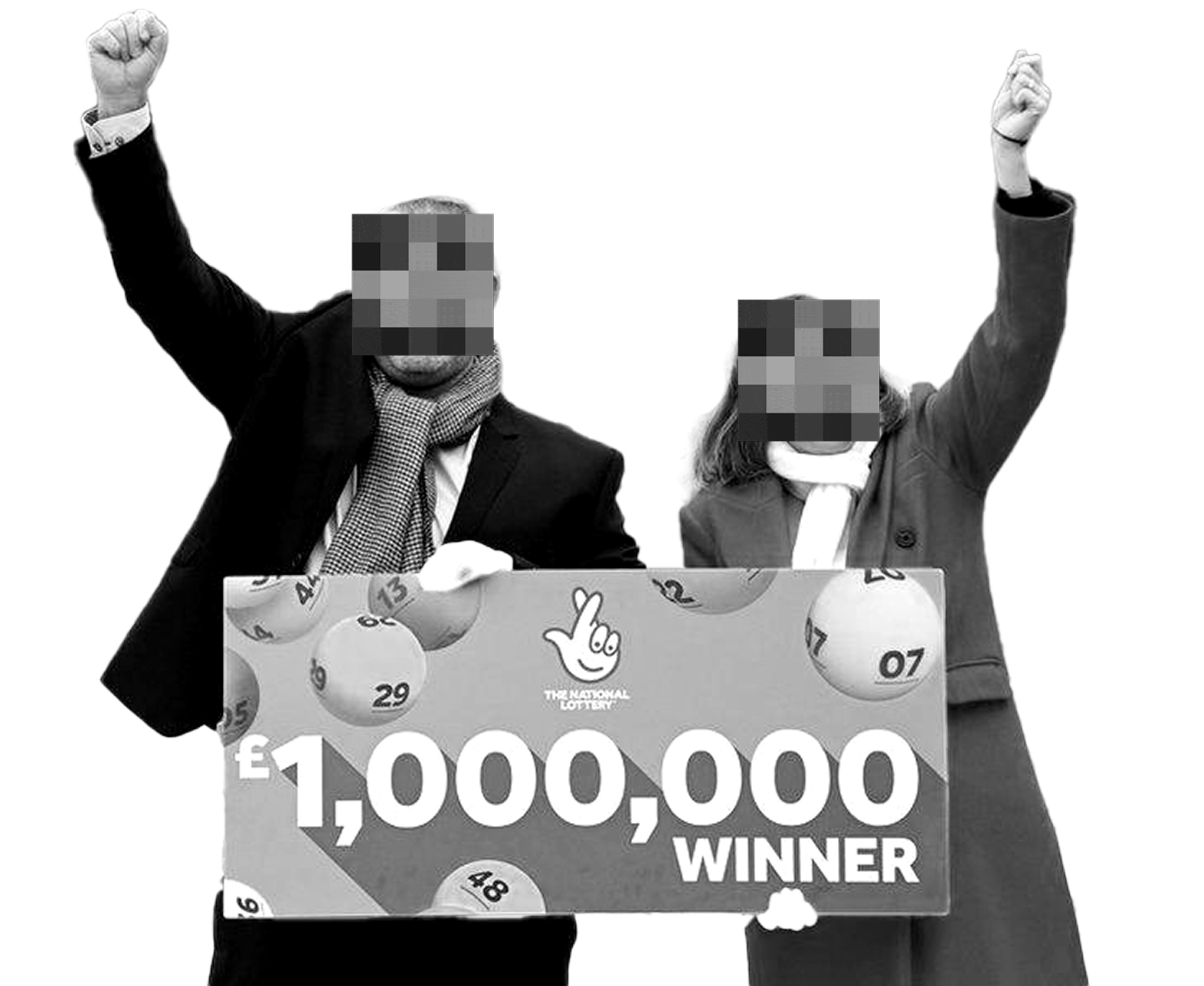
Conversely, all EuroMillions winners are guaranteed absolute anonymity under the policies of participating national lotteries and stringent European data privacy regulations (such as GDPR). European winners are never forced to step in front of a microphone holding a giant novelty check. They can quietly claim their fortunes, retain their community standing, hire reputable wealth managers without a media circus, and protect their physical safety.

Conclusion: Which System Is Better?
When weighing Powerball against EuroMillions, the choice ultimately boils down to a fundamental philosophical question about risk, reward, and human psychology.
If your definition of a great lottery is the breathless, high-stakes gamble for a sum of money large enough to rival the GDP of a small nation—regardless of the nearly impossible odds—Powerball stands peerless.

However, if you prefer a more balanced, rational gaming model—one that offers twice-as-good odds of winning the jackpot, significantly higher chances of winning secondary prizes, built-in safeguards against compulsive gambling, and, above all, the priceless protection of personal anonymity—EuroMillions emerges as the undeniably smarter, safer bet.
As American lottery payouts continue to climb into uncharted territory, policymakers in the United States would do well to study the European framework. After all, winning the lottery should be the beginning of a secure, prosperous life—not the start of a very public nightmare.
 Lina Irawan
  Nana
Nana 