
 By Neng Nana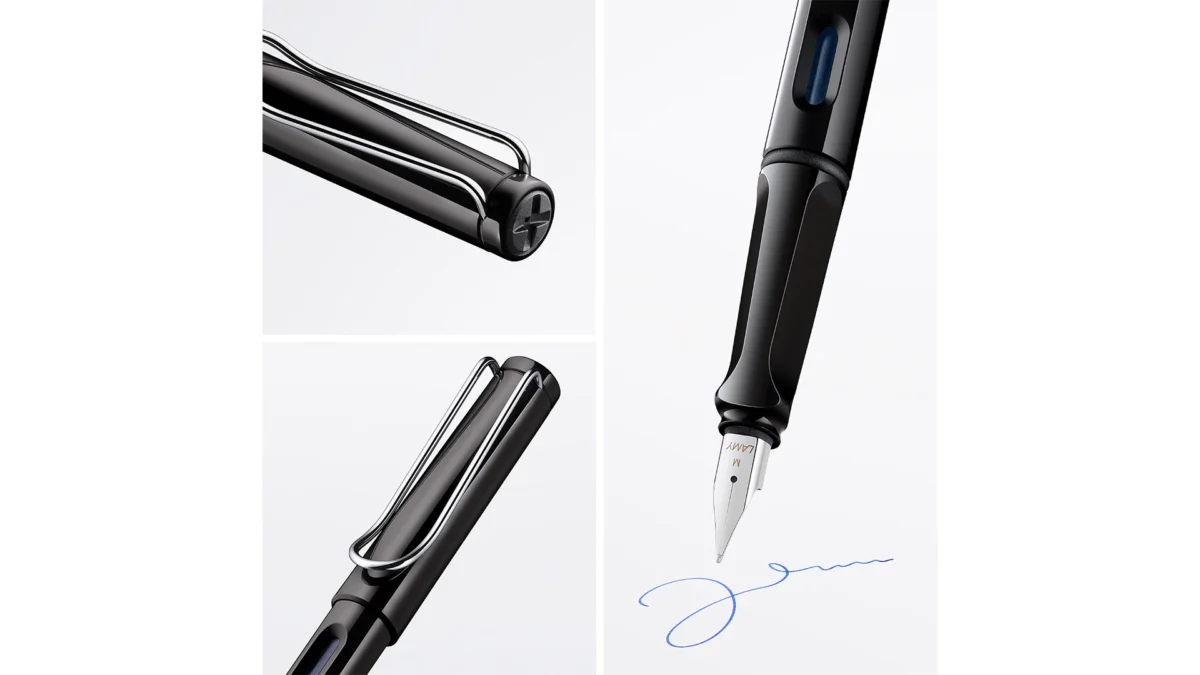
In an era dominated by rapid-fire digital communication, cloud-based note-taking, and the relentless hum of artificial intelligence, the act of putting ink to paper has transformed from a mundane necessity into a deliberate, meditative practice. While the fountain pen might seem like an archaic relic to some, it has experienced a remarkable renaissance among designers, creatives, and those seeking a digital detox.
Leading the charge in this analog revival is the LAMY Safari—a writing instrument that manages to bridge the gap between industrial design history and everyday utility. For a limited time, Amazon is offering a rare opportunity to acquire this design staple at a significant discount, with the price reduced by nearly $10 to just $27.22.
A Masterclass in Industrial Design
The LAMY Safari is not merely a pen; it is a case study in functionalist design. Since its introduction in 1980, it has occupied a unique space in the stationery market. While luxury houses like Montblanc or Tibaldi command prices that reach into the four figures, the Safari offers a pedigree of German engineering that is accessible to the masses.
Constructed from the same robust ABS plastic used in the manufacturing of Lego bricks, the Safari was originally conceived to survive the rigors of student life. Its structural integrity is legendary, capable of withstanding the daily jostling of a crowded backpack or the accidental drops common in a busy design studio. However, its true genius lies in its ergonomics. The distinctive, molded triangular grip section forces a correct tripod finger position, reducing fatigue during long writing sessions. For anyone looking to improve their penmanship or cultivate a daily journaling habit, the Safari provides a tactile feedback loop that a glass-screen tablet simply cannot replicate.
Chronology: From the Frankfurt Fair to Global Ubiquitousness
To understand the significance of the current price drop, one must look at the historical trajectory of the Safari.
- 1980: The LAMY Safari makes its grand debut at the Frankfurt Fair. Designed by Wolfgang Fabian in collaboration with Bernt Spiegel, it was initially met with skepticism by critics who felt the plastic, utilitarian look was too "toy-like" for a serious writing instrument.
- 1980s–1990s: Despite initial hesitation, the pen gained a cult following among students and architects. Its interchangeable nib system—allowing users to swap between extra-fine, fine, medium, and broad widths—made it a favorite for technical sketching and long-form writing alike.
- 2000s: The Safari solidified its status as a global design icon, becoming a permanent fixture in stationery shops from Tokyo to New York. It was recognized by the Museum of Modern Art (MoMA) as an exemplar of 20th-century industrial design.
- 2010s–2020s: With the rise of the "analog movement," the Safari saw a massive resurgence. LAMY began releasing "Special Edition" colors annually, turning the pen into a highly collectible item for enthusiasts.
- 2026: The Safari remains the benchmark by which all entry-level fountain pens are measured, serving as the gateway for a new generation of digital-weary users seeking a more mindful relationship with their thoughts.
Supporting Data: Why the Safari Outperforms the Competition
When evaluating the value proposition of a $27.22 writing instrument, it is essential to look at the performance metrics that matter most to users.
Reliability and Ink Flow
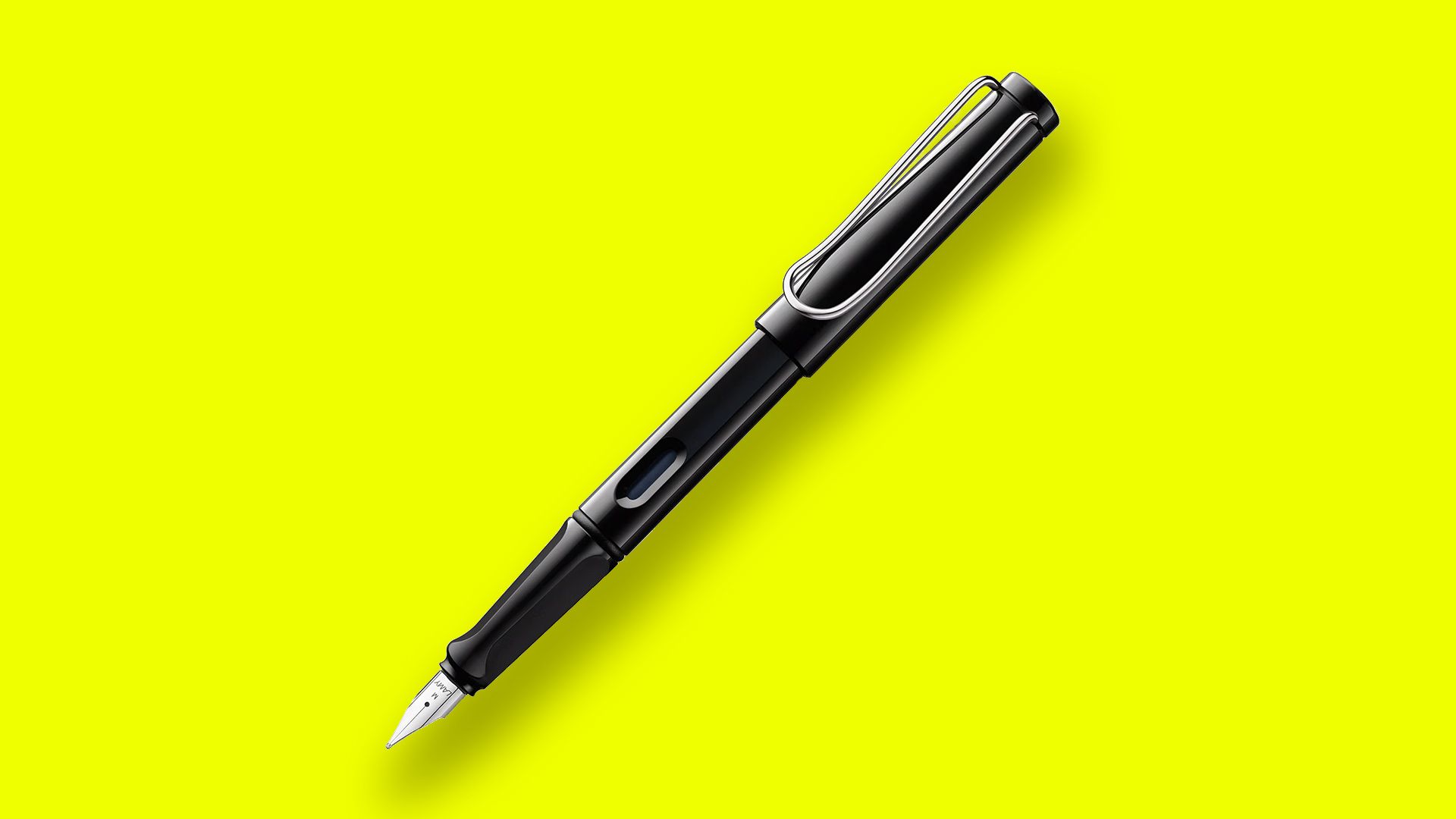
The Safari utilizes a proprietary ink feed system that ensures a consistent, skip-free experience. Unlike cheaper imitation pens that suffer from "hard starts" after sitting for a few days, the Safari’s cap design—featuring a distinct, spring-loaded wire clip—creates a seal that prevents the nib from drying out.
The Modularity Advantage
The stainless-steel nib is arguably the pen’s greatest asset. For artists, the ability to swap a standard medium nib for a "1.1 calligraphy" nib in under ten seconds allows the tool to evolve alongside the project. Whether you are sketching architectural lines or practicing cursive, the adaptability of the hardware is unmatched in its price bracket.
Ergonomic Impact
Studies in ergonomic design suggest that the tripod grip of the Safari can significantly reduce the "death grip" tension often associated with high-pressure ballpoint writing. By encouraging a lighter touch, the fountain pen allows the ink to flow under gravity and capillary action, resulting in a more relaxed hand posture that is sustainable for hours of uninterrupted work.
Official Perspectives: The Bauhaus Philosophy
LAMY has always maintained that "design is not just what it looks like, but how it works." This ethos is rooted in the Bauhaus movement, which emphasized the marriage of form and function.
In past statements regarding the Safari’s longevity, LAMY designers have emphasized that the pen’s shape was dictated by the needs of the user, not the trends of the market. The "hollow" in the barrel is not just an aesthetic choice; it serves to reduce weight while increasing structural strength. By keeping the materials simple but the engineering precise, the company has successfully resisted the urge to "premiumize" the Safari, keeping it a democratic tool for writers and artists of all backgrounds.
Implications for the Modern Creative
Why does this price drop matter in 2026? The implications for the creative industry are two-fold.
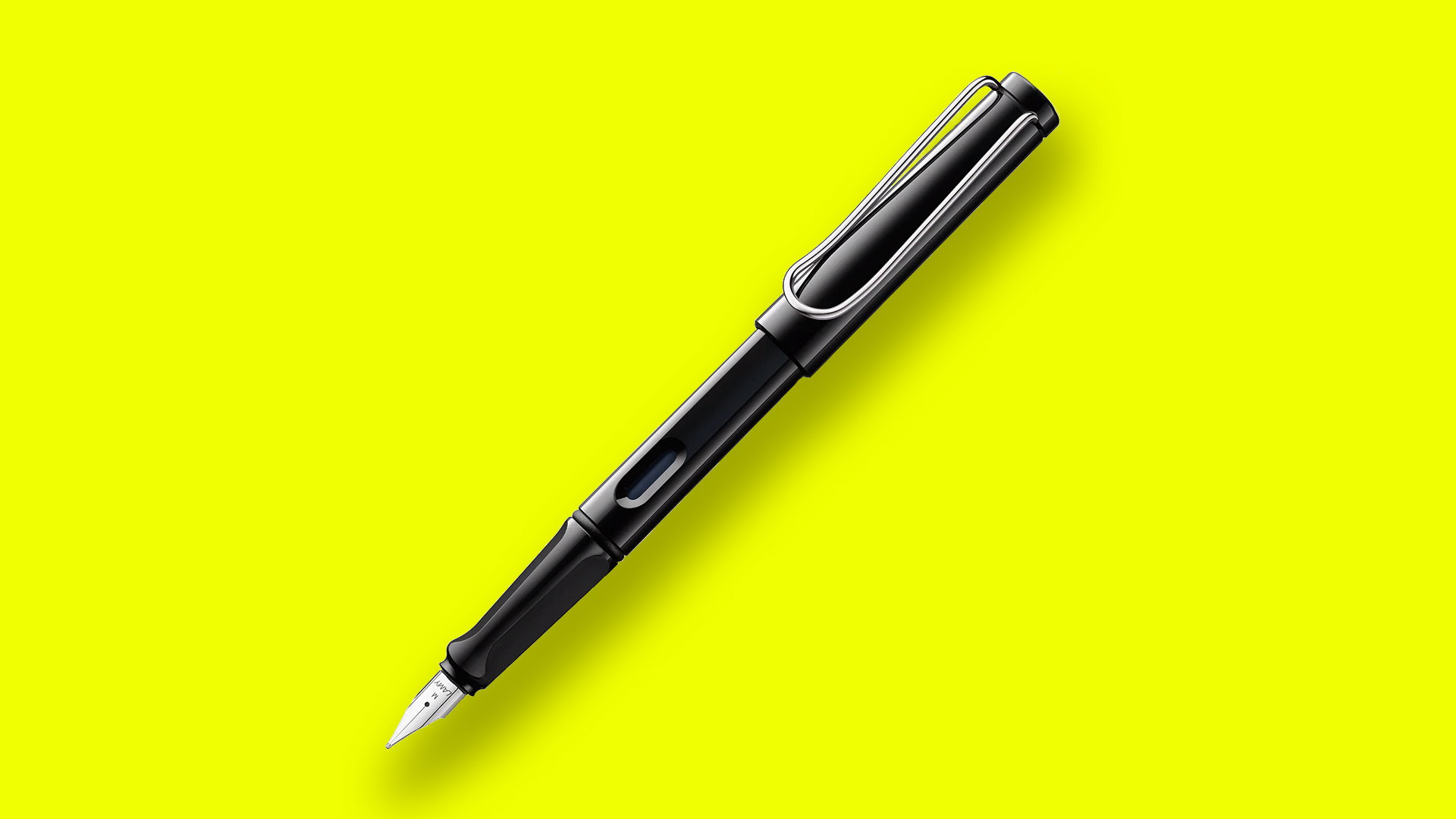
First, the accessibility of a high-quality tool encourages experimentation. If you are a designer who has never worked with ink, the barrier to entry is now lower than ever. The ability to iterate on paper—to see the "tooth" of the page and the pooling of ink—is a fundamental sensory experience that can inform how one approaches digital typography and illustration.
Second, the "digital detox" movement is more than a trend; it is a necessity for mental clarity. The act of writing with a fountain pen requires a level of intentionality that is absent in the "delete-and-rewrite" culture of word processors. When you write with a fountain pen, your commitment to the word is higher. You slow down. You think before you mark the page. For those struggling with burnout or the fragmentation of attention caused by modern tech, a $27 investment in a reliable, well-designed fountain pen can be a powerful tool for cognitive realignment.
Conclusion: A Tool for the Long Term
In a world that celebrates the disposable, the LAMY Safari stands as a testament to the power of lasting design. It is a tool that asks for nothing more than a bottle of ink and a bit of patience. Whether you are a professional artist looking for a new way to sketch, a student aiming to improve your handwriting, or simply someone who appreciates the quiet beauty of a well-made object, this current offer on Amazon provides the perfect excuse to invest in your craft.
The Safari will not make you a better writer overnight, nor will it replace your laptop or your professional design software. However, it will provide a consistent, reliable, and aesthetically pleasing partner for your ideas. In the quiet moments of the day, when the screens are dimmed and the notifications are silenced, there is something profoundly grounding about the sound of a nib sliding across paper. For less than the cost of a high-end lunch, you can own a piece of design history—a tool that has remained relevant for nearly five decades, and will surely remain so for many more.
Disclaimer: Prices and availability are subject to change. As an Amazon associate, we may earn a commission on qualifying purchases made through the links provided in this article.
 Suro Senen
  Dwi Wanna
  Evan Lee Salim