
 By Suro Senen
AI-referred traffic to online stores surged by an unprecedented 4,700% last year, according to Adobe’s latest retail analytics. Yet, in a stark display of the gap between innovation and execution, only 7% of companies have successfully scaled AI beyond the initial experiment stage.
The industry is currently suffering from a "tooling trap"—the misguided belief that stacking dozens of disparate software subscriptions will magically solve operational friction. The truth, however, is that successful merchants are achieving results by doing the exact opposite: they are selecting surgical, high-impact tools that integrate directly into their existing workflows.

For the modern ecommerce operator, the challenge is no longer about finding AI; it is about filtering the noise to find tools that actually move the needle on revenue.
Main Facts: The Reality of the AI Pivot
The "best of" lists flooding the internet are largely pay-to-play marketing vehicles designed by software vendors. To cut through the hype, we must evaluate these tools based on three objective criteria: actual revenue contribution, hidden usage-based cost traps, and real-world merchant sentiment.

One critical shift that every operator must acknowledge is the rise of Generative Engine Optimization (GEO). AI search engines like ChatGPT and Perplexity now answer 12–18% of consumer queries. This means your product data is no longer just for human eyes; it must be structured for machine intelligence. Stores that fail to adapt their technical SEO to satisfy AI crawlers are effectively becoming invisible to nearly a fifth of their potential market.
Chronology: A Strategic Rollout for Sustainable Growth
Most merchants fail at AI implementation because they try to "boil the ocean." A methodical, phased approach is the only way to avoid burning through capital on unused licenses.
Month 1: The Content Foundation
- Shopify Magic (Free): Every Shopify merchant has a powerful, native AI engine sitting in their dashboard. Before paying for external copywriting tools, leverage Magic to generate product descriptions and tag hierarchies.
- ChatGPT Plus ($20/mo): For hero copy, email strategy, and high-level brand voice mapping, a paid subscription to ChatGPT or Claude remains the gold standard for versatility.
Month 2: Retention and Messaging
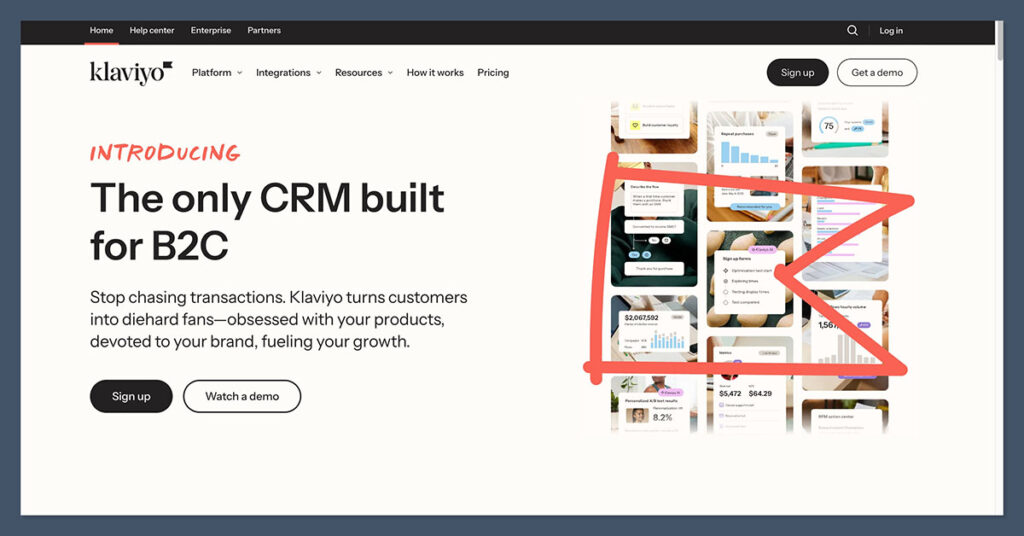
- Klaviyo: This is non-negotiable for serious retention. By leveraging predictive analytics, Klaviyo estimates next-order dates and churn risk.
- Warning: Monitor the "Dead Profile Tax." As of February 2025, billing is based on total active profiles. Implement a "Sunset Flow" to prune inactive subscribers every 180 days to keep costs optimized.
Month 3: Operations and Support
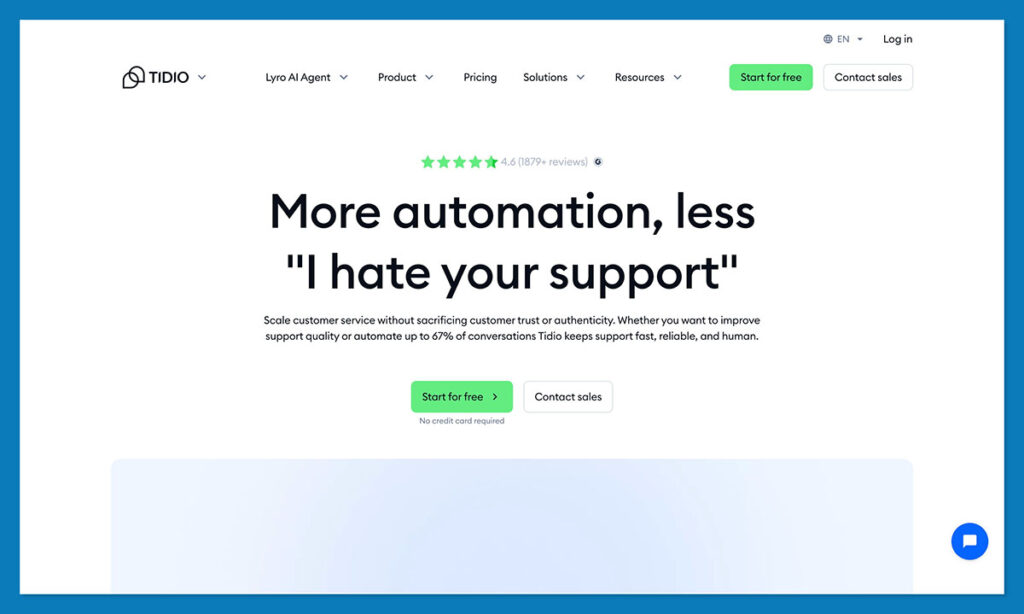
- Support: For stores under 500 tickets/month, Tidio is the optimal entry point. Once you cross the 500-ticket threshold, the complex order-management capabilities of Gorgias or the high-resolution efficiency of Fin by Intercom become necessary upgrades.
- Operations: Once you hit 100+ SKUs, tools like Cogsy or Prediko prevent the "silent cash leaks" of stockouts and overstocking.
Supporting Data: The ROI of Specificity
The data confirms that sequencing beats stockpiling. Companies that focus on a single, well-integrated AI tool report a positive ROI with an average payback period of nine months.
| Store Stage | Priority Tools | Monthly Est. Cost |
|---|---|---|
| Solo / <$500K Revenue | Shopify Magic, ChatGPT, Klaviyo (Free), Tidio (Free) | ~$20–$50 |
| Growing / $500K–$1M | Klaviyo (Paid), Gorgias/Tidio (Paid), Photoroom | ~$150–$250 |
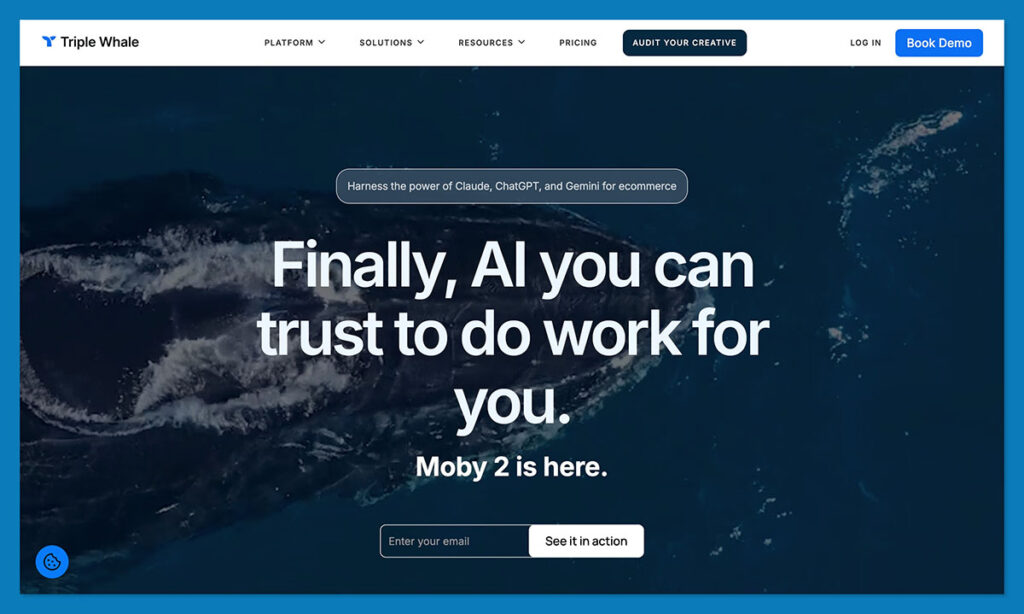
| Scaling / $1M–$10M | Triple Whale, Prediko, Algolia, Prisync | ~$300–$800 |
Data Note: Figures based on average mid-market subscription tiers and representative usage.

Official Perspectives: Navigating the Hallucination Risk
Despite the excitement, merchants remain cautious. Roughly 56% of brands cite AI "hallucination"—the tendency for models to invent facts—as their primary deployment concern.
When interviewing merchants, a recurring theme emerges: Automation is not a "set and forget" solution. For example, while Gorgias can handle 60% of support volume, most setups only hit this efficiency after two to four months of training macros and cleaning up help-center documentation.
Furthermore, regarding the "deflection rate" often touted by software salespeople, industry experts warn that it is a vanity metric. A customer who "deflects" and leaves your site without a solution is a lost sale, not a success. The industry is moving toward "Resolution Rate"—the percentage of queries successfully resolved without human intervention—as the true North Star metric.
Implications: The Future of Ecommerce Search (GEO)
The most significant implication of the 2025-2026 AI shift is the death of the "keyword-only" mindset.
What is GEO?
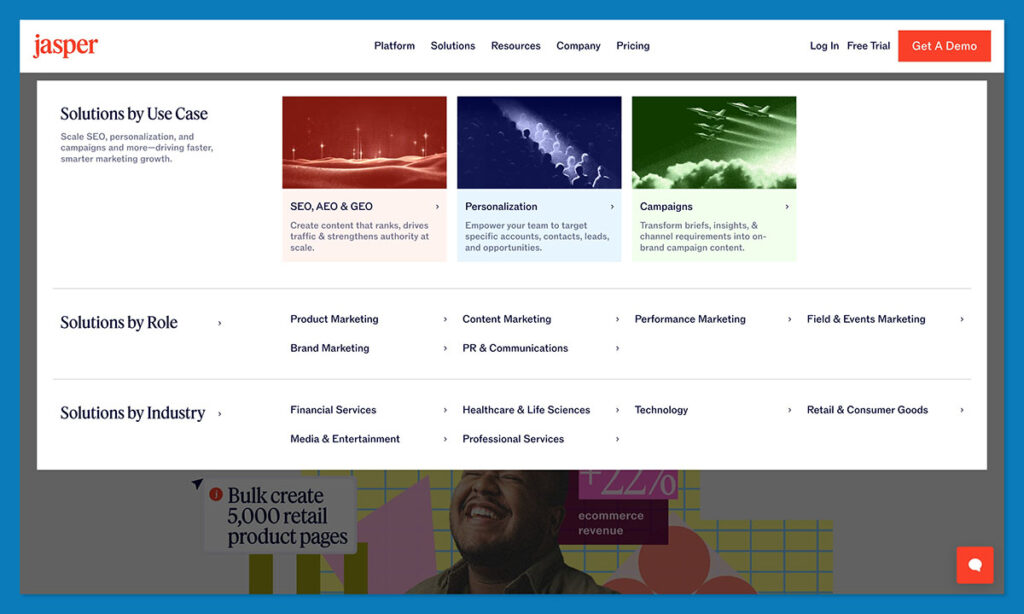
Generative Engine Optimization is the process of optimizing your digital storefront to be cited by AI agents. When a user asks Perplexity, "What is the best waterproof jacket for spring hiking?", they aren’t looking for a list of links—they are looking for an answer.
To win this new frontier, merchants must:

- Replace Fluff with Specs: AI models prioritize concrete data. Instead of saying "Our jacket is super warm," use "Rated for -10°C with 800-fill power down."
- Schema 2.0: Ensure your structured data is updated so that AI can instantly pull your current price, stock levels, and technical specs.
- Real-Time Sync: If your stock data is outdated by 24 hours, AI engines will stop citing you to avoid providing the user with inaccurate information.
Conclusion: The Path Forward
The trap of the "AI-first" movement is the assumption that the technology is the strategy. It is not. The technology is merely the lever.
If you are a solo operator, your priority is time-saving content generation. If you are a high-volume merchant, your priority is margin protection through inventory forecasting and automated support resolution.
Your next action is simple:
- Identify the single bottleneck that cost you the most hours or revenue last month.
- Select the tool from the list above that addresses only that bottleneck.
- Do not add a second tool until the first has demonstrably paid for its own subscription through increased efficiency or sales.
In an era of infinite software options, the most successful merchants will be those who resist the temptation to "stockpile" tools and instead master the art of disciplined, strategic implementation. The AI revolution is here, but for those who know how to wield it, it is a scalpel, not a sledgehammer.
 Dwi Wanna
  Lina Irawan
  Basiran