
 By Laily UPN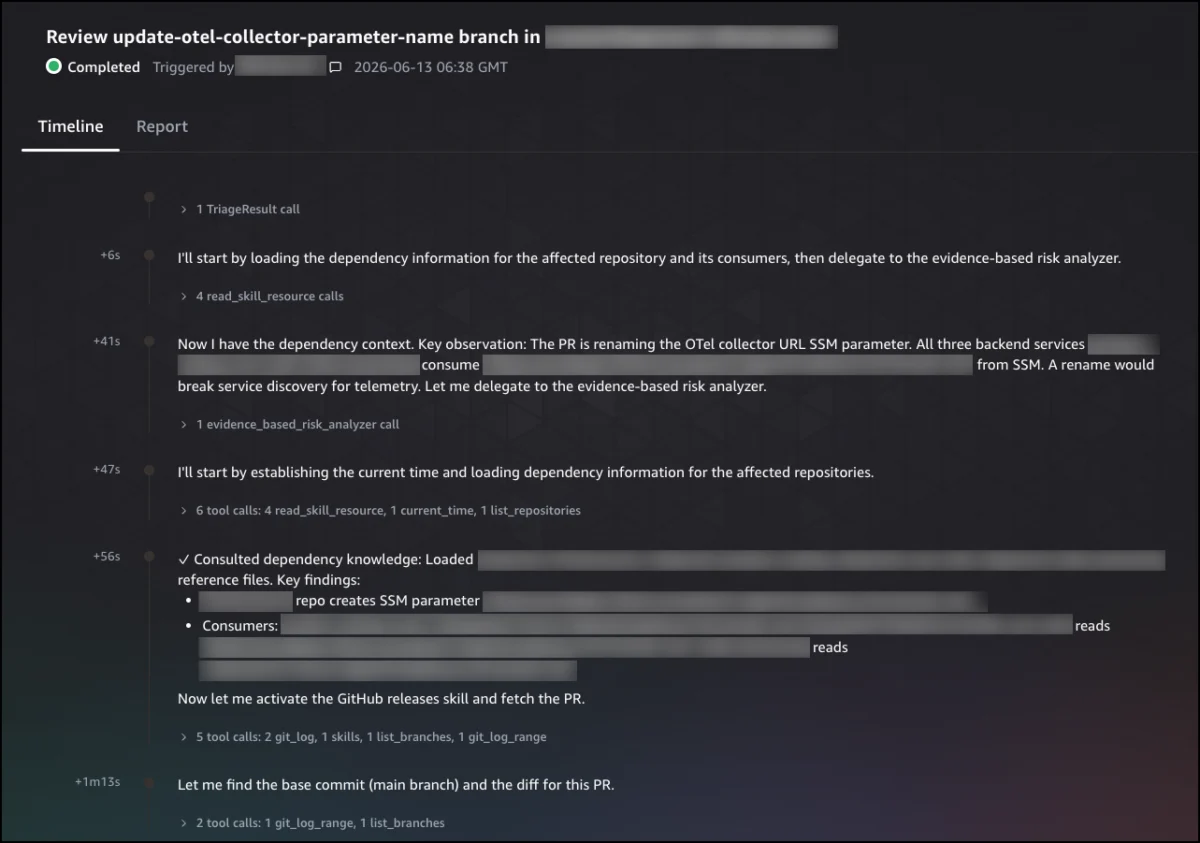
In the rapidly evolving landscape of cloud-native development, the velocity of code production has officially outpaced the human capacity for manual oversight. As development teams increasingly integrate AI-assisted coding tools, the volume of pull requests and configuration changes flooding delivery pipelines has created a critical bottleneck. To address this, Amazon Web Services (AWS) has announced a significant expansion of its AWS DevOps Agent platform, introducing new, highly anticipated preview features for release management and autonomous testing.
This development marks a shift from reactive monitoring to proactive, AI-driven governance, designed to ensure that the "speed of delivery" does not come at the expense of "stability of production."
Main Facts: The Evolution of the DevOps Agent
AWS DevOps Agent is positioned as an "always-available teammate" that operates across hybrid, multicloud, and on-premises environments. While the agent was already capable of post-deployment incident investigation and root-cause analysis, the newly unveiled preview features address the "pre-flight" stage of the software lifecycle.
Key Additions:
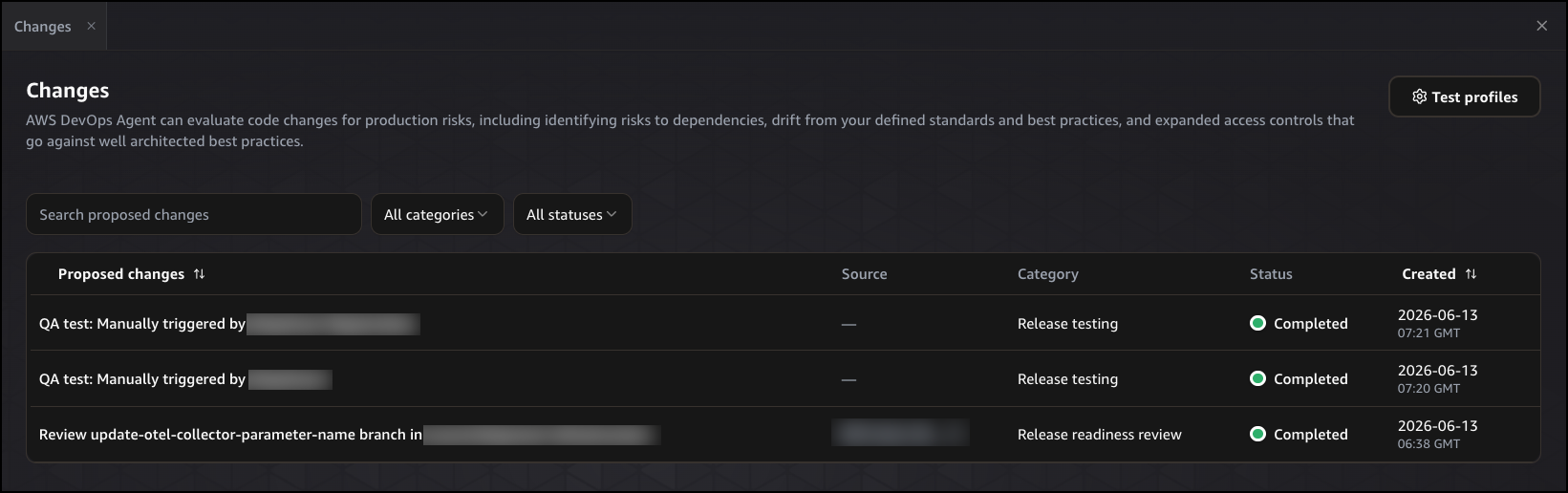
- Release Readiness Review: An intelligent gatekeeper that evaluates code changes against predefined natural language standards and production requirements.
- Autonomous Release Testing: A dynamic testing engine that generates and executes context-aware test plans for web and API-based applications in production-like environments.
- Deep Context Awareness: By indexing repositories and building a comprehensive knowledge graph of cross-service dependencies, the agent understands not just the code, but the potential impact of a change on the broader infrastructure ecosystem.
These features are currently available in preview in the US East (N. Virginia) region, with no additional costs incurred during the evaluation period.
Chronology: From Incident Response to Proactive Governance
The trajectory of the AWS DevOps Agent reflects the broader industry trend of integrating "Agentic AI" into the engineering workflow.
- Initial Launch: AWS introduced the DevOps Agent as a post-deployment solution. Its primary mandate was to observe production behavior, autonomously investigate incidents, and suggest mitigation steps. It was effectively an "on-call engineer" that never slept.
- The "AI-Coding" Disruption: As organizations adopted generative AI coding assistants, the number of commits and pull requests surged. Teams found themselves caught in a paradox: they could write code faster than they could verify it. This led to "review fatigue," where critical security and architectural checks were frequently bypassed or rushed.
- The Current Milestone: By June 2026, AWS shifted the agent’s focus to the left side of the development pipeline. The new release management capabilities allow the agent to intervene before code is merged, effectively closing the loop between AI-assisted development and production-grade stability.
Supporting Data: The Cost of "Drift" and "Queueing"
Industry research cited during the rollout highlights the precarious state of modern CI/CD pipelines. When teams are pressured to maintain high throughput, two primary failure points emerge:

- Review Queue Stagnation: The value generated by coding agents is often trapped in backlog queues. By the time a human reviewer is available, the code may already be outdated or incompatible with upstream changes.
- Environment Drift: A persistent challenge in DevOps is the divergence between testing environments and production reality. AWS DevOps Agent mitigates this by running software in isolated, AWS-managed environments that mirror production, ensuring that "passing tests" actually correlate with "passing performance" in the real world.
The agent’s analysis engine provides quantifiable metrics, including structured logs, execution traces, and a "Release Readiness" score (ranging from "Block" to "Safe to Release"), providing teams with a data-driven justification for their deployment decisions.
Official Responses and Strategic Philosophy
"The practice of DevOps aims to make software change and operations smooth and increasingly autonomous," AWS stated in its release documentation. The philosophy driving this update is that AI models are now better equipped than human reviewers to catch complex functional and security regressions—provided they are given the correct "instructions."
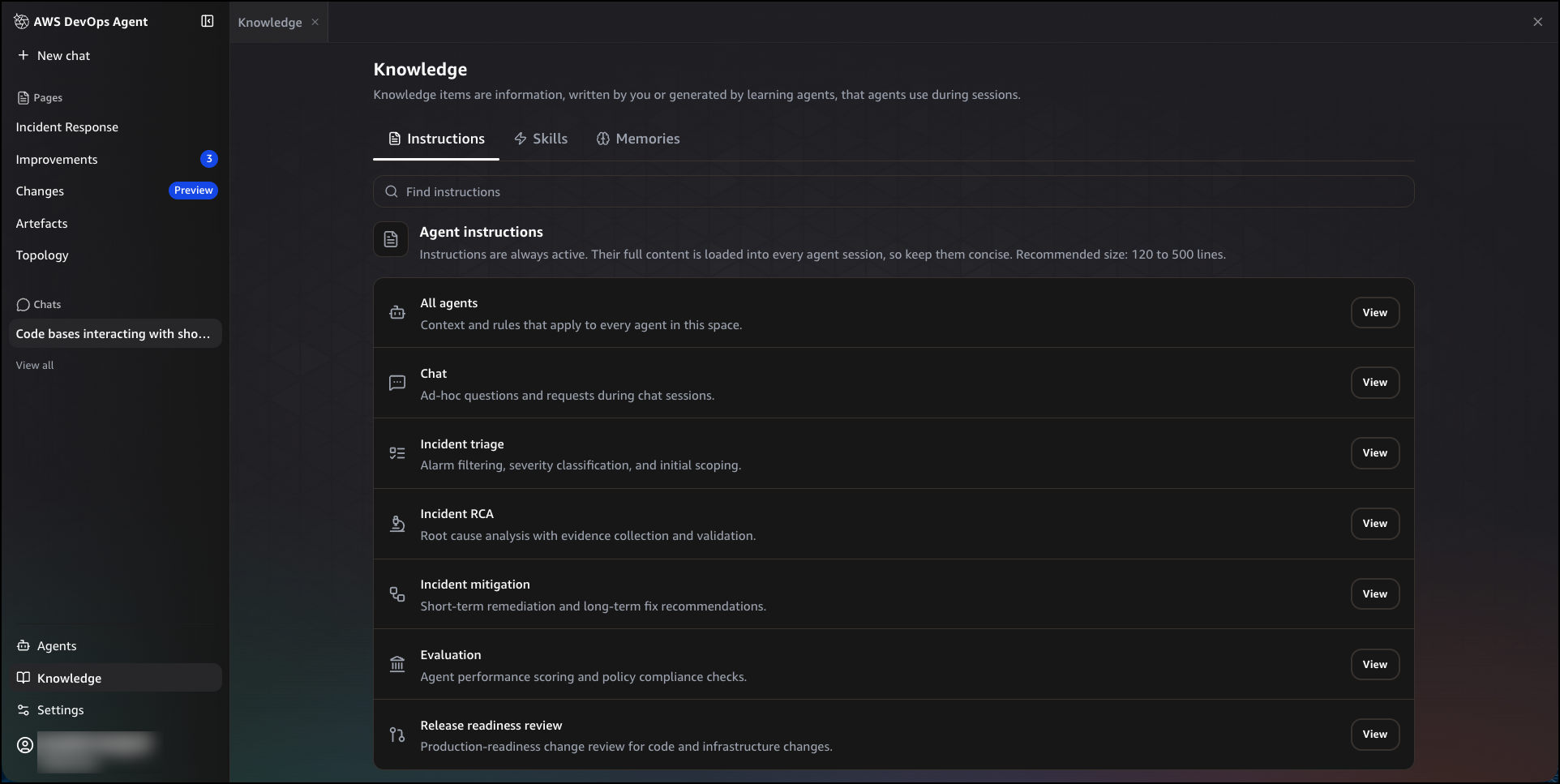
By allowing organizations to define their internal standards in plain English—such as encryption requirements, network access rules, or data classification policies—AWS is shifting the role of the senior engineer from "code reviewer" to "policy curator." The agent enforces these policies consistently, eliminating the variability inherent in human team review processes.
Implications: The Future of the Software Engineer’s Role
The introduction of these features has profound implications for the professional landscape of software engineering and DevOps.
H3: Elevating the Reviewer’s Role
Rather than replacing the human, the AWS DevOps Agent aims to augment the review process. When the agent handles the mundane, repetitive verification—such as checking for dependency risks or Well-Architected Framework compliance—human reviewers are freed to focus on high-level architecture and business logic. This shift allows for a more "cognitive" approach to code reviews, where developers engage with the intent of the code rather than its syntax or basic security compliance.
H3: Bridging the Gap in Multicloud Environments
The agent’s ability to span multicloud and on-premises environments is a strategic differentiator. As enterprises struggle with fragmented infrastructure, having a unified AI layer that understands dependencies across platforms—not just within AWS—prevents the "siloed knowledge" problem. When a developer makes a change in a local repo, the agent can flag that it might inadvertently break a dependency hosted on a different cloud or an on-premises legacy server.
H3: Standardizing "Best Practices"
The ability to configure the agent with custom instructions means that large enterprises can now codify their tribal knowledge. Best practices that were once hidden in internal wikis—often ignored or forgotten—are now baked into the automated gates of the CI/CD pipeline. This creates a "compliance-as-code" culture that scales linearly with the number of developers.
Getting Started: A New Operational Workflow
For teams looking to integrate this into their existing workflows, the process is streamlined:
- Connect: Link GitHub or GitLab repositories to an "Agent Space." The agent immediately begins indexing code to build its dependency knowledge graph.
- Define Standards: Navigate to the "Instructions" tab. Use natural language to define organizational requirements. For instance: "Block any deployment that does not include encrypted EBS volumes" or "Ensure all API endpoints follow internal authentication protocols."
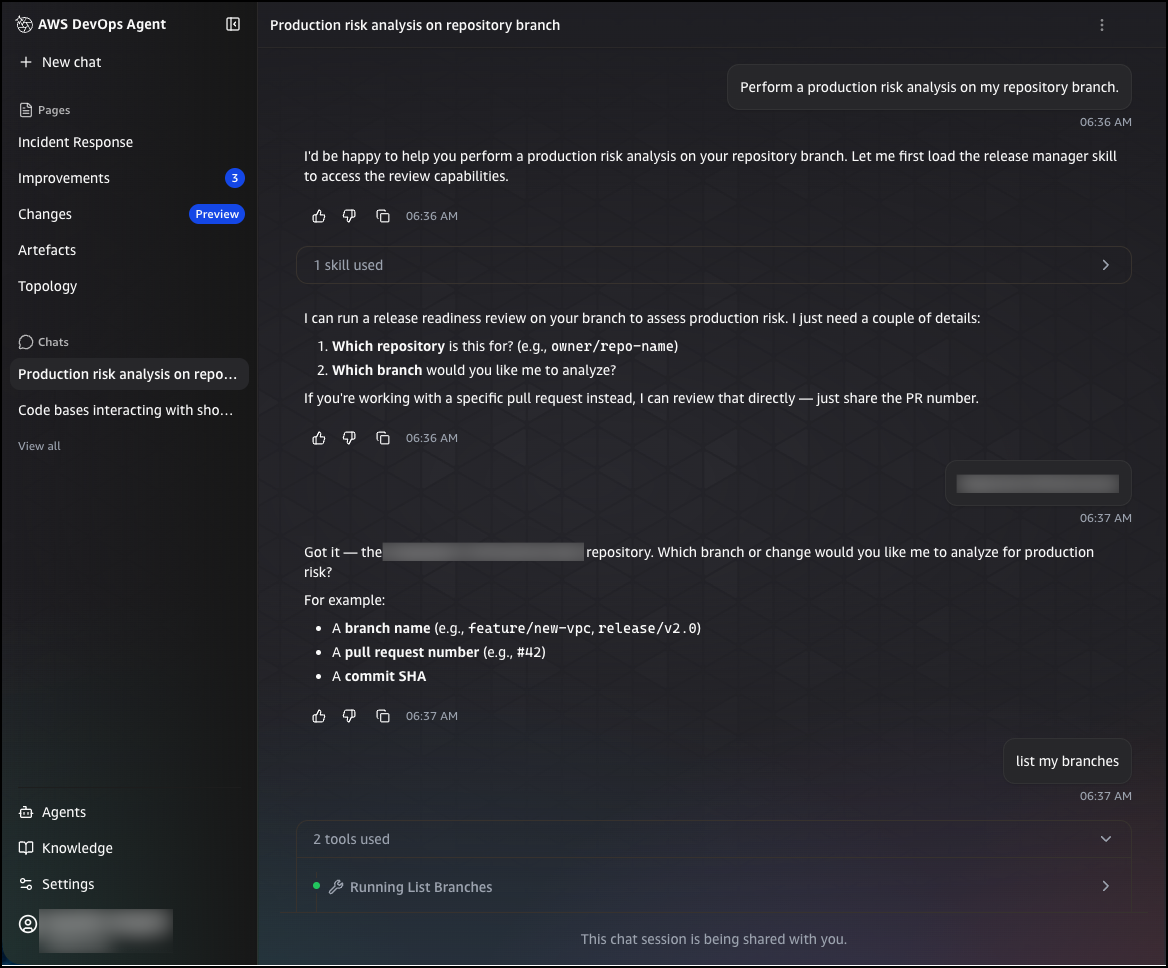
- Execute: Trigger reviews either automatically via pull requests or on-demand through the chat interface. A command like, "Perform a production risk analysis on my branch," initiates the agent’s reasoning process.
- Review and Remediate: Examine the findings in the console. The agent provides a detailed "Timeline" of its reasoning, the specific risks identified, and, crucially, the exact code changes required to resolve them.
Conclusion: The Path Forward
The release management capabilities of the AWS DevOps Agent represent more than just a new set of tools; they represent the maturation of the AI-driven software development lifecycle. By automating the most tedious and error-prone parts of the release process, AWS is enabling organizations to move faster while simultaneously increasing the safety and reliability of their production environments.
As we look toward the future, the integration of autonomous agents into the DevOps pipeline will likely become the standard for any organization operating at scale. The question for engineering leaders is no longer whether they will adopt such technology, but how quickly they can curate their internal standards to ensure their agents are as effective as possible.
For those eager to explore this, the preview is now live. By leveraging the power of the AWS DevOps Agent, developers can spend less time navigating the complexities of release gates and more time building the innovations that drive their business forward.
For further technical configuration and detailed walkthroughs, refer to the AWS DevOps Agent User Guide.
 Neng Nana
  Suro Senen
  Lina Hope