
 By Lina Hope
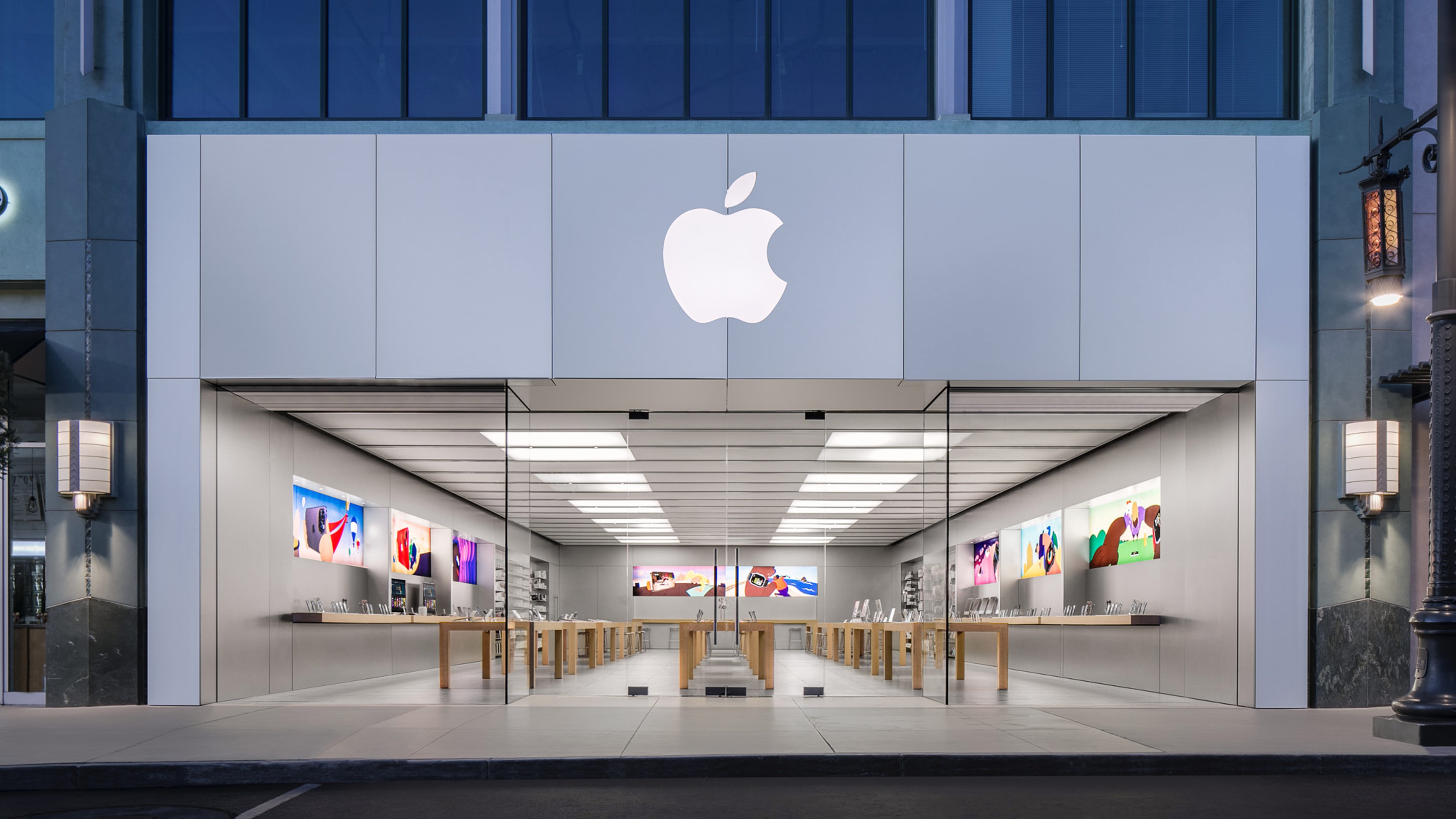
CUPERTINO, CA – Apple, a company synonymous with innovation and, increasingly, with a strong public stance on user privacy, finds itself at the center of a new discussion regarding its internal operations. Recent reports indicate that the tech giant is piloting an artificial intelligence (AI) powered system, dubbed "Live Notes," at its Genius Bar service centers. This system is designed to record and summarize customer interactions, a move intended to streamline service and improve record-keeping, but which has simultaneously ignited significant privacy and surveillance concerns among its retail employees.
The revelation, initially brought to light by prominent Apple insider Mark Gurman of Bloomberg, describes "Live Notes" as a time-saving tool for Genius Bar staff. The AI system would transcribe conversations between customers and employees, subsequently generating concise summaries that are stored within the repair record associated with each service appointment. While Apple states that participation requires explicit consent from both the customer and the employee, the initiative has nonetheless prompted a wave of apprehension within the company’s retail workforce, raising questions about data usage, employee performance monitoring, and the evolving nature of privacy in an AI-driven workplace.
The Genesis of "Live Notes": An AI Solution for Customer Service Efficiency
Apple’s exploration of AI in customer service is not an isolated phenomenon but rather a reflection of a broader industry trend. Many companies are leveraging AI for tasks ranging from chatbot interactions to sophisticated data analytics aimed at enhancing user experience and operational efficiency. For Apple, the Genius Bar represents a critical touchpoint, where highly trained staff diagnose and repair a myriad of issues across its vast product ecosystem. The inherent complexity and variability of these interactions make them ripe for technological intervention, particularly in the realm of documentation.
The core idea behind "Live Notes" is deceptively simple: to automate the note-taking process that traditionally falls to human employees. Currently, Genius Bar staff must manually log details of customer complaints, diagnostic procedures, and proposed solutions. This can be time-consuming, prone to human error, and may divert the employee’s attention from the customer during critical parts of the interaction. By offloading transcription and summarization to an AI, Apple aims to free up its employees to focus more intently on problem-solving and direct customer engagement, theoretically leading to a more efficient and satisfying service experience. The resulting AI-generated summaries are intended to create a more comprehensive and standardized record for each repair, potentially aiding in future service calls or tracking recurring issues.
Chronology of a Controversial Rollout
The concept of using AI to monitor and document in-person customer interactions has likely been under consideration by Apple for some time, aligning with the company’s aggressive push into artificial intelligence capabilities across its product lines and internal operations.
The public first became aware of "Live Notes" through a detailed report from Mark Gurman. Gurman’s reporting, often prescient regarding Apple’s internal workings, detailed the pilot program and its stated objectives. While a precise launch date for the pilot across all participating stores remains undisclosed, discussions on employee forums suggest that the system has already been implemented in at least some Genius Bar locations. A Reddit thread specifically for Apple Store employees explicitly mentioned "Live Notes" being active, indicating a real-world rollout rather than just theoretical development.

Initial employee reactions, as evidenced by these internal discussions, have been mixed but lean heavily towards caution and concern. While some employees acknowledge the potential for "Live Notes" to simplify administrative tasks, a dominant sentiment revolves around anxiety over how the data might ultimately be used. This immediate, grassroots pushback underscores the delicate balance companies must strike when introducing new technologies that impact employee privacy and autonomy. Apple’s subsequent, albeit limited, clarifications regarding data retention policies appear to be a direct response to these burgeoning concerns, attempting to pre-empt a larger internal or public relations issue. The chronology, therefore, reflects a rapid progression from internal pilot to public disclosure, followed by reactive corporate messaging aimed at mitigating employee unease.
Supporting Data: The Broader Landscape of Workplace AI and Privacy
The "Live Notes" initiative does not exist in a vacuum. It is part of a much larger global trend where artificial intelligence is increasingly integrated into workplace monitoring and productivity tools. Companies across various sectors are deploying AI to track employee activity, analyze communications, and even assess performance. This trend has been accelerated by the shift towards remote work and the pursuit of data-driven decision-making.
For instance, AI-powered tools are routinely used in call centers to transcribe customer calls, perform sentiment analysis, and provide agents with real-time coaching. Sales teams often use similar technologies to analyze client interactions and refine pitches. While these applications are common in remote or phone-based customer service, their deployment in face-to-face retail environments like Apple’s Genius Bar introduces unique considerations, particularly regarding the perceived intimacy and trust inherent in personal interactions.
Employee sentiment, as captured in the aforementioned Reddit thread, offers critical "supporting data" on the ground-level impact. One employee articulated a common dilemma: "If this is used to protect our team members against ‘he said she said’. Great. If this is used to coach team members, then no I hate it." This statement highlights a fundamental tension: the potential for AI as a protective tool versus its perceived threat as a surveillance mechanism. The "he said she said" scenario refers to instances where clear documentation could resolve disputes between a customer and an employee, or even between an employee and management. However, the fear of "coaching" implies that transcripts or summaries could be used to scrutinize an employee’s conversational style, adherence to scripts, or overall demeanor, potentially impacting performance reviews, promotions, or even job security. Another employee’s defiant comment, "I won’t change how I do anything, if they fire me for it, fantastic," further illustrates the depth of distrust and resignation among some staff members.
Public opinion on data privacy also forms a crucial piece of supporting data. Consumers globally are growing increasingly wary of how their personal data is collected, stored, and used. High-profile data breaches and revelations about widespread surveillance have eroded public trust. Even with explicit opt-in mechanisms, the very act of recording a conversation for AI processing can trigger privacy alarms for customers, regardless of the stated purpose. Apple, a company that has strategically positioned itself as a champion of user privacy, faces heightened scrutiny when its internal practices appear to contradict this public image.
Moreover, the "Live Notes" pilot touches upon the burgeoning field of "algorithmic management" – the use of algorithms and AI to manage workforces. While proponents argue it leads to fairer, more objective assessments, critics contend it can dehumanize work, increase stress, and lead to biased outcomes if algorithms are not carefully designed and monitored. The very notion of an AI system observing and summarizing an employee’s interaction raises questions about the future of human judgment and empathy in customer service roles. Will employees feel pressured to perform for the AI, rather than genuinely connect with the customer? This psychological impact, while harder to quantify, is a significant piece of the puzzle.

Official Responses and Apple’s Privacy Stance
In response to the growing concerns, Apple has provided initial clarifications regarding the operation of "Live Notes." The company has emphasized that participation in the pilot program is strictly voluntary, requiring explicit consent from both the customer and the Genius Bar employee for each interaction. This opt-in mechanism is a crucial safeguard, distinguishing it from covert recording practices.
More importantly, Apple has reportedly indicated that the actual audio recordings of the conversations will "won’t be saved," and crucially, "managers don’t receive the transcripts." This statement is intended to directly address the primary anxieties voiced by employees regarding surveillance and performance reviews. If true, it suggests that the AI processes the audio in real-time or near real-time, generates a summary, and then discards the raw audio data. The summaries, rather than verbatim transcripts, are what would be integrated into the repair record. This distinction is vital: a summary is an interpretation, whereas a transcript is a direct record, holding far more potential for granular analysis of an employee’s conduct.
Apple’s history of championing privacy, often contrasted with its competitors, makes its handling of this situation particularly scrutinized. The company frequently highlights its commitment to user data protection, end-to-end encryption, and on-device processing to minimize data transmission to its servers. The "Live Notes" program, therefore, presents a test of this commitment within its own retail operations. If the company adheres strictly to its stated policies – no saving of raw audio, no manager access to full transcripts – it could potentially alleviate some fears. However, the inherent distrust stemming from general workplace surveillance trends and the potential for future policy changes remains a significant hurdle to overcome.
Regulatory bodies globally are also increasingly focused on data privacy and AI ethics. Laws like the General Data Protection Regulation (GDPR) in Europe and the California Consumer Privacy Act (CCPA) in the United States impose strict requirements on how personal data is collected, processed, and stored. While the "Live Notes" pilot primarily concerns internal operations, customer consent and the handling of sensitive repair information fall squarely within these regulatory frameworks. Apple would need to ensure its program is fully compliant, especially if it were to expand beyond a pilot phase. Any deviation from its stated privacy commitments could attract legal and reputational repercussions.
Implications: A Glimpse into the Future of Retail and Workplace Dynamics
The "Live Notes" pilot, regardless of its ultimate outcome, carries significant implications for Apple, its employees, its customers, and the broader landscape of retail and workplace technology.
For Apple:
The most immediate implication for Apple is the delicate balance between innovation, efficiency, and maintaining its brand reputation as a privacy advocate. If "Live Notes" proves genuinely effective in streamlining Genius Bar operations and improving service quality without alienating employees or customers, it could set a new standard for in-person retail support. However, if the concerns about surveillance and privacy persist, or if there are any perceived breaches of its stated data handling policies, Apple risks damaging its carefully cultivated image. The company must navigate this carefully, ensuring that technological advancement doesn’t come at the expense of trust. Furthermore, successfully implementing such a system could offer Apple a competitive edge in customer service, allowing for more consistent and data-informed support across its global retail footprint. It could also provide valuable data for product development by identifying common failure points or user difficulties.
For Employees:
For Genius Bar employees, "Live Notes" represents a potential paradigm shift in their work environment. While the promise of reduced administrative burden is appealing, the specter of algorithmic management looms large. Even if managers don’t directly access transcripts, the knowledge that an AI is analyzing their conversations could induce stress, alter their natural communication style, and foster an environment of self-censorship. This could erode job satisfaction and trust between staff and management. The pilot raises fundamental questions about the future of human roles in customer service: Will AI eventually diminish the need for human intuition and empathy, or will it simply augment human capabilities, allowing employees to focus on more complex, emotionally intelligent aspects of their job? The outcome of this pilot could influence how Apple retains and motivates its highly specialized retail workforce.
For Customers:
Customers will face a choice: opt-in to a potentially more efficient service experience, or decline and stick to traditional human note-taking. While the convenience might appeal to some, others may be deeply uncomfortable with the idea of their conversations, even if summarized by AI and not saved as audio, being digitally processed. This could lead to a less personal, more transactional feel at the Genius Bar, potentially undermining the premium, personalized service experience Apple strives to deliver. The transparency of the opt-in process will be crucial in shaping customer perception. If customers feel pressured to opt-in, or if the process is unclear, it could lead to resentment.
Broader Societal Implications:
On a wider scale, Apple’s "Live Notes" pilot contributes to the ongoing global dialogue about AI ethics, workplace surveillance, and the evolving definition of privacy in a digitally saturated world. As AI becomes more sophisticated and ubiquitous, the lines between personal space, professional conduct, and data collection continue to blur. The lessons learned from Apple’s experience—both successes and failures—will undoubtedly inform how other companies approach AI integration in their physical retail environments and how regulators might respond to these new technological frontiers. It forces a critical examination of who benefits from such innovations, and at what cost to individual autonomy and privacy. The debate surrounding "Live Notes" is not just about a specific Apple policy; it is a microcosm of the larger societal challenge of integrating powerful AI technologies responsibly and ethically into our daily lives and workplaces.
Ultimately, the success and acceptance of "Live Notes" will hinge not just on its technological prowess, but on Apple’s ability to build and maintain trust with its employees and customers. Transparency, robust privacy safeguards, and a genuine commitment to addressing employee concerns will be paramount as this pilot program progresses and potentially shapes the future of retail customer service.
 Evan Lee Salim
  Nana
Nana  Ammar Sabilarrohman