
 By Lina Irawan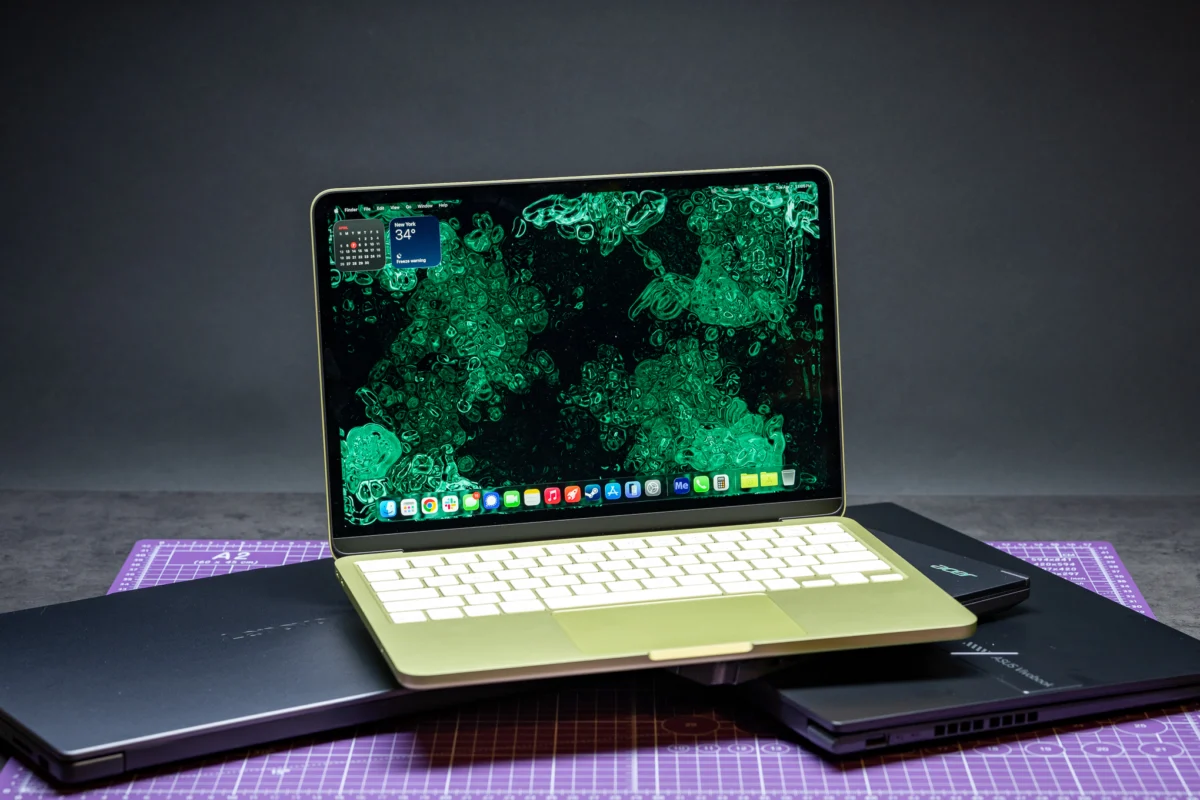
By Stevie Bonifield
Updated July 22, 2026
In a landscape where the boundaries between mobile and desktop computing continue to blur, Apple is signaling a significant pivot in its hardware strategy. Following the breakout success of the MacBook Neo—a device that effectively redefined Apple’s entry-level strategy—the tech giant is reportedly preparing a comprehensive refresh. According to the latest intelligence from Bloomberg’s Mark Gurman, this update will not merely be a minor internal spec bump; it represents a strategic evolution in performance, memory architecture, and pricing for the company’s most accessible laptop.
Beyond the Neo, Apple is setting the stage for a display technology overhaul, with long-awaited OLED panels finally slated for its premium computing lineup. As the company navigates global component shortages and shifting consumer demands, these upcoming releases paint a picture of a company aggressively pushing the limits of its silicon while recalibrating its position in the premium laptop market.
Main Facts: The Evolution of the MacBook Neo
The MacBook Neo, which captured the market’s attention with its aggressive pricing and mobile-first architecture, is entering its second generation. The most critical upgrade, according to internal sources, is the transition to the A19 Pro processor.
The Silicon Leap
Currently, the inaugural MacBook Neo relies on the A18 Pro chip, a processor originally debuted in the iPhone 16 Pro. The move to the A19 Pro—the same powerhouse currently driving the iPhone 17 Pro, Pro Max, and the ultra-slim iPhone Air—is a significant leap in architectural efficiency. By utilizing the latest iteration of its 3nm process, Apple is expected to deliver substantial improvements in both single-core speed and energy efficiency.
Memory Bottlenecks Resolved
Perhaps more important than the raw speed of the A19 Pro is the memory configuration. Reports indicate that the new Neo will likely jump from the current 8GB of unified memory to 12GB of RAM. This shift is largely a reaction to the rising demands of on-device AI workloads and the increasingly memory-intensive nature of macOS. For the average user, this means a smoother experience when multitasking, fewer background app refreshes, and better longevity for the device’s software lifecycle.
Aesthetic Refinement
While performance takes center stage, aesthetics remain a core pillar of the Apple experience. Rumors suggest that alongside the hardware internal updates, Apple is exploring a new color palette for the Neo, potentially mirroring the vibrant, modern finishes found in the current iPhone Air lineup. This suggests Apple is leaning further into the "lifestyle" branding of the Neo, positioning it as a fashion-forward tool for students and creative professionals.
Chronology: A Trajectory of Growth
To understand why the MacBook Neo refresh is so pivotal, one must look at the rapid timeline of its rise.
- Q1 2026: The MacBook Neo hits the market, challenging budget-friendly laptops from Lenovo, Acer, and Asus. It quickly becomes the "darling" of the tech press for its portability and value.
- Q2 2026: Analyst Tim Culpan reports that Apple is in high-level discussions to increase production capacity for the Neo, citing higher-than-expected demand among college students and corporate fleet buyers.
- June 2026: Apple implements a company-wide price adjustment, raising the MSRP on several flagship devices, including the iPad and various Mac configurations, citing supply chain volatility.
- July 2026 (Current): Reports surface that the Neo is receiving its first major refresh, with plans to potentially discontinue the entry-level 256GB storage tier, signaling a shift toward higher baseline configurations.
Supporting Data: The Cost of Innovation
While the news of a faster, more capable MacBook Neo is cause for celebration, the "cost" of this innovation is a point of concern for consumers.
The Pricing Dilemma
The tech industry is currently grappling with severe component shortages, particularly in the high-speed NAND flash and DRAM sectors. These shortages are not localized; they are systemic. Apple’s decision to increase prices across its ecosystem last month was a harbinger of things to come. The new MacBook Neo is expected to carry a higher starting price than its predecessor.

Industry analysts suggest that the combination of a more expensive chip (the A19 Pro) and the jump to 12GB of RAM makes it difficult for Apple to maintain the same entry-level price point. Furthermore, there is growing evidence that Apple may discontinue the 256GB storage tier entirely. By starting the new model at 512GB, Apple can justify a higher "starting" price while simplifying its supply chain logistics.
Display Technology: The OLED Transition
Data regarding display panels shows that Apple’s supply chain partners—specifically LG and Samsung Display—have significantly increased yield rates for tandem-OLED panels. This is the catalyst for the upcoming refresh of the iMac. The iMac, which has been in a state of stagnation since its 2024 refresh, is finally expected to adopt OLED, providing the deep blacks and high contrast ratios that creative professionals have demanded for years.
Official Responses and Industry Sentiment
While Apple maintains its policy of not commenting on unreleased products, the sentiment from the industry is clear: Apple is moving toward a "unified" computing experience. By moving the Mac closer to the iPhone’s hardware schedule, Apple is effectively creating a monolithic silicon ecosystem.
"The Neo is no longer just a budget laptop," says an industry analyst familiar with Apple’s supply chain. "It has become the testing ground for Apple’s most aggressive mobile-to-desktop silicon integration. When you put an A19 Pro in a laptop, you aren’t just increasing speed—you’re proving that the desktop/mobile divide is officially closed."
Conversely, there is criticism regarding the potential price hikes. Consumer advocacy groups have noted that while the hardware is becoming more capable, the barrier to entry for the "Apple experience" is steadily rising, which could alienate the very educational demographic that made the original Neo a success.
Implications: The Road Ahead
The implications of these developments extend far beyond a single laptop refresh.
1. The Death of the "Entry-Level" Compromise
If the new MacBook Neo drops the 256GB storage option and increases the base RAM to 12GB, it signals the end of the "compromise" machine. Apple appears to be moving toward a strategy where every device in the lineup provides a baseline of performance capable of handling the next generation of AI-driven macOS features.
2. The OLED Standard
With OLED coming to the iMac and rumors of touchscreen MacBooks, Apple is preparing for a design language shift. The transition to OLED is not just about better screens; it is about enabling new form factors, such as thinner chassis and potentially, foldable or convertible hardware. The late 2026 and early 2027 window will likely be remembered as the era when Apple finally caught up—and perhaps surpassed—the display standards set by the high-end Windows ultrabook market.
3. The M-Series vs. A-Series Dichotomy
The existence of an A-series powered laptop (the Neo) alongside the M-series (MacBook Pro) creates a unique market segmentation. As the A19 Pro approaches the efficiency and power of lower-tier M-series chips, the market will watch closely to see if Apple eventually merges these lines. Will the MacBook Pro eventually transition to a "Pro" version of the A-series, or will the M-series continue to hold the line for professional performance?
Conclusion
As we look toward the end of 2026, the strategy is clear: Apple is doubling down on its own silicon and premium display technology. The MacBook Neo refresh is a microcosm of the company’s broader goals. While consumers may face the reality of higher price tags, the trade-off is an increasingly powerful, efficient, and sophisticated machine that bridges the gap between the iPhone’s portability and the Mac’s utility. Whether this strategy will hold up against a price-sensitive market remains to be seen, but one thing is certain—the next few months will be among the most transformative in recent Apple history.
 Raul Delapena Setiawan
  Siti Muinah
  Asro
Asro 