
 By Muslim
MAIN FACTS
Beyerdynamic, the venerable German audio engineering powerhouse, has officially launched its latest in-ear monitor (IEM), the DT 30 IE. While overtly positioned for the demanding world of live performance and professional audio monitoring, an analysis of its robust feature set and accessible price point strongly suggests a strategic dual-market ambition, aiming to capture a significant share of the discerning consumer commuter segment. This new offering, boasting a single dynamic driver, impressive passive noise isolation, an IP54 rating for durability, and a remarkably lightweight design, stands as a compelling contender to bridge the gap between studio-grade precision and daily-driver practicality. Priced at a competitive £99 / $159, the DT 30 IE is not just another addition to Beyerdynamic’s esteemed lineup; it represents a deliberate move to offer professional-tier performance in a versatile, everyday package.
CHRONOLOGY AND CONTEXT: Beyerdynamic’s Enduring Legacy and Evolving Market Strategy
Beyerdynamic’s journey in audio excellence spans nearly a century, establishing itself as a pillar of precision German engineering since its founding in 1924. From its early innovations in microphones and loudspeakers to its iconic over-ear headphones like the DT 770, DT 880, and DT 990, the company has consistently catered to audio professionals, studio engineers, and discerning audiophiles alike. Their reputation has been built on uncompromising sound quality, robust construction, and a commitment to acoustic neutrality—though some audiophiles have historically perceived their house sound as leaning towards a brighter, more analytical treble response in certain models.
The landscape of personal audio has undergone a seismic shift in recent decades. The proliferation of portable devices, the rise of streaming services, and a growing consumer appreciation for high-fidelity sound on the go have fueled an explosive demand for in-ear monitors. Initially the exclusive domain of musicians requiring critical on-stage monitoring, IEMs have transcended their niche, becoming a popular choice for everyday listeners seeking superior sound isolation, comfort, and audio fidelity compared to traditional earbuds or even some over-ear headphones.
Beyerdynamic has not been a stranger to this evolution. Their existing DT 70 IE series, for instance, has demonstrated their capacity to deliver quality in-ear solutions, albeit with a focus on specific instrumental tunings. However, the introduction of the DT 30 IE marks a notable inflection point. Rather than merely expanding their professional line, this product signals a conscious effort to synthesize the rigorous demands of professional use with the practical needs of the everyday consumer. The timing of its release aligns with a broader industry trend where premium features once reserved for high-end or professional gear are increasingly trickling down to more affordable price points, driven by advancements in manufacturing and increased market competition. This move by Beyerdynamic positions the DT 30 IE not just as an evolution of their product line, but as a strategic response to the convergent demands of the modern audio market, seeking to leverage their pro-audio heritage to appeal to a wider audience.
SUPPORTING DATA: Engineering for Performance and Durability
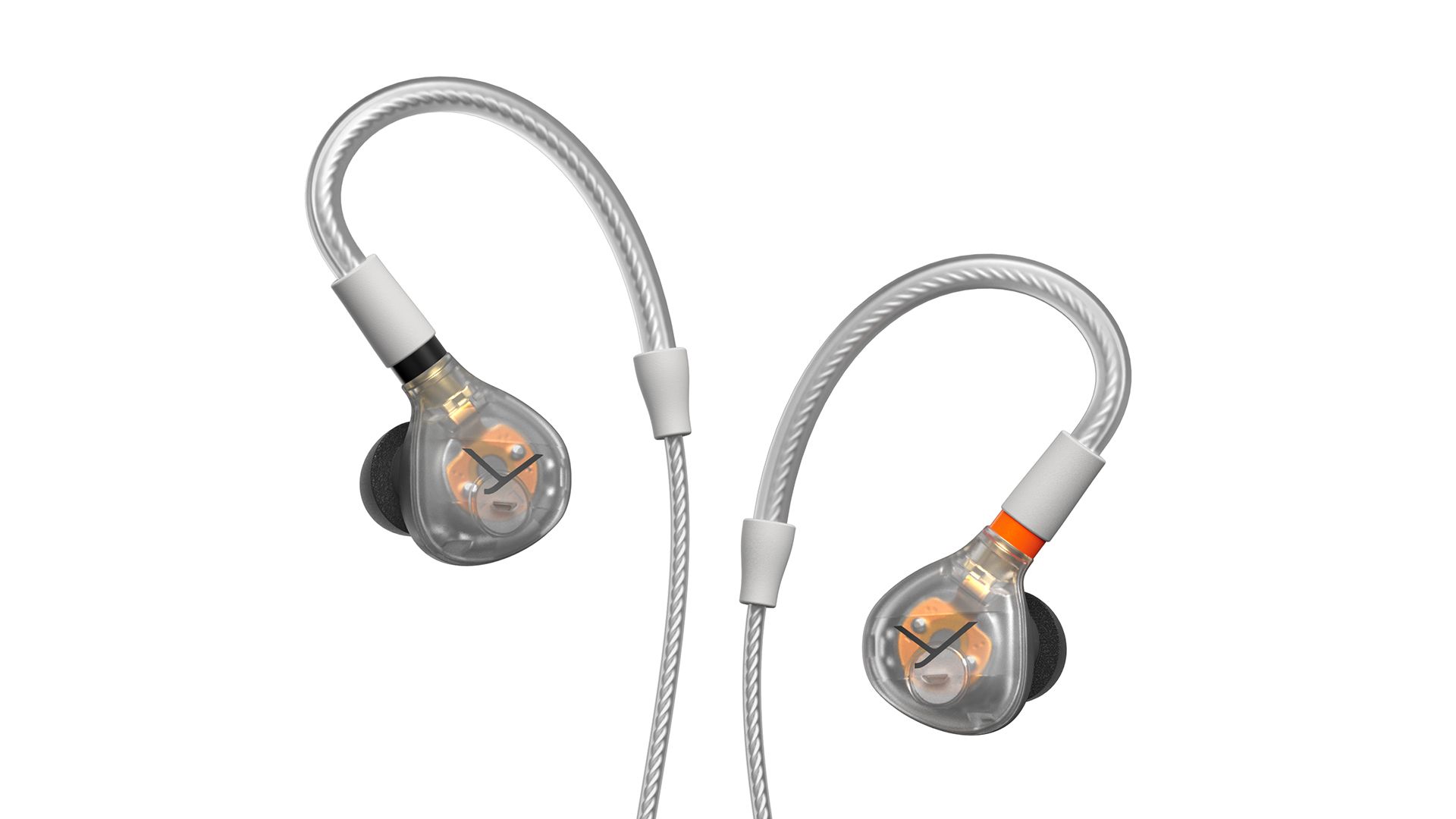
The Beyerdynamic DT 30 IE’s specifications underscore its dual-purpose design philosophy, blending critical audio performance with real-world resilience.
Single Dynamic Driver Architecture: At the core of the DT 30 IE’s acoustic design is a single dynamic driver. This choice is significant, particularly in a market often saturated with multi-driver balanced armature (BA) setups. Dynamic drivers are renowned for their ability to reproduce a wide frequency range with natural warmth and powerful bass response, often excelling in presenting a cohesive soundstage. Unlike multi-driver systems which require complex crossovers that can sometimes introduce phase issues or slight discontinuities in the frequency response, a single dynamic driver inherently offers a more unified and coherent sound presentation. For live performers, this means a reliable, full-bodied reproduction of their mix. For consumers, it translates to an engaging and natural listening experience across various music genres.
Exceptional Passive Noise Isolation (Up to 39 dB): One of the standout features of the DT 30 IE is its impressive passive noise isolation, capable of attenuating external sounds by up to 39 decibels. This level of isolation is crucial for musicians on stage, where minimizing ambient noise from instruments, amplifiers, and crowd chatter is paramount for accurate monitoring. In a consumer context, 39 dB of passive isolation transforms noisy environments into private listening sanctuaries. Imagine the cacophony of a busy subway, the drone of an airplane engine, or the chatter of a bustling office — the DT 30 IE promises to significantly reduce these distractions, allowing listeners to immerse themselves fully in their audio without resorting to excessively high volumes, thereby protecting hearing health. This passive approach also means consistent performance without the battery dependency or potential sound coloration associated with Active Noise Cancellation (ANC) technologies.
IP54 Rating for Dust and Water Splash Resistance: Durability is key for any gear subjected to the rigors of the road or the unpredictability of daily life. The DT 30 IE’s IP54 rating is a testament to its robust construction. The "IP" stands for Ingress Protection, with the first digit (5) indicating protection against dust ingress, meaning dust cannot enter in an amount sufficient to interfere with the satisfactory operation of the equipment. The second digit (4) signifies protection against water splashes from any direction. This makes the IEM highly resistant to sweat during intense workouts, light rain during a commute, or accidental splashes, significantly extending its lifespan compared to less protected alternatives. This feature is equally invaluable for a touring musician exposed to various environmental conditions and for a daily user navigating diverse urban landscapes.
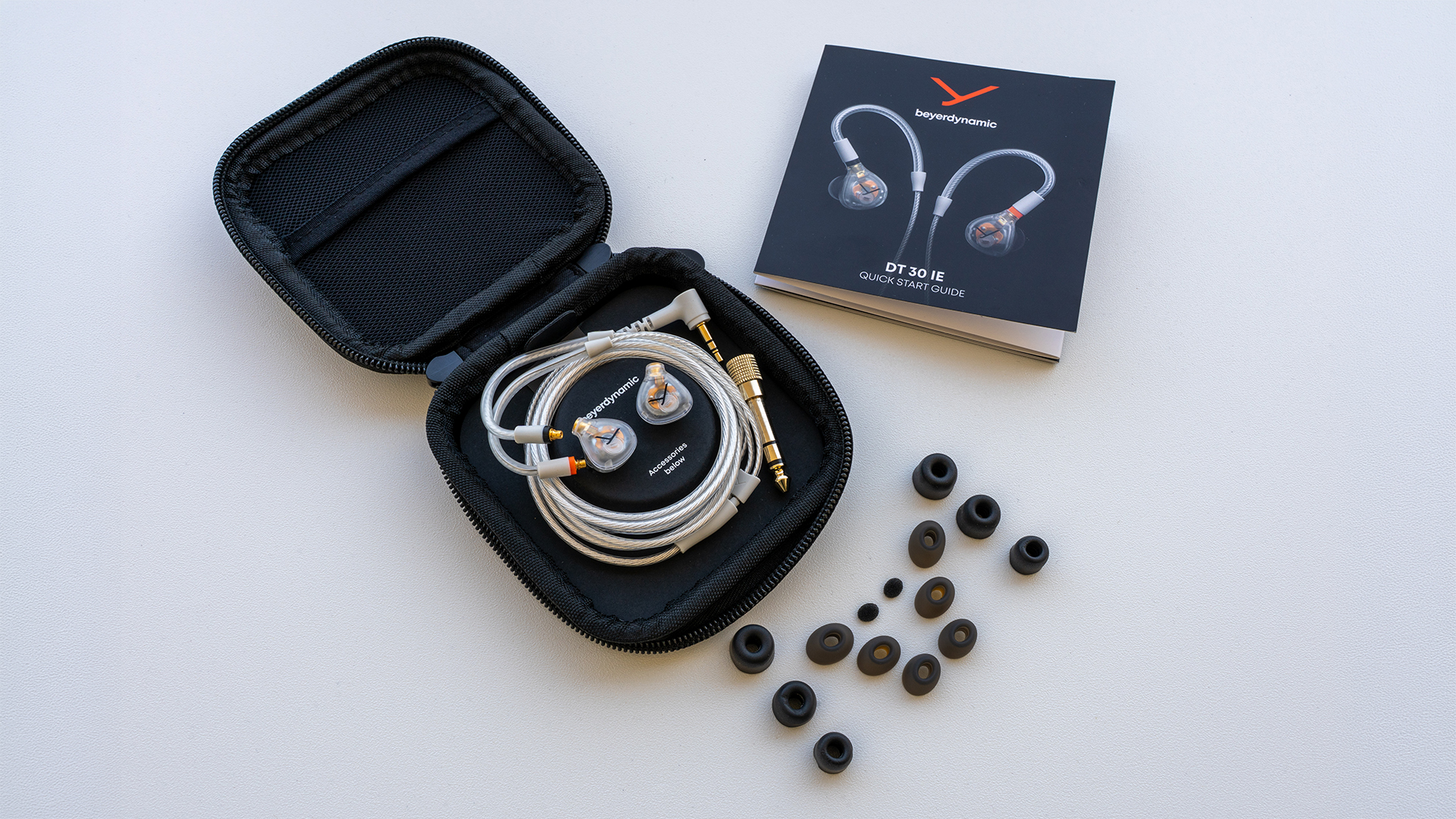
Ultra-Lightweight Design (2.7 grams): At a mere 2.7 grams, the DT 30 IE is exceptionally lightweight. This characteristic is critical for comfort during extended wear, whether it’s for a multi-hour stage performance or a long commute and workday. A lightweight design reduces ear fatigue, ensuring the IEMs remain comfortable and unobtrusive, a common pain point for many in-ear headphone users. The inclusion of various ear tip sizes and materials (though not explicitly detailed, standard for quality IEMs) will further enhance fit and seal, optimizing both comfort and the passive noise isolation capabilities.
Neutral, Balanced Sound Signature: Beyerdynamic explicitly states that the DT 30 IE targets a "neutral audio profile rather than a mid-range focus." This tuning choice is foundational for a professional monitor, where accurate reproduction of the source material is paramount without artificial coloration. A neutral sound signature allows musicians to hear their mix precisely as it is, facilitating accurate adjustments. For consumers, a balanced and neutral sound signature means music is presented faithfully, allowing the nuances of recordings to shine through as intended by the artists and producers. This contrasts with consumer-oriented headphones that often boost bass or treble for a more "exciting" but less accurate sound.
OFFICIAL RESPONSES AND MARKET IMPLICATIONS
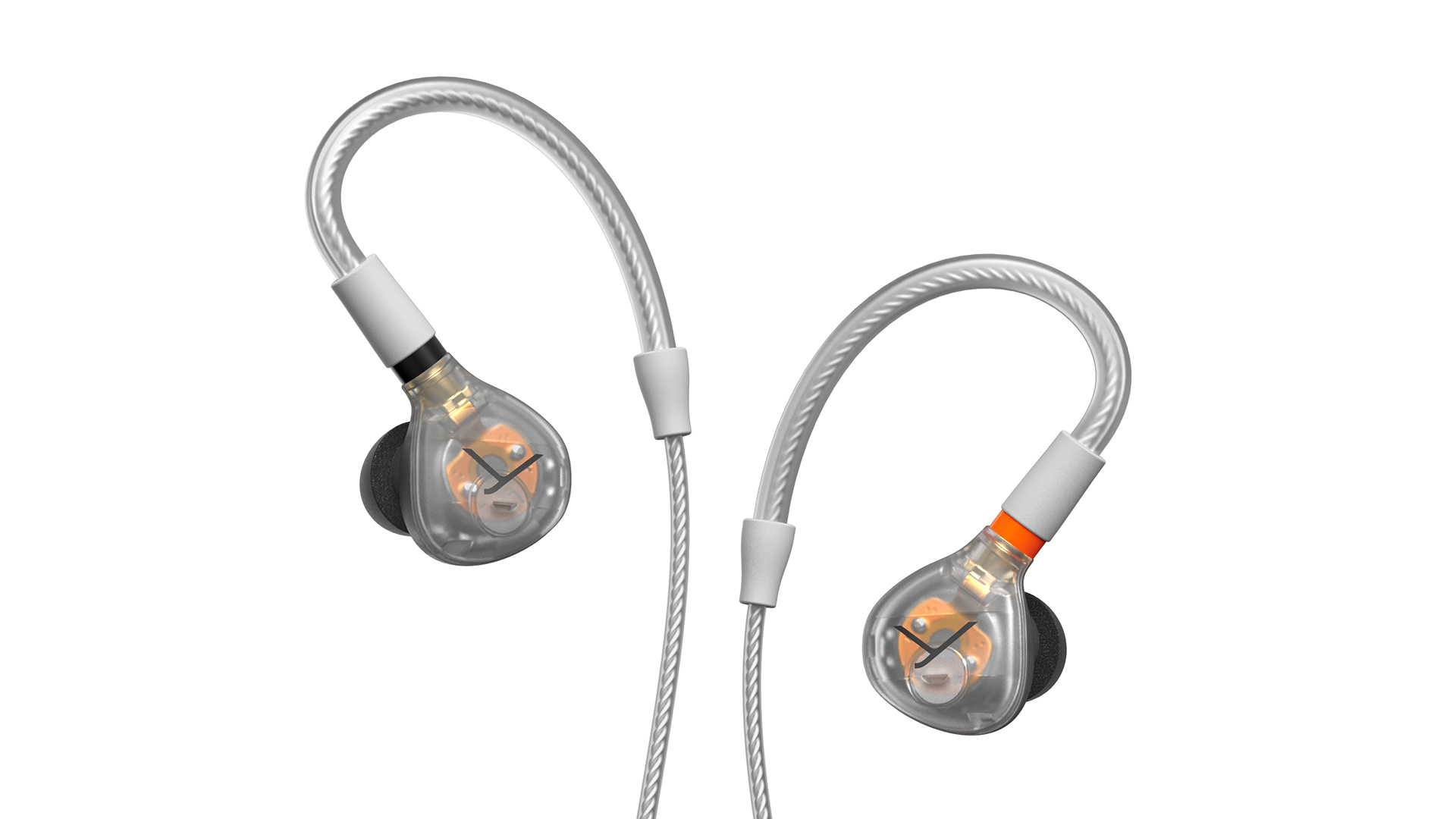
While the original article doesn’t contain direct quotes from Beyerdynamic officials, the company’s marketing materials and product positioning serve as its official "response" to market demands and its strategic intent. The clear message conveyed is that the DT 30 IE is "ostensibly made for musicians performing live," emphasizing its professional-grade attributes. However, the concurrent highlight of features like up to 39 dB passive noise isolation, an IP54 rating, and a neutral, balanced sound signature, while essential for performers, are explicitly acknowledged in the article as "incredibly useful for people who want to listen to music on the go, whether on a noisy train or in a busy gym." This dual messaging indicates a deliberate strategy to broaden the product’s appeal beyond its primary professional audience.
The statement that the DT 30 IE targets "a neutral audio profile rather than a mid-range focus" and is positioned as a "general-purpose monitor" is a significant departure from the "instrument-specific tuning found in the company’s DT 70 IE series." This shift suggests Beyerdynamic is acknowledging a wider market need for versatile, accurate audio reproduction that isn’t tailored to a specific instrument’s frequency range. Instead, they are aiming for a universally appealing sound signature that caters to critical listening across all genres and applications, both on and off the stage. This move reflects an understanding that while professionals require precise monitoring, everyday listeners are increasingly seeking that same level of accuracy and clarity in their personal audio, moving away from overly colored or bass-heavy consumer tunings.
At £99 / $159, the DT 30 IE is aggressively priced within the competitive "budget-friendly IEMs" category. This price point, combined with Beyerdynamic’s established reputation for quality, positions the DT 30 IE as a formidable challenger. It aims to offer a premium experience without the premium price tag, making professional-grade audio accessible to a wider demographic. The company is effectively stating that users no longer need to compromise on durability, isolation, or sound quality when choosing an affordable in-ear solution.
IMPLICATIONS: A New Benchmark for Versatility and Value
The Beyerdynamic DT 30 IE carries significant implications for both the professional audio market and the broader consumer audio landscape.
For Professional Musicians: The DT 30 IE provides a highly reliable, durable, and acoustically accurate monitoring tool at an accessible price. For emerging artists, gigging musicians, or even seasoned professionals seeking a robust backup, its IP54 rating, high passive isolation, and neutral sound profile make it an excellent choice. It lowers the barrier to entry for quality in-ear monitoring, potentially allowing more musicians to benefit from clearer stage mixes and improved performance.
For the Everyday Consumer: This is where the DT 30 IE’s impact could be most profound. Its features directly address many common frustrations of daily listening:
- Noise Pollution: The 39 dB passive isolation offers a sanctuary in noisy environments, a feature often sought in expensive ANC headphones, but here delivered reliably and without batteries.
- Durability Concerns: The IP54 rating provides peace of mind for active users, commuters, and those prone to accidental splashes or dust exposure, making it a truly "go-anywhere" device.
- Sound Quality Expectations: Beyerdynamic’s commitment to a neutral, balanced sound signature caters to a growing segment of consumers who prioritize accuracy and detail over artificial boosts, providing a more faithful and enjoyable rendition of their music library.
- Comfort for Extended Wear: The ultra-lightweight design ensures comfort during long commutes, workdays, or extended listening sessions, combating ear fatigue common with heavier or ill-fitting IEMs.
Competitive Landscape and Market Disruption: The DT 30 IE enters a highly saturated market. However, its unique blend of professional-grade features, Beyerdynamic’s brand prestige, and a competitive price point positions it to disrupt several segments. It directly challenges other budget-friendly IEMs by offering superior durability and isolation from a reputable pro-audio brand. It also presents a compelling alternative to True Wireless Stereo (TWS) earbuds for users who prioritize wired fidelity, passive isolation, and long-term durability over wireless convenience, especially given the common battery life and repairability issues of TWS devices. By offering a "crowd-pleasing, all-rounder IEM at an affordable price," Beyerdynamic is strategically positioning the DT 30 IE to become a benchmark for versatility and value in the sub-$200 category.
Beyerdynamic’s Brand Evolution: For Beyerdynamic, the DT 30 IE signifies a calculated expansion of their brand identity. While retaining their core commitment to professional audio, they are actively demonstrating their capability to produce consumer-friendly products that don’t compromise on their engineering principles. This could attract a new generation of users to the brand, potentially leading them to explore Beyerdynamic’s wider range of premium headphones and audio equipment in the future. The author’s personal intrigue, noting previous Beyerdynamic over-ears as "too bright" but anticipating a different tuning based on the DT 70 IE range’s frequency response, underscores this potential for a broader appeal and a refreshed "Beyerdynamic sound" in their IEM offerings.
CONCLUSION
The Beyerdynamic DT 30 IE is more than just a new in-ear monitor; it is a meticulously engineered product that encapsulates Beyerdynamic’s nearly century-long commitment to audio excellence, now distilled into a versatile and accessible package. By combining professional-grade durability, exceptional noise isolation, and a neutral sound signature with an attractive price point, Beyerdynamic has crafted an IEM that defies traditional market segmentation. Whether destined for the bustling stage or the crowded commuter train, the DT 30 IE stands ready to deliver a robust, accurate, and immersive listening experience. It represents a significant statement from Beyerdynamic: that high-fidelity audio, built to endure, should be within everyone’s reach. As the author eagerly anticipates a hands-on review, the industry watches to see if the DT 30 IE will indeed fulfill its promise as a new "everyday set" and a genuine contender for the title of the best budget IEM on the market.
 Lina Hope
  Layla Zulfa
  Lina Irawan