
 By rifanmuazin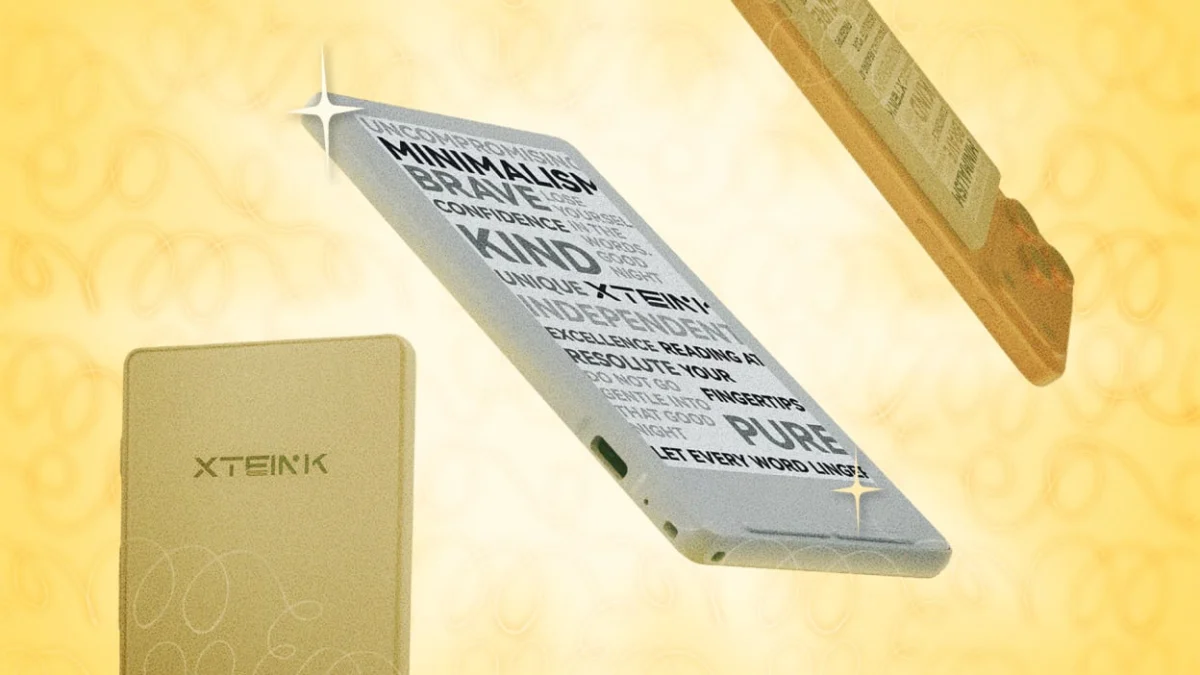
For the average reader, the e-book experience is defined by the rigid walls of Amazon’s Kindle ecosystem. While convenient, this walled garden restricts users to specific file formats and locks them into proprietary software. However, a growing cohort of digital reading enthusiasts is turning toward Xteink, a Chinese hardware manufacturer that, despite its somewhat unfortunate brand name, produces some of the most capable and portable e-readers on the market.
Whether you are using the entry-level X3, the popular X4, or the high-end X4 Pro, navigating these devices can initially feel daunting. The stock software is often clunky, and the learning curve for file management is steep. Yet, once mastered, these "wee" e-readers offer a distraction-free, highly portable experience that standard tablets simply cannot match. This guide explores the technical landscape of the Xteink ecosystem, offering actionable strategies to transform your device into a powerhouse of digital literature.
The Evolution of the Xteink Ecosystem: A Chronology
The rise of Xteink is a case study in how open-source community support can breathe new life into niche hardware.
- Early 2025: The Xteink X4 launches. Despite positive reviews regarding its physical form factor and E-ink display quality, early adopters report significant frustrations with the stock operating system, particularly regarding font rendering and file organization.
- Mid-2025: A dedicated community of developers emerges on platforms like Reddit. The consensus is that the hardware is superior to the software, leading to the first community-driven "jailbreak-free" firmware experiments.
- Late 2025: The "CrossPoint Reader" project is born. By leveraging the ESP32 processors inside the Xteink devices, developers realize they can replace the manufacturer’s firmware without risking the device’s integrity.
- Early 2026: The release of the X4 Pro introduces more advanced hardware, but software limitations remain. CrossPoint becomes the standard for power users, offering a one-click flashing tool that democratizes the modification process.
- July 2026: The ecosystem matures. With the integration of specialized Calibre plugins and cross-device synchronization via KOReader, Xteink devices transition from "hobbyist curiosities" to legitimate alternatives for serious bibliophiles.
Core Technical Challenges and Solutions
The Proprietary Format Problem (XTC)
The native software on Xteink devices struggles with standard EPUB files, frequently resulting in erratic line breaks, missing indents, and an inability to display bold or italicized text.
The community-standard solution is the XTC format. Unlike a standard text file, an XTC file operates as a series of bitmap images. While this increases file sizes—typically jumping from 2MB to 50MB—it ensures that every aspect of the original layout, including charts, stylized headers, and specific fonts, remains perfectly preserved. Users can utilize web-based conversion tools to customize page orientation and font choice before sideloading these files onto their devices.
Firmware Overhaul: The CrossPoint Revolution
If file conversion feels too cumbersome, the most effective path forward is replacing the stock firmware. Because Xteink devices utilize accessible ESP32 architecture, the CrossPoint Reader project has created a streamlined interface that offers a massive upgrade over the factory settings.
The benefits of moving to CrossPoint are tangible:
- Enhanced Typography: Greater support for custom fonts, margins, and granular line-spacing adjustments.
- Customization: Access to dozens of community "forks" that allow users to tailor their menus, shortcut keys, and UI themes to their personal preferences.
- Stability: The firmware is optimized for the specific refresh rates of Xteink E-ink screens, reducing ghosting and improving touch response times.
Optimizing the Workflow: Integrating Calibre
For power users, managing a library manually is inefficient. The integration of Calibre—the industry-standard e-book management software—is the final piece of the puzzle. By installing the custom "EPUB Workflow" plugin developed by the CrossPoint community, users can automate the optimization process.

The plugin functions as an intermediary. Before a book reaches your e-reader, the plugin strips extraneous code, repairs metadata errors, and compresses images to ensure they display optimally on the Xteink’s specific screen resolution. Furthermore, by enabling the "Connect to Calibre" function via Wi-Fi on a CrossPoint-enabled device, users can bypass USB cables entirely, treating their e-reader as a wireless network drive.
Implications for the Digital Reading Market
The shift toward platforms like Xteink and the adoption of open-source firmware like CrossPoint signal a broader desire for device ownership. When users purchase a device from a major manufacturer, they are often purchasing a lease on a service. By contrast, the Xteink community is demonstrating that hardware can remain useful long after the manufacturer has stopped providing software updates.
However, this freedom comes with caveats. The primary hurdle remains Digital Rights Management (DRM). Most commercial books sold through major retailers are encrypted. While this protects publishers, it effectively creates a "walled garden" that prevents users from migrating their legally purchased content to the hardware of their choice. Consequently, the Xteink community relies heavily on DRM-free sources, such as public domain repositories.
Recommended Sources for DRM-Free Literature
For those building a library that respects the device’s open architecture, the following sources offer high-quality, professionally typeset, DRM-free files:
- Standard Ebooks: Unlike the often-scanned files on Project Gutenberg, Standard Ebooks focuses on high-quality, modern formatting that is perfectly suited for high-resolution e-ink displays.
- Feedbooks (Public Domain Section): Offers a refined selection of classic literature with clean, metadata-rich files.
- Open Library: A project of the Internet Archive, providing access to millions of books in various formats that are frequently easier to convert for XTC usage.
Future Outlook: Syncing Across Platforms
Perhaps the most significant development in the Xteink ecosystem is the move toward cross-platform synchronization. The ability to sync reading progress—the exact page and paragraph—across an Xteink e-reader, a phone running an app like Readest, and an Android-based E-ink tablet like the Boox Palma is a game-changer.
By creating a KOsync account and utilizing the KOReader infrastructure, users are no longer tied to a single device. The technical barrier to entry is minimal: simply authenticate your account on your primary device, and your progress is saved to a central server. This interoperability represents the "holy grail" of the reading experience—the hardware becomes irrelevant, and the focus returns to the text itself.
Conclusion
The Xteink X3, X4, and X4 Pro are not for the faint of heart. They require a willingness to tinker, a basic understanding of file structures, and an interest in open-source software. However, for those who value typography, device ownership, and the ability to curate their own digital library without corporate oversight, these devices represent the current pinnacle of the hobbyist e-reader experience. By leveraging tools like CrossPoint, Calibre, and KOsync, users can transform an "unfortunate" brand into an essential tool for the modern, discerning reader.
 Layla Zulfa
  Asro
Asro  Reynand Wu