
 By Siti Muinah
In the contemporary digital landscape, the "perfect" blog often fails. Many creators obsess over the mechanics of content production: they invest in high-end SEO tools, adhere to rigid editorial calendars, and master the technical nuances of WordPress or Ghost. Yet, despite checking every box, they find their traffic plateauing and their engagement metrics stagnant.
The missing ingredient in this equation is rarely technical optimization; it is humanity. In an era dominated by AI-generated content and mass-produced listicles, the most successful digital platforms are those that cultivate a distinct, undeniable personality. This article explores the strategic importance of personal branding in blogging, examining how ten industry leaders use identity, visual storytelling, and psychological triggers to transform casual visitors into a devoted, long-term audience.
The Strategic Importance of Personality in Content Marketing
At its core, a blog is a medium for connection. While search engine algorithms prioritize relevance and authority, human readers prioritize resonance. When a reader encounters a piece of content that feels sterile, they may consume the information and move on. However, when they encounter a voice, a perspective, and a clear brand identity, they are more likely to return, subscribe, and advocate for the creator.
The following case studies demonstrate that personalization is not merely about "being yourself"—it is a strategic deployment of identity to solve a specific audience need.
1. Visual Authenticity: The YTravel Approach
Blog: YTravel
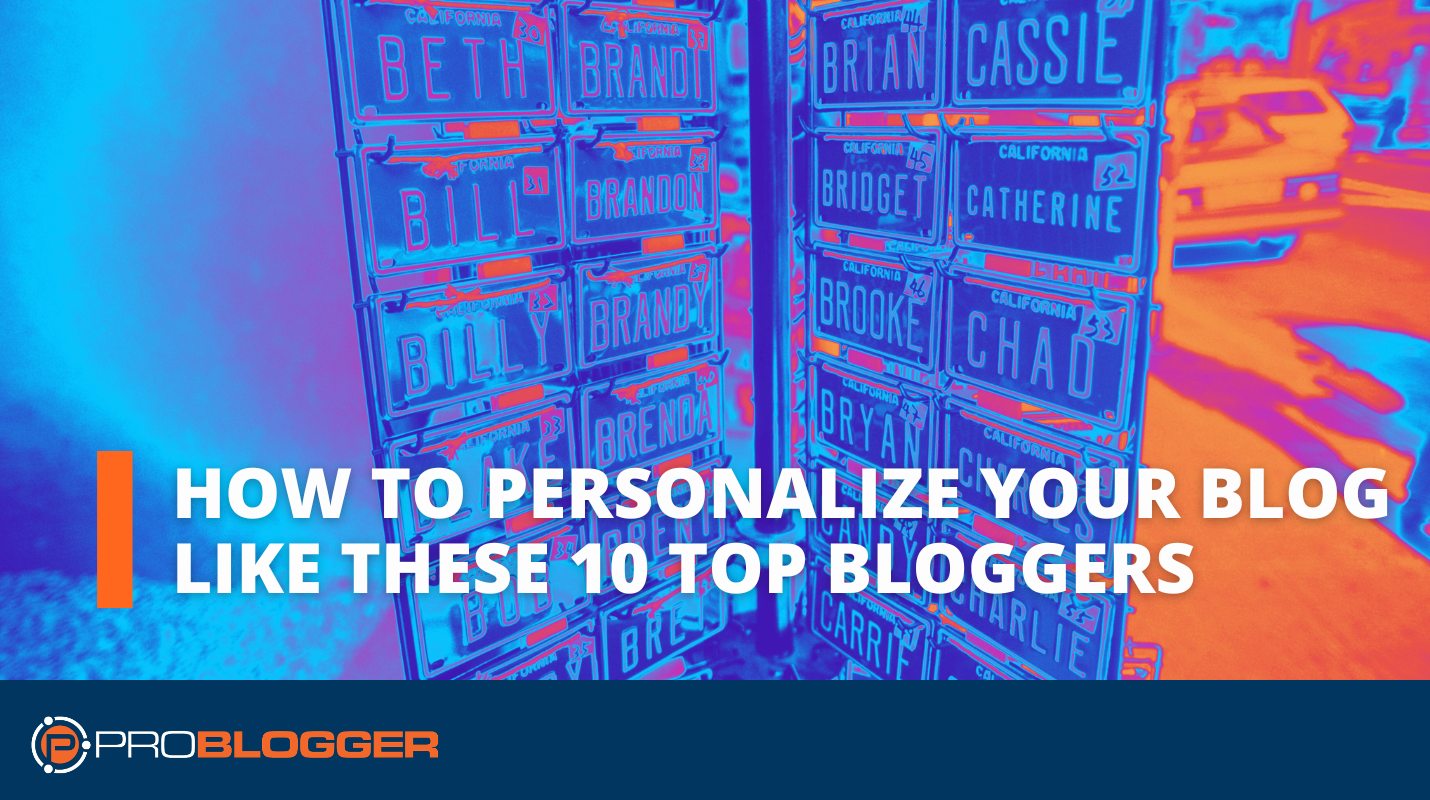
Travel blogging is a crowded, hyper-competitive vertical. To differentiate themselves, Caz and Craig Makepeace transitioned from generic travel guides to a lifestyle brand centered on family narrative.
The Strategy
The YTravel team utilizes high-quality, candid photography that captures raw emotion rather than just polished landscapes. By featuring their children in natural settings—whether during the chaos of a flight or the excitement of settling into a new home—they build trust.
Implications for Creators
The lesson here is simple: your imagery must support your narrative. If you are a lifestyle blogger, "stock-photo-perfect" images create distance. Authentic, uncurated, or personality-driven photography creates intimacy. Use photos that tell a story about your life, not just the subject matter you are writing about.
2. The Power of "Flair": Building an Identity Anchor
Blog: Smart Passive Income
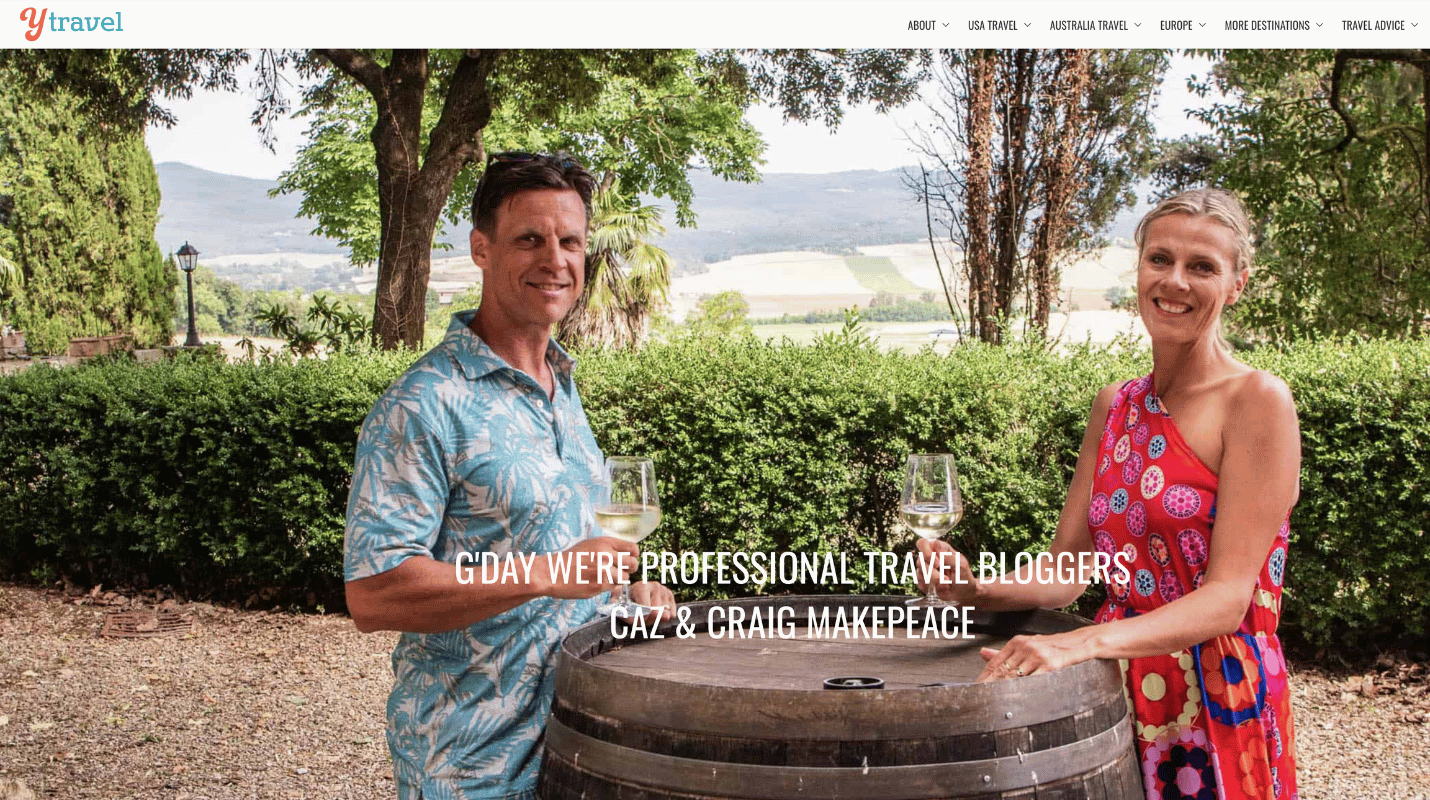
Pat Flynn has mastered the art of the "personal hero" archetype. His homepage is not just a directory of links; it is a declaration of his values and personality.
The Strategy
Flynn uses bold, high-contrast imagery of himself paired with a concise, multi-faceted bio. By identifying as a "father, husband, and serial entrepreneur," he humanizes his professional expertise. The addition of a quirky self-descriptor—"protector of Baby Yoda"—serves as a "pattern interrupt," showing readers that he does not take himself too seriously despite his massive professional success.
Lessons Learned
Your bio is your digital handshake. Don’t settle for a dry professional summary. Inject elements of your hobbies, your family life, or your sense of humor to ensure your readers see a person, not a corporate entity.
3. Radical Voice: The Polarization Strategy
Blog: Shannon Kelly White
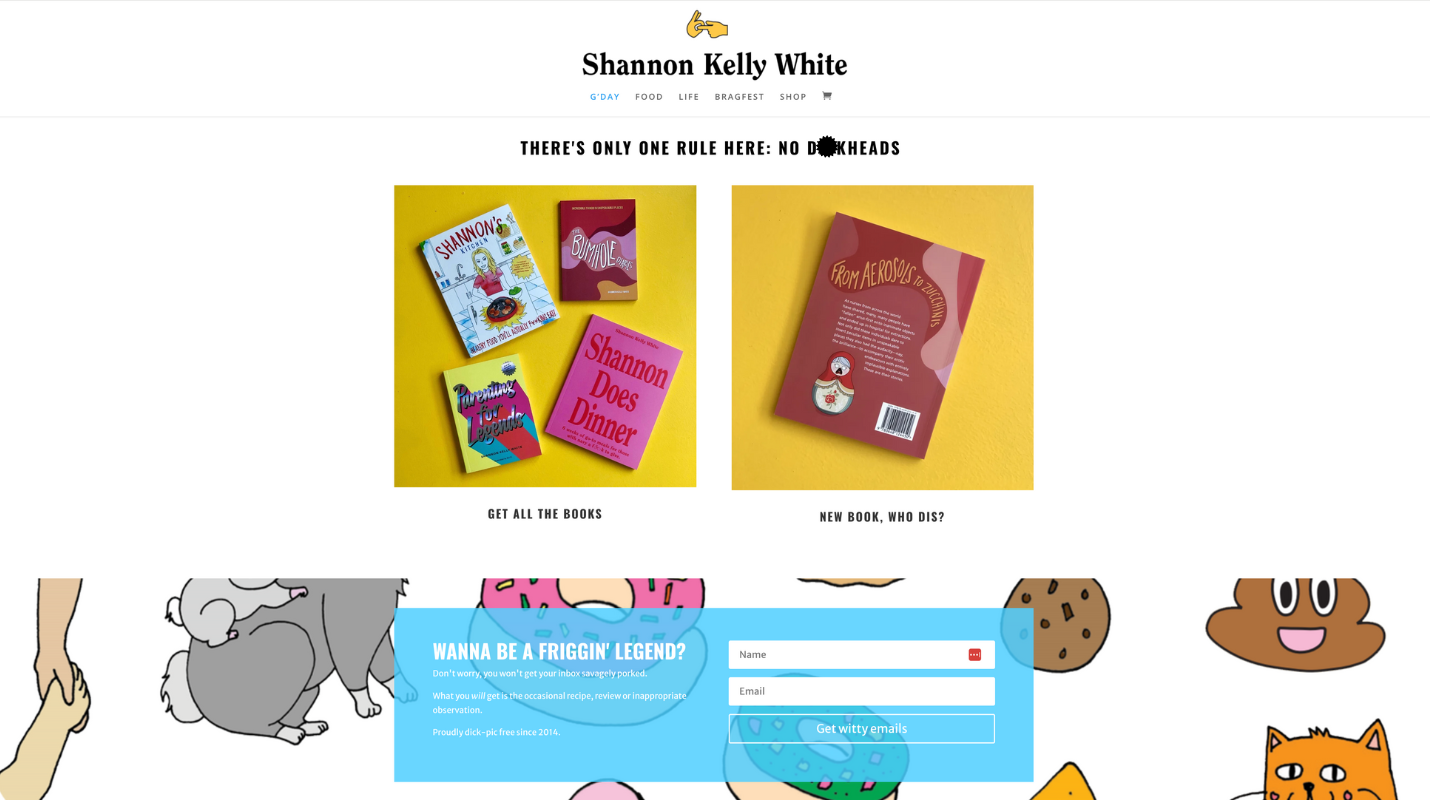
One of the most counter-intuitive ways to grow a loyal audience is to embrace the risk of alienating those who aren’t a perfect fit. Shannon Kelly White utilizes a distinct, profanity-laced tone that is immediately recognizable.
The Strategy
By choosing a specific, unfiltered voice, White creates a "filter." Those who dislike her tone will leave, but those who appreciate the authenticity will form a much deeper bond with her content. This is the bedrock of community building: you cannot be for everyone.
Implications
Consistency in voice is as important as consistency in publishing. If you are bold, be bold in every headline. If you are academic, be precise in every sentence. A strong, polarizing voice is infinitely more shareable than a lukewarm, neutral one.
4. The Iconic Avatar: Creating Brand Recall
Blog: Blog Tyrant
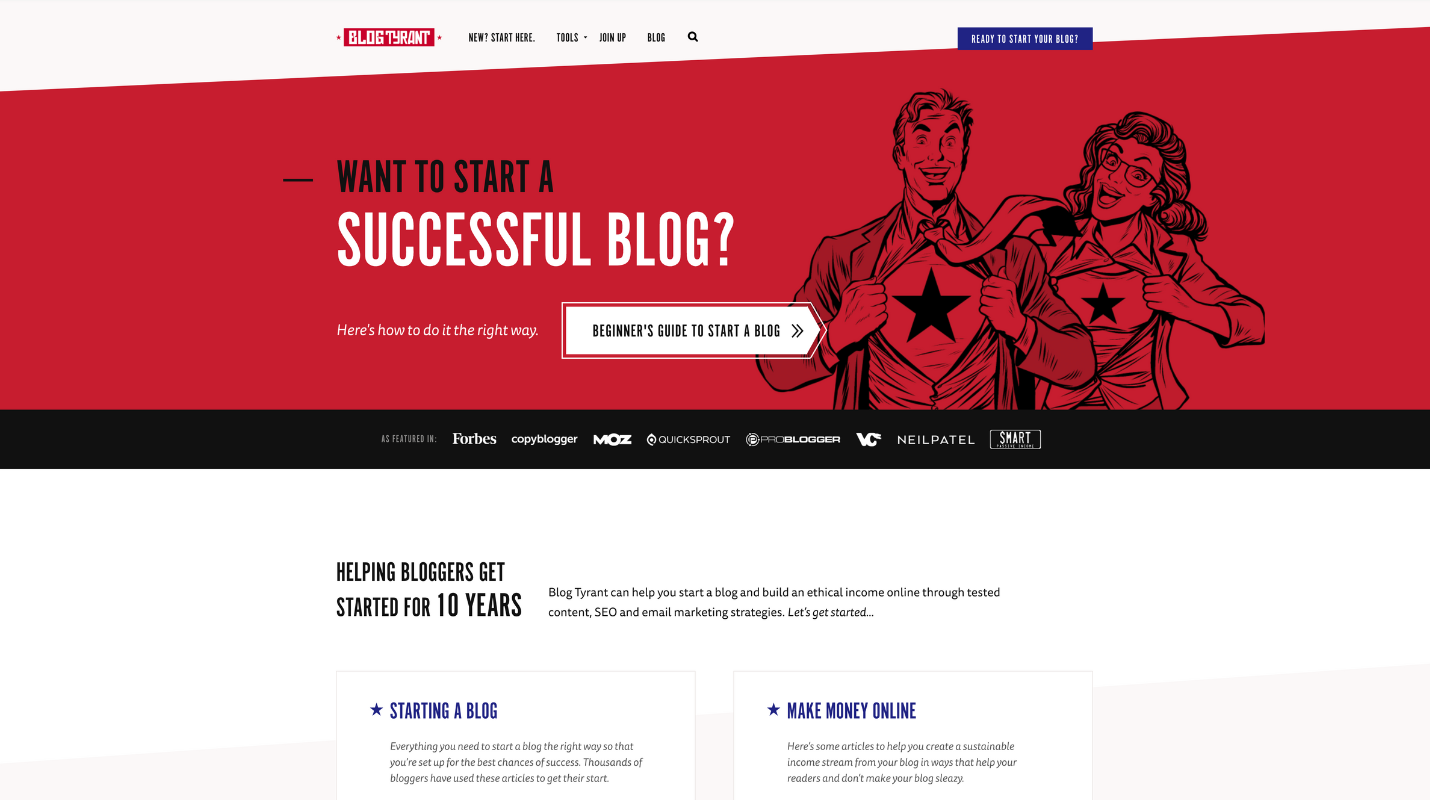
Ramsey from Blog Tyrant recognized early on that a brand is easier to remember when it has a mascot.
The Strategy
By commissioning a custom illustration of a red-shirted superhero, he created a visual shorthand for his brand. This character appears on his site, in his newsletters, and even on his free downloadable reports.
Why It Works
Human beings are wired for pattern recognition. By using an avatar, he ensures that even if a reader only sees his content in a sidebar or a social media thumbnail, they immediately know the source. It transforms a generic blog into a proprietary property.
5. The "About" Page as a Sales Funnel
Blog: A Beautiful Mess
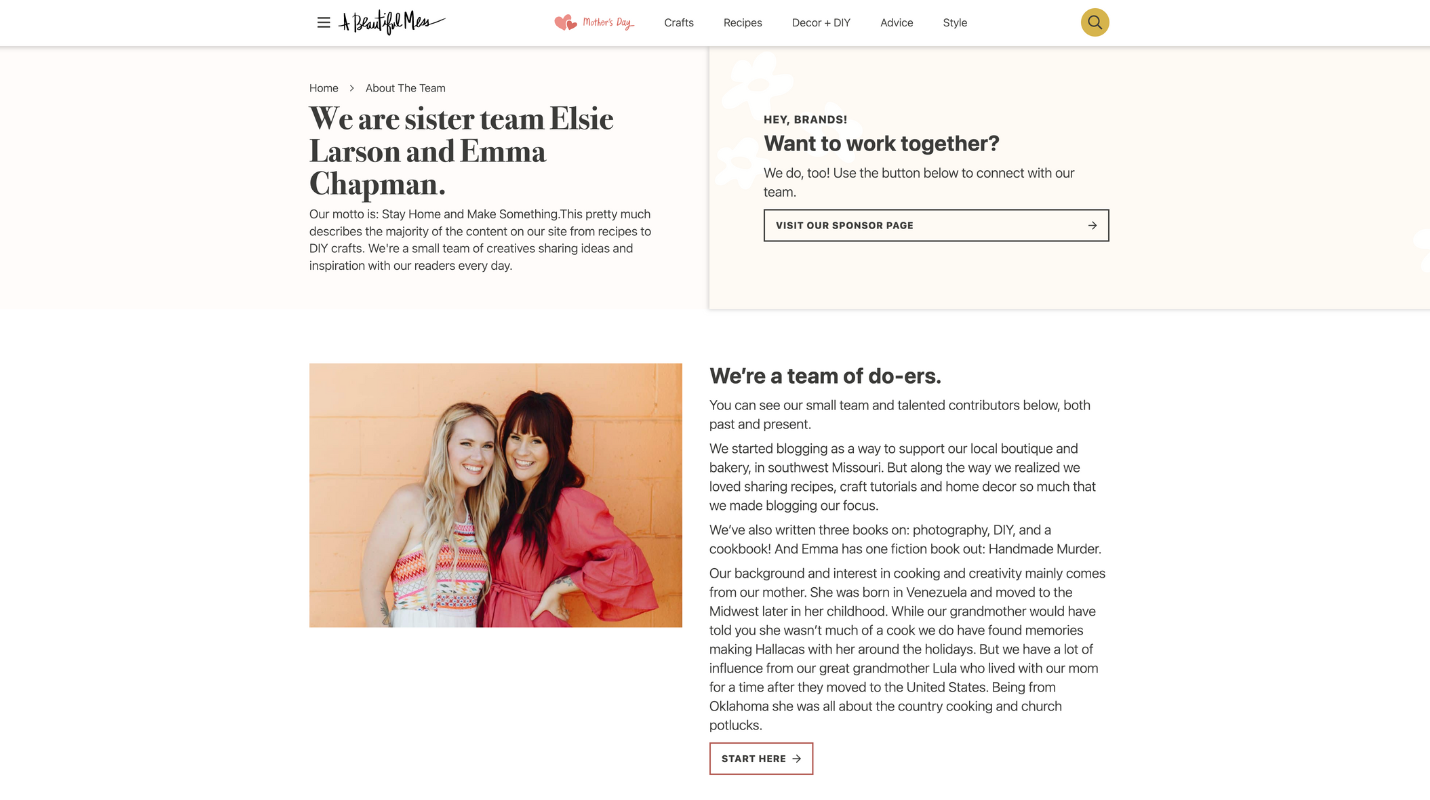
Sisters Elsie and Emma understand that the "About" page is often the second or third most visited page on a site. It is where a reader decides, "Do I like these people enough to invest my time in them?"
The Strategy
Instead of a dry biography, they use vibrant, high-energy imagery and a narrative style that emphasizes their dynamic as sisters. They make the reader feel like a guest in their home rather than a customer in a store.
Key Takeaway
Your "About" page should not be a resume. It should be a narrative bridge that explains why your mission matters to the reader. Use this space to showcase your personality and your "why."
6. Multi-Platform Cohesion: The Chris Ducker Model
Blog: Chris Ducker
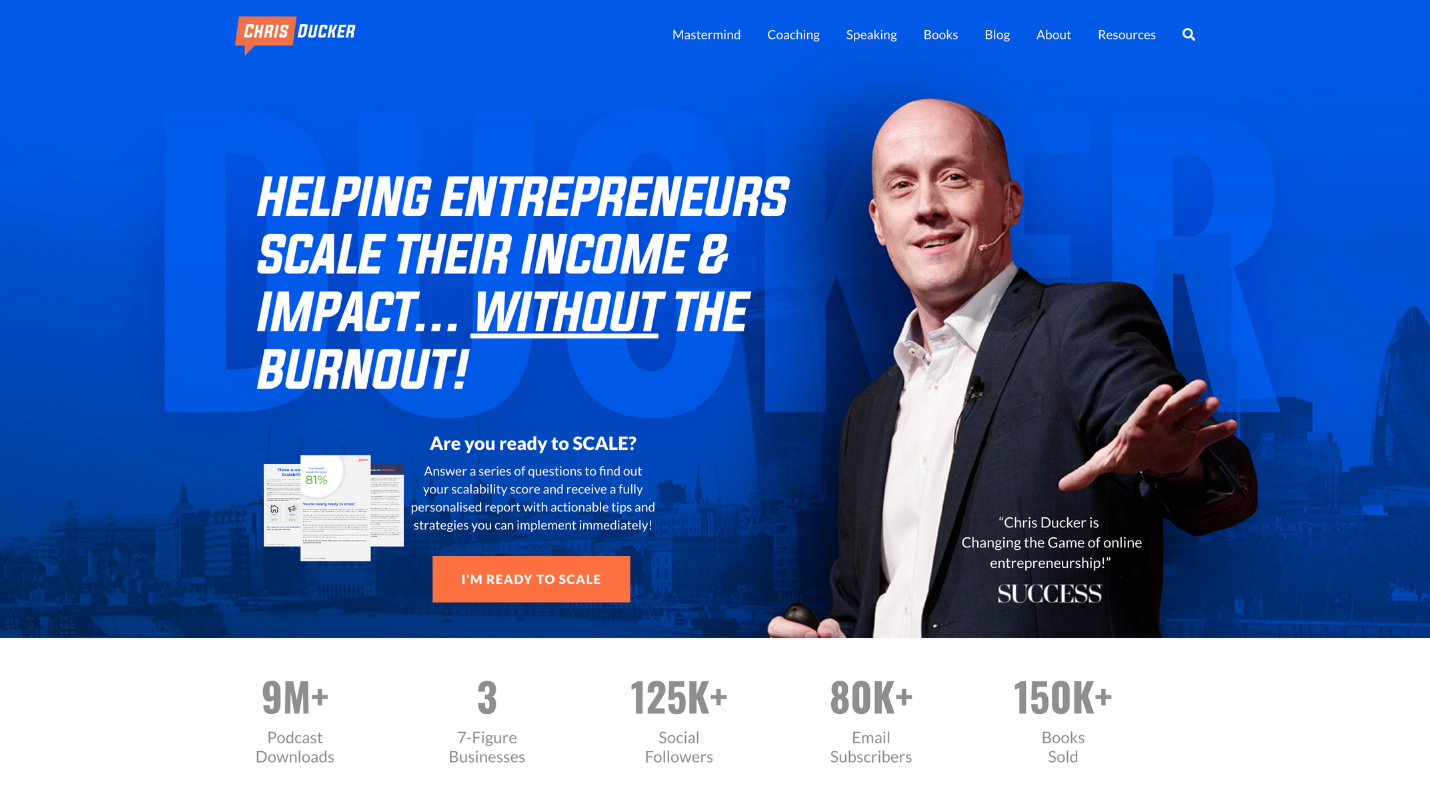
Consistency is the silent killer of many budding brands. Chris Ducker, a veteran in the business coaching space, maintains a uniform visual identity across all touchpoints.
The Strategy
From his Twitter and LinkedIn profiles to his blog headers and email signatures, Ducker uses the same professional, approachable headshot. This creates a "familiar face" effect. When a reader clicks from a social media post to his blog, there is no cognitive dissonance; the brand experience is seamless.
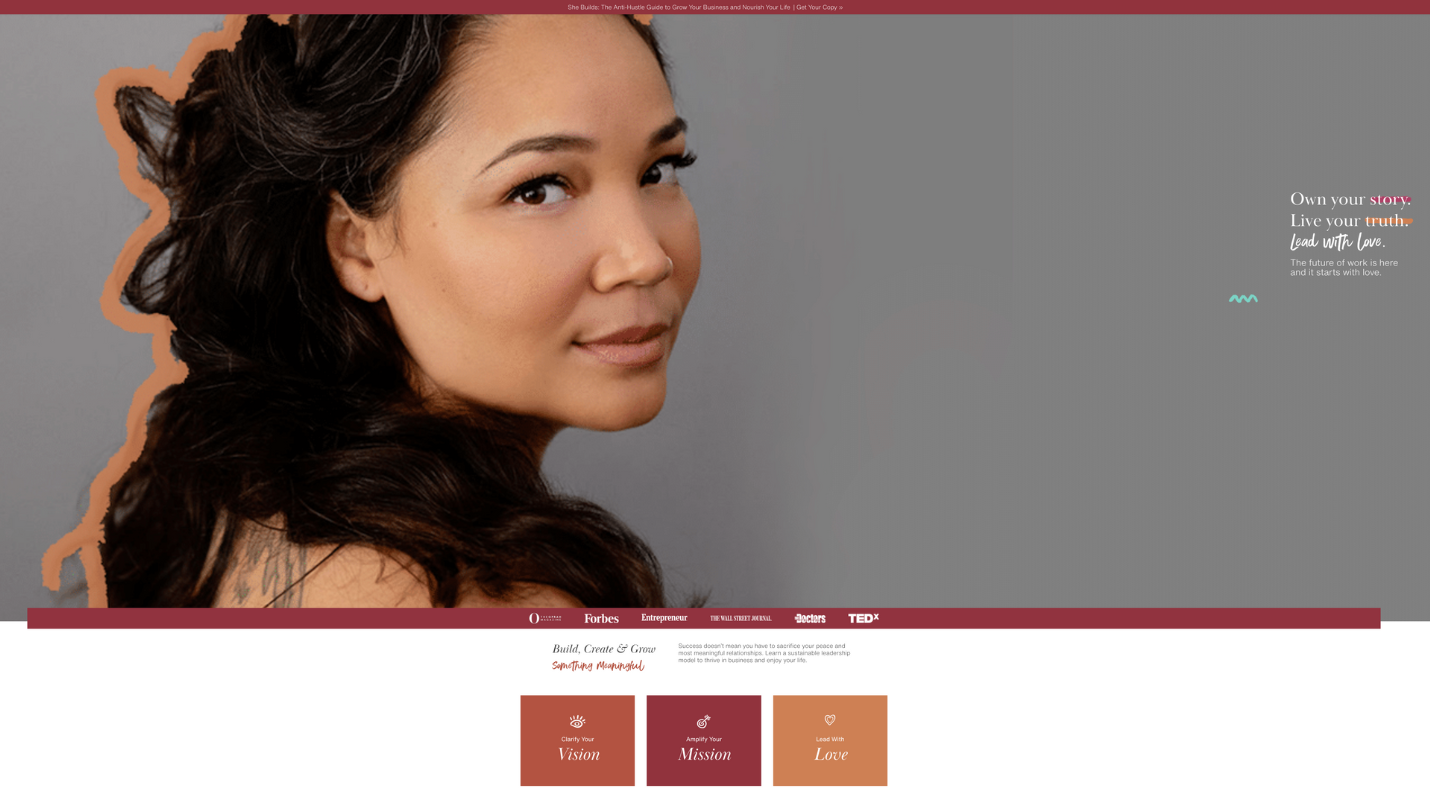
7. Color Psychology and Brand Design
Blog: Jadah Sellner
Jadah Sellner uses color as a psychological cue to invite readers into her world.
The Strategy
By aligning the color palette of her website with the tones of her personal clothing and imagery, she creates a cohesive sensory experience. Her site feels like a curated extension of her persona—warm, earthy, and grounded.
Lessons for the Creator
Design is not just for aesthetics; it is for emotional signaling. Choose a color palette that reflects your personality and ensure your content assets (images, buttons, backgrounds) adhere to it strictly.
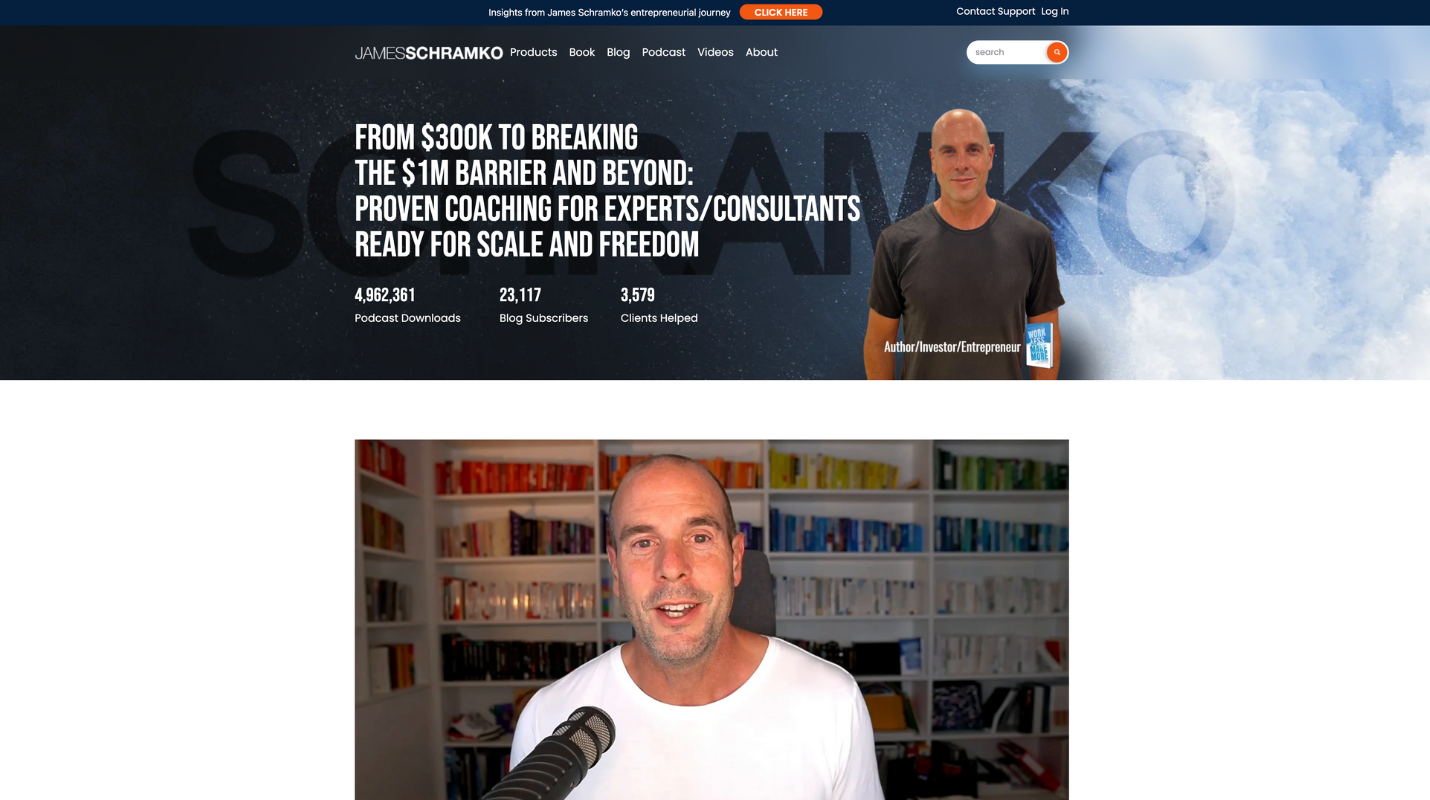
8. The Power of the "Brand Statement"
Blog: SuperFastBusiness
James Schramko provides an masterclass in immediate clarity.
The Strategy
Upon landing on his site, the reader is met with a clear, direct brand statement. He doesn’t waste time on vague slogans; he tells you exactly who he is, what he does, and for whom he does it. This filters out non-ideal readers immediately and encourages the right ones to convert.
9. Frictionless Calls to Action (CTA)
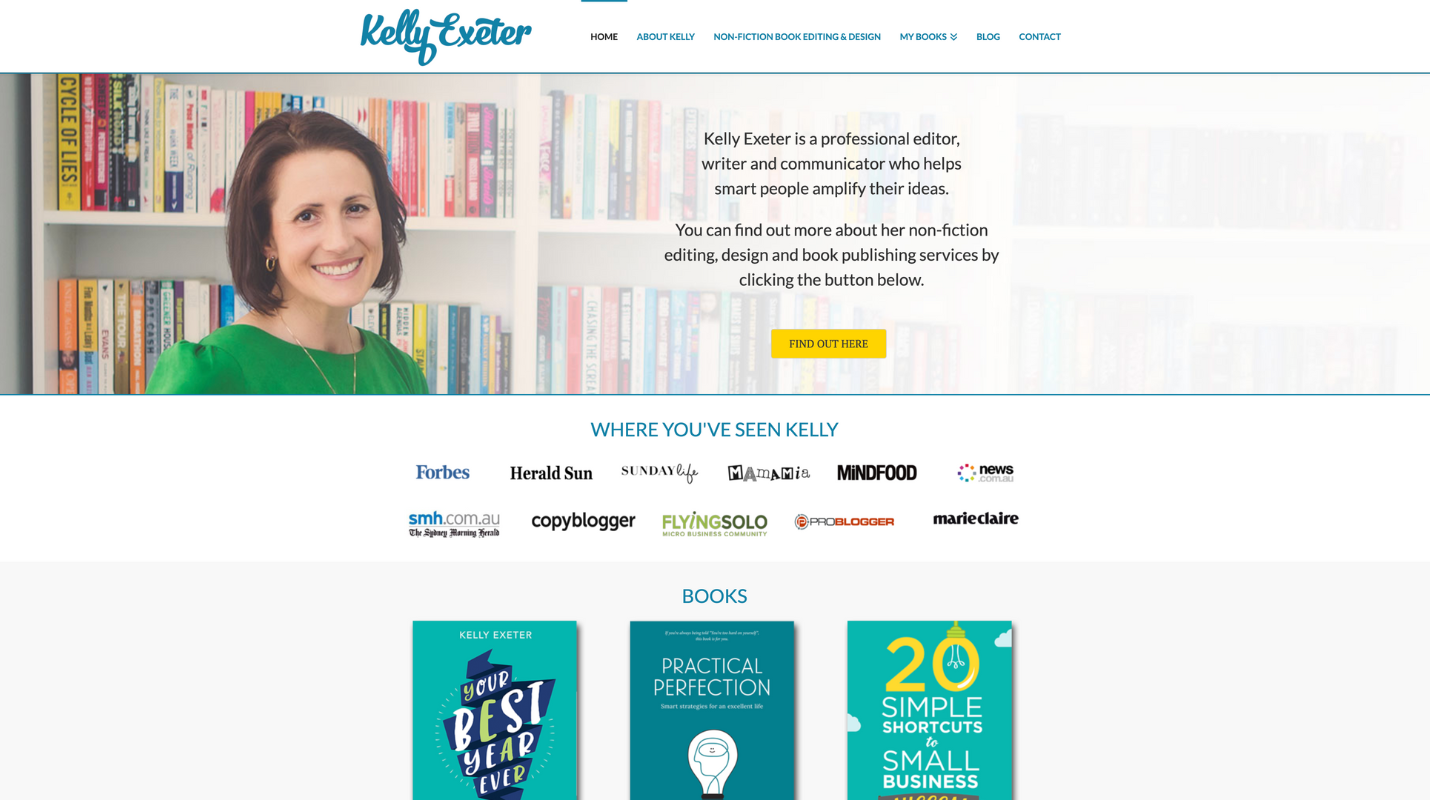
Blog: Kelly Exeter
Many bloggers make the mistake of burying their value proposition in complex email funnels or multiple-step sign-up processes.
The Strategy
Kelly Exeter focuses on the "cut to the chase" method. She uses a clear, simple template for her value proposition: "I am [Name], a [Title] who helps [Audience] [Result]." By keeping her CTAs direct and simple, she removes the friction between a reader arriving at her site and taking the next step in their journey.
10. Defining the Reader Identity
Blog: Puttylike
Emily Wapnick’s success stems from her ability to give her audience a name. By coining the term "Multipotentialite," she provided her readers with a label that defined their own personality.
The Strategy
She uses a quiz as a lead magnet. This is a brilliant psychological trigger; it forces the reader to participate in defining themselves, which in turn deepens their connection to the brand. When a blog helps a reader understand themselves better, that blog becomes indispensable.
Conclusion: The Path Forward
The common thread among these ten bloggers is not a secret tool or a specific plugin. It is the courage to be distinct. In a world where you can search for "how to fix a leaky faucet" and get 10,000 identical answers, the reader will choose the source that makes them laugh, feel understood, or trust the creator’s vision.
To begin personalizing your own blog, ask yourself these three questions:
- The Voice Test: Does my writing sound like a person, or like a textbook?
- The Visual Test: If my logo and name were removed from this page, would the design still scream "me"?
- The Audience Test: Have I given my readers a specific identity or a clear reason to belong to my community?
The digital age is moving toward human-centric connection. As you refine your content, remember that the goal is not just to provide information—it is to build a relationship. Start today by injecting one element of your authentic self into your next post. Your readers are waiting for the real you.
 Dwi Wanna
 Sagoh
