
 By Ali Ikhwan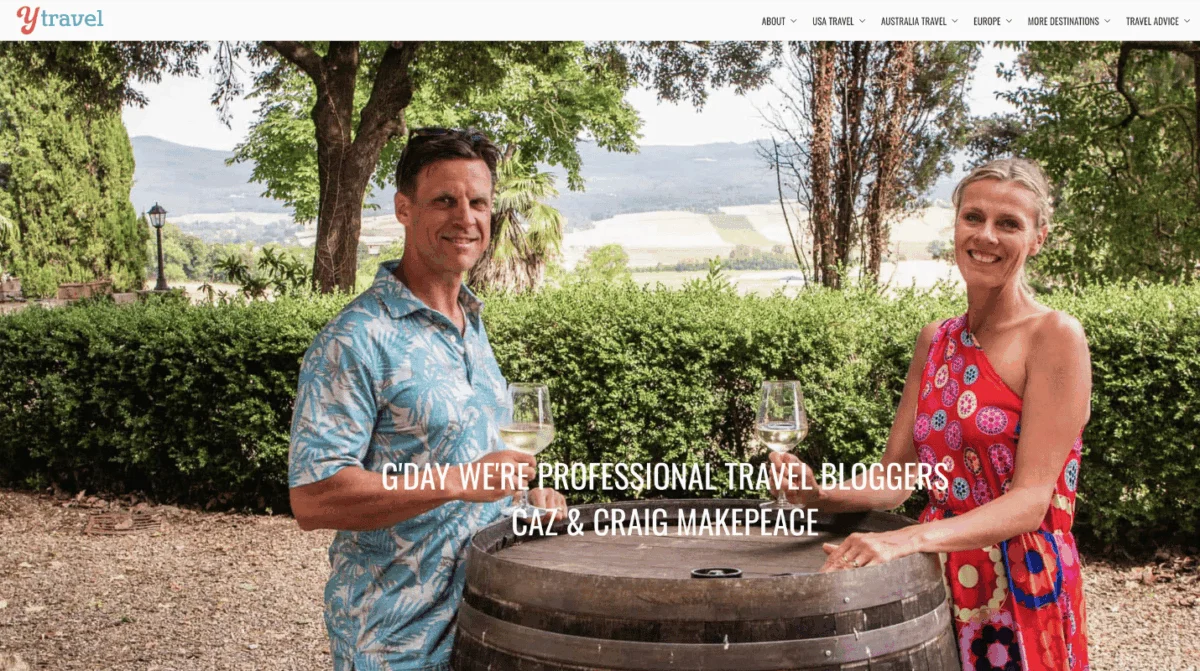
In an era of AI-generated content and hyper-optimized search engine results, the digital landscape has become increasingly homogeneous. Many bloggers meticulously follow the "rules" of digital success—they invest in keyword research, adhere to strict SEO guidelines, and master the technical nuances of their content management systems. Yet, despite their technical proficiency, they often find their traffic plateauing and their engagement metrics stagnant.
The missing ingredient is rarely technical; it is human. It is the "personality" of the brand—the intangible spark that transforms a website from a generic information hub into a trusted destination. Personalization is the primary differentiator between a blog that readers stumble upon and promptly forget, and a brand that builds a loyal, cult-like following.
This report explores the strategic implementation of personality in blogging, drawing insights from ten industry leaders who have successfully turned their digital presence into personal brands.
The Anatomy of a Personal Brand: Why Personality Matters
The shift toward "Human-Centric Content" is no longer a suggestion; it is a necessity. According to recent search algorithm updates (notably Google’s Helpful Content updates), engines are prioritizing "Experience, Expertise, Authoritativeness, and Trustworthiness" (E-E-A-T). Personality is the vehicle for delivering that experience. When a reader connects with the voice, tone, and visual identity of a blogger, they are more likely to return, share, and convert.
1. Visual Storytelling: The Power of Imagery
For certain niches, high-quality visual content is non-negotiable. Travel, food, fashion, and lifestyle blogs rely heavily on the "show, don’t tell" principle.
Case Study: YTravel
Caz and Craig of YTravel excel by blending candid family photography with professional-grade travel shots. By documenting their actual lives—from the mundane struggles of flying with children to the grand milestones of settling in a new country—they create a narrative arc that readers can relate to.

- Key Insight: Use photography to document your journey, not just to decorate your posts. Candid images foster trust, while professional images establish authority.
2. Establishing a Distinctive Digital Flair
Your "above-the-fold" content—the first thing a user sees—is your digital handshake.
Case Study: Smart Passive Income
Pat Flynn’s platform is a masterclass in identity branding. By clearly defining his roles ("father, husband, serial entrepreneur") and layering in personal quirks like his self-proclaimed title, "protector of baby Yoda," he humanizes his business persona. He isn’t just an expert; he is a relatable individual with a personality.
- Key Insight: Don’t be afraid to list your multifaceted identities. Your blog is a reflection of you, not just your career.
3. The Tone of Voice: Authenticity Over Perfection
Language is the most powerful tool for building a community. Some bloggers choose a polished, professional tone, while others opt for something more raw.

Case Study: Shannon Kelly White
Shannon Kelly White utilizes a bold, "salty" linguistic style. This is a strategic choice in brand positioning. While it may alienate some, it creates an intense bond with others who share that same irreverent outlook.
- Key Insight: A polarizing voice is often more effective than a neutral one. Define your brand voice, and do not water it down for the sake of mass appeal.
4. Visual Assets: Custom Illustrations as Brand Anchors
Branding is about consistency. When a user sees a specific style of illustration, they should immediately associate it with your brand.
Case Study: Blog Tyrant
Ramsey, the mind behind Blog Tyrant, uses a consistent, custom-illustrated "superhero" avatar. This character is embedded across his site, his lead magnets, and his social media. It serves as a visual shorthand for his brand identity.

- Key Insight: Commissioning unique visual assets can differentiate you from competitors who rely solely on generic stock photography.
5. The "About" Page: Your Narrative Foundation
The "About" page is often the second most-visited page on any blog. It is where passive readers become active community members.
Case Study: A Beautiful Mess
Elsie and Emma transform their "About" page into an immersive experience. Rather than a dry biography, they use vibrant colors, bold design, and a conversational tone that reflects their personality as creative sisters.
- Key Insight: Your "About" page should be a manifesto, not a resume. Focus on why you do what you do.
6. Omni-Channel Branding: Cohesion Across Platforms
Consistency builds trust. When a user moves from your blog to your Instagram or LinkedIn, the transition should feel seamless.

Case Study: Chris Ducker
Chris Ducker maintains a rigid standard for his visual identity. The same professional headshots and color palettes are used across his entire digital ecosystem. This repetition creates a subconscious feeling of familiarity and stability for the reader.
- Key Insight: Audit your social media profiles and blog images. Ensure that your brand colors, fonts, and professional photography are uniform.
7. Color Psychology as a Branding Tool
Color is one of the most effective ways to evoke emotion without writing a single word.
Case Study: Jadah Sellner
Jadah Sellner’s website uses a carefully curated color palette that extends to the clothing she wears in her promotional imagery. This level of intentionality creates a cohesive visual experience that feels "designed" rather than "assembled."

- Key Insight: Choose a color palette that reflects your brand’s personality and apply it to everything—from your blog’s sidebar to your social media graphics.
8. The Brand Statement: Immediate Clarity
In a fast-paced digital world, you have seconds to explain your value.
Case Study: SuperFastBusiness
James Schramko uses a clear, high-contrast brand statement on his homepage. He immediately identifies who he is, what he provides, and—most importantly—who his target audience is.
- Key Insight: Write a "One-Sentence Value Proposition." If a visitor can’t tell what you do in five seconds, they will leave.
9. Frictionless Call-to-Actions (CTAs)
Personalization is also about respecting the reader’s time.

Case Study: Kelly Exeter
Kelly Exeter utilizes direct, action-oriented language. Her site does not bury the lead in complex funnels; instead, she provides a clear path for the user to "find out more."
- Key Insight: Simplify your conversion path. If you have something of value to offer, make the barrier to entry as low as possible.
10. Audience Identification: Giving Your Tribe a Name
People have an innate desire to belong to a group.
Case Study: Puttylike
Emily Wapnick’s identification of the "Multipotentialite" is a masterstroke in audience segmentation. By labeling her readers, she gives them a community. Her use of a diagnostic quiz to help them identify themselves creates an immediate emotional investment in the brand.

- Key Insight: Help your readers define themselves through your content. When they identify as part of your "tribe," they are far more likely to stay engaged.
Implications for the Future of Blogging
As the internet continues to evolve, the distinction between "content" and "community" will narrow. Blogs that survive the next decade will not be those that simply provide information—information is now a commodity, available for free via AI. The blogs that thrive will be those that offer a perspective.
The Path Forward:
- Audit your voice: Does your writing sound like a human being, or a textbook?
- Visual consistency: Do your images feel like they belong to the same entity?
- Audience engagement: Are you inviting your readers into a community, or just lecturing them?
The goal is not to be the most popular blog on the internet, but to be the most memorable blog for your specific, ideal reader. By infusing personality into your technical foundation, you stop competing with algorithms and start competing for human connection. In the long run, the latter is the only metric that truly sustains a business.
 Asep Darmawan
  Siti Muinah
  Azzam Bilal Chamdy