
 By Jia Lissa
In the modern digital landscape, the "one-size-fits-all" approach to email marketing is rapidly becoming a relic of a bygone era. For years, e-commerce brands have relied on behavioral data—tracking what a user clicks, views, or adds to their cart—to make educated guesses about what their customers want. However, as privacy regulations tighten and third-party cookies vanish, marketers are finding that these inferences are often imprecise, leading to bloated, generic campaigns that fail to convert.
The solution to this disconnect lies in a fundamental shift toward "zero-party data"—information that customers intentionally and proactively share with a brand. By moving from passive observation to active, permission-based dialogue, businesses are transforming their email strategies from cold, broadcast-style blasts into highly personalized, conversational experiences.
The Core Facts: What is Zero-Party Data?
Coined by Forrester Research, zero-party data refers to data that a customer intentionally shares with a brand. Unlike first-party data (which is derived from behavior) or third-party data (which is aggregated from external sources), zero-party data is explicit. It encompasses preferences, purchase intentions, personal context, and communication frequency preferences.
The Shift in Data Dynamics
- First-Party Data (Behavioral): This tells you what a customer did (e.g., "They clicked on a link for a summer dress"). You are left to infer why they clicked it.
- Zero-Party Data (Explicit): This tells you what the customer wants (e.g., "I am looking for a breathable summer dress for a beach wedding under $100").
By bypassing the "inference" step, brands eliminate the guesswork. When a customer tells you exactly what they are looking for, the conversion path becomes significantly shorter and more relevant.
Chronology of a Data-Driven Relationship
To understand the lifecycle of zero-party data, consider the journey of a typical e-commerce customer. This process is not a linear transaction but a continuous loop of communication.
1. The Pre-Purchase Phase: The Power of Quizzes
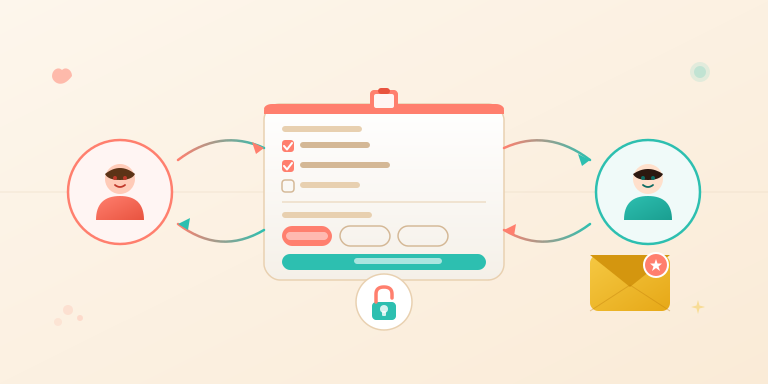
The most effective way to collect zero-party data is at the "top of the funnel"—often before a transaction has even occurred. Interactive quizzes serve as a value-exchange mechanism. The customer receives a personalized product recommendation, and in return, the brand gains structured data points about the customer’s needs.
2. The Transactional Phase: Contextualizing the Purchase
Once a purchase is made, the data collection continues. A post-purchase survey, sent 24 to 48 hours after delivery, can provide the "why" behind the "what." Understanding whether an item was a gift or a personal purchase drastically changes the content of subsequent re-engagement emails.
3. The Retention Phase: The Preference Center
As the relationship matures, the brand must respect the customer’s changing needs. A robust preference center allows subscribers to self-segment. By giving customers control over their inbox—choosing the frequency of emails or the topics they care about—brands build long-term trust, which is the bedrock of customer lifetime value (CLV).
Supporting Data: Why Personalization Matters
The urgency of this shift is underscored by the changing digital infrastructure. With Apple’s Mail Privacy Protection and the deprecation of third-party cookies by major browsers, "tracking" is no longer a viable long-term strategy for building a brand.
According to recent industry trends, personalized email campaigns achieve, on average, a 20% increase in sales. Furthermore, brands that implement structured data-collection methods, such as quizzes, see significantly higher lead-to-customer conversion rates compared to those relying on generic sign-up forms.
The data is clear: when a brand demonstrates that it has "listened" to a customer’s stated preferences, the consumer feels a higher level of psychological commitment to the brand. This is no longer just a marketing tactic; it is an essential component of modern brand loyalty.
Official Perspectives: The Role of Technology
Leading platforms, such as Omnisend, have pivoted their infrastructure to support this shift. Industry experts note that the technical hurdle is not the collection of the data, but the application of it.
"Data sitting in a spreadsheet is useless," says an Omnisend representative. "True value is unlocked only when that data is mapped to automated workflows."
Modern marketing stacks must now allow for:
- Custom Properties: Storing specific customer attributes at the individual profile level.
- Dynamic Segmentation: Creating groups that update in real-time based on new data points.
- Triggered Automations: Launching specific email sequences based on quiz results or survey answers.
The Implications: Building a Sustainable Future
The implications for founders and marketers are profound. The brands that will dominate in the coming years will not be those with the largest email lists, but those with the most accurate and actionable data.
1. From "Broadcast" to "Conversation"
When a brand acknowledges a specific skin condition or a particular budget constraint mentioned in a quiz, the email stops feeling like an advertisement and starts feeling like a helpful service. This transition is critical for reducing unsubscribe rates and increasing click-through rates.
2. The End of "Guesswork" Marketing
Marketers often waste significant time and budget testing subject lines and creative variations, hoping to see what sticks. With zero-party data, you no longer need to A/B test your way to relevance. You simply send the content the customer explicitly requested.
3. Operational Efficiency
By automating segments, brands can reduce the manual labor involved in segmenting lists. If your platform automatically moves a "beginner" user into a "foundations" onboarding flow, you are effectively scaling your marketing efforts without increasing your headcount.
Final Thoughts: A Call to Action for Founders
The transition to zero-party data is not merely a technical upgrade; it is a cultural shift in how you view your audience. Your subscribers are not just email addresses; they are individuals with unique challenges, budgets, and desires. When you treat their data with respect and use it to improve their experience, they reward you with loyalty.
Practical Steps to Start Today:
- Audit your current signup forms: Are you asking for just an email, or are you capturing one data point that helps you serve them better?
- Build a high-intent quiz: Focus on solving a problem for the user, not just collecting data for yourself.
- Revamp your preference center: Ensure that "unsubscribe" isn’t the only option available to your readers.
- Leverage automation: Ensure every piece of data you collect triggers a corresponding, personalized action in your email service provider.
For those looking to transition, platforms like Omnisend offer the infrastructure to make this shift seamless. With automated migration services and advanced segmentation tools, the barrier to entry is lower than ever. In an era where digital noise is at an all-time high, the ability to have an honest, relevant conversation with your audience is the ultimate competitive advantage. Start building those conversations today, and watch your email program evolve from a generic broadcast into a powerful, revenue-generating asset.
 Dwi Wanna
  rifanmuazin
  Asep Darmawan