
 By Lina Hope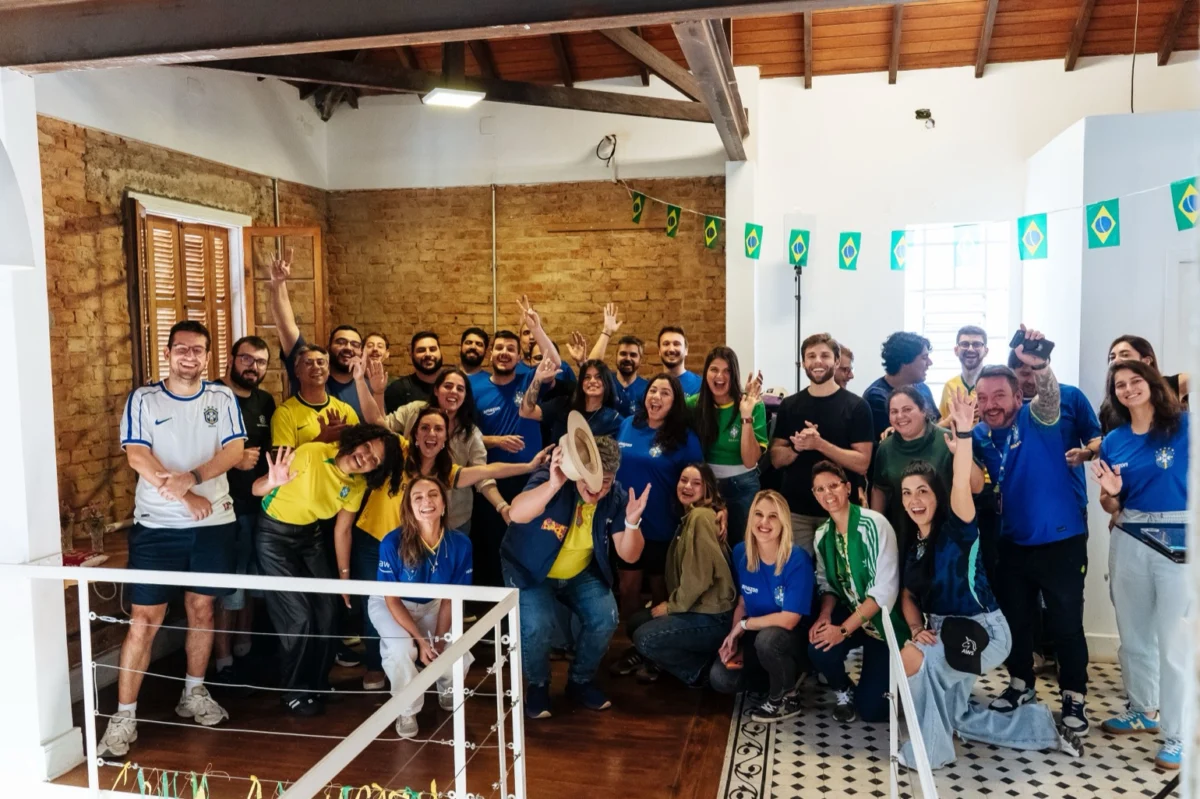
Introduction: The Pulse of Innovation
In the rapidly evolving ecosystem of cloud computing, the true measure of success is not merely in server uptime or latency benchmarks, but in the tangible human impact enabled by these technologies. Last week, the AWS Startups team convened for a series of strategy sessions and founder showcases, highlighting a recurring theme that defines the current technological zeitgeist: the democratization of essential services.
As we analyze the latest developments from the AWS News Blog, it becomes clear that the focus is shifting from "innovation for innovation’s sake" to "innovation for accessibility." From the remote regions of Brazil to the complex backend of global enterprise architecture, AWS continues to serve as the silent scaffolding upon which the future of digital equity is built.
The EyeCare Health Paradigm: Solving the "Last Mile" Problem
The most compelling narrative to emerge from last week’s gatherings came from Marco Negreiros, the visionary founder of the Brazilian healthtech startup EyeCare Health.
The Problem: A Geographic Inequity
Negreiros presented a statistic that is as sobering as it is motivating: more than 70% of Brazilian municipalities lack a single practicing ophthalmologist. In a country of continental proportions, this creates a profound "blind spot" in healthcare delivery. For millions, a simple vision screening is not just a medical procedure; it is a logistical challenge requiring hours of travel and significant financial strain.
The Solution: Smartphone-Enabled Diagnostics
EyeCare Health has effectively utilized AWS infrastructure to bridge this gap. By developing a vision test that runs directly on the smartphone—a device ubiquitous even in the most remote areas of Brazil—they have decoupled primary eye care from the physical clinic. This is not merely an app; it is a complex, cloud-integrated diagnostic tool that processes optical data at scale.
"Watching a founder turn a massive societal gap into a concrete, scalable technical solution is exactly why we remain energized by the startup space," notes Daniel Abib, who moderated the sessions. This project serves as a masterclass in how cloud-native architectures can circumvent the traditional, often stagnant, physical infrastructure limitations of emerging markets.
Chronology of Progress: A Week in the AWS Ecosystem
The lifecycle of AWS services is a mirror of the broader technology industry. As we progress through the mid-year cycle of 2026, the company continues its pattern of aggressive innovation balanced with a disciplined approach to sunsetting legacy infrastructure to maintain performance and security.
Mid-Year Operational Shifts
The week of June 30, 2026, was marked by significant updates to the AWS Product Lifecycle. These updates are critical for CTOs and system architects who must ensure that their operational stacks remain compliant and efficient.
-
Phase One: Maintenance Mode (Effective July 30, 2026)
AWS has moved a curated list of legacy services into "Maintenance." This status indicates that while existing deployments will continue to function, the services are no longer accessible to new customers. This is a deliberate step to shepherd the user base toward modern, more performant alternatives that leverage current-generation silicon and AI-optimized architecture. -
Phase Two: Sunset Transition
Services entering the "Sunset" phase have now entered a sunsetting window. AWS provides comprehensive migration support, white papers, and transition documentation to ensure that these phase-outs do not result in service disruptions for enterprise clients. -
Phase Three: End of Support (EoS)
As of June 30, 2026, several legacy features have reached their official End of Support. This signifies that these features no longer receive security patches or feature updates. Organizations still utilizing these legacy systems are urged to consult the AWS Product Lifecycle portal immediately.
Supporting Data: Why Lifecycle Management Matters
In a cloud-native world, "maintenance" is not a dirty word—it is a competitive advantage. The data regarding service availability is grounded in a commitment to performance density.
The Cost of Technical Debt
According to internal AWS analysis, organizations that fail to migrate from legacy services to current-generation instances experience a 30% increase in operational overhead. This "technical debt" manifests in higher latency, increased power consumption in data centers, and a lack of compatibility with modern AI-driven security tools.
By proactively managing the lifecycle of its services, AWS ensures that the cloud remains a high-performance environment. The migration paths provided by the AWS team are designed to move data and logic with minimal downtime, often utilizing automated containerization tools that translate legacy code into more efficient, serverless-friendly architectures.
Official Stance: The AWS Philosophy on Change
When asked about the impact of these lifecycle changes, AWS leadership emphasizes the "Customer Obsession" principle.
"We understand that changes in availability can impact your operations," states the latest AWS operational brief. "Our goal is not to force change, but to provide the necessary guidance, alternative pathways, and support to ensure that when a transition occurs, it results in a more resilient and cost-effective outcome for the customer."

AWS encourages all architects to utilize the AWS Product Lifecycle Changes page as a primary source of truth. The company has also expanded its dedicated support channels for enterprises navigating these transitions, providing specialized engineering teams to assist with complex legacy-to-modern migrations.
Implications for the Global Builder Community
The shift toward more efficient, modern, and specialized cloud services has profound implications for developers and startup founders alike.
The Rise of the "Builder"
The AWS Builder Center has become a focal point for this transition. By connecting builders with peers who are solving similar problems—such as the team at EyeCare Health—the community is fostering a culture of collaborative problem-solving. This is no longer just about writing code; it is about architecture design that respects the constraints of geography, bandwidth, and resource scarcity.
Preparing for the Future
For the coming quarter, developers should prioritize the following:
- Audit Current Infrastructure: Use the latest AWS service discovery tools to identify any services currently in the "Maintenance" or "Sunset" categories.
- Leverage Managed Services: Move away from self-managed legacy instances toward managed services that handle the "undifferentiated heavy lifting" of patching and scaling.
- Engage with the Community: Participation in the AWS Builder Center provides access to white papers and shared solutions that can accelerate the migration process by weeks, if not months.
Conclusion: Looking Ahead
The news from the past week serves as a reminder that AWS is a living, breathing ecosystem. Whether it is a healthtech startup in Brazil using cloud-native AI to diagnose vision issues or a global enterprise streamlining its data pipeline, the core mission remains the same: to remove barriers to entry.
As we move through the second half of 2026, the pace of innovation shows no signs of slowing. The transition of legacy services to the sunset phase is not an end, but a necessary evolution. It clears the path for the next generation of builders—those who will look at the remaining gaps in our global digital infrastructure and, like Marco Negreiros, find the tools on their smartphones to fill them.
For those eager to stay ahead, keep a close watch on the What’s New with AWS page and mark your calendars for the upcoming regional AWS events. The future of the cloud is being built today, and every line of code contributes to a more connected, accessible, and efficient world.
This article is part of our ongoing Weekly Roundup series. We invite you to check back every Monday for the latest insights, announcements, and deep-dives into the AWS ecosystem. Join the conversation, stay informed, and continue building.
 Neng Nana
  Suro Senen