
 By Nana Muazin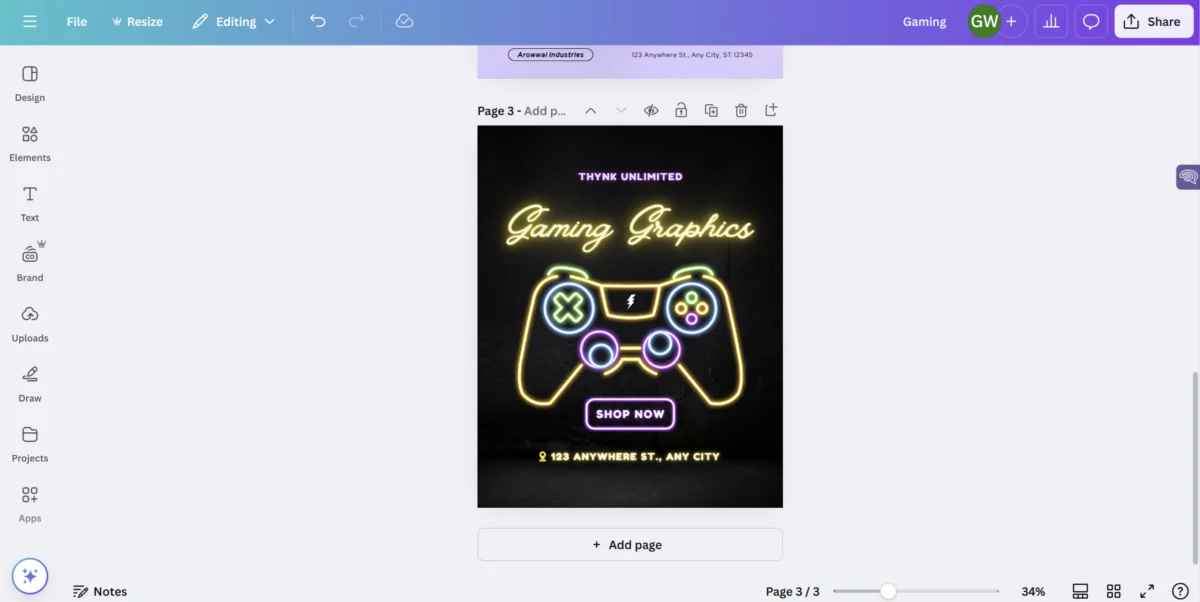
In the hyper-competitive digital landscape of 2025, the adage "content is king" has evolved. Today, it is not enough to simply produce content; that content must be visually arresting, brand-consistent, and delivered at a velocity that matches the speed of the internet. For the modern entrepreneur, the barrier to entry for high-end design has historically been twofold: the steep cost of professional design software and the prohibitive time investment required to master it.
Enter Canva, the design platform that has effectively democratized professional-grade aesthetics for businesses of all sizes. By stripping away the complexity of traditional design suites, Canva has transformed how startups, SMEs, and even global enterprises approach their visual identity.
The Core Concept: What is Canva?
At its most fundamental level, Canva is a cloud-based graphic design platform that utilizes a sophisticated drag-and-drop interface. Unlike industry-standard software such as Adobe Illustrator or Photoshop—which often require years of formal training to navigate—Canva is engineered for the non-designer.
The platform provides users with an expansive library of pre-made templates, stock photography, vector illustrations, and typography. By allowing users to manipulate these assets within a browser-based environment, Canva has bridged the gap between raw amateurism and professional polish. Whether you are creating a one-off Instagram story or a comprehensive brand guidelines deck, the platform ensures that the output maintains a high visual standard.
The Evolution of Accessibility
The meteoric rise of Canva is rooted in its "freemium" business model. "Canva Free" provides a robust suite of tools that, for many solopreneurs, is more than sufficient for daily operations. This accessibility has disrupted the design industry, shifting the focus from "who has the software" to "who has the best idea." As of 2025, the platform has expanded its ecosystem to include "Canva Pro," "Canva Teams," and "Canva Enterprise," allowing for seamless collaboration across departments and geographical borders.
A Chronology of Design Disruption
The journey of Canva is a testament to the shift in digital consumption habits. Founded in 2013, the platform emerged at a time when social media marketing was beginning to dominate the business landscape.
- 2013–2015: The Foundation. Canva launched with the goal of simplifying the design process for social media managers. It gained immediate traction by offering templates specifically sized for platforms like Facebook and Twitter.
- 2016–2019: Expansion of Utility. Recognizing that businesses needed more than just social media graphics, Canva introduced presentation tools, document editing, and print-on-demand services, positioning itself as a "one-stop-shop" for all visual communication.
- 2020–2022: The Pandemic Acceleration. The shift to remote work forced businesses to find digital alternatives for collaboration. Canva’s cloud-based nature made it the go-to tool for distributed teams, cementing its role in the corporate workflow.
- 2023–2025: AI Integration. The current era is defined by the integration of AI-powered tools within the platform. Features such as "Magic Write" and "Magic Design" now allow users to generate copy and layout suggestions in seconds, effectively turning the platform into a creative partner rather than just a digital canvas.
Supporting Data: The Efficiency Gap
The primary driver for Canva’s adoption in 2025 is efficiency. According to recent industry surveys, small business owners spend an average of 15–20 hours per week on marketing-related tasks. For those without formal design training, attempting to use professional-grade software like Photoshop can inflate this time by up to 300%.
Data shows that users who transition to Canva report:
- Reduced Turnaround Times: Projects that previously took days—such as designing a pitch deck or an eBook—are now completed in hours.
- Cost Mitigation: By eliminating the need for a dedicated graphic designer for minor tasks, businesses save an average of $2,000 to $5,000 in monthly freelance or agency fees.
- Consistent Branding: With the "Brand Kit" feature, businesses can lock in specific fonts, color palettes, and logos, ensuring that every piece of content, regardless of who creates it, adheres to brand standards.
Professional Applications: 6 Pillars of Use
To understand the utility of Canva in 2025, one must look at the specific domains where it provides the highest return on investment.
1. Brand Identity Development
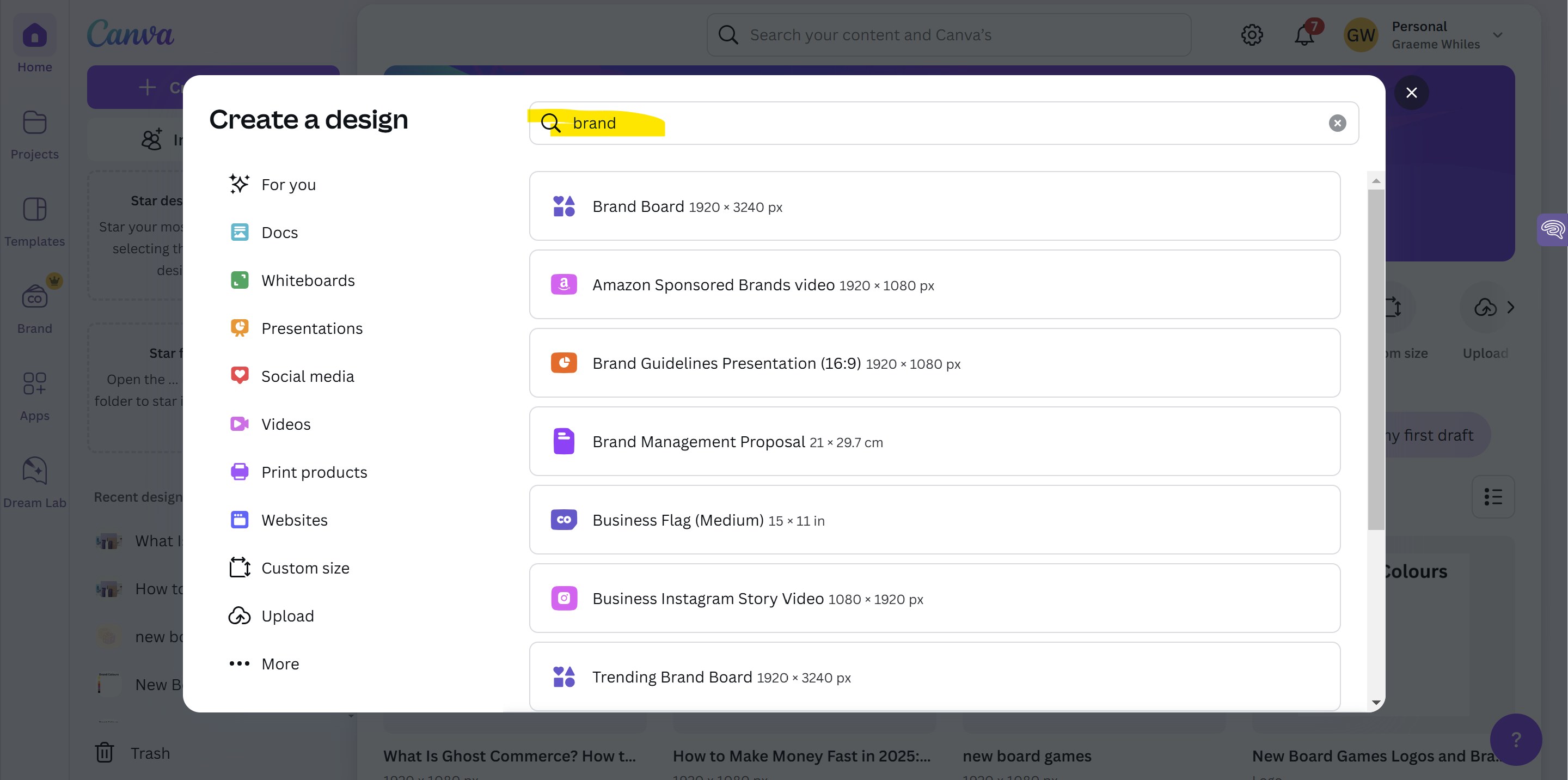
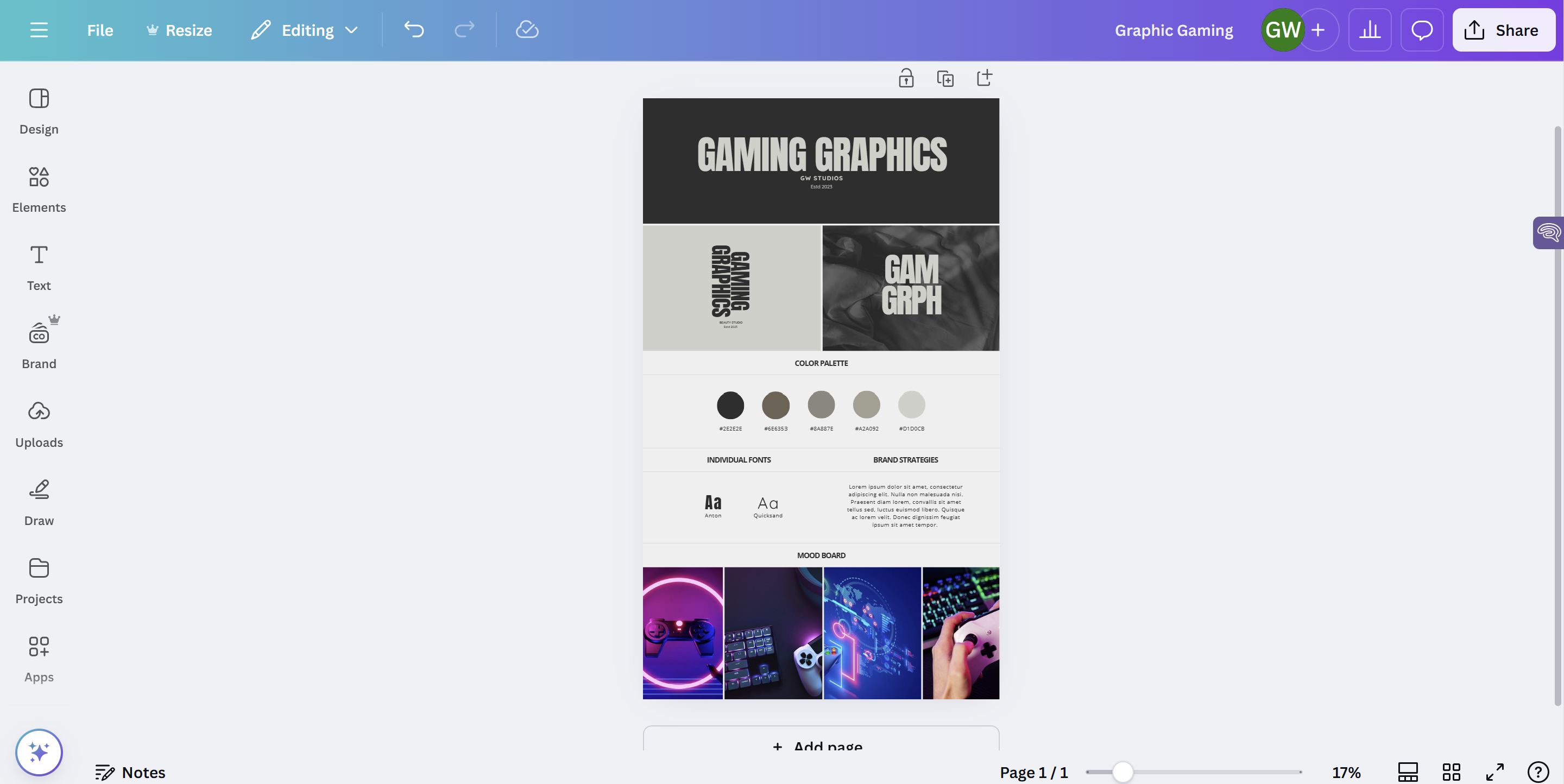
Starting a business requires a clear visual voice. Canva’s "Brand Board" templates allow entrepreneurs to experiment with color theory and typography without needing a deep background in design. By simply searching for "Brand Board," a founder can visualize their company’s aesthetic—from logos to mood boards—in minutes.
2. Social Media Dominance
In 2025, social media is an ecosystem of short-form video and high-fidelity graphics. Canva offers specialized templates for TikTok, Instagram Reels, and LinkedIn carousels. These templates are not static; they include animations and transitions that help businesses keep pace with the algorithmic demand for dynamic content.
3. SEO-Driven Blog Content
Search engine optimization is no longer just about text; it is about user experience. Google’s algorithms increasingly favor pages with high-quality visual aids. Canva enables the rapid creation of infographics and custom blog headers that keep readers on the page longer, directly contributing to better search rankings.
4. Lead Magnets and Conversion Tools
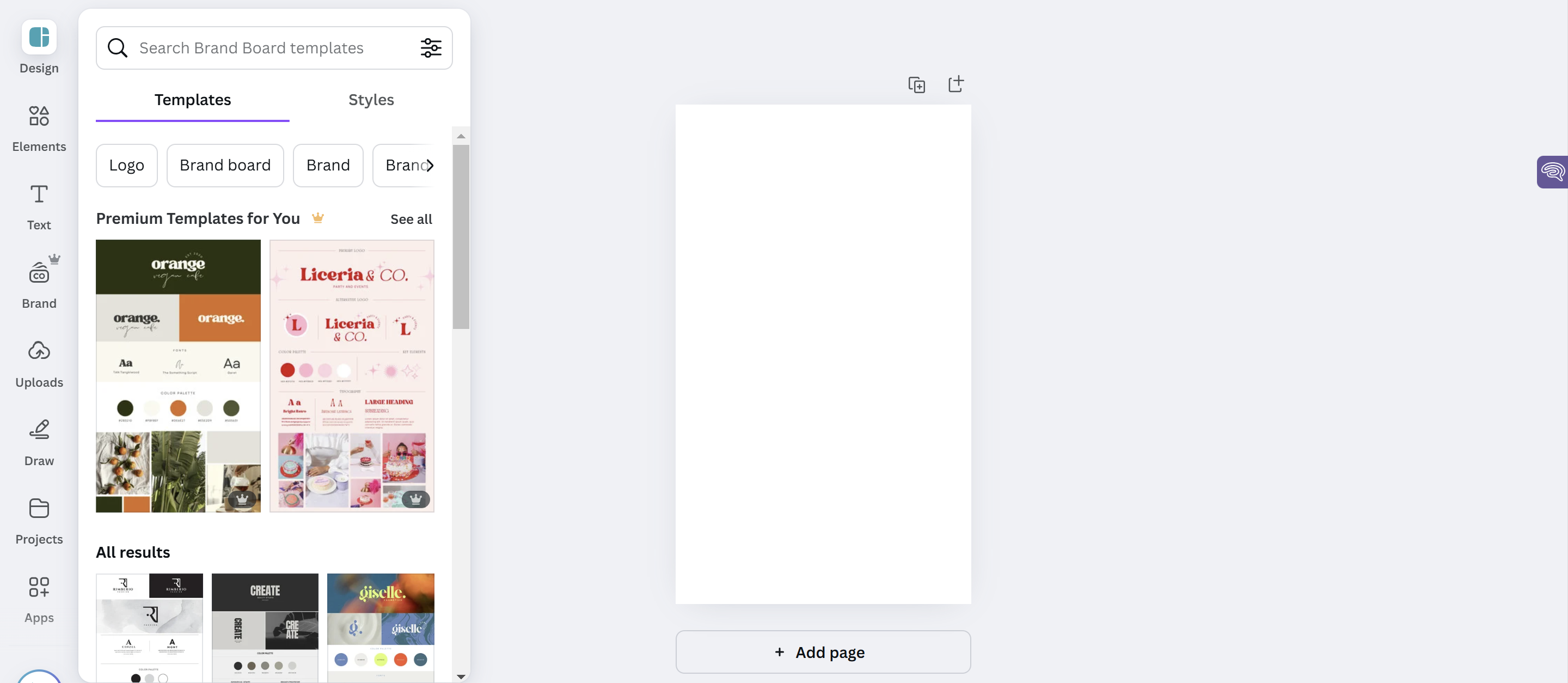
A high-converting website relies on effective lead magnets—eBooks, whitepapers, or checklists. Using Canva’s document design tools, businesses can create professional-looking PDFs that establish authority and trust, significantly increasing the likelihood of lead conversion.
5. Internal Collaboration and Teams
With the advent of "Canva Teams," the platform has moved beyond the individual. Large organizations now use the platform as a centralized hub for all assets, ensuring that sales teams, HR departments, and marketing teams are all pulling from the same library of approved visuals.
6. Scaling with Enterprise Solutions
For larger organizations, "Canva Enterprise" offers advanced security, workflow approval processes, and API integrations, allowing design to be a streamlined component of the corporate tech stack rather than a siloed activity.
Official Responses and Industry Implications
Industry analysts observe that Canva’s dominance is changing the creative services industry. While traditional agencies still hold the monopoly on complex, high-budget creative direction, the "mid-tier" of design—brochures, social media assets, and presentations—has effectively shifted to the end-user.
Professional designers have, in many cases, embraced this change. By leveraging Canva as a collaborative tool, agencies can provide their clients with "templates" that the client can then update themselves, allowing the agency to focus on higher-level strategy and branding rather than day-to-day administrative design tasks.
However, critics warn of "visual homogenization," where the overuse of templates leads to brands looking identical. The professional recommendation is to use Canva’s templates as a structural foundation, while customizing elements to ensure a unique brand footprint.
Conclusion: Elevating Your Business in 2025
The capability to design is no longer a luxury reserved for those with a degree in graphic arts; it is a fundamental business skill. As we move deeper into 2025, the ability to iterate, test, and deploy high-quality visuals will separate the businesses that grow from those that stagnate.
While Canva provides the tools, the strategic application of these tools is what drives success. To truly master the art of business building—from marketing strategy to branding and beyond—entrepreneurs must seek continuous education. Platforms like Foundr+ provide the comprehensive frameworks necessary to turn these design capabilities into a full-scale, successful business. By combining the speed of Canva with the expert-led knowledge found in advanced business programs, you can ensure that your brand is not just seen, but remembered.
 Dwi Wanna
  rifanmuazin
  Asep Darmawan