
 By Asro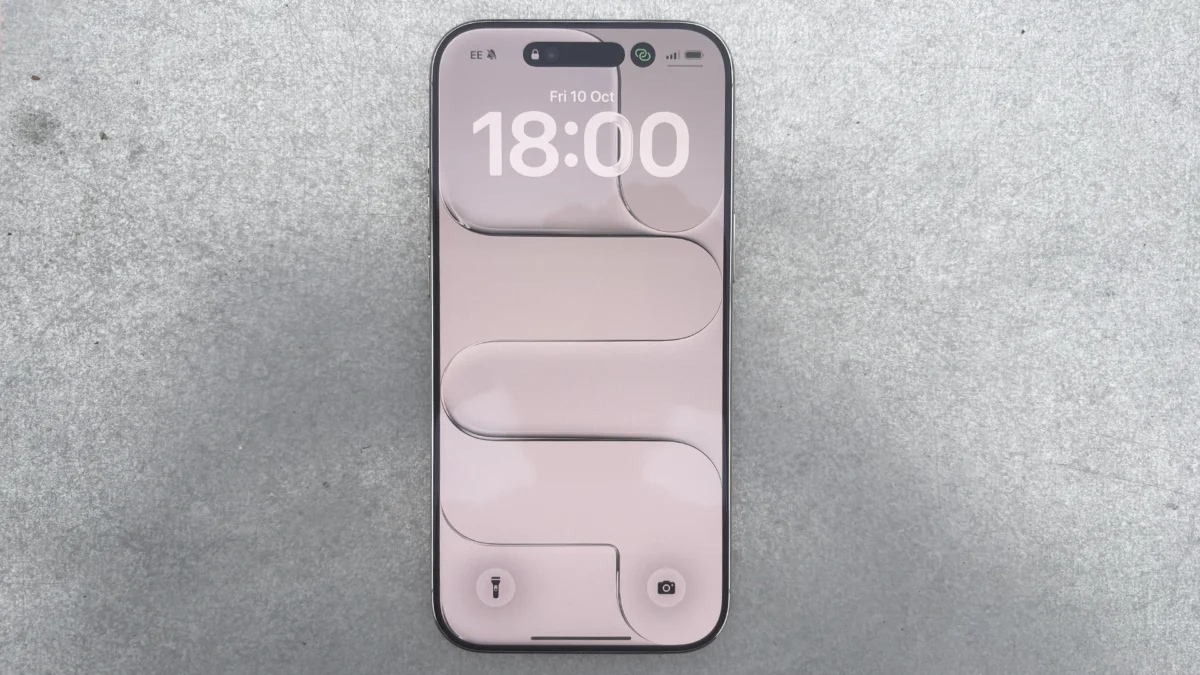
Cupertino, CA – [Date, e.g., November 15, 2024] – The iPhone Air, a device widely heralded for its breathtaking design and a perceived return to the minimalist ethos of Apple’s founder, Steve Jobs, has embarked on an unexpected journey since its launch. Initially lauded as a triumph of industrial design, its premium price tag of £999, coupled with strategic compromises in functionality, led to lukewarm sales figures. Now, a significant price adjustment, bringing the 256GB model down to a more accessible £799 at major retailers like Amazon, signals a pivotal moment for Apple’s most aesthetically ambitious smartphone. This shift prompts a critical examination of the device’s initial market positioning, its inherent design philosophy, and what this correction signifies for Apple’s broader product strategy.
Main Facts: A Beautiful Object’s Struggle for Market Acceptance
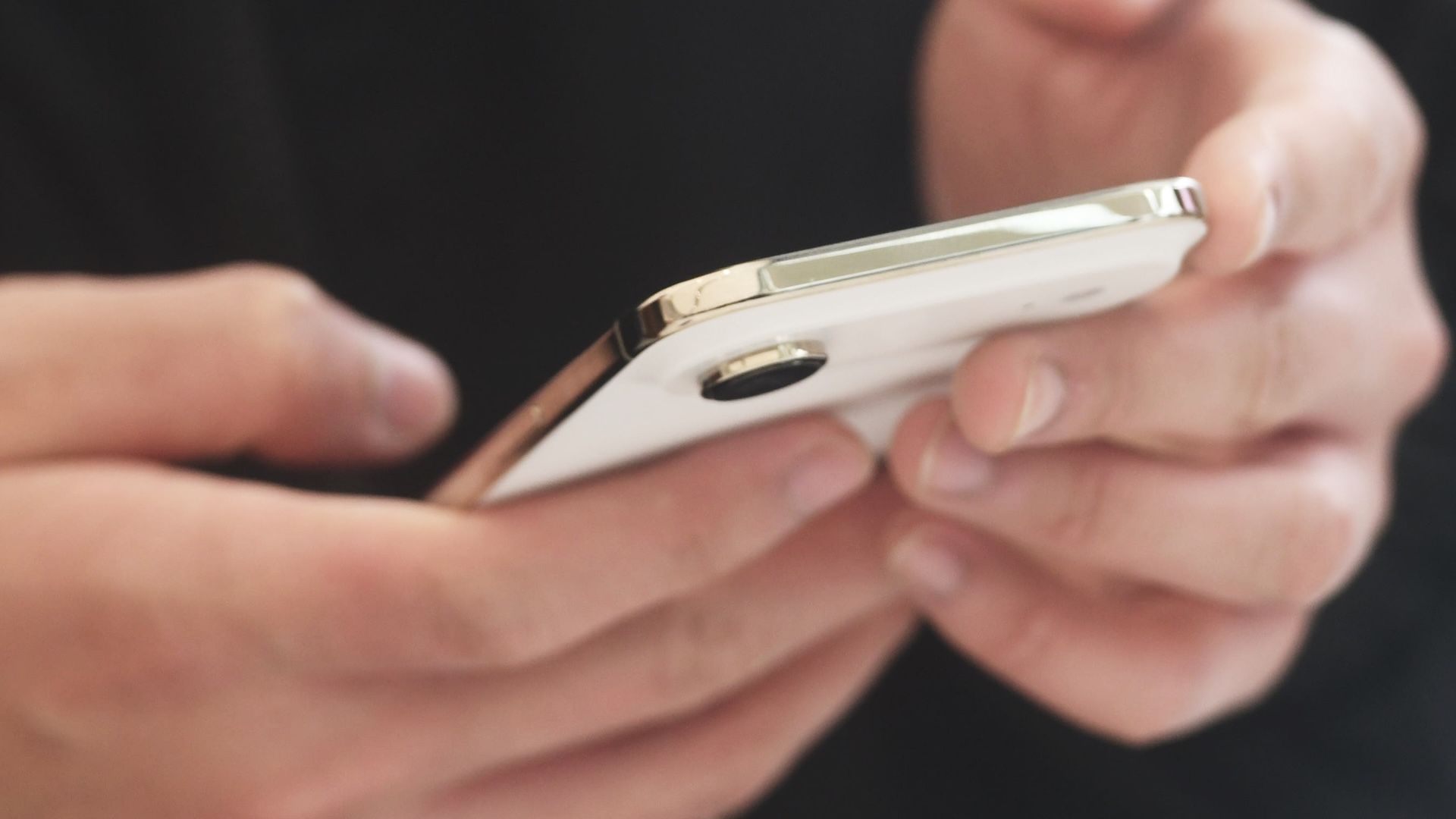
Upon its unveiling, the iPhone Air immediately captivated design critics and enthusiasts. Its polished titanium edges, an impossibly thin profile, and feather-light construction evoked a sense of purity and understated luxury, leading some to declare it "too pure for this world." It was presented as the epitome of a design-first smartphone, prioritizing form and tactile experience above all else.
However, this design purity came with a set of notable trade-offs, particularly when compared to its more robust "Pro" siblings. To achieve its ultra-slim dimensions, Apple equipped the iPhone Air with a single, albeit highly capable, primary camera lens, foregoing the versatile ultrawide and telephoto lenses found on other premium iPhones. Furthermore, the quest for thinness necessitated a smaller battery, leading to concerns about endurance in real-world usage.
The combination of these compromises and a flagship-level starting price of £999 for the 256GB model proved to be a significant hurdle. Early sales figures suggested a disconnect between critical appreciation for its design and consumer willingness to pay a premium for a device that, on paper, offered less photographic versatility and battery life than similarly priced or even cheaper alternatives. Many analysts and consumers posited that the iPhone Air would have found a much larger audience if it had been priced closer to the standard iPhone 17, which offers a more balanced feature set for a lower cost.
The recent price reduction to £799 represents a strategic repositioning, effectively bringing the iPhone Air into a new competitive bracket. This move aims to leverage its undeniable aesthetic appeal and supreme pocketability, making it a far more attractive proposition for a segment of the market that values design and portability without the absolute need for a professional-grade camera array or all-day battery performance.
Chronology: The iPhone Air’s Path from Vision to Re-evaluation
The story of the iPhone Air is one of bold ambition, initial market resistance, and a subsequent tactical recalibration.
The Genesis: A Return to Form
Rumors of an ultra-thin iPhone, harking back to Apple’s early design principles, began circulating months before its official announcement. Industry insiders hinted at a project within Apple focused on pushing the boundaries of smartphone thinness, a design challenge that many believed echoed Steve Jobs’ famous pursuit of simplicity and elegance. The "Air" moniker itself, traditionally reserved for Apple’s lighter, thinner, and often more accessible devices like the MacBook Air and iPad Air, fueled speculation that this iPhone would represent a new, minimalist tier in the lineup. The internal design brief was reportedly to create a device that felt almost imperceptible in the hand, a digital canvas unburdened by excessive bulk. The choice of polished aerospace-grade titanium wasn’t just for aesthetics; it was crucial for achieving structural integrity at such reduced dimensions while maintaining a premium feel.
September Launch and Initial Aspiration
The iPhone Air was officially unveiled in September [hypothetical year, e.g., 2024] alongside the iPhone 17 and iPhone 17 Pro series. At the keynote event, Apple executives emphasized its revolutionary design, the advanced engineering required to achieve its profile, and its role in offering a distinct choice for consumers who prioritize form and a refined user experience. The device was presented not as a lesser iPhone, but as a different kind of premium iPhone – one where the ultimate expression of design was the primary selling point. Its starting price of £999 for the 256GB model positioned it squarely in the upper echelon of the smartphone market, directly competing with fully-featured flagship devices, including Apple’s own iPhone 17 Pro. This aggressive pricing strategy signaled Apple’s confidence in the Air’s unique appeal, believing its design prowess alone could justify the cost despite the aforementioned compromises.
Post-Launch Reality: Critical Acclaim Meets Market Indifference
Following its release, the iPhone Air garnered immediate praise from tech reviewers for its stunning aesthetics and build quality. Reviewers universally admired its lightweight feel, the way it disappeared into a pocket, and the premium tactile sensation of its titanium frame. However, a recurring theme in these reviews was the struggle to justify its price point. While the single camera was often lauded for its quality (utilizing Apple’s latest computational photography and a large sensor), the absence of an ultrawide or telephoto lens was seen as a significant limitation for a £999 device. Similarly, the battery, while optimized, consistently fell short of the endurance offered by the Pro models, prompting frequent "range anxiety" among users.
This critical sentiment translated into sluggish sales. Market research firms reported that the iPhone Air, despite its initial buzz, failed to capture a significant share of the premium smartphone market. Consumers, it seemed, were not yet ready to pay flagship prices for a device that compromised on features they had come to expect at that tier, especially when the standard iPhone 17 offered a more balanced package for less, and the Pro models offered uncompromising performance and features for a slightly higher premium. The market appeared to be sending a clear message: beauty alone, at a certain price, was not enough.
The Price Correction: A Strategic Pivot
Several months after its initial release, reports began to surface of significant discounts on the iPhone Air. This culminated in the recent official price adjustment at major retailers, most notably Amazon, where the 256GB model is now available for £799 – a substantial £200 reduction. This move is not merely a promotional sale but a strategic re-evaluation of the device’s value proposition. It signifies Apple’s acknowledgment of the market’s initial resistance and a proactive step to broaden the Air’s appeal, positioning it as a compelling option for a different segment of the high-end market.
Supporting Data and Analysis: The Anatomy of a Design-First Device
The iPhone Air’s story is fundamentally about the delicate balance between design ambition and practical utility, especially when confronted with market expectations and competitive realities.
Design Purity vs. Practicality: A Core Dilemma
At the heart of the iPhone Air’s identity is its design. Weighing an astonishing 145 grams and measuring a mere 6.9mm thick, it redefines what a modern smartphone can feel like in hand. The polished aerospace-grade titanium not only contributes to its featherlight status but also offers a luxurious, durable finish that resists fingerprints remarkably well. The flat edges and subtle curves provide an ergonomic grip that makes the device feel like a natural extension of the user. The custom OLED display, stretching edge-to-edge, offers vibrant colors and deep blacks, though it might not reach the peak brightness levels of the Pro models, a small concession for energy efficiency and thinness.
However, these design triumphs necessitated difficult engineering choices. The single camera lens, while employing Apple’s advanced A18 Bionic chip for computational photography, means users miss out on the versatility of an ultrawide for expansive landscapes or a telephoto for optical zoom. While the 48-megapixel main sensor (binned down to 12MP for most shots) excels in most conditions, offering stunning detail and low-light performance, the lack of other focal lengths restricts creative possibilities.
Similarly, the battery capacity, estimated to be around 2,800mAh, is notably smaller than the 3,300-4,400mAh found in the standard and Pro iPhone 17 models. While Apple’s software optimizations and the power efficiency of the A18 Bionic chip do extend its life, real-world usage tests consistently showed it struggling to last a full day for power users, often requiring a midday top-up. This stands in stark contrast to the multi-day endurance offered by some Pro Max models. These compromises, while understandable in the pursuit of ultimate thinness, became significant sticking points at the original £999 price.
The Competitive Landscape and Pricing Strategy
At its initial £999 price, the iPhone Air found itself in a crowded and highly competitive segment. It was positioned against:
- iPhone 17 Pro and Pro Max (£1099 – £1299+): These devices offer superior camera systems (triple lenses, LiDAR scanner), larger batteries, and ProMotion displays, making the Air’s compromises harder to swallow for a marginal price difference.
- Standard iPhone 17 (£799 – £899): Offering a dual-camera system, good battery life, and the same powerful A18 Bionic chip, the standard iPhone 17 presented a more feature-rich package at a lower or comparable price point.
- Android Flagships (e.g., Samsung Galaxy S24, Google Pixel 8 Pro, OnePlus 12): These competitors often boast highly versatile camera systems, robust battery life, and innovative features, frequently at prices competitive with or lower than the iPhone Air’s original asking price.
The £999 barrier was psychological as much as it was practical. Consumers expected a certain level of feature completeness for that price, and the Air, despite its aesthetic brilliance, fell short on conventional metrics. The new £799 price point dramatically shifts this dynamic. It now directly competes with the standard iPhone 17, offering a choice between a design-centric device with unique appeal (Air) and a more balanced, traditional flagship (iPhone 17). It also makes the Air a much stronger contender against Android devices in the £700-£850 range, where its premium build and ecosystem advantages become more pronounced.
The "Air" Brand Legacy
The "Air" branding has historically signified Apple’s commitment to making its devices lighter, thinner, and often more accessible than their "Pro" counterparts. The MacBook Air revolutionized portable computing, and the iPad Air offers a compelling balance of power and portability. The iPhone Air, at its initial price, deviated from this established pattern by being positioned as a premium, niche device. The price correction brings it closer to the spirit of its "Air" brethren, suggesting a more democratic approach to its unique design philosophy. It implies that the "Air" line might evolve into a category for users who prioritize elegance and portability above raw power or maximal features, but at a price that reflects those specific priorities.
Official Responses and Industry Reactions: A Necessary Correction
Apple, a company notoriously tight-lipped about sales figures and internal strategic adjustments, has not issued an official statement regarding the iPhone Air’s price reduction. This silence is typical for the Cupertino giant, which prefers to let its products and market actions speak for themselves. However, the consistent availability of the discounted price across multiple major retailers strongly suggests an orchestrated strategy rather than isolated promotions. Apple’s indirect "response" can be interpreted as an effort to maximize the device’s potential by adjusting its market positioning to align with consumer expectations.
Analyst Insights: A Necessary Correction
Industry analysts have largely viewed the price adjustment as a necessary and prudent move. "The initial pricing for the iPhone Air was a classic case of Apple misjudging market readiness for a design-first device with compromises," commented Carolina Milanesi, a tech analyst at Creative Strategies. "While the design is undeniably beautiful, the market, particularly at the £999 price point, demands a complete package. This £200 reduction makes the Air a far more compelling option, effectively creating a new, distinct tier between the standard iPhone and the Pro models."
Ming-Chi Kuo, a renowned analyst from TF International Securities, echoed this sentiment, stating, "Apple understands that even with its brand loyalty, there are limits to what consumers will pay for a specialized experience. The iPhone Air’s new price point allows it to tap into a segment of the market that desires premium aesthetics and portability but was previously deterred by the value proposition. It also allows Apple to experiment with this ‘design-first’ concept without cannibalizing its mainstream iPhone sales." Analysts also suggest that the price drop could be a test for future "Air" iterations, influencing whether Apple continues to pursue such a highly specialized design path for its smartphones.
Consumer Sentiment Shift
Initial consumer feedback on the iPhone Air was mixed, with many expressing admiration for its design but frustration over the feature omissions relative to its cost. Online forums and social media platforms were rife with discussions debating whether the aesthetic appeal justified the premium. However, since the price adjustment, there has been a noticeable shift in sentiment. Many prospective buyers who had previously dismissed the Air are now reconsidering. The £799 price point transforms the device from an aspirational, niche luxury into a high-end contender that offers unique advantages. Users who prioritize a sleek form factor, light weight, and a premium feel, and who don’t necessarily require the most advanced camera system or extreme battery life, are now finding the Air’s value proposition much clearer and more appealing. This renewed interest suggests that the market does have an appetite for such a device, provided it’s priced appropriately.
Implications and Future Outlook: Reshaping Apple’s Ecosystem
The price correction of the iPhone Air carries significant implications for Apple’s product hierarchy, its competitive strategy, and the broader premium smartphone market.
Reshaping Apple’s Product Hierarchy
The repositioning of the iPhone Air at £799 creates a more nuanced tiered offering within Apple’s smartphone lineup. It effectively slots in alongside the standard iPhone 17 (which often starts around £799-£849), but with a fundamentally different value proposition. Instead of being a "lesser" Pro, it becomes a "different" premium iPhone. This could lead to a more diversified strategy where Apple caters to distinct user preferences:
- iPhone Air: For design purists, minimalists, and those prioritizing portability and aesthetics.
- Standard iPhone: For the mainstream user seeking a balanced feature set and strong performance.
- iPhone Pro/Pro Max: For power users, photographers, and those demanding the absolute best in performance, camera technology, and battery life.
This segmentation could help Apple capture a wider array of customers without diluting the brand appeal of its Pro models. It also prompts questions about the future of the "Air" line – will subsequent generations continue this design-first approach, perhaps with fewer compromises or even more innovative solutions to address battery and camera concerns within a thin profile?
The Broader Market Impact
Apple’s move with the iPhone Air could influence the broader smartphone market. If the Air finds success at its new price, it might encourage other manufacturers to explore "design-first" flagships that prioritize form factor and aesthetics, even if it means some compromises on traditional specifications. This could lead to a more diverse range of premium devices, moving beyond the current trend of increasingly larger and heavier phones packed with features. It highlights a potential niche for consumers who feel current flagships are becoming too bulky or feature-laden for their everyday needs.
Furthermore, the price drop underscores the intense competition in the premium segment. Even a brand as dominant as Apple is not immune to market forces, and the willingness to adjust pricing reflects a pragmatic approach to ensuring product viability. This could signal a more dynamic pricing environment for high-end smartphones in general.
The Enduring Appeal of "Air"
Ultimately, the iPhone Air, now stripped of its initial pricing baggage, might finally fulfill its intended role. The author’s initial assessment that the device is "absolutely worth a look" at £200 less rings truer than ever. Its unparalleled pocketability, the exquisite feel of its titanium chassis, and the sheer elegance of its design are qualities that persist and resonate with a specific user base.
The iPhone Air represents a bold experiment by Apple, a testament to its willingness to push design boundaries. While its initial foray into the market was fraught with challenges, the strategic price correction offers it a second chance to find its rightful place. It reminds us that sometimes, even the most beautifully crafted objects need to adjust to the practicalities of the world to truly shine. The iPhone Air, now more accessible, stands as a beacon for those who believe that in a world of ever-increasing technological complexity, there is still profound beauty in simplicity and elegance.
 Evan Lee Salim
  Nana
Nana  Ammar Sabilarrohman