
 By Basiran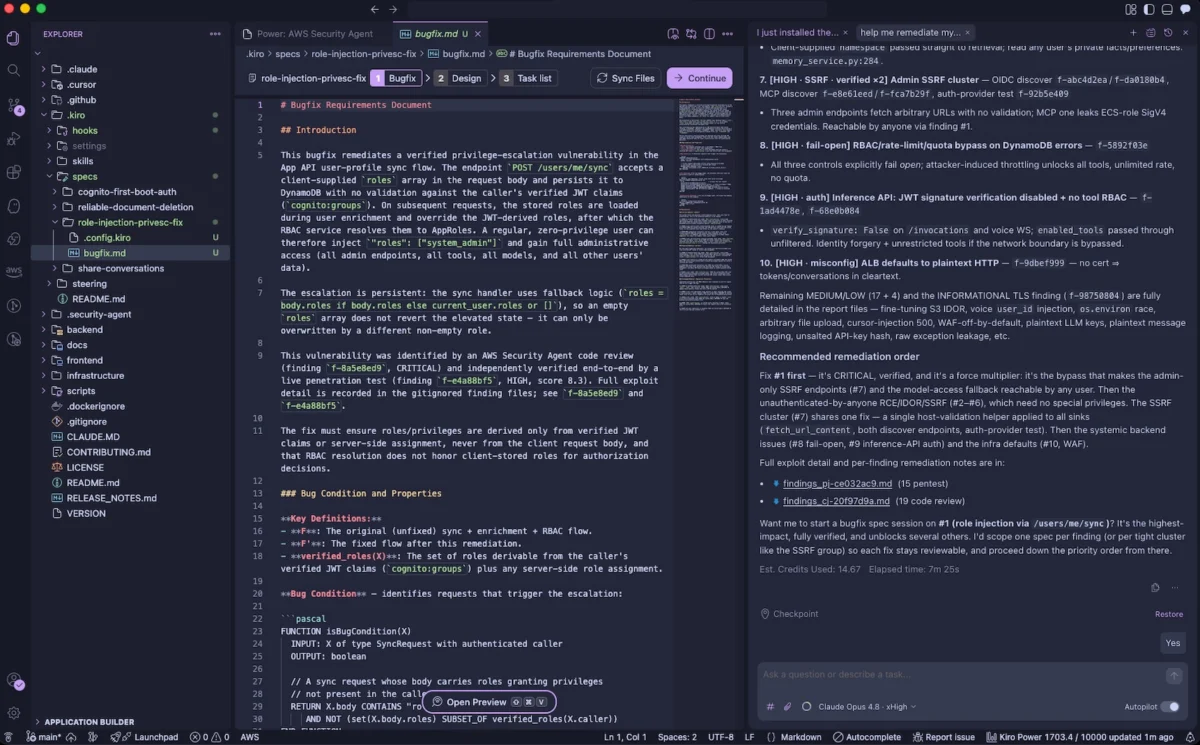
In an era where software supply chain vulnerabilities and complex cloud architectures define the threat landscape, AWS has taken a significant leap forward in shifting security left. Following the initial preview at re:Invent 2025, AWS has significantly bolstered its AWS Security Agent—a core component of the broader AWS Continuum platform. This evolution marks a transition from simple automated scanning to a sophisticated, agentic approach that embeds security intelligence directly into the development lifecycle, from initial design to final deployment.
The Evolution of AWS Security Agent: From Preview to Powerhouse
The journey of the AWS Security Agent has been rapid. Originally unveiled as a proactive security solution capable of custom penetration testing, the platform has matured to address the "security bottleneck" often faced by DevOps teams. By integrating deep reasoning-based analysis and contextual awareness, the agent is designed to reduce the friction between rapid software delivery and rigorous security compliance.
A Chronology of Innovation
- re:Invent 2025: AWS introduces the Security Agent preview, showcasing the ability to perform on-demand penetration testing verified by actual exploitability.
- March 2026: General Availability (GA) is achieved for on-demand penetration testing, allowing teams to simulate real-world attacks against their specific application architectures.
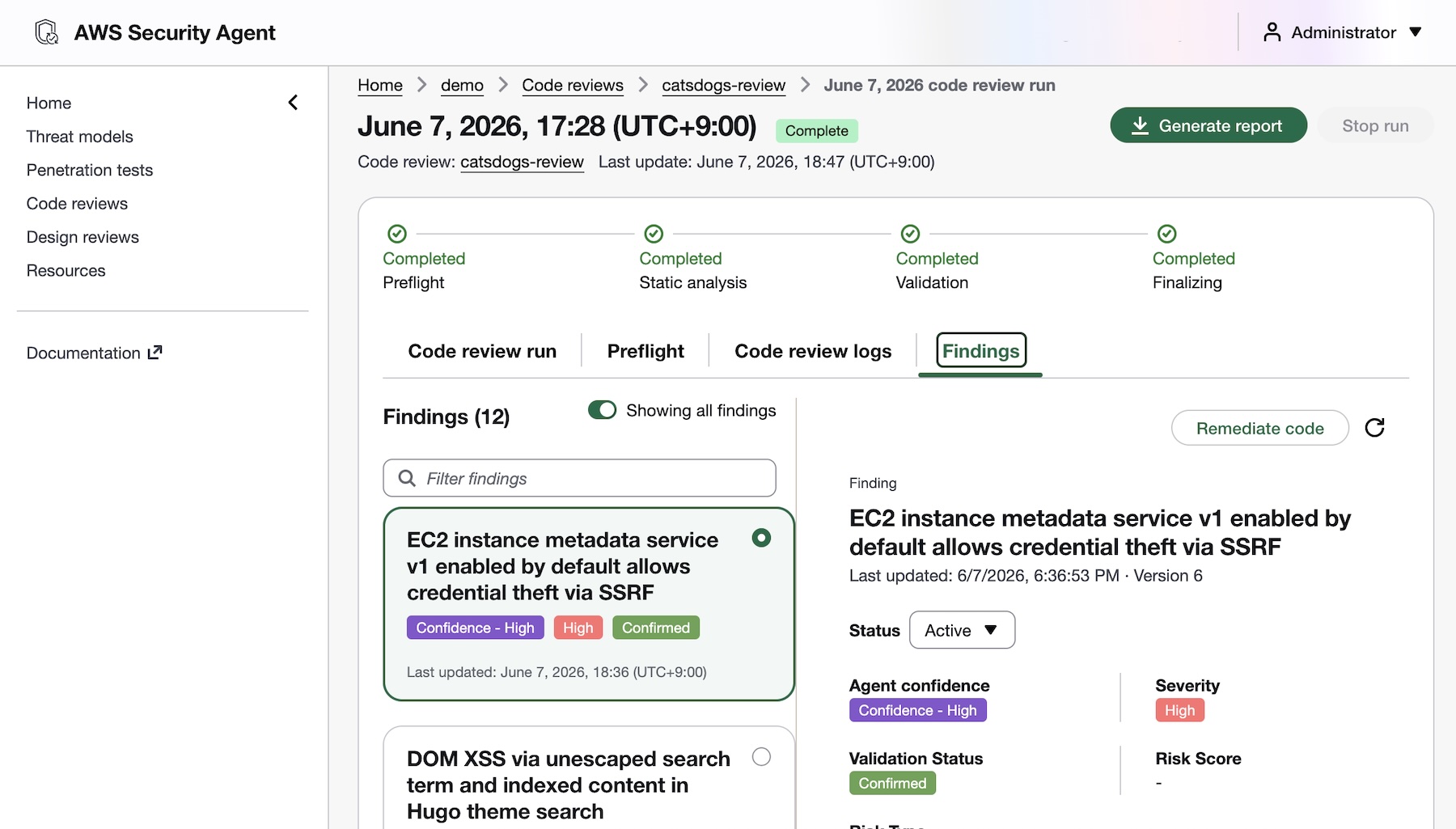
- May 2026: AWS releases the preview of "Full Repository Code Review," moving beyond superficial pattern matching to deep, context-aware analysis.
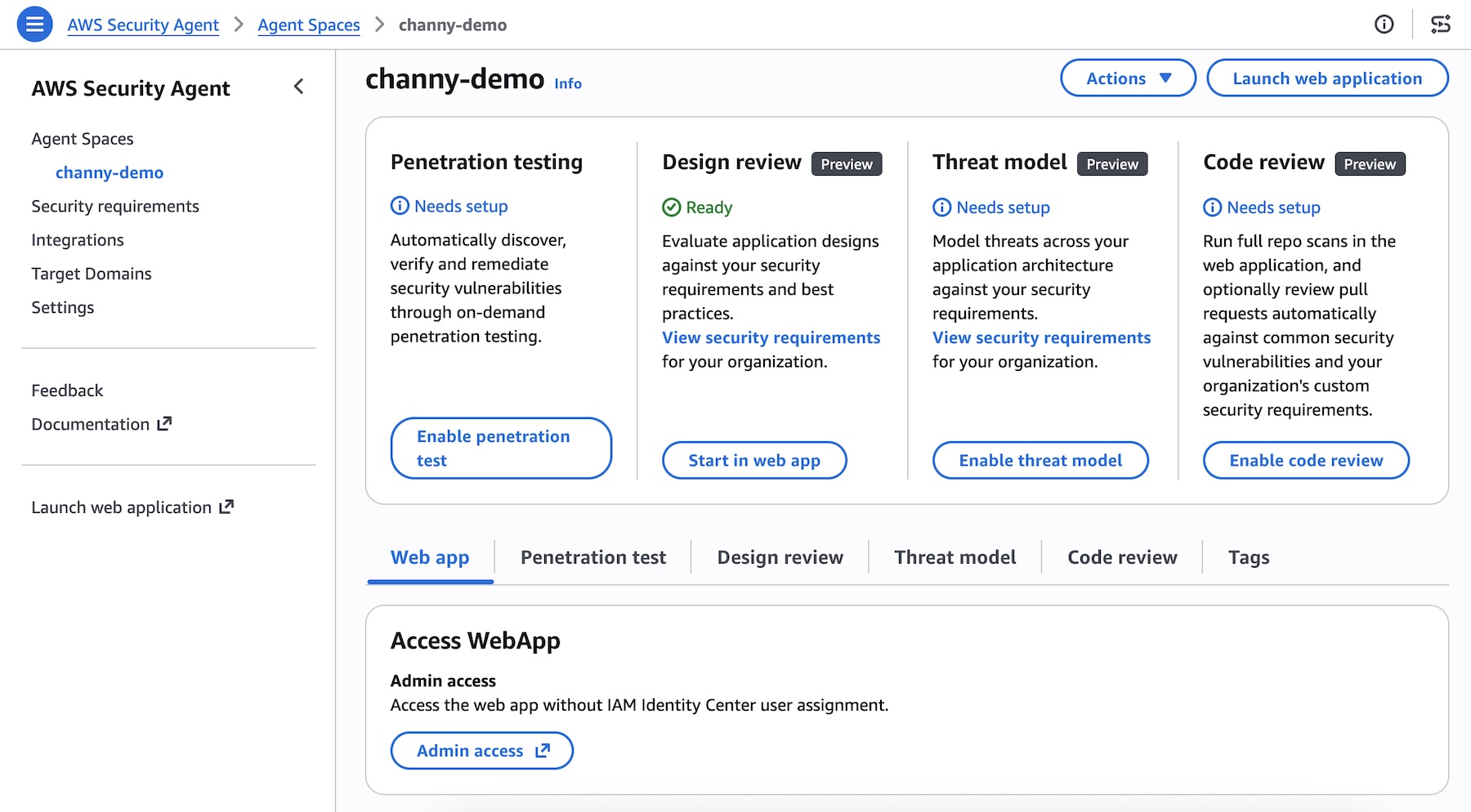
- June 2026 (Present): AWS announces an expansive update, including multi-platform repository support (GitLab, Bitbucket), Confluence integration for contextual documentation, and the launch of the "Kiro Power" and Claude Code plugin for IDE-based security orchestration.
Deep-Dive: Core Enhancements and Feature Expansion
The latest update introduces a suite of features that address the most common pain points in modern application development: repository fragmentation and the disconnect between security documentation and actual code.

Enhanced Code Review Ecosystem
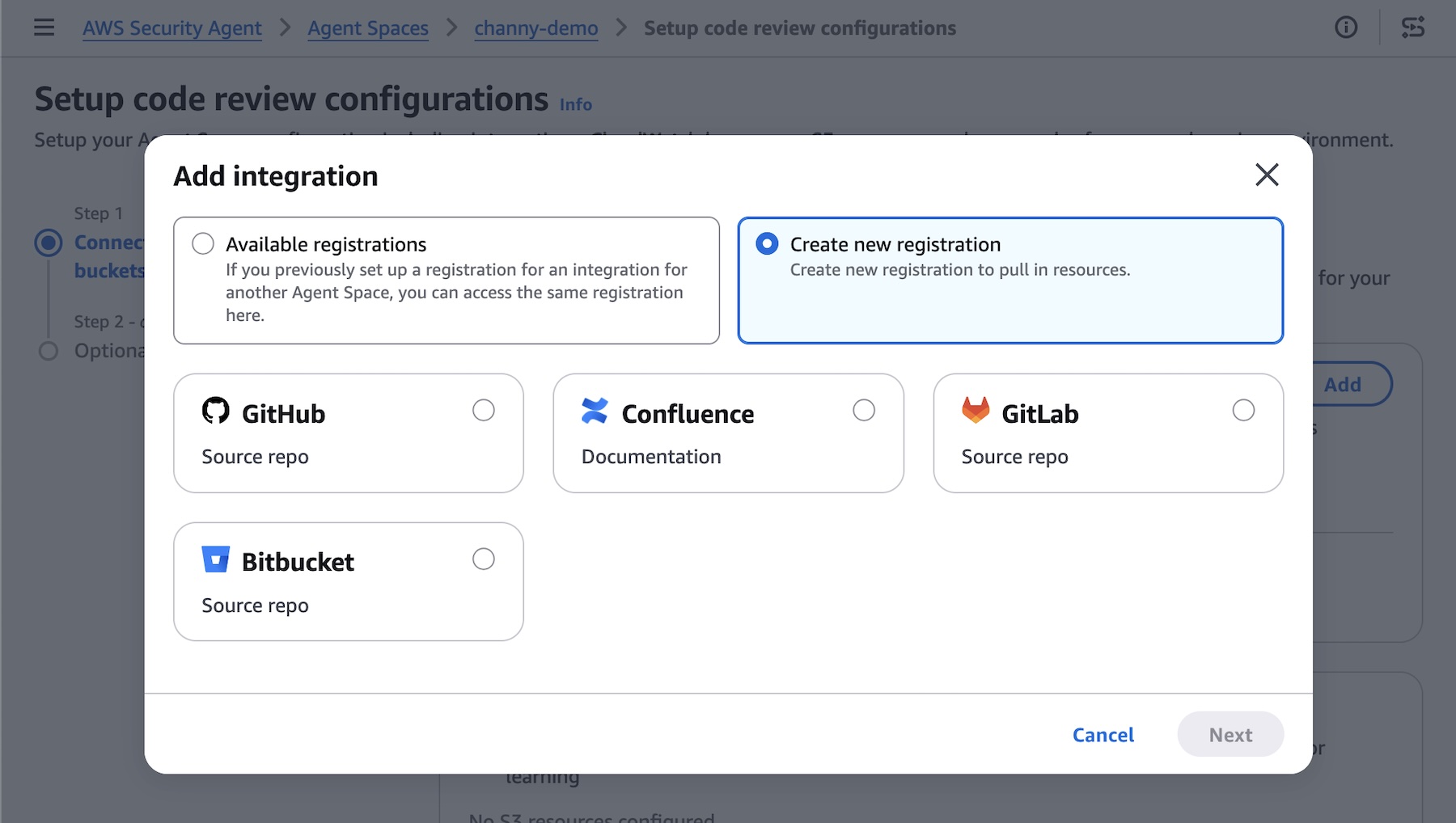
Historically, security tooling often struggled with the diversity of developer workflows. AWS has addressed this by extending support beyond GitHub. Security teams can now connect the AWS Security Agent to GitLab and Bitbucket, supporting both SaaS and self-hosted instances.
Furthermore, the integration of Confluence represents a breakthrough in contextual security. By referencing internal documentation, the agent can understand the specific business logic and security requirements of a project. Instead of flagging generic vulnerabilities, the agent provides remediation guidance that aligns with the organization’s unique internal policies and risk appetite.
Design-Time Compliance and Threat Modeling
Security is most effective when addressed before a single line of code is written. The new design review capabilities allow teams to validate security requirements against managed compliance packs, including:

- AWS Well-Architected Framework: Ensuring cloud-native best practices.
- NIST CSF & PCI DSS: Maintaining regulatory readiness automatically.
- Custom Organizational Policies: Allowing enterprises to import their own security standards.
The addition of automated Threat Modeling further solidifies this proactive stance. By analyzing design documents and code, the agent maps data flows, identifies trust boundaries, and highlights potential attack vectors. This allows architects to prioritize remediation based on actual risk rather than theoretical threats.
Orchestrating Security via "Kiro Power" and Claude Code
Perhaps the most disruptive element of the latest update is the introduction of Kiro Power and the Claude Code plugin. By leveraging an open Model Context Protocol (MCP) integration, AWS has brought security analysis directly into the developer’s Integrated Development Environment (IDE).
Security at the Speed of Thought
Developers no longer need to context-switch to a separate dashboard to review security findings. With the Kiro plugin:
- Inline Remediation: Developers can ask, "Help me remediate my findings," triggering the agent to download issues into the local workspace, prioritize them, and initiate a bug-fix session.
- Proactive Scanning: Developers can run a "full security scan" or "build a threat model" directly from their terminal or IDE.
- Validation: The agent doesn’t just suggest a fix; it generates the actual code commit and validates the remediation in a simulated environment, effectively closing the security feedback loop before the code even hits the CI/CD pipeline.
Implications for the Industry: The Death of the Security Bottleneck?
The shift toward "Agentic Security" has profound implications for how organizations manage risk. Traditionally, security testing was a "gate" at the end of the development process—a point of frustration that often delayed deployments.
Bridging the Gap
By embedding the AWS Security Agent into the IDE and the repository, the security team transitions from "gatekeepers" to "architects of policy." Security teams can configure the agent to monitor specific repositories and intervene only when critical risks are identified, while developers handle the day-to-day remediation. This democratization of security expertise is essential for organizations attempting to scale their cloud infrastructure without ballooning their security headcount.
Economic and Operational Impact
For enterprises, this means reduced technical debt and lower costs associated with late-stage vulnerability discovery. The ability to perform penetration testing via CLI as a final check before production deployment ensures that "what scanners miss," the AWS Security Agent finds. This holistic coverage—from design to deployment—is a significant competitive advantage in a high-velocity development environment.
Official Responses and Strategic Outlook
"AWS Security Agent understands the full security context across your software development lifecycle," stated AWS in their official product release. By unifying design-time, development-time, and deployment-time security, the platform aims to provide a single source of truth for an application’s security posture.
Industry analysts note that this move by AWS signals a broader trend: the commoditization of deep security expertise. As security agents become more capable of reasoning, the baseline for "secure code" rises across the entire industry. However, critics suggest that such deep integration necessitates a high degree of trust in the AI’s reasoning capabilities, making the transparency of the agent’s findings—which AWS addresses through its proof-of-exploitability reporting—a critical differentiator.
Getting Started: Availability and Pricing
The updated suite of features is currently available in all AWS commercial regions where the Security Agent is active. AWS has lowered the barrier to entry by offering a 2-month free trial, encouraging teams to integrate the agent into their existing workflows to see immediate improvements in their security posture.
For those ready to integrate, the process is straightforward:
- Enable the Agent: Navigate to the Security Agent console.
- Connect Repositories: Link your GitHub, GitLab, or Bitbucket accounts.
- Install the Plugin: Deploy the Kiro power and Claude Code plugin to your IDE.
- Baseline Your Security: Run a full repository scan to establish your current risk profile.
Conclusion
The latest updates to the AWS Security Agent represent more than just new features; they represent a fundamental change in the relationship between developers and security. By providing the tools to analyze, threat model, scan, and remediate in a unified, AI-driven interface, AWS is enabling organizations to move faster while becoming more resilient. In the evolving landscape of 2026, the question is no longer whether a company can afford to build fast, but whether it can afford to build without an intelligent, agentic security partner.
For detailed technical guidance, developers are encouraged to visit the AWS Security Agent User Guide or join the conversation on the AWS re:Post forum.
 Neng Nana
  Suro Senen
  Lina Hope