
 By Ali Ikhwan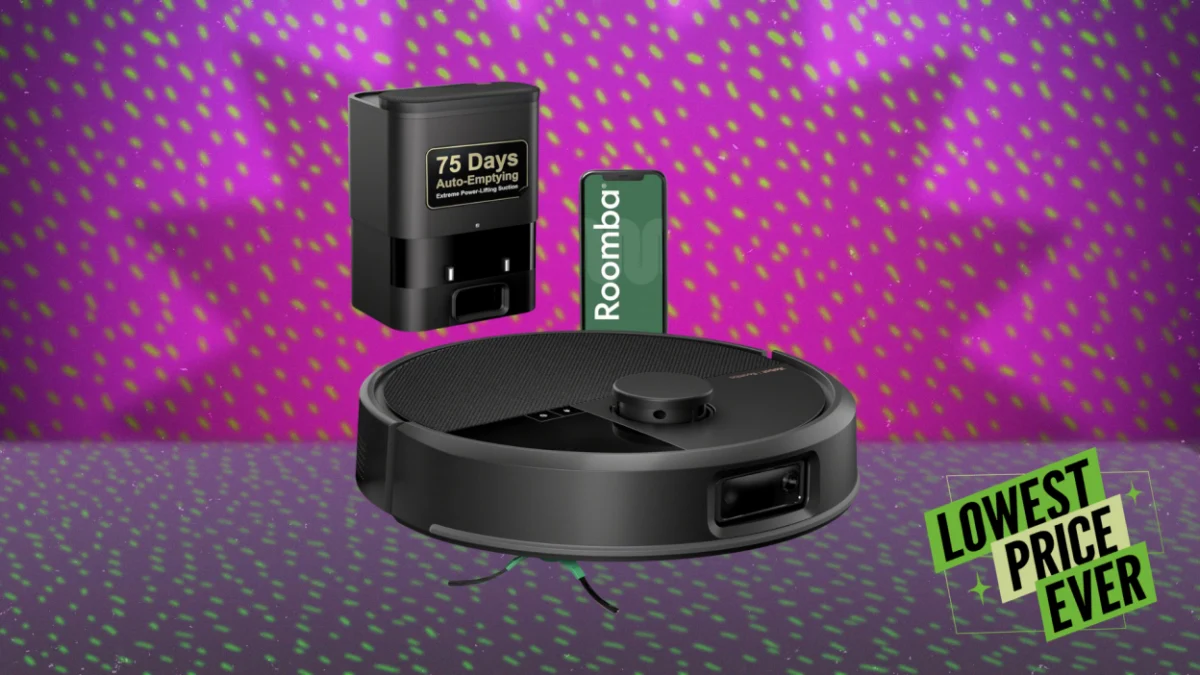
For the modern homeowner, the quest for a spotless living space often feels like a constant battle against the accumulation of dust, pet hair, and debris. While the market is flooded with hybrid robot vacuum-mops, many users find that these multi-functional devices often trade off specialized cleaning performance for versatility. If you prefer a dedicated, high-performance vacuuming solution that minimizes maintenance, the iRobot Roomba Max 705 stands out as a premier candidate.
Currently, the Roomba Max 705 is available at a record-low price of $499, marking a significant 45% reduction from its original retail price of $899.99. This deal presents a rare opportunity to acquire high-end automation technology at a mid-range price point.
Main Facts: The Evolution of Intelligent Cleaning
The Roomba Max 705 represents a strategic shift in iRobot’s product lineup. By stripping away the complexities of integrated mopping systems, iRobot has focused its engineering resources on maximizing suction, navigation, and user-friendliness.
Key specifications and features include:
- Enhanced Suction Power: While iRobot does not provide a standard "Pa" (Pascal) rating, the unit boasts 180x the suction power of the legacy 600 Series. This represents a massive leap in cleaning efficacy for deep-pile carpets.
- Anti-Tangle Technology: Equipped with specialized rubber brushes, the Max 705 is specifically designed to prevent hair entanglement—a common failure point in older robot vacuum models.
- Intelligent Navigation: The unit utilizes LiDAR technology combined with advanced AI object recognition to map complex environments and avoid common household hazards.
- Auto-Empty Convenience: The included base station is capable of holding up to 75 days of debris, allowing users to experience a truly "hands-off" cleaning experience for over two months.
- Advanced Filtration: The vacuum utilizes enclosed disposable bags and high-efficiency filters capable of capturing particles as small as 0.7 microns, making it an essential tool for allergy sufferers.
A Chronological Look at Robot Vacuum Innovation
To understand why the Roomba Max 705 is a milestone, one must look at the trajectory of the industry over the last two decades.
The Early Days (2002–2010)
The introduction of the original Roomba changed household chores forever. These early devices were largely "bump-and-go" machines, relying on randomized patterns and basic bumper sensors to navigate rooms. They were effective for surface-level dust but lacked the intelligence to clean efficiently or avoid obstacles.
The Rise of Smart Mapping (2011–2018)
As technology matured, manufacturers began integrating camera-based and later LiDAR-based navigation. This allowed robots to clean in organized rows rather than random patterns. The integration of smartphone apps gave users the power to schedule cleanings remotely, though the hardware was still prone to getting stuck on rug tassels or tangled with pet hair.
The Modern Era (2019–Present)
The current generation, epitomized by the Roomba Max 705, focuses on "set it and forget it" reliability. With the integration of AI-driven obstacle avoidance and auto-emptying technology, the modern robot vacuum has moved from a novelty gadget to a genuine appliance that can manage a household’s cleaning schedule with minimal human intervention.
Supporting Data: Why Specialized Cleaning Wins
Why choose a vacuum-only unit when so many competitors offer mopping functionality? The answer lies in engineering tradeoffs.
Performance vs. Versatility
A hybrid unit must sacrifice internal space to house a water reservoir and a dirty water tank. By eliminating these components, the Roomba Max 705 allows for a larger dustbin, a more robust motor, and a more streamlined airflow path. This leads to higher static pressure—the metric that truly determines how well a vacuum pulls dirt from deep within carpet fibers.

The Allergy Factor
The Max 705’s filtration system is a significant selling point. Standard vacuums often leak fine dust back into the air through exhaust vents. By utilizing an enclosed, sealed bag system, the Max 705 ensures that the dust captured—which includes pet dander and microscopic allergens—remains trapped until the bag is disposed of, preventing secondary contamination of the home environment.
The "Carpet Boost" Advantage
Soft flooring presents unique challenges. On hard surfaces, suction is often enough to clean effectively. On carpets, however, the vacuum must be able to agitate the fibers to release trapped grit. The "Carpet Boost" feature on the 705 detects flooring changes via sensors and automatically increases motor RPM, ensuring that high-traffic areas like living rooms and hallways receive a deeper clean than less-trafficked zones.
Official Responses and Industry Positioning
iRobot has positioned the Max 705 as the flagship for the "pure vacuum" segment. In official product documentation and marketing materials, the company emphasizes that their AI recognition software is constantly being updated via over-the-air firmware patches.
Industry analysts note that while many competitors have shifted toward budget-friendly hybrid models, iRobot’s commitment to premium suction performance keeps them at the top of the market for consumers who prioritize carpet maintenance. The current $499 price point is seen by retail experts as a tactical move to capture market share from mid-tier brands that promise "all-in-one" features but often fail to provide consistent suction quality over time.
Implications for the Future of Home Maintenance
The move toward automated cleaning has significant implications for how we design and live in our homes.
Time Recovery
For the average household, manual vacuuming takes several hours per week. A device like the Roomba Max 705 effectively recovers this time. With its app-based "no-go zone" feature, users can block off areas with delicate cables or small toys, ensuring the robot cleans exactly where it is needed without requiring the user to "prep" the house for an hour beforehand.
The Shift in Consumer Expectation
Consumers are no longer satisfied with robots that simply move around; they now expect intelligent floor-care management. The success of the 705 suggests that the market is bifurcating into two distinct paths:
- The Hybrid Enthusiast: Those who want a machine that does a "good enough" job at both vacuuming and mopping.
- The Performance Enthusiast: Those who prefer a high-end, dedicated vacuum for carpets and hard floors, and perhaps a separate, dedicated mop (like the Braava line) for specialized floor care.
The Sustainability Aspect
The longevity of the Max 705 is another critical factor. Because it lacks the mechanical complexity of a wet-mopping system (which involves pumps, seals, and water lines prone to clogging and leakage), the Max 705 is statistically less likely to experience mechanical failure. This makes it a more sustainable investment for the environmentally conscious consumer looking for an appliance that will last for several years rather than being replaced in 18 months.
Conclusion: Is the Deal Right for You?
The iRobot Roomba Max 705 is currently positioned as one of the most capable tools in the home-cleaning arsenal. Its combination of AI-powered navigation, massive suction improvements over previous generations, and a simplified maintenance schedule makes it an ideal upgrade for anyone currently struggling with an aging robot vacuum or the inefficiencies of a low-end hybrid unit.
At $499, you are receiving technology that was priced at a premium level just months ago. Whether you are battling shedding pets, high-traffic carpeted areas, or simply the desire to reclaim your weekend from household chores, the Max 705 offers a level of reliability and performance that is hard to ignore. As always, deal pricing is subject to change; however, for those currently in the market, this represents a significant value proposition in the world of smart home technology.
 Layla Zulfa
  Asro
Asro  Reynand Wu