
 By Sagoh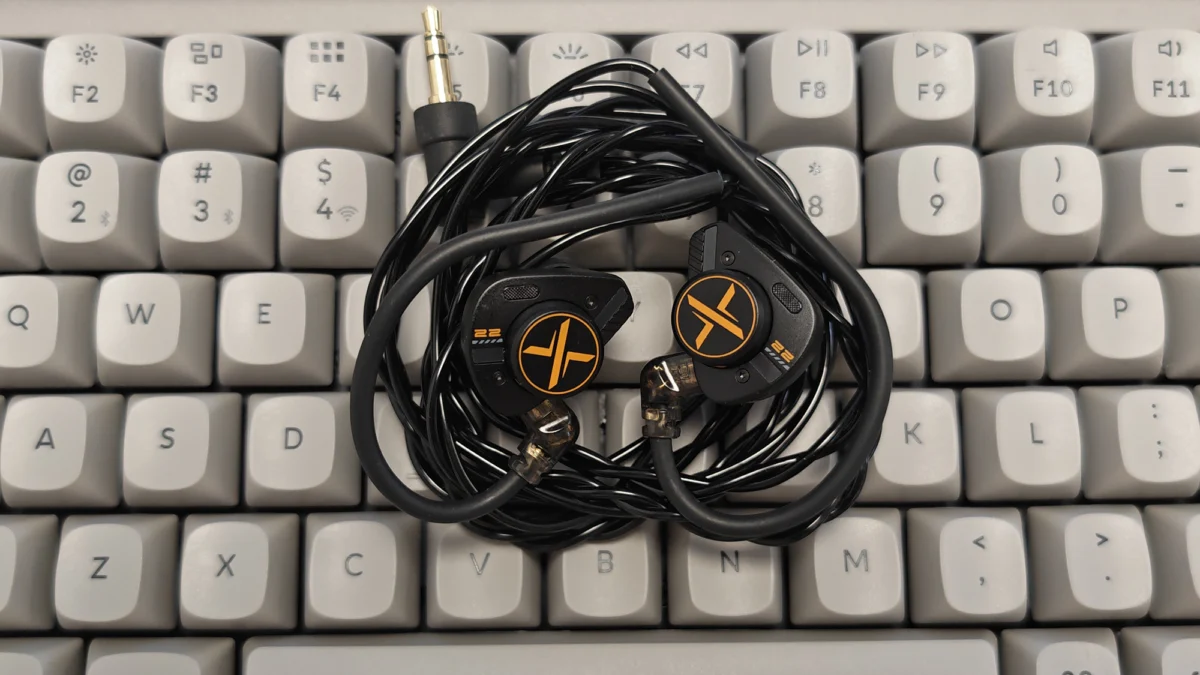
In a landscape saturated with audio innovations vying for attention, a remarkable contender has emerged from the depths of the budget market, challenging preconceived notions of what affordable in-ear monitors (IEMs) can achieve. The OoopusX Op.22, priced at an astonishing $35 on Amazon, is not merely another entry-level device; it is a meticulously engineered instrument poised to become the definitive recommendation for discerning listeners on a budget, potentially disrupting the sub-$100 category entirely.
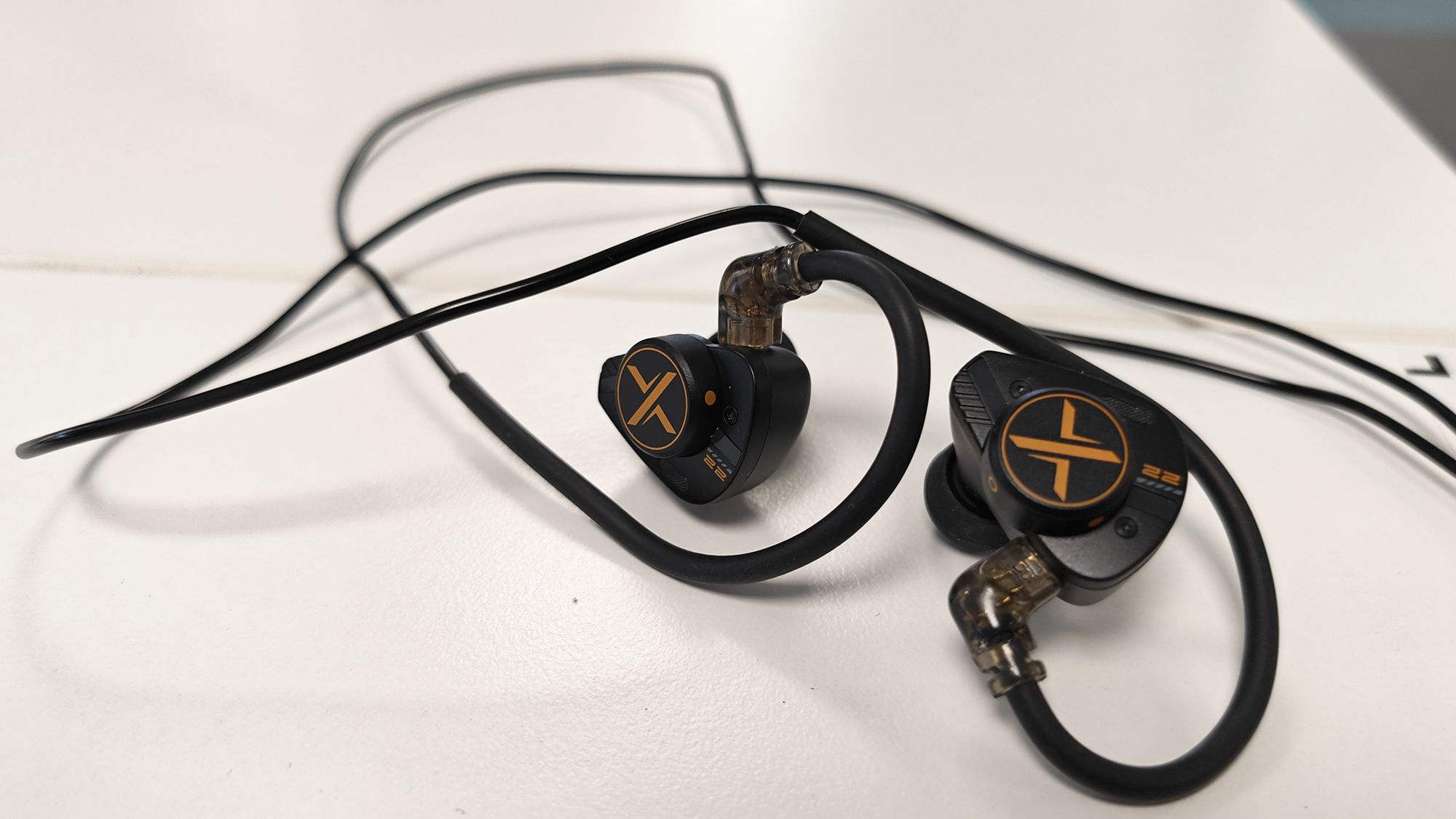
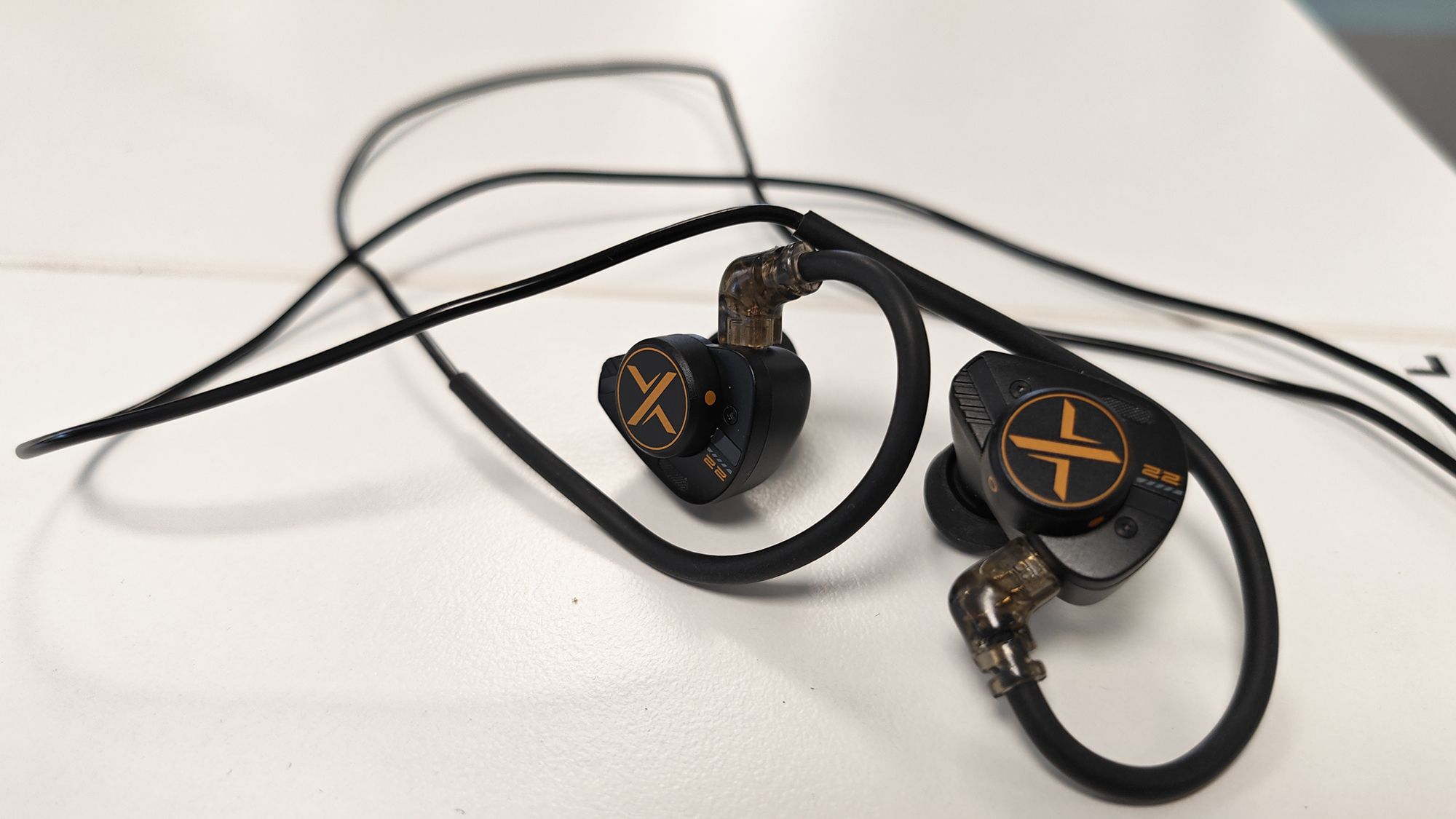
This unassuming pair of IEMs, identified by a leading audio expert as their unequivocal top pick, delivers an auditory experience typically reserved for significantly higher price brackets. Its standout feature is an innovative dual sound profile system, accessible via a unique rotary dial on each earpiece. This mechanism allows users to seamlessly switch between a balanced, neutral tuning – an ideal gateway for newcomers to the audiophile world – and a vibrant, bass-enhanced profile, delivering an additional 6dB of sub-bass punch without compromising overall clarity. The OoopusX Op.22 is more than a novelty; it represents a genuine value proposition, democratizing high-fidelity audio and setting a new benchmark for performance at its price point.
Main Facts: A Paradigm Shift in Budget Audio
The core of the OoopusX Op.22’s appeal lies in its audacious combination of affordability and sophisticated acoustic engineering. At a mere $35, it presents an unparalleled offering in the highly competitive in-ear monitor market. The central innovation is its user-adjustable sound signature, a feature almost unheard of at this price point and, critically, executed with remarkable precision.
Firstly, the Op.22 provides a "balanced, neutral tuning." For many consumers accustomed to the ubiquitous "V-shape" sound profile of mainstream headphones – characterized by boosted bass and treble at the expense of recessed midrange – this neutral setting is a revelation. It allows the often-overlooked vocal and instrumental textures in the midrange to shine through, offering a clearer, more natural representation of music. This profile serves as an excellent educational tool for those embarking on their audiophile journey, training the ear to appreciate sonic accuracy.
Secondly, and perhaps more groundbreaking for its price, is the Op.22’s "basshead" mode. A subtle rotary dial on each earpiece allows users to engage an extra 6dB of sub-bass. This isn’t just a simple bass boost; it’s a targeted enhancement of the lowest frequencies, adding depth and impact without bleeding into the crucial midrange or muddying the overall sound. This feature transforms the Op.22 into a versatile performer, equally capable of delivering analytical neutrality for classical or acoustic tracks and providing an exhilarating, visceral experience for genres like hip-hop and EDM, where powerful bass is paramount. The fact that the treble and mids remain largely unaffected in this mode is a testament to the thoughtful tuning, ensuring that the bass enhancement is "genuinely fun, if not a little addictive," rather than overwhelming.
The immediate recommendation from an experienced reviewer, who routinely evaluates high-end headphones costing thousands of dollars, underscores the significance of the Op.22. This isn’t just a "good for the price" product; it’s being hailed as a legitimate challenger to options costing two or three times as much, making it a "go-to recommendation for under $50 – maybe even under $100." The OoopusX Op.22 is not just an IEM; it’s a statement about accessibility in high-fidelity audio.
Chronology: The Evolution of Adjustable Audio and Budget IEMs
The concept of user-adjustable sound profiles in audio devices is not entirely novel, yet its successful implementation, particularly in the budget IEM segment, has been a protracted journey fraught with technical challenges. Understanding this historical context illuminates the significance of the OoopusX Op.22’s achievement.
The Evolution of Budget IEMs
For many years, the budget IEM market was a Wild West, dominated by generic, poorly tuned products that prioritized low cost over sound quality. The late 2000s and early 2010s saw a gradual improvement, but true "audiophile" sound remained largely the domain of premium brands and higher price points. The mid-2010s witnessed the rise of "Chi-Fi" (Chinese Hi-Fi), a movement characterized by numerous small and large Chinese manufacturers leveraging efficient production and direct-to-consumer sales to offer increasingly competent audio products at previously unimaginable prices. This era saw rapid innovation in driver technology, material science, and acoustic tuning, pushing the boundaries of what consumers could expect from affordable IEMs. However, even within this boom, truly versatile sound signatures or high-quality adjustable features remained elusive for the sub-$50 category. Most budget IEMs offered a fixed tuning, often leaning towards a consumer-friendly V-shape, leaving little room for personalized audio experiences.
The Bass Dial’s History: A Precedent of Promise and Pitfalls
The idea of a physical dial to adjust bass response in an in-ear monitor first gained prominence with the legendary Sennheiser IE8, released in 2008. This groundbreaking product, a high-end dynamic driver IEM, featured a small rotary switch that allowed users to subtly increase or decrease the bass response according to their preference. The IE8 was lauded for its sound quality and its innovative customizability, becoming a benchmark for premium IEMs.
Following the IE8’s success, a few other manufacturers, notably some Chinese brands like KZ with their IE80 model, attempted to replicate this feature. However, these early clones and imitations often fell short. While they included a physical dial, the implementation was frequently flawed. Instead of providing a clean, controlled bass boost, these dials often introduced "muddy mid-bass bloat." This phenomenon occurs when the bass frequencies are boosted indiscriminately, causing them to bleed into the lower midrange, obscuring vocals and instruments, and resulting in a less defined, boomy, and generally unpleasant sound. The challenge lay in engineering a bass adjustment mechanism that could selectively enhance sub-bass frequencies without compromising the integrity of the rest of the audio spectrum. For years, this technical hurdle meant that adjustable bass, while desirable, was rarely executed effectively, especially outside of premium offerings.
OoopusX’s Entry: Learning from the Past
The OoopusX Op.22 arrives at a point where the budget IEM market is mature, and manufacturing techniques have advanced significantly. Its introduction with a well-implemented adjustable bass dial is a clear indication that the brand has studied the successes and failures of its predecessors. Instead of merely adding a feature for novelty, OoopusX has focused on refining the execution. By delivering a targeted 6dB sub-bass punch that leaves mids and treble largely untouched, they have addressed the "muddy mid-bass bloat" issue that plagued earlier attempts. This thoughtful engineering positions the Op.22 not just as an affordable option, but as a product that learns from the industry’s history to deliver a genuinely groundbreaking feature at an unprecedented price point. It signifies a new era where sophisticated audio customization is no longer exclusive to the high-end market.
Supporting Data: Deconstructing the Op.22’s Acoustic Prowess
While the original article does not provide a full technical specification sheet, the detailed description of its sonic performance allows us to infer the underlying engineering principles that make the OoopusX Op.22 such a compelling product. Its ability to offer two distinct, high-quality sound profiles via a simple mechanical dial speaks volumes about its internal design.
Audio Performance Deep Dive: Two Tunings, One Exceptional IEM
The Op.22’s core strength lies in its dual sound profiles, each meticulously tuned to cater to different listening preferences without compromise.
-
The Neutral Profile: A Window to Audiophile Purity:
When set to its balanced, neutral tuning, the Op.22 provides an uncolored and accurate sound reproduction. "Neutral tuning" in audiophile terms means that no particular frequency range is artificially boosted or cut, aiming for a faithful representation of the original recording. This contrasts sharply with the "V-shape" sound signature prevalent in most commercial headphones, which typically emphasize bass and treble to create a more "exciting" but less accurate sound. The V-shape often results in "recessed mids," where vocals and instrumental fundamentals can sound distant or overshadowed.
The Op.22’s neutral profile, therefore, offers a "treat" by bringing the mids to the forefront. This means listeners can hear the nuanced textures of instruments like guitars, pianos, and drums, as well as the intricate details in vocal performances, with newfound clarity. For someone accustomed to a V-shape, this neutral presentation can be transformative, opening their ears to details and complexities in their favorite music they never knew existed. It serves as an excellent foundation for critical listening and appreciating the artistry of sound engineering. -
The Basshead Profile: Controlled Power:
The ability to twist a rotary dial and instantly gain an "extra 6dB of sub-bass punch" is where the Op.22 truly distinguishes itself. This is not merely a blunt instrument for bass; it’s a targeted enhancement. Sub-bass refers to the very lowest frequencies, typically below 60Hz, which are responsible for the deep rumble and physical impact in music. In contrast, mid-bass (around 60-250Hz) provides warmth and body. The problem with many bass-boosted headphones is that they indiscriminately boost mid-bass, leading to the aforementioned "muddy bloat."
The Op.22’s clean execution means the +6dB boost primarily targets the sub-bass region. This allows genres like hip-hop, EDM, dubstep, and electronic music to truly come alive, delivering a powerful, room-shaking sensation without overwhelming the rest of the mix. The crucial detail is that "the treble and mids remain unchanged." This ensures that while the bass gains significant authority, vocals remain clear, and high-frequency details sparkle, maintaining an engaging and balanced sound signature even in its bass-heavy mode. This level of clean, adjustable bass is exceedingly rare in any IEM, let alone one costing $35. The reviewer’s description of it as "genuinely fun, if not a little addictive" speaks to its successful implementation.
Ergonomics and Build Quality
While the article doesn’t delve into granular details about materials, we can infer certain aspects typical of a well-engineered budget IEM. The rotary dial itself is a physical component, suggesting a degree of mechanical robustness. The "tight ear tip seal" requirement for optimal bass performance is a universal truth for IEMs. A good seal ensures that sound waves, particularly low frequencies, are not lost to the outside environment, allowing the drivers to perform as intended. This implies that the Op.22 likely comes with a selection of ear tips to help users achieve this crucial seal, or at least benefits greatly from aftermarket tip rolling. Given the price, the build materials are likely durable plastics, designed to be lightweight and comfortable for extended wear, reflecting smart choices to balance cost with functionality and user experience.
Value Proposition Justification
The Op.22’s $35 price tag is not just competitive; it’s disruptive. The reviewer explicitly states, "At $35, the OoopusX Op.22 is a genuine value proposition, not a novelty." This assertion is backed by the comparison to the Sennheiser IE8, a high-end product from over a decade ago, which pioneered the bass dial but came at a significantly higher cost. The fact that the Op.22 can replicate and even improve upon this feature’s execution at such an accessible price point makes it an outlier. For serious music fans, or indeed anyone curious about exploring higher fidelity audio without a substantial investment, the Op.22 offers an unprecedented entry point. It challenges the long-held belief that advanced features and excellent sound require a premium price, effectively redefining expectations for budget audio.
Official Responses: An Implicit Challenge to the Industry
As the article does not include direct quotes from OoopusX, we must consider the "official response" as an implicit statement made by the product itself and the anticipated reaction from the wider audio community.
Manufacturer’s Vision: Democratizing High Fidelity
The very existence and pricing of the OoopusX Op.22 speak volumes about the manufacturer’s vision. It suggests a deliberate strategy to democratize high-fidelity audio, making advanced features like adjustable sound signatures accessible to a broader audience. By offering such a capable product at $35, OoopusX is effectively challenging the established market hierarchy, where innovation often trickles down slowly from premium segments. Their approach indicates a focus on delivering maximum value and a belief that quality sound should not be an exclusive luxury. This move could be interpreted as a direct response to the increasing demand for high-quality, yet affordable, audio solutions, particularly from younger generations and emerging markets.
Industry Reaction: A Rippling Effect
The introduction of the OoopusX Op.22 is likely to send ripples through the budget IEM industry. Competitors, especially those operating in the sub-$100 and even sub-$200 categories, will undoubtedly take notice. Such a product, receiving enthusiastic endorsements from experienced reviewers, can quickly become a benchmark. This might compel other manufacturers to:
- Innovate Further: Invest more in R&D to incorporate similar advanced features, such as clean adjustable sound profiles, into their own budget offerings.
- Re-evaluate Pricing: Potentially lower prices on existing models or introduce new, more competitive products to stay relevant in a market where the value proposition has been drastically redefined.
- Focus on Execution: Move beyond superficial feature implementation to truly engineer solutions that enhance the user experience, much like the Op.22’s successful bass dial.
The impact could be a positive one for consumers, fostering greater competition and accelerating the pace of innovation at the lower end of the market, ultimately leading to even better and more affordable audio products.
Reviewer’s Stance: Credibility and Conviction
The strong endorsement from the reviewer, Beren, an Ecom Editor on Creative Bloq with a background in reviewing high-end audio gear, lends immense credibility to the Op.22’s claims. His experience with "testing $5,000 headphones as well as the best budget options" provides a crucial comparative perspective. When such a seasoned expert unequivocally declares a $35 IEM as their "go-to recommendation" and asserts it’s "a genuinely great value proposition for serious music fans," it’s a powerful statement. This isn’t hype; it’s an informed judgment based on extensive listening and comparative analysis, further cementing the Op.22’s status as a significant product.
Implications: Reshaping Expectations and the Future of Affordable Audio
The arrival of the OoopusX Op.22 has profound implications for various stakeholders within the audio ecosystem, from individual consumers to the broader industry. It challenges established norms and sets new expectations for what "budget" truly means.
For the Consumer: An Accessible Audiophile Gateway
For the vast majority of consumers, the Op.22 represents an unprecedented opportunity.
- New Audiophiles: It serves as an ideal entry point into the world of high-fidelity audio. The neutral profile provides an educational experience, allowing new listeners to appreciate accurate sound reproduction and discover details previously masked by consumer-grade tunings. The ability to then switch to a bass-enhanced profile offers a fun, customizable experience without requiring multiple sets of headphones.
- Casual Listeners: For those simply looking to upgrade from bundled earbuds or cheap commercial headphones, the Op.22 offers a significant leap in sound quality, versatility, and overall enjoyment at a price that is barely more than a few cups of coffee.
- Seasoned Audiophiles: Even experienced enthusiasts might find the Op.22 to be an excellent portable or secondary option. Its robust performance and adjustable tuning make it perfect for travel, gym use, or as a reliable backup without having to risk more expensive gear. The clean bass boost is also appealing for those who appreciate different sound signatures for various music genres.
For the Audio Industry: A New Benchmark and a Call to Innovate
The Op.22 could very well become a new benchmark for ultra-budget IEMs. It demonstrates that advanced features and excellent acoustic performance are achievable at price points previously thought impossible.
- Innovation Acceleration: This product could spur further innovation across the industry, particularly in feature integration and acoustic design at lower price points. Manufacturers might be forced to re-evaluate their cost structures and engineering priorities.
- Blurring the Lines: The Op.22 contributes to the ongoing trend of blurring the lines between budget and high-end audio. As technology advances and manufacturing processes become more efficient, the performance gap between affordable and premium products continues to shrink, making "audiophile sound" increasingly accessible.
- Focus on "Clean" Implementation: The success of the Op.22’s bass dial highlights the importance of not just having a feature, but executing it flawlessly. This could shift the industry’s focus from merely adding features to ensuring those features genuinely enhance the user experience without introducing sonic compromises.
The Future of Affordable Audio: Customization and Value
The OoopusX Op.22 suggests a future where personalization and exceptional value are key drivers in the affordable audio market. As consumers become more discerning and educated about sound quality, products that offer versatility and superior performance without breaking the bank will gain significant traction. This trend, driven by pioneers like OoopusX, promises a vibrant and competitive landscape where quality audio is no longer an exclusive pursuit but a widely available pleasure.
The Importance of a Good Seal: A Fundamental Truth
Finally, the mention of achieving a "tight ear tip seal" underscores a fundamental truth in IEM performance. Regardless of how well-engineered an IEM is, its sound quality, especially bass response, is heavily dependent on a proper fit. This small detail, often overlooked by consumers, remains critical for unlocking the full potential of any in-ear monitor, reinforcing that even the most innovative technology benefits from correct user interaction. The Op.22’s success, in part, relies on this basic principle being understood and applied by its users, further cementing its role as an educational tool for budding audiophiles.
In conclusion, the OoopusX Op.22 is more than just a pair of $35 IEMs; it is a disruptive force that redefines expectations for budget audio. Its blend of accessible price, versatile sound profiles, and innovative, clean bass adjustment positions it as a groundbreaking product that will undoubtedly shape the future of affordable high-fidelity listening.
 Evan Lee Salim
  Nana
Nana  Ammar Sabilarrohman