
 By Nana Muazin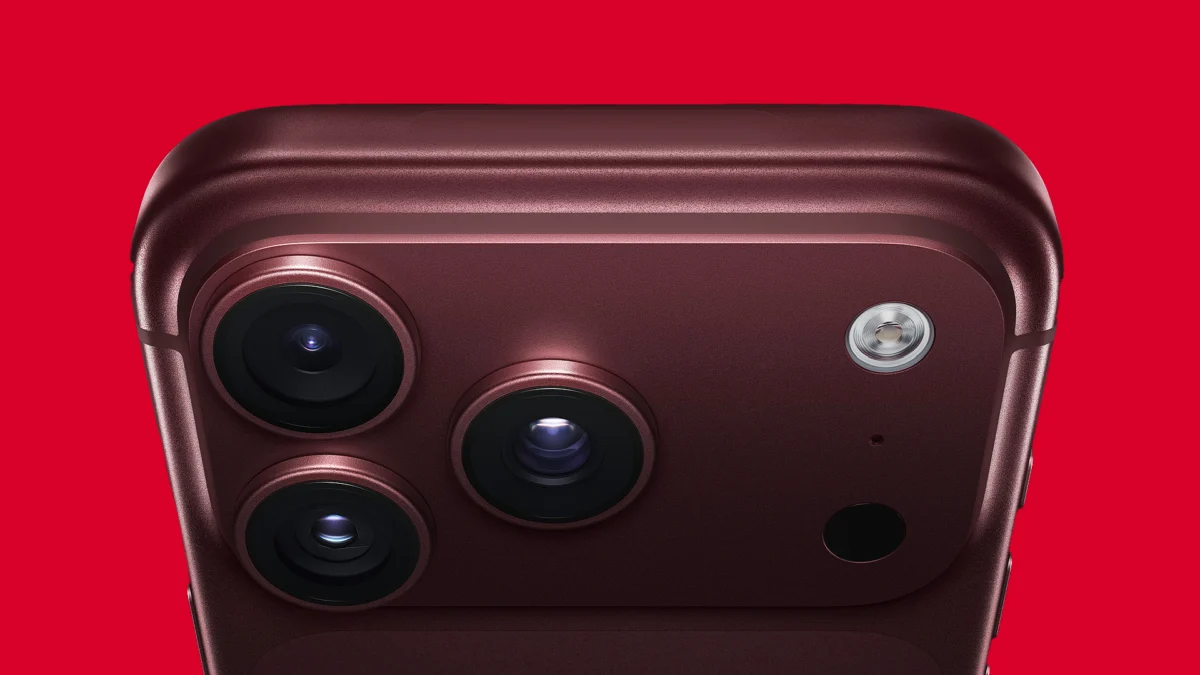
The landscape of consumer mobile technology shifted once again this week as Apple officially opened preorders for the highly anticipated iPhone 18 Pro. Marking the latest evolution in the company’s storied smartphone lineup, the device promises to push the boundaries of processing power, photographic fidelity, and integration within the Apple ecosystem. While the tech industry remains abuzz with the impending arrival of the "iPhone Duo"—Apple’s rumored foray into the foldable market—the spotlight for the next month remains firmly fixed on the standard-bearer of the Pro series.
With units scheduled to begin shipping on September 18, the race to secure the latest hardware has begun. For consumers, this launch is defined not just by the specifications of the silicon within, but by an aggressive suite of trade-in offers and financial incentives designed to facilitate an easy upgrade path.
Main Facts: What You Need to Know
The iPhone 18 Pro represents Apple’s continued refinement of its premium tier. While technical specifications remain subject to the nuanced hands-on reviews of the coming weeks, the preorder phase has confirmed several key market details.
The device is positioned as the primary workhorse for power users, creative professionals, and those deeply invested in the Apple ecosystem. Prospective buyers can now place their orders directly through the official Apple Store, which is currently offering trade-in credits of up to $885 depending on the condition and model of the customer’s previous device.
However, for those looking to maximize their savings, major carriers including Verizon and AT&T have introduced promotional bundles via retail partners like Best Buy. In certain configurations, these carrier-backed deals can reach up to $1,200—effectively covering the entire cost of the base model for qualified customers. Beyond the hardware, Apple is further sweetening the pot by bundling trial subscriptions: new or returning subscribers can claim up to three months of Apple Music and one month of Apple TV+ at no additional cost.
A Chronology of the 2025 Flagship Cycle
The journey to the iPhone 18 Pro launch has been one of calculated anticipation. Since the beginning of the year, industry analysts and supply chain observers have monitored Apple’s manufacturing cadence with intense scrutiny.
- Q1 2025: Initial rumors regarding the A-series chipset advancements began to circulate, with reports suggesting significant gains in thermal efficiency and AI-integrated processing power.
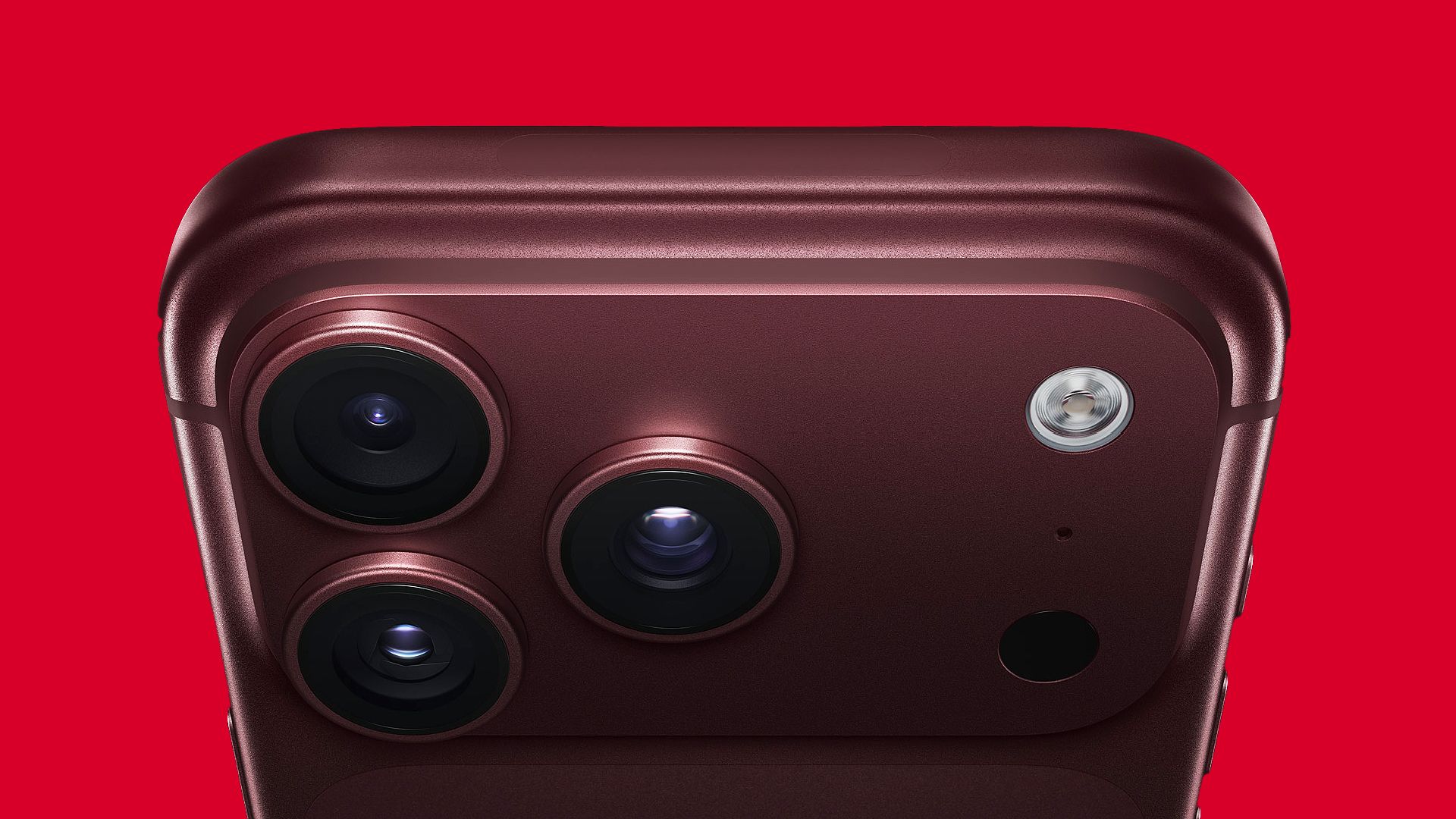
- May 2025: Early supply chain reports indicated that Apple had finalized its design language for the 18-series, focusing on titanium chassis durability and refined camera module housing.
- August 2025: Formal announcements at the Apple September event confirmed the release date of September 18, putting an end to speculation regarding potential manufacturing delays.
- September 2025 (Current): The preorder window is now open. As of this writing, global distribution centers are preparing for the first wave of shipments, with retail stores setting up demo units to showcase the new display technology and haptic improvements.
Supporting Data: The Economics of the Upgrade
For many, the decision to upgrade is a purely mathematical one. The current market for smartphones is saturated, and as the cost of flagship devices climbs, the "true" price is often obscured by carrier financing and trade-in programs.
The $1,200 discount offered by major US carriers is a strategic move to lock users into multi-year contracts. To qualify for the maximum tier of these discounts, users must typically:
- Possess a "High-Spec" Previous Flagship: Devices such as the iPhone 16 Pro or 17 Pro in pristine condition are required to hit the top-tier trade-in values.
- Commit to Premium Data Plans: Carrier deals are rarely "free" in the traditional sense; they require enrollment in top-tier unlimited data plans that often carry higher monthly costs than budget-tier alternatives.
- Maintain Long-Term Agreements: Most of these deals are distributed as monthly bill credits over 24 or 36 months, meaning the "discount" is contingent upon the user remaining with the carrier for the duration of the device’s financing term.
When compared to direct trade-ins through Apple, which offer more liquidity and less "carrier lock-in," the consumer must weigh the convenience of a lower monthly bill against the freedom to switch providers.
Official Responses and Market Positioning
Apple’s official stance on the iPhone 18 Pro has been one of quiet confidence. In recent press statements, the company has emphasized the "holistic experience" of the device, highlighting the synergy between the new hardware and the latest iteration of iOS.
"The iPhone 18 Pro is not just a hardware upgrade; it is an infrastructure upgrade for your digital life," stated a spokesperson during the initial reveal. Apple has purposefully downplayed the "foldable" narrative surrounding the rumored iPhone Duo, instead focusing on the reliability and performance of the traditional slab form factor. By doing so, they are reinforcing the idea that the iPhone 18 Pro is the "tried and true" choice for professionals who cannot afford the experimental risks associated with first-generation foldable technology.
Implications for the Creative Industry
For creatives—photographers, graphic designers, and videographers—the iPhone 18 Pro is more than just a phone; it is a portable studio. The advancements in image processing and color accuracy on the new display allow for mobile editing workflows that were previously impossible on handheld devices.
The professional implications are twofold:
- Workflow Integration: With faster processing speeds, the ability to render high-resolution video clips or handle complex layer-based design files on the go becomes a standard feature rather than an occasional necessity.
- Content Creation: As social media and digital content requirements become more demanding, the iPhone 18 Pro’s camera system provides a level of fidelity that rivals dedicated mirrorless cameras for quick-turnaround projects.
For those who find the flagship path too expensive or unnecessary, the current market is also seeing a resurgence in "digital detox" trends. The rise of "dumb phones"—simplified devices that offer connectivity without the distraction of a high-powered, app-heavy smartphone—is a direct counter-movement to the complexity of the iPhone 18 Pro. This highlights a growing divide in the consumer market: the power-user who demands maximum performance, and the minimalist who is increasingly exhausted by the constant notifications and demands of modern flagship hardware.
Looking Ahead: The Shadow of the Foldable
While the iPhone 18 Pro is currently taking center stage, the looming presence of the foldable market cannot be ignored. Competitors have already established a foothold in the foldable sector, and many consumers are choosing to wait for Apple’s eventual entry into this space.
If you are a prospective buyer, the current decision comes down to a choice between the immediate, stable, and high-performance reliability of the iPhone 18 Pro, or the "wait-and-see" approach for the next generation of mobile form factors. For those who need a tool today, the trade-in deals provided by Apple, Best Buy, and major carriers make the iPhone 18 Pro a compelling investment. For those who crave innovation and are willing to pay a premium for experimental technology, the foldable horizon is likely only a few months away.
As the shipping date of September 18 approaches, the tech community will be watching closely to see if the real-world performance of the iPhone 18 Pro justifies the intense preorder fervor. In the meantime, the current ecosystem of deals and trade-ins provides a window of opportunity for those ready to upgrade their mobile creative suite.
 Evan Lee Salim
  Nana
Nana  Ammar Sabilarrohman