
 By Lina Irawan
In the fiercely competitive landscape of digital publishing, the success of a blog is rarely determined by a single viral post. Instead, it is built on the foundation of sustained audience growth—specifically, the ability to convert a casual, first-time visitor into a loyal, long-term subscriber. But in an era where attention spans are fleeting, how does a creator convince a stranger that the content they have yet to produce is worth the commitment of a subscription?
The answer lies in the psychological concept of "anticipation." Readers subscribe to blogs because they believe the author will continue to enhance their lives in the future. By strategically leveraging the quality of past and present work, creators can build a compelling case for their future value.
The Core Thesis: Past Performance as a Predictor of Future Value
The most persuasive argument you can present to a new visitor is not a marketing pitch or an intrusive pop-up, but the work you have already published. Your archives serve as your greatest advertisement. When a reader stumbles upon a post that is insightful, entertaining, or profoundly helpful, they are not just consuming information; they are conducting an assessment of your potential.
If you have solved their problem once, they naturally anticipate that you will solve their problems again. This realization shifts the subscription from a chore into an investment in their own future development.
The Dual-Pronged Strategy
To master this, bloggers must embrace two distinct disciplines:
- The Foundation of Excellence: The mandate to produce high-quality, consistent content remains the primary driver of growth.
- The Architecture of Visibility: It is not enough to write great content; you must ensure it remains accessible. Many bloggers fall into the trap of burying their best work in the depths of chronological archives, hidden from the eyes of new visitors.
Chronology of Content Discovery: From Archives to Assets
For many, the blog is a linear feed. The most recent post sits at the top, while older, high-value posts are pushed into obscurity as the calendar turns. This creates a "discovery gap" for new readers.

Historically, the evolution of blog design has shifted from simple chronological feeds to highly structured "resource hubs." Early blogging platforms focused on the "what’s new" aspect, but modern audience acquisition relies on the "what’s best" approach. By curating your content, you transition from being a simple news feed to becoming an authoritative library. This shift is essential for building the authority that justifies a reader’s decision to follow your journey long-term.
Supporting Data: Why Curation Converts
Data-driven insights from platforms like ProBlogger and heat-mapping studies from tools like CrazyEgg consistently show that visitors rarely read a blog from start to finish. Instead, they navigate toward "hot spots"—pages that offer immediate value or aggregated information.
When you analyze user behavior, it becomes clear that "Sneeze Pages"—dedicated pages that serve as a landing zone for a specific topic, linking to your most authoritative articles—see significantly higher subscription conversion rates than standard blog post pages. These pages act as a bridge. They reassure the reader that you are not a one-hit wonder, but a consistent provider of specialized knowledge.
Furthermore, analytics show that when a visitor consumes three or more high-quality articles in a single session, the likelihood of that visitor subscribing to an RSS feed or newsletter increases by a factor of four. The data is clear: depth of engagement is the primary precursor to subscription.
Practical Implementation: Four Strategies to Highlight Your Best Work
To maximize your subscription potential, you must actively guide your reader’s journey. Here are the four proven pillars of content visibility.
1. The Power of "Sneeze Pages"
A Sneeze Page is a curated directory of your finest work on a specific topic. If you run a photography blog, for instance, a "Lighting Fundamentals" page should link to every essential article you’ve written on that subject. This organizes your expertise and prevents the reader from feeling overwhelmed by your archive. It also establishes your credibility, as the sheer volume of quality content is immediately apparent.

2. The "Best Of" Sidebar Modules
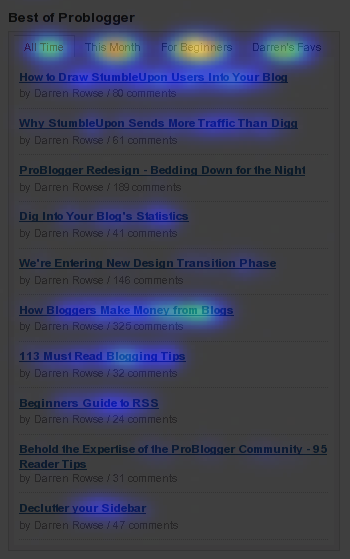
Front-page real estate is valuable. Instead of filling your sidebar with generic widgets, utilize a "Best of [Your Blog Name]" section. This module should be dynamic, featuring the evergreen posts that have historically performed the best in terms of traffic and reader engagement. Heat maps demonstrate that these sections are consistently among the most-clicked areas on a website, serving as an immediate "on-ramp" for new visitors.
3. Smart Landing Page Optimization
New visitors often arrive through search engines, looking for a specific answer. Instead of sending them to a generic homepage, use tools that recognize the context of their search. If a reader arrives at your site looking for "budget travel tips," a sophisticated landing page should greet them with a curated list of your top five posts on budget travel. By providing a comprehensive answer to their query, you elevate your status from a mere source of information to a trusted authority.
4. Strategic Internal Interlinking
Every new post you write is an opportunity to revitalize your past content. By weaving links to your cornerstone posts into your current writing, you create a web of value. This is not just for SEO—it is for the user experience. By guiding readers to your best historical work, you demonstrate the depth of your expertise and keep them engaged with your site for longer durations.
Official Perspective: The Responsibility of the Blogger
From a professional standpoint, the blogger’s role is that of a librarian. You are the steward of your own content. When an author treats their archive as a disposable byproduct of daily blogging, they lose the ability to build long-term anticipation.
Expert commentators in the digital marketing space argue that the "anticipation gap" is often caused by a lack of intent. If you don’t believe your old content is worth reading, why should a new subscriber? A professional blogger must treat their older content with the same reverence as their current projects. This mindset shift is what separates a hobbyist from a brand.
Implications for Future Growth
The implication of this strategy is profound: your workload does not necessarily have to increase as your audience grows. Instead, your efficiency increases. By focusing on surfacing your best work, you are doing more with less.
Building anticipation is a cycle. You write high-quality content, you curate it to ensure new visitors find it, those visitors subscribe because they see the value, and they then wait with anticipation for your next piece of high-quality work.
As we look toward the future of content marketing, the noise on the internet is only going to grow louder. Standing out will not be about being the loudest voice, but about being the most reliable one. By intentionally designing your blog to showcase your excellence, you ensure that every new visitor is not just a passing statistic, but a potential lifelong subscriber.
Tomorrow, we will explore the secondary phase of this strategy: how to leverage future announcements and editorial calendars to deepen the sense of anticipation even further. For now, take a hard look at your archives—there is a treasure trove of potential subscribers already there, just waiting to be discovered.
 Suro Senen
  Ali Ikhwan