
 By Asep Darmawan

In the heart of Sakai, a city with a storied industrial past located just south of Osaka, stands a glass-and-steel monolith that might easily be mistaken for the corporate headquarters of a global tech giant. Yet, upon entering, visitors find no boardroom, no reception for high-level trade meetings, and no aggressive brand marketing. Instead, they find a tribute to the most efficient machine ever devised by humanity. The Shimano Bicycle Museum is not merely a corporate vanity project; it is a profound, sprawling, and deeply educational love letter to the bicycle.
For cyclists, engineers, and casual travelers visiting the Kansai region, this institution offers a rare, immersive experience that prioritizes the history of the machine over the history of its maker. It is a space where the bicycle is treated not as a commodity, but as a cultural artifact that has shaped war, industry, and the personal freedom of millions.

Main Facts: A Sanctuary for the Two-Wheeled Machine
The museum is a marvel of modern architecture, utilizing natural light and spacious, minimalist design to elevate the humble bicycle to the status of fine art. Unlike many corporate museums that focus on "the founder’s vision" or a company’s upward trajectory, the Shimano Bicycle Museum focuses on the "what" and the "how."
Upon entering, visitors are greeted by a poignant philosophical statement inscribed on the wall: “In Japanese, we call a bicycle ‘jitensha,’ which literally means ‘wheels rotated by oneself.’ This means a bicycle is operated by the rider and that there are as many ways of enjoying cycling as there are riders.”
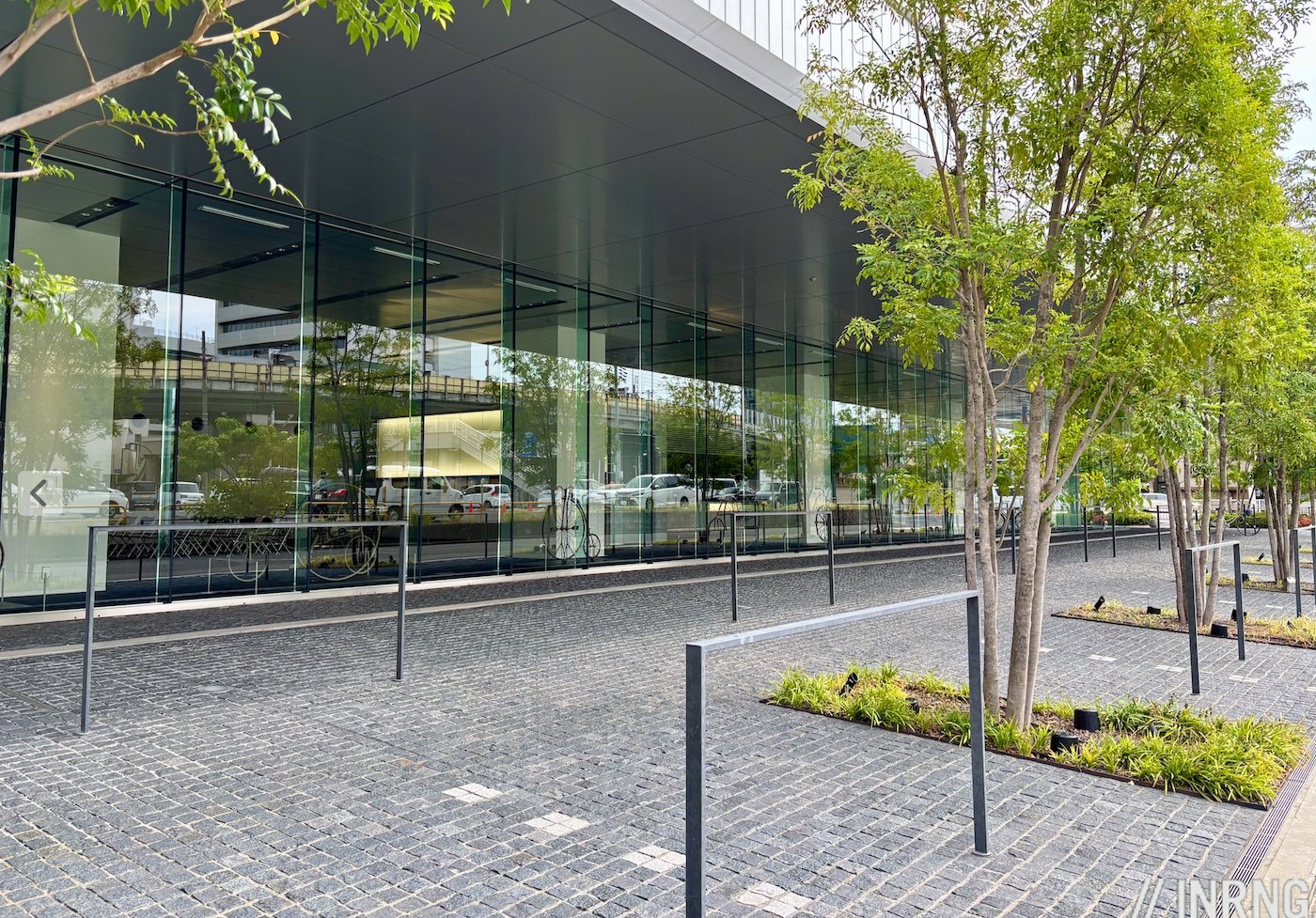
This sentiment sets the tone for the entire experience. The museum is fully bilingual, ensuring that international visitors can grasp the nuance of this message. It is not trying to sell you a groupset; it is trying to explain the soul of cycling. With over 4,200 square meters of space, the museum is surprisingly peaceful, offering a serene environment to contemplate the evolution of human-powered transport.
Chronology: From Hobby Horses to the Pelotons of Today
The visitor journey begins on the upper floor, entering a darkened, cavernous hall where bicycles are arranged in a chronological procession under dramatic spotlights. This is the "Evolution Hall," where the story of the machine unfolds in distinct chapters.
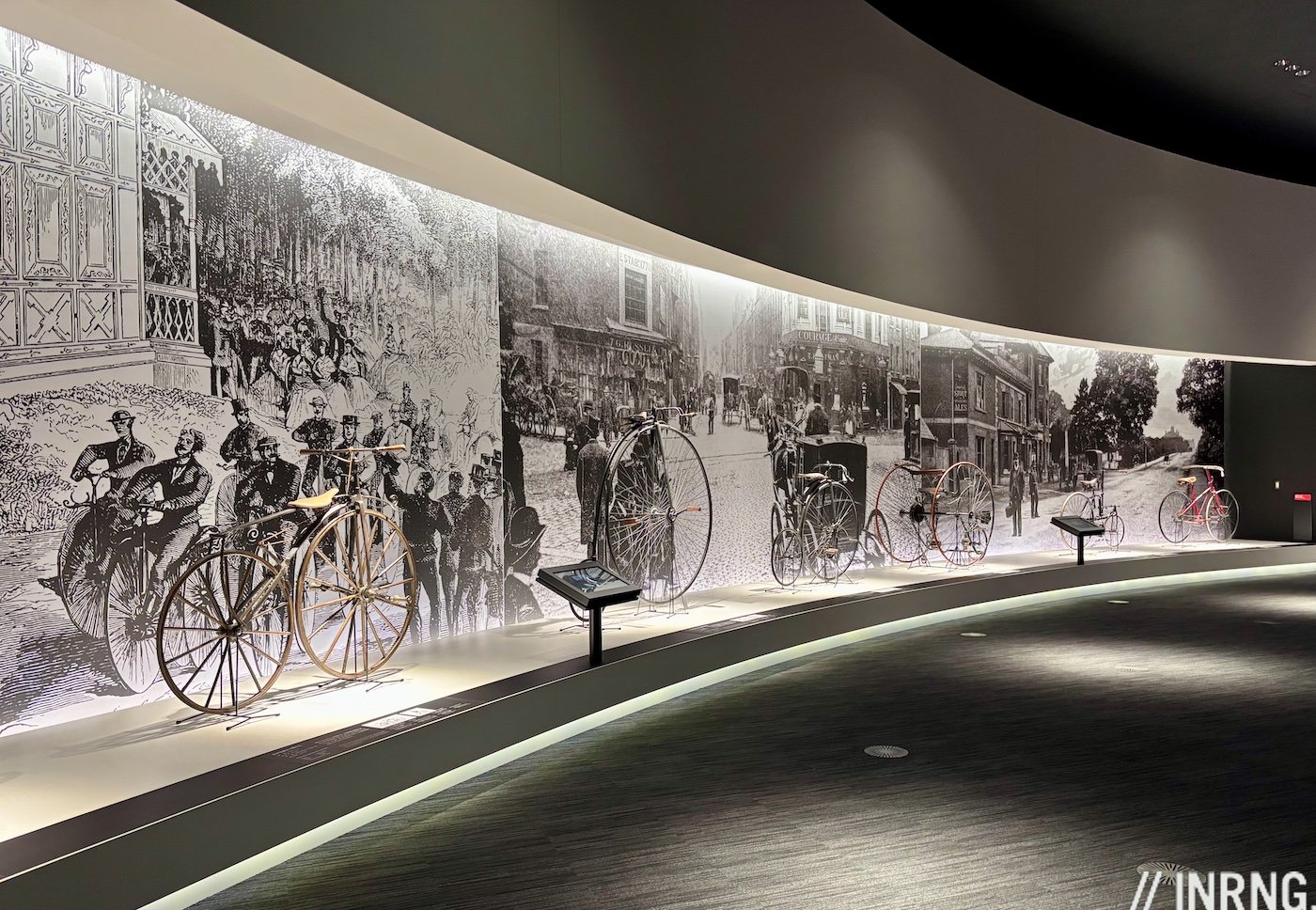
The exhibit begins with the precursors to the modern bike—the rudimentary "hobby horses" or draisines—and tracks the seismic shifts in engineering that followed. Visitors can trace the arrival of the pedal, the integration of the chain drive, the invention of pneumatic tires, and the subsequent refinements that turned an experimental toy into a viable mode of transport.
This space also serves as an educational auditorium. Periodic film screenings contextualize these technological leaps within broader societal trends. The films do not shy away from the darker or more complex chapters of history, touching upon the bicycle’s role in industrialization, its utility during times of war, and its eventual place in the rise of consumer culture.

Supporting Data: The Accessibility of Engineering
One of the most striking aspects of the museum is the accessibility of the exhibits. In the "Bright Room," where natural light pours through frosted glass, the bikes are not locked behind impenetrable barriers. They are raised on low platforms, allowing enthusiasts to study the finer details of historical racing machines.
Consider the Flandria steel bike once ridden by Freddy Maertens. It sits exposed, allowing a close inspection of the Ishiwata tubing decals and the early Shimano Crane rear derailleur. For a student of cycling history, seeing these components up close provides a tangible connection to the origins of Shimano’s dominance in the pro peloton.
The museum’s collection is remarkably diverse:
- The "Clunker" Era: A Specialized Stumpjumper, one of the first mass-produced mountain bikes, features curious components like motorcycle brake levers and a Campagnolo headset, showcasing the DIY ingenuity of early MTB pioneers.
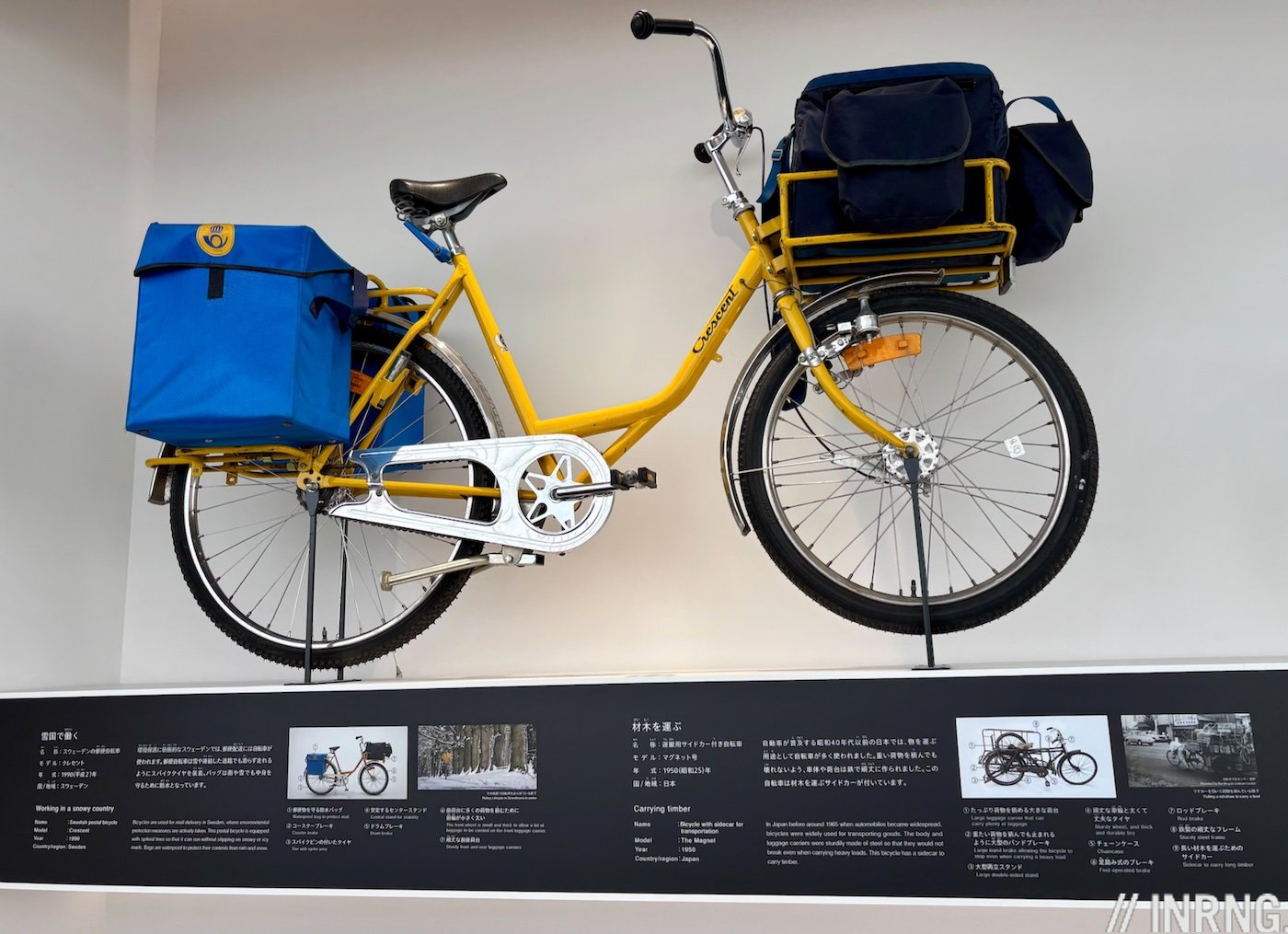
- The Humdrum and the Heavy: The collection features the mundane alongside the iconic. A Swedish postal service bike, complete with studded tires for icy conditions, demonstrates the bicycle’s capacity as a rugged cargo vehicle.
- The World-Weary: A Cannondale, caked in dust and laden with luggage and spare tires, stands as a testament to Tatsu Sakimoto’s 55,000km, four-year global trek.
- The Modern Battlefield: A Merida bike from the 2021 Tokyo Olympics road race remains on display exactly as it finished—scratched, dented, and battle-worn.
Official Responses and Corporate Identity
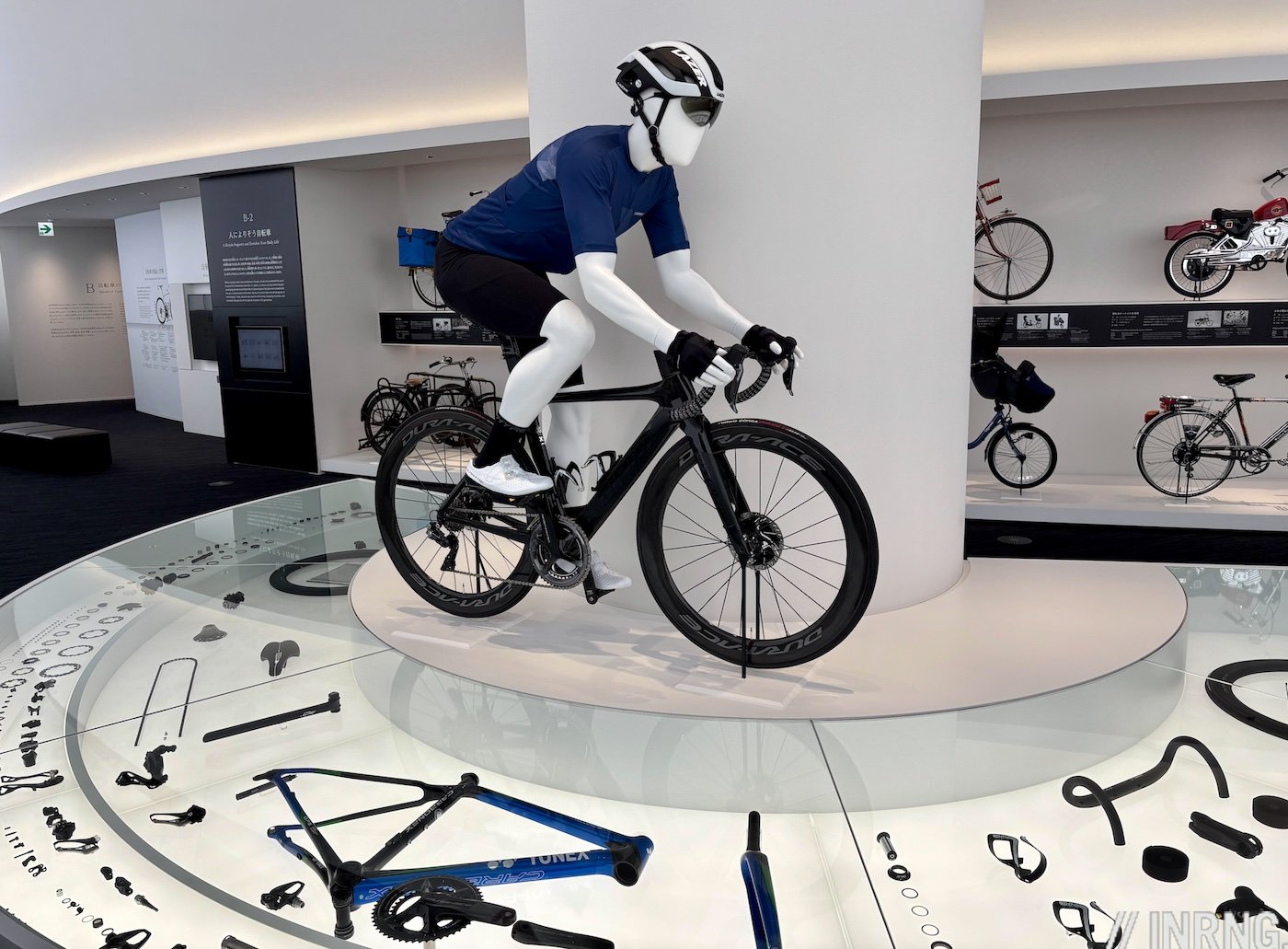
It is perhaps the most fascinating irony of the institution: despite being the Shimano Bicycle Museum, there is remarkably little overt branding. The museum acknowledges its namesake through the display of the company’s flagship Dura-Ace and XTR groupsets, tracking their evolution from 1973 to the present day. There are even empty display cases reserved for future iterations, including 2027 and beyond, signaling the company’s confidence in its continued innovation.
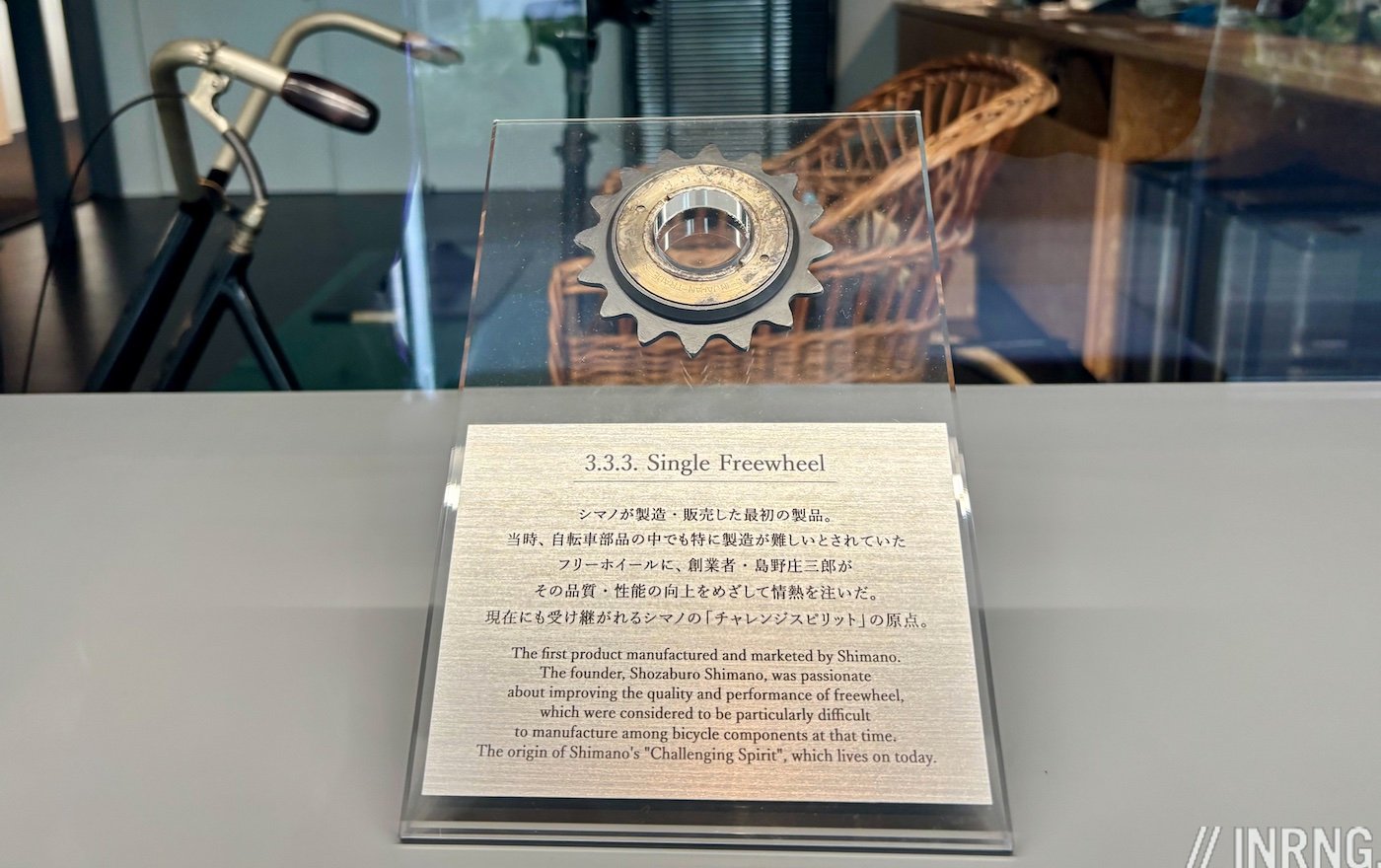
The museum briefly acknowledges that Shimano was born from the city of Sakai’s long-standing tradition of metalworking. Sakai was historically a hub for the production of samurai swords, and later, guns and cutlery. The transition to bicycle components was a natural pivot for local blacksmiths in the late 19th century. Yet, you will find no gift shop selling Shimano t-shirts, no sales floor for components, and no marketing literature.
The company’s other massive revenue stream—fishing tackle—is entirely absent. Even though fishing gear accounts for roughly a billion Euros in annual revenue, you will not find a single rod or reel. This discipline reinforces the museum’s commitment to its singular theme: the bicycle.
Implications: The Educational Legacy
The museum serves as a critical research hub. Beyond the public displays, there is a locked archive for researchers, housing a vast collection of rare brochures, historical catalogues, and technical manuals. This library is a treasure trove for anyone documenting the history of the bicycle industry.
Furthermore, the museum’s interactive displays—such as the opportunity to compare the weights of steel, titanium, and aluminum, or the chance to pick up a featherweight road bike—bridge the gap between abstract engineering and physical experience. By deconstructing a bike into its 3,200 individual parts, the museum reveals the staggering complexity of what many consider a "simple" machine.

For those interested in visiting, the museum is located in Sakai, approximately 30 minutes by train from central Osaka. It is a pilgrimage worth making. The admission fee—a nominal JPY 500—is a pittance for the quality of the experience provided.
In an era of digital distraction and fleeting brand loyalties, the Shimano Bicycle Museum offers something grounded and enduring. It reminds us that the bicycle is more than just a frame and a drivetrain; it is a manifestation of human desire for movement, efficiency, and discovery. Whether you are a casual commuter or a seasoned competitive cyclist, the museum provides a profound sense of connection to the machine that has, in so many ways, moved the world forward.
 Sagoh
 Pevita Pearce
 Layla Zulfa
