
 By Ali Ikhwan
In the modern e-commerce landscape, the intersection of ethics and profitability is no longer a niche pursuit—it is a competitive necessity. As consumers grow increasingly skeptical of "greenwashing," merchants are pivoting toward transparency to build lasting brand loyalty. According to PwC’s 2024 Voice of the Consumer survey, shoppers are now willing to pay a premium of nearly ten percent for goods that demonstrably align with their environmental values.
However, for those entering the print-on-demand (POD) space, the path to sustainability is fraught with ambiguity. Many suppliers market items as "eco-friendly" without providing the granular data required to substantiate such claims. This article serves as a definitive guide for entrepreneurs committed to building a catalog that honors their sustainability promises without sacrificing their bottom line.
The Anatomy of an Eco-Friendly Product
Sustainability is not a buzzword; it is a measurable standard. When curating a catalog, the burden of proof falls on the merchant. Before listing an item, one must navigate a complex landscape of certifications and material compositions.
Decoding the Certifications
To avoid the pitfalls of superficial marketing, merchants must look for standardized, third-party verifications:
- GOTS (Global Organic Textile Standard): This is the gold standard for organic fibers. It covers the entire supply chain, ensuring both the organic integrity of the textile and the social and environmental standards of the processing facilities.
- OEKO-TEX Standard 100: This certification guarantees that every component of a product—from the fabric to the thread and buttons—has been tested for harmful substances.
- GRS (Global Recycled Standard): This tracks recycled raw materials through the supply chain, verifying content claims and social, environmental, and chemical practices.
- OCS (Organic Content Standard): Specifically tracks the chain of custody for organic material from the farm to the final product.
- FSC (Forest Stewardship Council): Essential for any paper or wood-based products, ensuring the materials originate from responsibly managed forests.
The Durability Mandate
A product’s carbon footprint is tied to its lifespan. If an eco-friendly t-shirt falls apart after three washes, its initial environmental benefits are rendered moot. Quality control—specifically the longevity of inks and the integrity of seams—is the final, non-negotiable metric of a truly sustainable good.
The 20 Best Sustainable Products for Your Catalog
To assist in your curation, we have categorized the most reliable and high-performing sustainable items currently available through major POD suppliers.
Category 1: Sustainable T-Shirts
T-shirts remain the backbone of the POD industry due to their low production costs and universal appeal.
- Stanley/Stella Organic Cotton T-Shirt: A cornerstone of the premium market, this 100% organic ring-spun cotton tee offers unisex sizing and no order minimums. With a suggested retail price of $30, it provides a healthy margin of approximately $15.50.
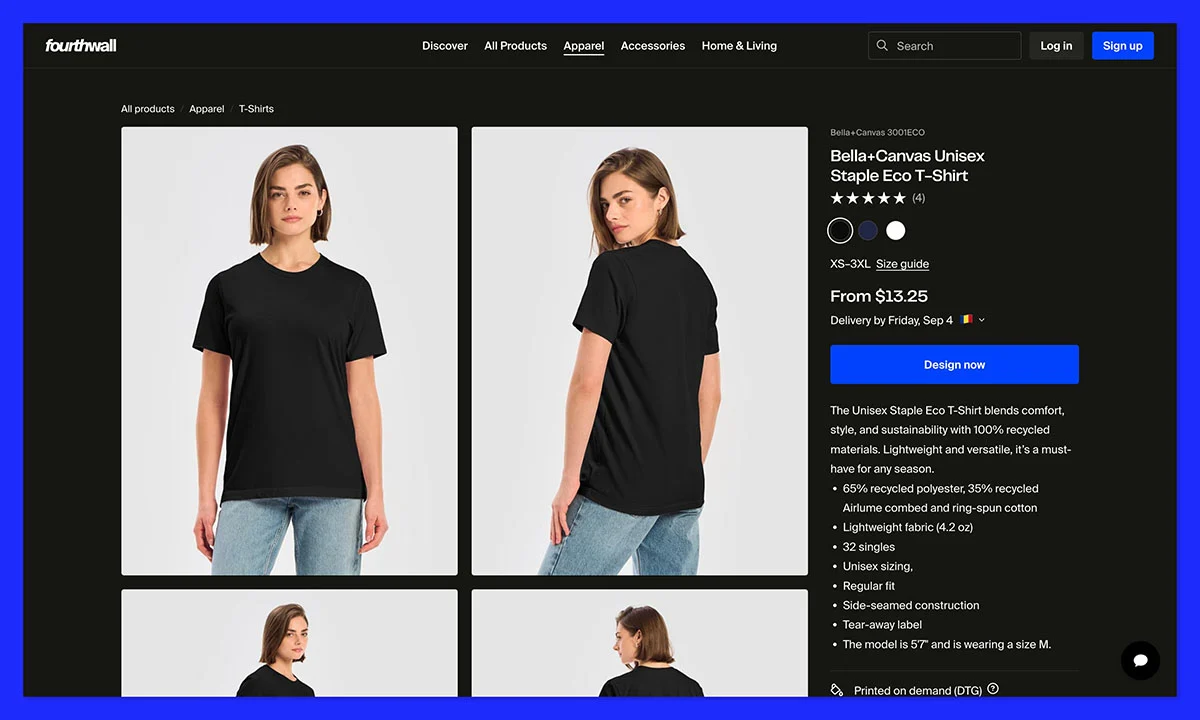
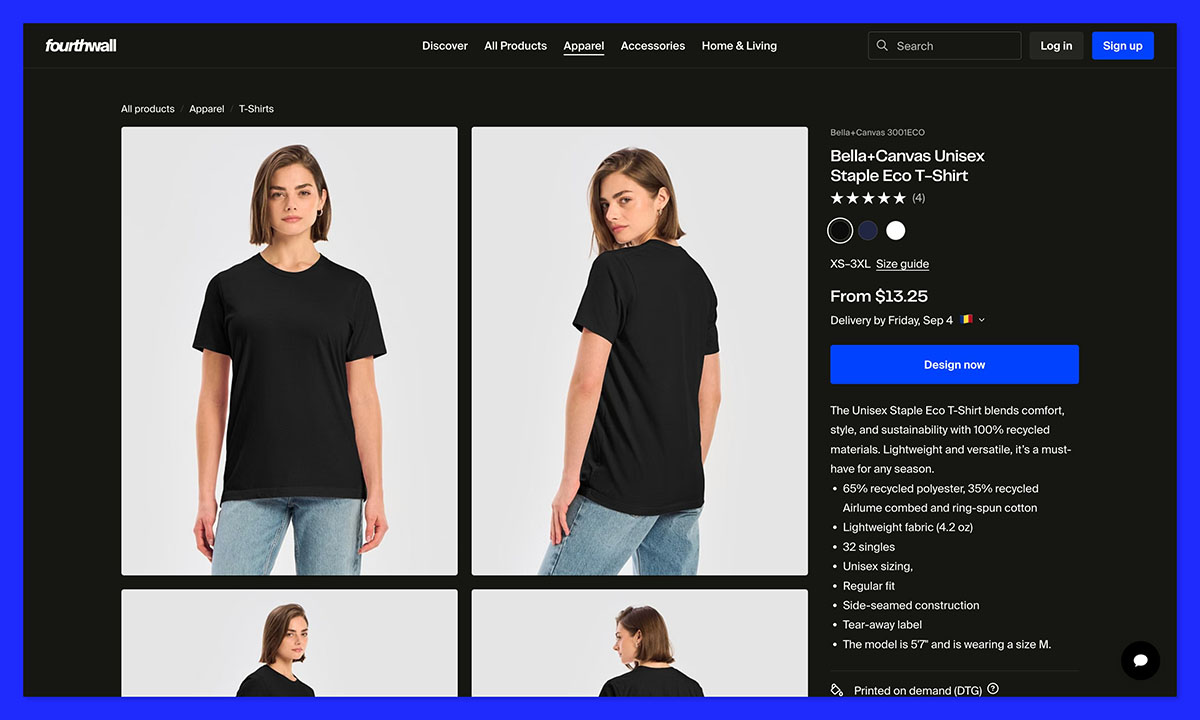
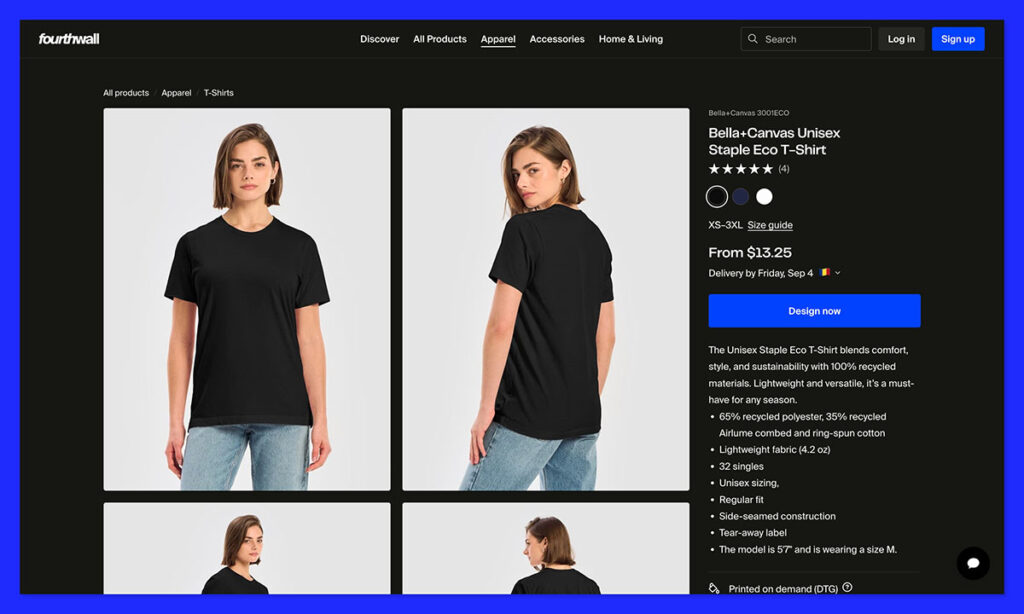
- Bella+Canvas Unisex Staple Shirt: A blend of 65% recycled polyester and 35% recycled Airlume cotton. It is a budget-friendly option that balances softness with durability. Note: Always sample-test dark-colored fabrics to ensure DTG print quality.
- Gelato Organic Unisex Crewneck: Notable for its local fulfillment model, reducing shipping distances and emissions.
- Teemill Circular Organic T-Shirt: A pioneer in the circular economy, every label features a QR code allowing customers to return worn garments for recycling, closing the loop on textile waste.
Category 2: Hoodies and Sweatshirts
As average order values (AOV) climb, hoodies offer higher profit potential.
- Stanley/Stella Essential Eco Hoodie: An excellent entry point for new brands, utilizing 85% organic cotton and 15% recycled polyester.
- SOL Eco Raglan Hoodie: Offers premium aesthetics with customizable printing and embroidery.
- Gelato Organic Hoodies: Provides localized shipping, minimizing the carbon footprint of delivery.
- Organic Stanley/Stella Oversized Sweatshirt: Featuring a brushed interior and drop-shoulder design, this item captures the current streetwear trend while maintaining GOTS and OEKO-TEX certifications.
- Recycled Polyester Sweatshirt: Made from post-consumer PET bottles, this represents a significant technological advancement in textile repurposing.
Category 3: Totes, Hats, and Practical Accessories
Accessories provide a low-risk method for increasing conversion rates without the complications of garment sizing.
- Econscious Organic Cotton Tote: Highly durable and capable of carrying 30 pounds, this is an ideal "upsell" item for event-themed collections.
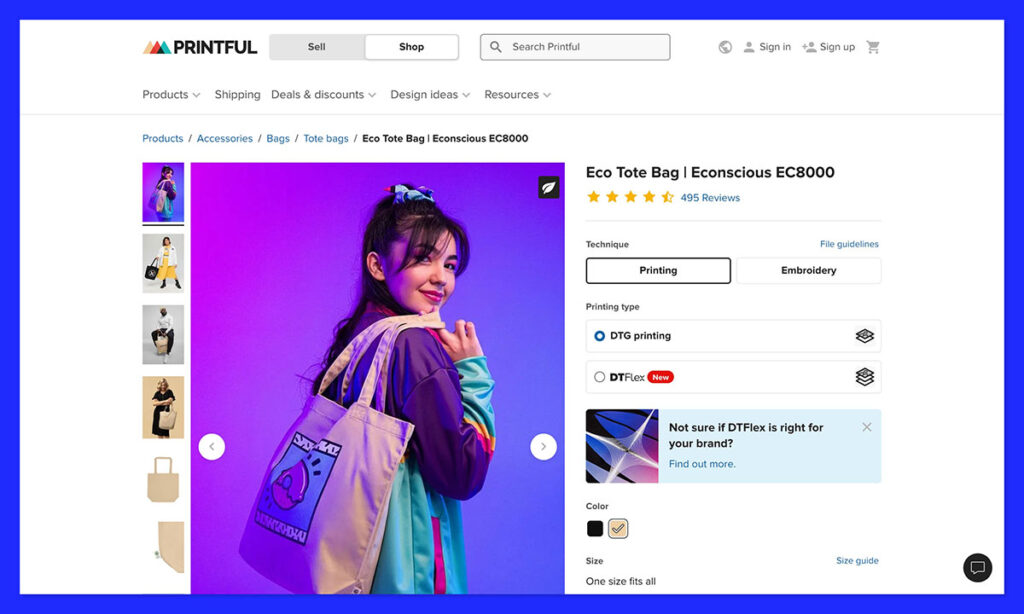
- Printful Eco Tote Bag: Similar to the Econscious option, it offers GOTS and OCS certification, making it a reliable choice for eco-conscious gift bundles.
- Econscious Organic Dad Hat: A classic accessory that avoids the complexity of apparel size menus.
- Atlantis B50 Organic Ribbed Beanie: A seasonal essential for cold-weather markets.
- SOL’S 03569 Organic Cotton Apron: A niche product tailored for culinary or artistic audiences.
Category 4: Specialized Lifestyle Products
For brands looking to differentiate themselves, these items cater to specific demographics.
- Stanley/Stella STTK184 Kids T-Shirt: Perfect for family-centric creators or schools.
- Babybugz BZ10 Organic Bodysuit: High gifting potential for new parents.
- Sublicolor 105 All-Over Print Sports Jersey: Designed for moisture-wicking, this is an excellent choice for fitness communities.
- Sublicolor 025 Recycled String Bikini: A premium choice for fashion-forward travel brands.
- Biodegradable Phone Case: A low-cost, high-margin item that decomposes under specific environmental conditions, appealing to tech-savvy eco-warriors.
- Scented Soy Candle: A 9 oz. candle using US-grown soy wax, offering a 50-60 hour burn time.
Strategic Implications for the Merchant
The Importance of Sampling
No matter how glowing a supplier’s documentation appears, you must act as the primary gatekeeper for quality. Ordering samples is not an optional expense; it is a vital investment in your brand’s reputation. Test the washing durability, the vibrancy of the ink, and the tactile quality of the fabric before inviting your customers to make a purchase.
Data-Driven Catalog Expansion
The most common mistake for new entrepreneurs is over-extension. Do not attempt to launch with all twenty items. Start with a core selection—a shirt, a hoodie, and one accessory—and observe your audience’s behavior.
- Monitor Analytics: Which items receive the most traffic? Where do your conversion rates spike?
- Iterative Design: Once you identify a high-performing base product, apply your best designs to that specific garment rather than spreading your efforts thin across dozens of untested items.
- Leverage Flexibility: Because these suppliers operate on a POD model with no minimum order quantities, you have the rare opportunity to pivot your entire catalog based on real-time market feedback without being stuck with obsolete inventory.
The Role of Transparency in Customer Trust
Your marketing copy should be as honest as your supply chain. If you are using a recycled polyester blend, state that clearly. If your candles are made from US-grown soy, highlight the reduction in transit emissions. Modern consumers are savvy; they can distinguish between vague marketing and genuine, data-backed sustainability. By being transparent about your sourcing, you transform your customers from one-time buyers into brand advocates.
Conclusion: The Path Forward
Building a sustainable catalog is a journey of continuous refinement. As material science evolves, so too will your product offerings. By prioritizing verified certifications, demanding durability, and focusing on localized fulfillment, you can build an e-commerce business that is as profitable as it is ethical. The shift toward sustainable goods is not merely a trend—it is a fundamental restructuring of the retail economy. Merchants who embrace this reality today will be the ones defining the marketplace of tomorrow.
 Laily UPN
 Neng Nana
 Sagoh
