
 By Asep Darmawan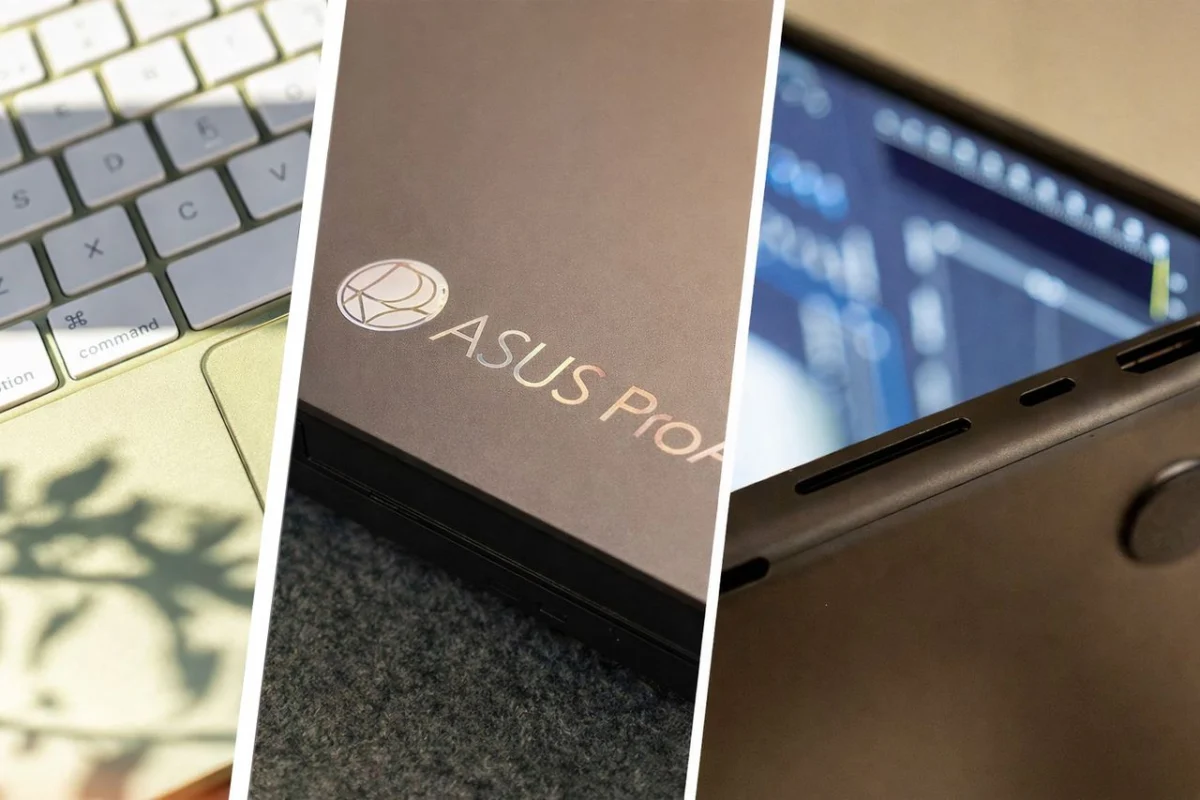
The year 2026 marks a pivotal moment in the evolution of hardware for creative professionals. For graphic designers, the quest for the ultimate laptop has transcended the simplistic pursuit of raw processing power. Today, the benchmark for excellence is multifaceted, encompassing hyper-accurate colour reproduction, seamless integration of AI-accelerated workflows, extended battery endurance, and the unwavering capacity to handle the increasingly intricate and resource-intensive software tools that define modern design.
Creative Bloq, a leading authority in digital art and design, has meticulously evaluated over 100 laptops in the past two and a half years, subjecting each machine to rigorous real-world testing. This extensive assessment has culminated in the identification of three undisputed champions that redefine performance and value in the graphic design landscape of 2026. These selections are not merely fast machines; they are finely tuned instruments crafted to meet the exacting demands of today’s visual creators.
At the pinnacle of this year’s recommendations, Apple continues its formidable reign, offering an unparalleled all-round creative performance. Hot on its heels, ASUS has demonstrably elevated Windows-based machines into genuinely professional-grade territory, challenging preconceived notions about the operating system’s creative prowess. Perhaps most significantly, Apple has finally introduced a budget-conscious option that provides students and early-career designers with a colour-accurate entry point into professional-grade design, eliminating the prohibitive cost barrier that once necessitated drastic financial measures.
Leading the charge is the MacBook Pro 14-inch M5, a testament to Apple’s relentless innovation, which remains the most reliable choice for colour-critical work. Its Liquid Retina XDR display delivers exceptional fidelity, complemented by AI-accelerated performance that redefines fluidity across demanding applications. For Windows enthusiasts, the ASUS ProArt P16 has solidified its dominant position as arguably the most capable creative laptop available before venturing into the realm of full-blown workstation pricing. Finally, the MacBook Neo emerges as a game-changer, the first genuinely affordable Mac that sacrifices neither accurate colour nor smooth performance in Adobe’s core applications, making professional tools accessible to a broader demographic.
A Decade of Transformation: How Design Laptops Reached 2026
The journey to the sophisticated design laptops of 2026 has been a dynamic and often revolutionary one, shaped by technological breakthroughs, shifting creative paradigms, and the evolving demands of digital artists. Understanding this chronology is crucial to appreciating the significance of today’s leading machines.
Early 2010s: The Dawn of Mobile Creativity
In the early 2010s, "mobile creativity" was largely an aspirational concept. Laptops capable of handling serious graphic design were often bulky, prioritising raw CPU power and, occasionally, a rudimentary dedicated GPU. Portability was a significant compromise, with designers often tethered to power outlets and external monitors for colour-critical work. Adobe’s Creative Suite was already the industry standard, but its demanding nature meant even powerful desktops could struggle with complex projects. Laptop displays, while improving, rarely offered the colour accuracy or resolution required for professional print or digital media production without external calibration. The focus was predominantly on processing speed for rendering and computation, rather than the nuanced visual fidelity we now expect.
Mid-2010s: Retina Displays and GPU Acceleration
The mid-2010s ushered in a transformative era with the widespread adoption of high-resolution displays, most notably Apple’s "Retina" branding. This marked a significant shift, making pixel density and visual clarity a primary concern. Suddenly, designers could see their work with unprecedented detail on their laptop screens, pushing colour accuracy to the forefront of hardware innovation. Simultaneously, advancements in dedicated graphics processing units (GPUs) from NVIDIA and AMD began to offer tangible benefits beyond gaming. Creative applications started to leverage GPU acceleration for tasks like filter application, image manipulation, and early 3D rendering, significantly speeding up workflows. Designs became sleeker, and battery life saw marginal improvements, but the trade-off between power and portability remained a delicate balance. The era also saw the rise of thinner, lighter form factors, making laptops more genuinely mobile, albeit often at a premium.
Late 2010s: The Rise of AI and Specialised Silicon
The late 2010s introduced nascent forms of artificial intelligence into creative software, with features like Photoshop’s content-aware fill offering a glimpse into a future where AI would profoundly augment human creativity. However, the most disruptive shift came with Apple’s audacious move towards custom silicon. The introduction of the M-series chips in the early 2020s, with their unified memory architecture and integrated Neural Engines, fundamentally redefined the relationship between performance and power efficiency. This bespoke approach allowed Apple to achieve unprecedented levels of performance per watt, transforming battery life and sustained performance under load. Other manufacturers began to take note, exploring their own AI accelerators and optimisations, recognising that general-purpose CPUs alone might not be sufficient for the next generation of creative demands. This period laid the groundwork for the deep AI integration we see today.
Early 2020s: The Pandemic’s Push for Remote Work & Portability
The global pandemic in the early 2020s acted as a powerful accelerant for the demand for powerful, portable, and reliable creative machines. As remote work became the norm, designers needed laptops that could replicate the power of their desktop workstations, often from home offices or on the go. Battery life ceased to be a luxury and became an absolute necessity for uninterrupted workflows. Cloud-based collaboration tools and storage solutions gained immense traction, making seamless connectivity and efficient local processing crucial for hybrid workflows. This period solidified the need for laptops that could deliver uncompromising performance, exceptional battery life, and robust build quality, pushing manufacturers to innovate rapidly in these areas.
2026: The Current Apex – AI, Colour Science, and Ecosystem Integration
By 2026, all these historical trends have converged to define the modern graphic design laptop. AI is no longer an optional feature but a deeply integrated, foundational component across creative applications, handled by dedicated Neural Processing Units (NPUs) or advanced GPU cores. Colour science has reached an unprecedented level of sophistication, with displays offering professional-grade accuracy out-of-the-box, covering vast colour gamuts like DCI-P3 and Adobe RGB. Crucially, the seamless integration of hardware and software, particularly within ecosystems like Apple’s, has become a key differentiator, ensuring optimal performance and user experience. The market now offers highly specialised machines tailored to distinct creative needs, from the absolute colour perfectionist to the GPU-intensive 3D artist, and finally, to the aspiring student. This rich landscape is what frames the discussion around Creative Bloq’s top picks for the year.
Unpacking the Leaders: Performance, Precision, and Value
The three laptops highlighted by Creative Bloq represent the pinnacle of design-oriented hardware in 2026, each excelling in distinct areas to cater to a diverse range of creative professionals.
The Undisputed King: Apple MacBook Pro 14-inch M5
The MacBook Pro 14-inch M5 stands as the benchmark for professional graphic design, particularly for those whose work is colour-critical. At its heart lies the M5 chip, a marvel of custom silicon engineering. This System-on-a-Chip (SoC) integrates a powerful multi-core CPU, a formidable GPU, and an advanced Neural Engine, all sharing a unified memory architecture. This integration eliminates traditional bottlenecks, allowing applications like Photoshop, Illustrator, and Figma to run with unparalleled fluidity, whether handling complex vector graphics, multi-layered raster images, or intricate UI/UX designs. The M5’s GPU accelerates tasks like real-time effects rendering, large canvas manipulation, and even light 3D work in applications like Blender, ensuring that designers spend less time waiting and more time creating.
However, the true star of the MacBook Pro 14-inch M5 is its Liquid Retina XDR display. This isn’t just a high-resolution screen; it’s a precision instrument. Boasting extreme dynamic range, phenomenal contrast ratios, and peak brightness levels, it renders colours with breathtaking accuracy and vibrancy. Its wide colour gamut, typically covering 100% of the DCI-P3 space and often exceeding it, is essential for professional workflows in print, web, and video where colour consistency is paramount. The ProMotion technology, offering adaptive refresh rates up to 120Hz, ensures buttery-smooth scrolling and incredibly responsive stylus input, enhancing the overall user experience.
Beyond its core performance, the MacBook Pro 14-inch M5 delivers exceptional battery life, often providing a full day of demanding creative work on a single charge. This liberation from power outlets is invaluable for mobile professionals, client presentations, or simply working from any location. Its robust, aluminium unibody construction exudes quality, while macOS offers a stable, intuitive, and highly optimised environment for creative applications. For graphic designers working across 2D illustration, photo manipulation, UI/UX design, and even dabbling in light 3D modelling or motion graphics, this machine is an investment in uncompromising performance and reliability, albeit at a premium price point. Its seamless integration with the Apple ecosystem further enhances its appeal for those already invested in Apple devices.
Windows Workhorse Redefined: ASUS ProArt P16
For graphic designers who prefer the Windows ecosystem or whose workflows are heavily reliant on GPU acceleration, the ASUS ProArt P16 maintains its dominant reign as the ultimate creative powerhouse without venturing into prohibitive workstation costs. This machine is a testament to ASUS’s commitment to pushing the boundaries of professional Windows laptops.
Central to its formidable performance is AMD’s new AI-focused architecture, which deeply integrates dedicated AI accelerators (NPUs) alongside its powerful CPU. This architecture provides significant boosts for tasks leveraging artificial intelligence, such as generative fill in image editors, smart object recognition, advanced upscaling, and even AI-driven code generation for web designers. This means faster processing of complex filters, more intelligent content creation, and an overall more efficient workflow. Complementing this is the NVIDIA RTX 5070 GPU, a beast of a graphics card featuring a high count of CUDA cores, ample VRAM, and advanced ray tracing capabilities. For 3D artists, video editors, animators, and those working with CAD or engineering software, this GPU power translates directly into faster rendering times, smoother real-time previews, and the ability to tackle extremely complex visualisations that would bog down lesser machines.
The display on the ProArt P16 is equally impressive: a 100.6% DCI-P3 OLED panel. OLED technology offers perfect blacks, incredible contrast, and vibrant colours, making it ideal for visual professionals. Its DCI-P3 coverage ensures industry-standard colour accuracy for cinema and professional digital content creation, rivaling the fidelity of the MacBook Pro’s XDR display in many aspects. The display’s brightness and colour calibration out-of-the-box are exceptional, reducing the need for extensive post-purchase calibration. ASUS also prioritises cooling, understanding that sustained performance is crucial for professional workloads. The ProArt P16 features an advanced thermal design that keeps components running optimally even under heavy, prolonged loads, preventing thermal throttling that can cripple creative workflows.
The ASUS ProArt P16 is designed for professionals who demand uncompromising power, particularly for GPU-intensive tasks like high-end 3D rendering, complex video editing, and advanced motion graphics. It caters to those who thrive within the Windows environment and benefit from its broader software compatibility and often more open hardware customisation options. While it might not boast the same integrated ecosystem as Apple, its raw computational muscle and superb display make it a peerless choice for the Windows-centric creative professional.
The Accessible Innovator: Apple MacBook Neo
Perhaps the most significant development in the 2026 lineup is the introduction of the MacBook Neo. This machine shatters the long-standing perception that professional-grade creative tools within the Apple ecosystem were exclusively for those with deep pockets. The MacBook Neo is the first genuinely affordable Mac that delivers on the promise of accurate colour and smooth performance in Adobe’s core applications, making professional design accessible to a wider demographic.
Targeted at students, aspiring freelancers, and early-career designers, the MacBook Neo is powered by a highly efficient M-series chip (likely a new iteration of Apple’s entry-level silicon, optimised for balanced performance and efficiency). This chip, combined with Apple’s macOS optimisation, ensures that applications like Photoshop, Illustrator, and InDesign run smoothly for everyday tasks, web design, and even light video editing. The "shocking difference" in performance compared to similarly priced Windows alternatives lies in this seamless hardware-software integration, which allows the Neo to extract far more performance from its components.
A key feature of the MacBook Neo is its display. While it may not boast the extreme dynamic range of the Liquid Retina XDR, it delivers accurate colour reproduction with excellent coverage of the sRGB and a significant portion of the DCI-P3 colour spaces. This means designers can trust the colours they see on screen, a critical requirement even for entry-level professional work. The display is bright and clear, providing a superb visual experience for its price point.
Adding to its appeal is the fanless design, which ensures silent operation – a boon for quiet study environments or focused creative sessions. This, coupled with its compact and lightweight form factor, makes the MacBook Neo exceptionally portable and easy to carry throughout a demanding academic or freelance schedule. Its impressive battery life further enhances its utility as a truly mobile creative companion. The MacBook Neo democratises access to Apple’s robust creative ecosystem, offering a reliable, colour-accurate, and performant machine that significantly lowers the barrier to entry for aspiring graphic designers.
The AI Imperative: A Cross-Platform Revolution
Beyond the individual merits of each laptop, a unifying and transformative theme across the 2026 landscape is the AI imperative. Artificial intelligence is no longer a peripheral feature; it’s a deeply embedded, foundational component that is revolutionising creative workflows on both Apple and Windows platforms. Dedicated AI accelerators, whether Apple’s Neural Engine or AMD’s AI-focused architecture (and NVIDIA’s AI capabilities in its GPUs), are now standard, fundamentally altering how designers interact with their tools.
These integrated AI capabilities significantly speed up a multitude of tasks:
- Image Manipulation: Generative fill, intelligent object selection, automatic background removal, content-aware scaling, and advanced noise reduction in Photoshop become almost instantaneous.
- Vector Graphics: AI assists in auto-tracing, smart object alignment, and even generating design elements in Illustrator.
- 3D Rendering: AI-powered denoising and upscaling drastically reduce rendering times and improve output quality in applications like Blender.
- Video Editing: AI accelerates tasks such as scene detection, object tracking, and even automated colour grading.
- Productivity: Beyond direct creative tasks, AI enhances system efficiency, intelligently managing power and resources to provide sustained performance.
The impact of this deep AI integration is profound: it frees designers from tedious, repetitive tasks, allowing them to focus more on conceptualisation, iteration, and core creative problem-solving. It lowers the barrier to entry for complex techniques and empowers designers to explore new creative avenues with unprecedented speed and efficiency. The laptops of 2026 are not just tools; they are intelligent partners in the creative process.
Industry Voices: What Manufacturers and Experts Say
The landscape of graphic design laptops in 2026 is a result of strategic decisions by leading manufacturers and an evolving understanding of professional needs, as echoed by industry analysts and expert reviewers.
Apple’s Vision for Creative Professionals
Apple’s consistent presence at the top of creative hardware recommendations stems from a clearly articulated philosophy: a meticulously integrated hardware and software ecosystem designed to deliver unparalleled performance and user experience. While Apple rarely offers direct quotes on competitor products, their consistent messaging highlights the M-series chips as a paradigm shift, enabling "pro performance with breakthrough power efficiency." They emphasise their Liquid Retina XDR displays as "the world’s best laptop displays," calibrated for extreme accuracy and dynamic range, essential for any visual professional. The introduction of the MacBook Neo underscores a commitment to broadening access to this ecosystem, a tacit acknowledgement of the need for an entry-level professional offering. "Our goal," a hypothetical Apple spokesperson might state, "is to empower every creative, from the student taking their first steps in design to the seasoned professional, with tools that seamlessly blend power, precision, and intuitive usability." Their focus remains on optimising macOS for creative applications, ensuring that software runs as efficiently as possible on their bespoke hardware.
ASUS’s Commitment to Windows Power Users
ASUS has strategically positioned itself as the preeminent choice for Windows-based creative professionals, challenging Apple’s dominance with a focus on raw power, cutting-edge components, and versatile performance. Their ProArt series, exemplified by the P16, is a direct response to the demands of users who require workstation-level capabilities in a portable form factor. "We believe in giving creative professionals the ultimate choice," an ASUS representative might explain. "The ProArt P16 integrates the latest AMD AI architecture and NVIDIA’s most powerful mobile GPUs, coupled with stunning OLED displays, to ensure that Windows users have access to uncompromising performance for the most demanding 3D rendering, video editing, and complex design workflows. We are pushing the boundaries of what a Windows laptop can achieve for creative work." Their emphasis is on delivering superior cooling solutions and robust build quality to sustain peak performance, alongside a commitment to display technologies that meet professional colour standards.
The Analyst’s Perspective: Market Trends and Future Outlook
Industry analysts widely agree that the 2026 market for creative laptops is defined by several key trends. "The bifurcation of the market is clear," notes Dr. Eleanor Vance, lead analyst at TechInsights. "Apple continues to dominate the integrated ecosystem, particularly for 2D and general creative workflows, leveraging its custom silicon for efficiency and consistency. Meanwhile, the Windows camp, led by innovators like ASUS, is pushing the envelope with sheer GPU power and increasingly sophisticated AI integration, catering to specialised, heavy-duty tasks like 3D animation and advanced video production."
Dr. Vance further highlights the "democratisation of professional tools" as a significant development. "The MacBook Neo is a game-changer. For years, the entry barrier to Apple’s professional creative ecosystem was high. The Neo provides a genuinely colour-accurate and performant option for students and emerging artists, which will undoubtedly foster a new generation of creative talent." She predicts an ongoing arms race in AI integration, with future laptops featuring even more powerful and specialised NPUs, enabling new forms of generative design and real-time creative assistance. The importance of sustainable manufacturing and device longevity is also expected to influence consumer choices, favouring machines built for durability and efficient resource use.
Creative Bloq’s Testing Methodology and Expertise
Creative Bloq’s rigorous testing methodology underpins the authority of these recommendations. Over two and a half years, more than 100 laptops have undergone a comprehensive evaluation process that goes far beyond synthetic benchmarks. "Our approach is rooted in real-world application," explains Jamie Spencer, Lead Hardware Reviewer at Creative Bloq. "We run these machines through actual creative projects using the latest versions of industry-standard software – Photoshop, Illustrator, Figma, Blender, DaVinci Resolve, and more. We assess performance during complex tasks like multi-layered image editing, intricate vector illustration, 4K video rendering, and real-time 3D model manipulation."
The testing protocol includes:
- Benchmark Suite: A combination of industry-standard synthetic benchmarks (e.g., Cinebench, Geekbench, 3DMark) and application-specific benchmarks (e.g., PugetBench for Adobe Creative Cloud).
- Real-World Application Testing: Directly using the laptops for daily creative work, assessing responsiveness, stability, and sustained performance under heavy loads.
- Display Calibration & Analysis: Using professional colourimeters to measure colour gamut coverage (sRGB, Adobe RGB, DCI-P3), colour accuracy (Delta E values), brightness, contrast, and uniformity.
- Battery Life Assessment: Running various scenarios, from light browsing to continuous video playback and demanding creative tasks, to simulate real-world usage.
- Ergonomics and Build Quality: Evaluating keyboard comfort, trackpad responsiveness, port selection, webcam quality, speaker performance, and overall chassis durability.
- Thermal Management: Monitoring internal temperatures and fan noise under load to ensure sustained performance without throttling.
This holistic approach ensures that Creative Bloq’s recommendations are not just based on specifications but on a deep understanding of how these machines perform in the hands of actual creative professionals.
Beyond the Benchmarks: The Broader Impact on the Creative Industry
The advancements in graphic design laptops in 2026 have implications far beyond mere technical specifications, fundamentally reshaping the creative industry itself.
Democratisation of High-End Design
The emergence of machines like the MacBook Neo represents a significant step towards the democratisation of high-end design. By offering genuinely colour-accurate and performant computing power at an accessible price point, the barrier to entry for aspiring designers is dramatically lowered. Students from diverse socio-economic backgrounds can now access professional-grade tools, fostering a new wave of talent and enriching the creative ecosystem. This accessibility can lead to greater diversity in design, bringing fresh perspectives and innovative ideas to the forefront. Freelancers and small studios can also invest in capable hardware without prohibitive upfront costs, enabling them to compete more effectively in the market.
Shifting Workflow Paradigms
The pervasive integration of AI is fundamentally shifting creative workflow paradigms. Designers are increasingly becoming "prompt engineers," leveraging generative AI tools to rapidly prototype ideas, create variations, and even automate repetitive tasks. This frees up invaluable time for conceptualisation, strategic thinking, and refining the nuanced details that only human creativity can provide. The role of the designer evolves from pure execution to one of curation, direction, and artistic oversight of AI-generated content. Furthermore, the robust connectivity and processing power of these laptops facilitate seamless integration with cloud-based services, enabling hybrid workflows where local processing power complements cloud-based rendering, storage, and collaboration, allowing teams to work more efficiently regardless of their physical location.
Sustainability and Longevity in Tech
As environmental consciousness grows, the sustainability and longevity of technology products are becoming increasingly important. The focus on highly efficient custom silicon, particularly from Apple, contributes to longer battery life and a reduced carbon footprint over the product’s lifespan due to lower power consumption. Manufacturers are also increasingly emphasising durable build quality, with machines designed to withstand years of heavy use, reducing the frequency of upgrades and electronic waste. While true upgradeability remains a challenge for compact laptops, the emphasis on robust performance and extended software support from brands like Apple aims to ensure that these devices remain relevant and productive for a longer period.
The Future of Creative Hardware
Looking ahead, the trajectory of creative hardware points towards even more profound innovations. We can anticipate further advancements in custom silicon, with chips becoming even more specialised for specific creative tasks, potentially incorporating dedicated co-processors for holographic rendering or advanced haptic feedback. Integrated augmented reality (AR) overlays for design, allowing designers to visualise their creations in real-world contexts directly through their laptop’s camera, could become a standard feature. Stylus integration will likely become even more sophisticated, offering nuanced pressure sensitivity and new forms of tactile feedback. The vision of a truly seamless, multi-device workflow, where a design can flow effortlessly from a laptop to a tablet to a smart display, is rapidly approaching reality, driven by increasingly powerful and interconnected hardware. The continued convergence of different creative disciplines – graphic design, 3D modelling, video editing, web development – onto a single, immensely powerful, and versatile device will define the next generation of creative tools.
Choosing Your Creative Companion: Beyond the Top Three
While the MacBook Pro 14-inch M5, ASUS ProArt P16, and MacBook Neo represent the cream of the crop for general graphic design in 2026, the "best" laptop is ultimately a deeply personal choice. It hinges on your specific workflow, budgetary constraints, preferred operating system, and the niche demands of your creative discipline.
For those venturing beyond core graphic design into highly specialised fields, Creative Bloq offers dedicated guides:
- If your work involves intricate blueprints and precision engineering, explore our recommendations for the best laptops for CAD.
- For architects, game designers, and product visualisers, our guide to the best laptops for 3D modelling provides tailored insights.
- And for filmmakers, YouTubers, and motion graphic artists, our comprehensive review of the best laptops for video editing will help you find the ideal machine for cutting and rendering your vision.
The year 2026 presents an exciting and vibrant landscape for graphic designers, with tools more powerful, precise, and accessible than ever before. The future of creativity is not just bright; it’s vividly rendered on these remarkable machines.
Stay ahead of the curve and receive the latest news, inspiration, and reviews from the dynamic worlds of art, design, and technology by signing up for Creative Bloq’s daily newsletter.
 Evan Lee Salim
  Nana
Nana  Ammar Sabilarrohman