
 By Nana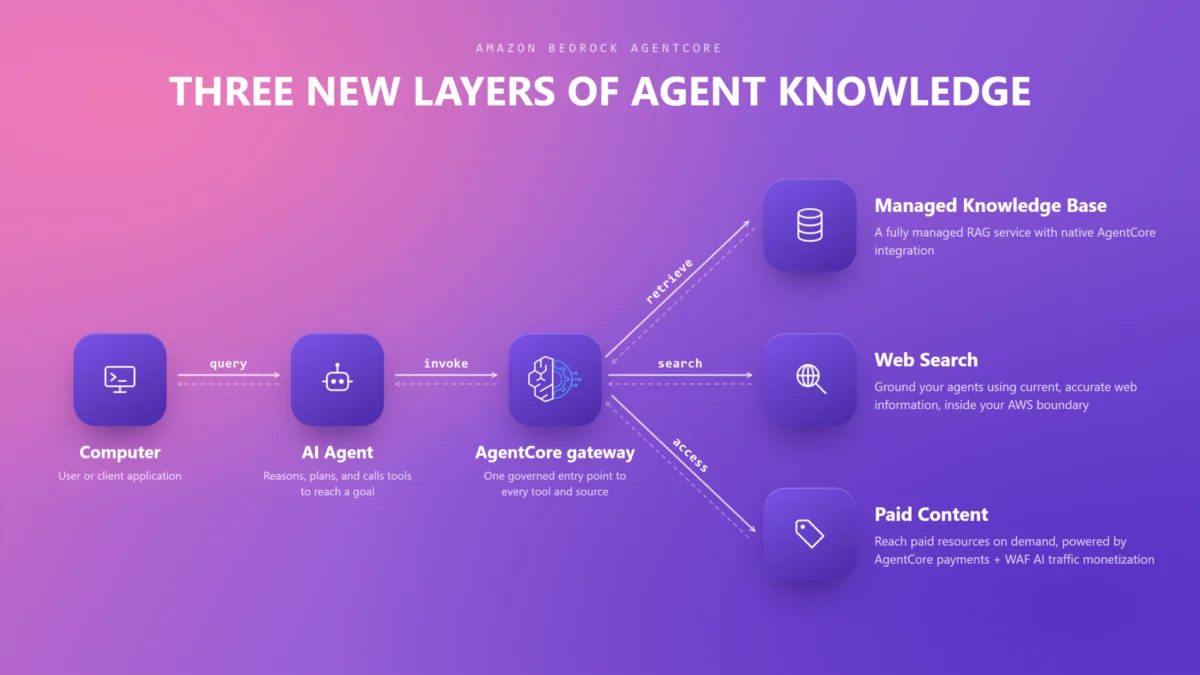
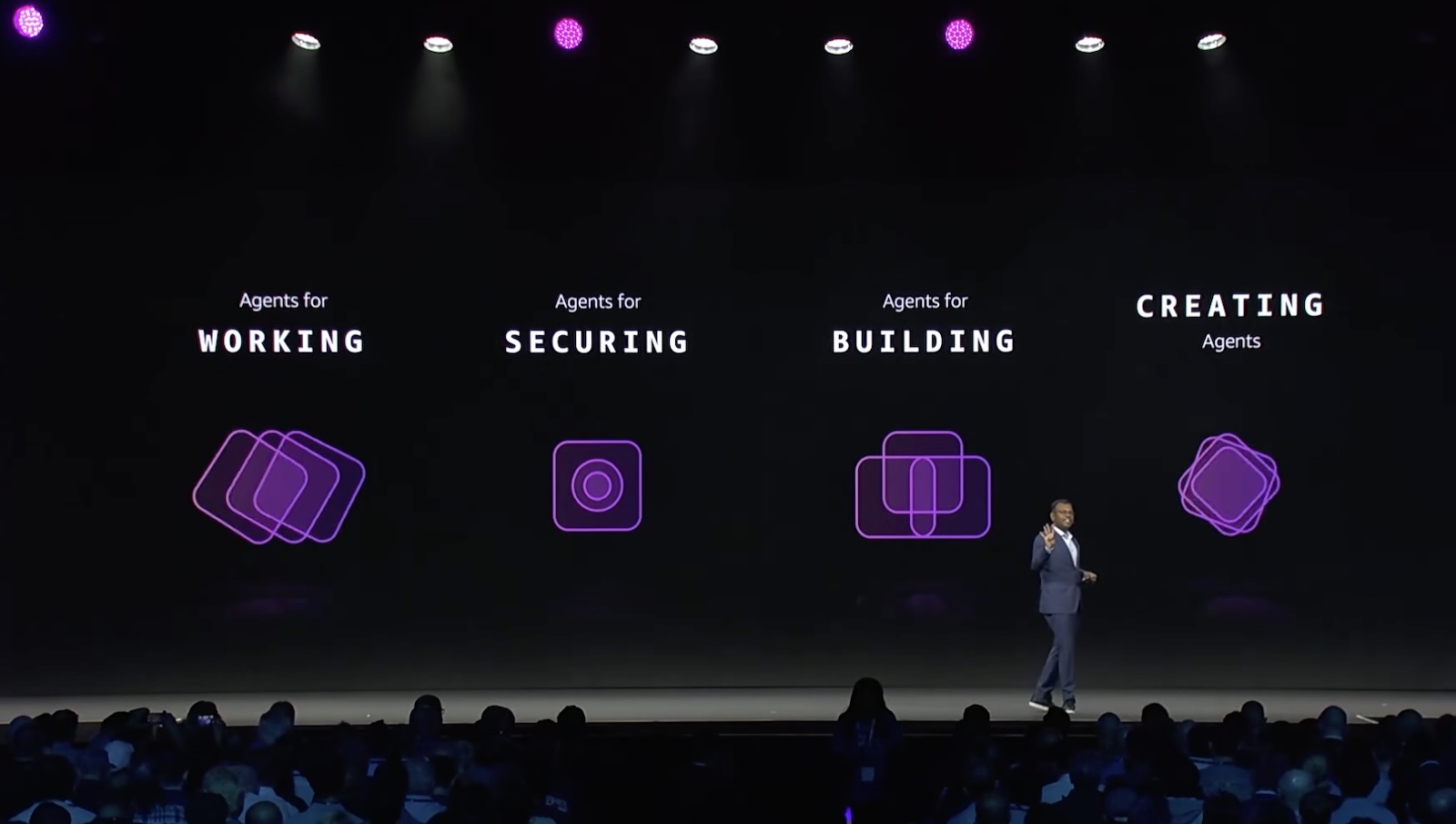
NEW YORK CITY – As the artificial intelligence landscape shifts from simple chatbot interfaces to autonomous systems capable of executing complex workflows, Amazon Web Services (AWS) has positioned itself at the vanguard of this transition. At the AWS Summit in New York City, Swami Sivasubramanian, the company’s Vice President of Agentic AI, took the stage to outline a future where AI does more than just generate text—it takes action.
The centerpiece of the keynote was the unveiling of significant enhancements to Amazon Bedrock AgentCore, a suite designed to bridge the gap between theoretical AI models and real-world enterprise utility. This announcement marks a pivotal moment for developers seeking to move beyond experimental AI projects and into the realm of production-grade, autonomous business agents.
Main Facts: Empowering the Autonomous Enterprise
The core of the AWS announcement revolves around the evolution of "Agentic AI"—systems that can perceive, reason, and act within a software environment. According to Sivasubramanian, the new capabilities integrated into Amazon Bedrock AgentCore address the three primary friction points currently preventing widespread AI adoption: data accessibility, operational reliability, and governance at scale.
The Three Pillars of the New Bedrock Update:
- Unified Knowledge Integration: Agents can now seamlessly interface with a company’s internal organizational data, real-time web information, and paid third-party knowledge bases. This allows agents to operate with context that was previously siloed or inaccessible.
- Autonomous Production Diagnostics: A new suite of observability tools allows AI agents to monitor their own performance in production, identifying anomalies or "failures" in reasoning and automatically triggering remediation workflows.
- Scalable Governance Frameworks: As agents become more capable, the risk of "hallucination" or unauthorized actions grows. AWS has introduced a granular control layer that ensures as an agent’s autonomy expands, the security and compliance guardrails expand proportionally.
Chronology of the Event
The AWS Summit in New York has historically served as a barometer for the company’s cloud strategy. This year’s event followed a tight, high-impact schedule:
- 09:00 AM: The keynote commenced with a focus on "The Agentic Shift." Sivasubramanian highlighted that the industry is moving from "Retrieval Augmented Generation" (RAG) to "Agentic Orchestration."
- 10:15 AM: The specific unveiling of Amazon Bedrock AgentCore’s new capabilities. The demonstration showed an agent autonomously navigating a corporate knowledge base to resolve a supply chain logistics issue in real-time.
- 11:30 AM: Breakout sessions began, focusing on the technical architecture of "Knowledge Layers"—a new feature that allows developers to stack multiple data sources for an agent to consult during its decision-making process.
- 02:00 PM: Afternoon panel discussions featured AWS partners who are already testing these capabilities, providing early evidence of reduced latency in AI-driven task completion.
Supporting Data: The Business Case for Agentic AI
The push toward Agentic AI is not merely a technical trend; it is driven by the demand for measurable ROI. Internal AWS data presented during the summit suggests that organizations using basic RAG architectures often face a "reasoning plateau."
When an AI model is limited to a single knowledge source, its accuracy drops significantly as the complexity of the query increases. By introducing "Knowledge Layers," AWS aims to solve this:
- Contextual Accuracy: Early testing of the new Bedrock AgentCore features shows a 35% increase in task completion accuracy compared to previous versions of Bedrock agents.
- Reduced Latency: By optimizing how agents query external APIs, AWS claims a 20% reduction in the "time-to-action" for complex, multi-step workflows.
- Governance Overhead: With the new automated controls, IT departments reported a 50% reduction in the time required to conduct security audits on autonomous agents, as the platform now logs agent reasoning steps as part of the immutable security trail.
Official Responses and Strategic Vision
During the keynote, Swami Sivasubramanian emphasized that the philosophy behind the new updates is "Human-in-the-loop, AI-in-the-flow."
"We are not trying to replace the human decision-maker," Sivasubramanian stated. "We are trying to remove the administrative and cognitive burden of repetitive, data-heavy tasks. If an agent can research a policy, verify it against internal guidelines, and draft a response for a human manager to approve, the business moves ten times faster."

AWS executives underscored that the "AgentCore" brand is a direct response to customer feedback. Many enterprise clients expressed that while foundation models are powerful, the "plumbing"—the ability to connect these models to enterprise systems—was the missing link. By building these connectors directly into the AWS stack, the company is effectively lowering the barrier to entry for mid-sized enterprises.
Implications: The Future of the Cloud Workforce
The implications of these announcements are profound for both the software development community and the broader corporate workforce.
For Developers: A Paradigm Shift
Developers are no longer just writing code; they are "architecting behaviors." With the new AgentCore tools, the role of a developer is shifting toward designing the "reasoning paths" that an agent follows. This requires a deeper understanding of system prompts, error-handling logic, and knowledge graph construction.
For Cybersecurity: The New Frontier
With increased autonomy comes increased risk. The integration of automated governance controls is a tacit admission by AWS that AI agents will eventually make mistakes. The industry is moving toward a "Zero Trust" model for AI, where every action taken by an agent is treated with the same level of scrutiny as an action taken by a human administrator.
For Business Operations: The Productivity Multiplier
If these tools achieve the projected efficiency gains, the economic impact will be massive. Companies will be able to scale their customer service, legal research, and supply chain management teams without necessarily scaling their headcount. However, this also brings a cultural challenge: how do organizations manage a workforce where a significant portion of "execution" is performed by autonomous software agents?
Conclusion: Looking Ahead
The announcements at the AWS Summit in New York signify that we have moved past the "hype cycle" of generative AI. We are entering the "execution phase." By focusing on the infrastructure of autonomy—how agents learn, how they are controlled, and how they interact with the enterprise—AWS is positioning itself as the operating system for the AI-powered corporation.
As organizations begin to implement these new features, the coming months will be critical. The focus will shift from "what can the AI say?" to "what can the AI do?" For developers and CTOs, the message from the NYC Summit is clear: the age of the agent is here, and the tools to build, govern, and scale them are ready for production.
To read the full technical documentation on the new Bedrock AgentCore features, visit the official AWS Machine Learning blog.
 Ammar Sabilarrohman
  Reynand Wu
  Suro Senen