
 By Nana Wu
Summary: The digital landscape is undergoing a profound paradigm shift. Moving away from the era of menus, forms, and endless clicks, the web is rapidly evolving into an ecosystem shaped around human intent. For UX designers, this transformation requires re-evaluating their core philosophy: pivoting from designing visible, static interfaces to guiding transparent, intent-driven artificial intelligence experiences.
Main Facts: The Paradigm Shift in Modern Web Architecture
For nearly half a century, digital interactions have been anchored to the Graphical User Interface (GUI). Pioneered by systems like the Xerox Star and popularized globally by the original Apple Macintosh, software has fundamentally relied on point-and-click mechanics. If a user wished to accomplish a routine task—such as booking a cross-country flight, purchasing footwear, or researching medical symptoms—they were required to navigate a labyrinth of digital barriers.
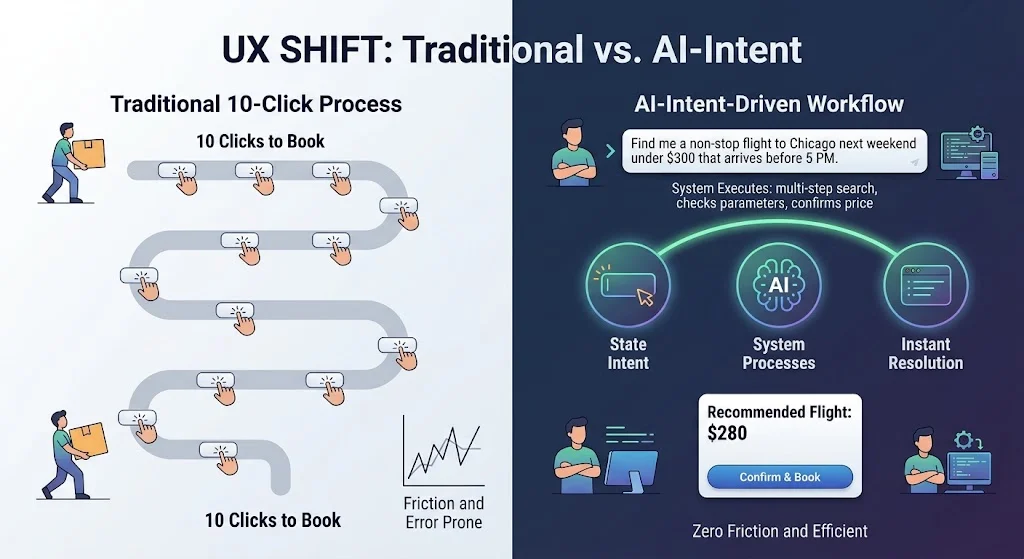
This traditional workflow forced users to interact with menus, manipulate range sliders, fill out tedious multi-step forms, dismiss cookie pop-ups, and open dozens of browser tabs simply to cross-reference basic information. Consequently, humans spent the majority of their digital sessions managing software rather than achieving their actual objectives.

That unwritten contract between human and machine is now officially dissolving. Propelled by massive leaps in artificial intelligence and large language models (LLMs), a new generation of web platforms is pioneering a radical philosophy known as Intent-Driven Design. Instead of demanding that users memorize complex UI hierarchies and click through elaborate sales funnels, these modern platforms capture high-level human goals and autonomously handle the computational grunt work in the background.
[Traditional 10-Click Flow]
User ➔ Open Browser ➔ Search Directories ➔ Open Multiple Tabs ➔ Filter Parameters ➔ Fill Forms ➔ Manual Comparison ➔ Checkout

[Intent-Driven AI Flow]
User Expresses Goal ➔ AI Captures Intent ➔ Autonomous Background Execution ➔ Single Actionable Resolution
This evolution builds directly upon foundational Human-Computer Interaction (HCI) concepts, most notably Golden Krishna’s thesis “The Best Interface Is No Interface” and Don Norman’s enduring principles of human-centered design. The ultimate objective of modern web design is no longer to fabricate prettier buttons or flashier animations; rather, it is to eliminate the interface entirely.
Chronology: From the Command Line to Ambient AI
To appreciate the gravity of the current transition, it is helpful to trace how digital interfaces have evolved across distinct historical eras:
- The Command-Line Era (1950s–1970s): Computing required absolute technical fluency. Users communicated with machines through text-based syntax, demanding specialized knowledge and high cognitive load.
- The GUI Revolution (1980s–2000s): The introduction of the Xerox Star and Apple Macintosh democratized computing. The desktop metaphor, icons, pointers, and clickable buttons made software accessible to the general public, establishing the point-and-click paradigm.
- The Mobile & App Boom (2000s–2020s): The proliferation of smartphones compressed interfaces into touchscreens. While mobile apps made interactions portable, they doubled down on endless swiping, app-switching, and multi-step digital forms.
- The Intent-Driven Era (Present Day): Software transitions from a passive container of data requiring manual orchestration to an active, autonomous partner. Systems now interpret natural language, parse context, and execute workflows behind the scenes.
Supporting Data: Platforms Redefining the Web
This philosophical shift is no longer a speculative prediction about the distant future; it is actively reshaping everyday web usage. Several pioneering platforms are already replacing traditional buttons with intent-based architecture.
1. Perplexity AI: Search Without the Open Tabs
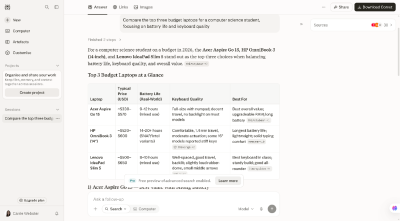
Traditional search engines like Google were historically built as digital directories. Users typed in isolated keywords, and the interface rewarded them with ten blue links. The labor-intensive work of opening five separate tabs, skimming lengthy articles, dodging intrusive advertisements, and manually synthesizing an answer fell entirely on the user.
Platforms like Perplexity AI bypass this friction. By allowing users to express complex informational intent, the interface synthesizes context-aware answers in real-time, eliminating the need for multi-tab browsing altogether.
2. Vercel v0: Web Design Without Dragging and Dropping
For decades, building a digital interface meant opening vector-drawing tools like Figma or drag-and-drop web editors. Designers spent countless hours manually drawing rectangles, picking hexadecimal color codes, adjusting padding values, and writing boilerplate CSS.
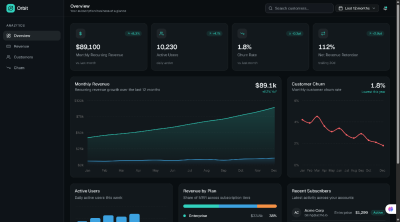
Generative web tools like Vercel v0 allow users to type a natural language prompt—such as "Build a modern SaaS dashboard with a dark-mode toggle and real-time analytics charts"—and instantly render functional code components without manual layout building.
3. Goblin.tools: Breaking Down Cognitive Overload
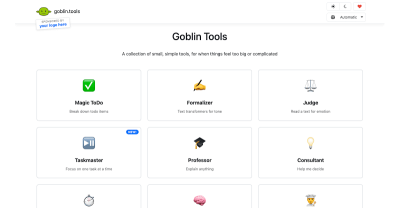
Productivity software has traditionally demanded meticulous human organization: manually constructing task lists, dragging items across Kanban boards, and assigning micro-deadlines. Tools like Goblin.tools approach productivity from an intent-first perspective. Users input an overwhelming or complex task (e.g., "Prepare for a major job interview"), and the system automatically breaks it down into structured, manageable sub-tasks.
| Dimension | Traditional UX Approach | Intent-Driven UX Approach |
|---|---|---|
| User Input | Micro-actions (Clicks, dropdowns, toggles) | High-level goals (Natural language, context, habits) |
| Interface State | Static layouts (Universal pages for all users) | Generative UI (Dynamic components rendered on the fly) |
| Task Execution | Manual execution orchestrated by the human | Autonomous execution by background AI agents |
Official Responses & Industry Perspectives
Industry leaders and research institutions are actively codifying the rules governing this new digital frontier.
- Nielsen Norman Group (NNG): In their landmark analyses on AI as a new UX paradigm, NNG researchers emphasize that computing is shifting decisively from command-based interaction to outcome-specification. This transformation enables Generative UI, where interfaces are dynamically rendered based on immediate user needs.
- Apple Human Interface Guidelines: Apple’s design frameworks for Contextual and Ambient Design urge modern systems to read environmental metadata—such as device states, geographic locations, and historical interaction patterns—to anticipate user needs before explicit commands are given.
- Google PAIR (People + AI Research) Guidebook: To combat the inherent unpredictability of AI systems, the PAIR Guidebook advocates for transparent feedback loops. Systems must explicitly state their interpretation of user prompts (e.g., "Searching for non-stop flights to Chicago under $300…") so users can calibrate trust and correct misinterpretations instantly.
Implications for UX Designers and the Digital Economy
As screenless, agent-driven tools become the industry standard, the role of the user experience designer is undergoing a radical metamorphosis.
Navigating the Illusion of Control
When software makes autonomous decisions on behalf of the user, platforms risk feeling invasive or patronising. Research from the Stanford Human-Computer Interaction (HCI) Group highlights that automation must maintain strict operational boundaries to prevent user frustration. Designers must strike a delicate balance: automate routine execution, but explicitly prompt the user for high-stakes confirmations (such as financial transactions, publishing public content, or altering privacy settings).
Furthermore, guidelines from the Center for Humane Technology stress that product designers must actively guard against manipulative defaults, ensuring that intent-driven systems prioritize user well-being over metrics like artificial engagement inflation.
The Black Box Challenge
In a traditional UI, troubleshooting an unexpected result is straightforward—a user can easily identify if they checked the wrong filter box or selected an incorrect date. In an intent-driven ecosystem, debugging requires transparency. Designers must craft clear audit logs, intuitive revision prompts ("Make this summary shorter"), and prominent undo mechanisms that replace intrusive warning modals with frictionless rollbacks.
Conclusion: The Ultimate Goal is No Design
For generations, the digital product industry measured success through engagement metrics: time spent in-app, click-through rates (CTR), and page views per session. Websites were deliberately engineered to maximize visual engagement and interaction volume.
Intent-driven design completely inverts these legacy metrics. Aligned with Golden Krishna’s philosophy and the Center for Humane Technology’s Time Well Spent movement, the ultimate test of a modern digital product is no longer how visually captivating its buttons are. Instead, it is evaluated by a singular, profound question: How effectively did this software solve the problem and get out of the user’s way?
We are entering an era where web applications will no longer be judged by the ornate beauty of their interfaces, but by their ability to render those complex interfaces completely obsolete. The future of the web is not more interaction—it is seamless, invisible completion.
 Iffa Jayyana
 Azzam Bilal Chamdy
 Nila Kartika Wati
