
 By Iffa Jayyana
Close your eyes and visualize the quintessential fashion of the 1980s. Almost immediately, your mind conjures images of neon spandex, gravity-defying perms, and aggressive shoulder pads. Shift to the 1990s, and you see grunge flannels and minimalist slip dresses. The 2000s? Low-rise jeans, velour tracksuits, and trucker hats.
These decades are etched into our collective consciousness as monolithic style blocks—cohesive, recognizable, and singular. However, if you attempt to pin down the "look" of the 2010s or the current 2020s, the picture blurs. Are we looking at colored leggings, checkered Vans, or perhaps a thrift-store cocktail of everything that came before? The distinct boundary lines between eras have dissolved, replaced by a hyper-accelerated, fragmented landscape where trends no longer define a decade—they define a week.
The Chronology of Style: From Runway to Feed
Historically, fashion operated on a rhythmic, predictable heartbeat. Trends were birthed in the ateliers of Paris or Milan, trickled down to high-end boutiques, were codified by glossy magazines, and eventually reached the mass market via film and music culture. This cycle typically spanned fifteen to twenty years, allowing a "look" to mature, peak, and slowly fade into nostalgia.
The 80s, 90s, and 2000s represent the final bastions of this era. According to recent consumer sentiment data, these three decades rank highest when respondents are asked for their "favorite" fashion era. Specifically, 9.5% of respondents favor the 80s, 11.25% favor the 90s, and 8.25% gravitate toward the 2000s. In contrast, the 2010s and 2020s consistently rank lowest in "fashionability" and "defined sense of style." We have reached a point where we no longer look forward to define our style; we look backward to anchor it.
The catalyst for this disruption is, undeniably, the internet. As digital connectivity surged over the last quarter-century, the democratization of style shifted the power dynamic. Fashion is no longer dictated by the editorial gatekeepers of Vogue; it is crowdsourced on For You and Explore pages. With 42% of Gen Z citing social media as their primary source of fashion inspiration, the runway has been replaced by the infinite scroll.
Supporting Data: The Digital Consumption of Identity
To understand why the "decade" has died, one must look at the sheer volume of exposure inherent in the digital age. There are now over 5.17 billion social media users worldwide, each spending an average of two hours per day scrolling.
The demographics of these platforms reveal a concentration of influence that is historically unprecedented:
- Instagram: Boasts 3 billion monthly active users, nearly a third of whom are aged 18–24.
- TikTok: Its 1.9 billion monthly active users are overwhelmingly Gen Z, who treat the app as a real-time fashion laboratory.
- Pinterest: With 553 million monthly users, 42% of whom are Gen Z, it serves as the primary visual search engine for "aesthetic" curation.
In this ecosystem, a young adult in 2026 is bombarded by thousands of strangers every day. The traditional model of taking inspiration from a singular movie star—like the impact of Dirty Dancing on leotards or Top Gun on aviator jackets—has been superseded by a thousand micro-influencers. The result is a paradox: when everyone has access to the same global trends simultaneously, individuality becomes a burden. How can 71% of Gen Z prioritize "personality" in their style when the digital algorithm is pushing the same "core" to everyone at once?
The Rise of the "Aesthetic" Niche
The answer to this crisis of individuality is the "Aesthetic." In the pre-internet era, the word aesthetic was a philosophical term denoting an appreciation of beauty. Today, it functions as a digital tribal identifier. According to the Copenhagen Fashion Summit, a clothing aesthetic is now defined as a visual theme that ties a wardrobe together, from color palettes to specific silhouettes.
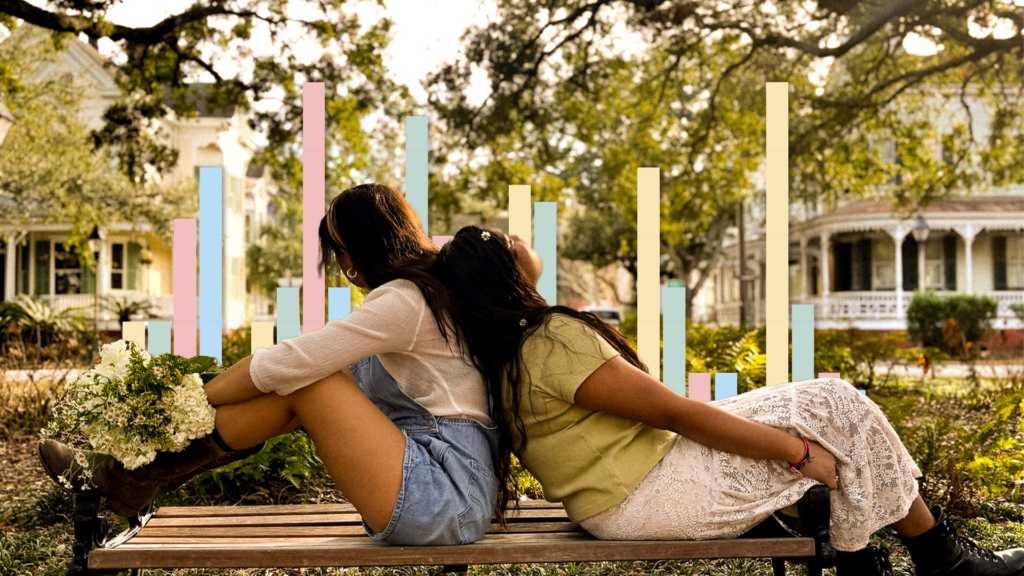
There are currently dozens of recognized aesthetics, ranging from "Cottagecore"—a romanticized, rural, and cozy aesthetic featuring puffed sleeves and gardening hobbies—to the intellectual rigor of "Dark Academia." Unlike the decade-long trends of the past, these aesthetics function as hyper-specific niches.
Depop’s 2024 Trend Report highlights this fragmentation through several emerging search categories:
- Contemporary Classics: An "old money" revival focusing on stability, reliability, and preppy staples from brands like Ralph Lauren.
- Minimalist Renaissance: A reaction against clutter, favoring clean lines, cashmere, and high-quality craftsmanship.
- Retro Sportswear: A nostalgic nod to 80s windbreakers and 90s athleticism, fueled by the real-world resurgence of casual sports like pickleball.
- Indie Vanguard: A bold, chaotic blend of 2010s hipster culture, grunge, and early 2000s punk, exemplified by the "Brat" aesthetic popularized by artists like Charli XCX.
These aesthetics allow individuals to curate a "vibe" that feels personal, even if it is being algorithmically served to millions of others. They are, in essence, custom-built identities for a chaotic digital age.
Implications: The Environmental and Ethical Cost
While the diversity of style is a welcome departure from the conformity of the past, the rapid "speed-running" of trends presents a grave concern: the environmental toll of fast fashion.
When trends shift from a 20-year cycle to a 20-day cycle, the manufacturing industry must pivot at breakneck speeds. This demand has institutionalized "fast fashion," a sector that relies heavily on synthetic materials like polyester. The fashion industry now accounts for up to 10% of annual global carbon emissions. The environmental cost is staggering, with billions of garments ending up in landfills or oceans annually.
However, there is a glimmer of a paradigm shift. We are observing a growing "sustainability consciousness" among younger consumers. The secondhand market is surging as Gen Z prioritizes thrifted, unique, and vintage pieces over mass-produced disposable clothing. Data from the last two years shows a significant decline in the download numbers of major fast-fashion giants like Shein—a trend that suggests the consumer may finally be hitting a wall.
Conclusion: A New Fashion Philosophy
The death of the decade as a unit of measurement in fashion does not signal the end of style; it signals the end of uniformity. We have moved from a top-down era of "decades" to a horizontal, decentralized era of "aesthetics."
While this transition has introduced the complications of extreme trend cycles and environmental waste, it has also provided an unprecedented canvas for self-expression. We are no longer defined by the decade in which we were born, but by the aesthetic we choose to curate. The earth may not have ended with the Y2K scare, but the way we define ourselves through clothing has undergone a permanent, digital revolution. As we move further into the 2020s, the challenge will be to balance this newfound freedom of expression with a more sustainable, mindful approach to the garments we choose to inhabit.
About the Author:
Ansley Standridge is a freelance writer based in Savannah, GA. A candidate for graduation from the Savannah College of Art and Design in May 2026, she has been a regular contributor to The Savannahian since March 2023. Her work focuses on the intersection of local culture, business, and entertainment. She is also a co-founder and host of the Story Stack podcast.
 Lina Irawan
  Nana
Nana  Nila Kartika Wati