
 By Azzam Bilal Chamdy
In the modern digital economy, your social media presence is often the front door to your business. However, major social platforms—from Instagram and TikTok to X (formerly Twitter)—are notorious for a restrictive "one-link-in-bio" policy. This creates a bottleneck, forcing creators and brands to choose between promoting their latest product, their website, or their contact information.
Enter Linktree: the digital bridge that has revolutionized how creators manage their online traffic. By consolidating your most important URLs into a single, mobile-optimized landing page, Linktree has become an essential utility for modern digital marketing.
The Genesis of the "Link-in-Bio" Solution
The concept of a "link-in-bio" tool emerged as a direct response to the frustration of influencers and entrepreneurs in the mid-2010s. Before dedicated services existed, users often manually swapped out their bio links daily, a cumbersome process that inevitably led to broken links and missed engagement opportunities.
Linktree was one of the first platforms to formalize this process. Since its inception, the platform has evolved from a simple list of links into a robust marketing hub. Today, it serves millions of users—ranging from individual content creators and small business owners to global enterprises—by providing a centralized destination for audience conversion.
Core Functionality: How Linktree Operates
At its simplest level, Linktree functions as a customizable, mobile-first landing page. When a follower clicks your "link in bio," they are redirected to a sleek, branded menu containing buttons that lead to your YouTube channel, email signup, latest sales event, or professional portfolio.
The Mechanics of Setup
Setting up a Linktree account is intentionally frictionless:
- Account Creation: Users register via email or connect directly through their social profiles.
- Dashboard Configuration: Within the dashboard, users add "links" by simply pasting the target URL and assigning it a descriptive title.
- Customization: The platform allows for the adjustment of themes, button shapes, and background imagery to align with brand identity.
- Deployment: The unique Linktree URL is copied into the "Website" field of your social media profiles.
Supporting Data: Why Centralized Traffic Matters
The necessity of a tool like Linktree is backed by clear behavioral trends in digital marketing. According to industry analytics:
- Mobile Traffic Dominance: Over 80% of social media consumption occurs on mobile devices. Standard, non-optimized websites often struggle to provide a cohesive mobile user experience, whereas Linktree is natively designed for mobile interaction.
- The "Paradox of Choice": Marketing psychology suggests that when presented with too many options, users become overwhelmed. Linktree curates the "best of" your digital presence, guiding users toward high-intent actions rather than presenting them with a full, cluttered website navigation bar.
- Conversion Rates: Brands utilizing Linktree report higher click-through rates (CTR) on secondary content compared to those relying on a single static link. By providing a menu of options, you cater to the specific intent of each visitor.
Implications for Your Marketing Strategy
Is Linktree a "nice-to-have" or a "must-have" for your 2025 marketing strategy? The consensus among digital experts is that it is a critical infrastructure component.
1. Unified Brand Analytics
Unlike a standard link, Linktree provides granular data on user behavior. You can track:
- Total Views: How many people visited your hub.
- Click-Through Rates (CTR): Which specific links are resonating with your audience.
- Conversion Tracking: Integration with tools like Google Analytics or Meta Pixel allows you to track downstream conversions, effectively closing the loop on your social media ROI.
2. Agility in Real-Time Marketing
If you are running a flash sale or a limited-time product drop, Linktree’s scheduling feature (available on paid plans) is a game-changer. You can set specific links to appear and disappear automatically, ensuring your bio is always current without requiring manual intervention at midnight.
3. SEO and Referral Traffic
While Linktree pages are not replacements for your primary website, they act as high-traffic referral nodes. By carefully naming your links with SEO-friendly keywords, you can improve the user journey from social media to your primary digital storefront.
Official Perspectives and Industry Comparison
While Linktree leads the market, the sector has seen significant innovation. Professional marketers often weigh the following alternatives:
- Milkshake: Known for its "website-in-an-app" feel. It is highly visual and card-based, making it ideal for influencers who want their "link in bio" to feel like a mini-Instagram Stories feed.
- Beacons: Positioned as the "creator-first" platform. It offers more robust monetization tools, such as the ability to sell digital products or accept tips directly within the landing page.
- Koji: Favored by those who want to embed "mini-apps" (like interactive games or paid content unlocks) directly into their bio page.
Despite these competitors, Linktree maintains the highest level of brand recognition and platform stability, which is often the deciding factor for businesses looking for a "set it and forget it" solution.
Strategic Optimization: Making Your Linktree Work for You
Having a Linktree is not enough; you must optimize it for maximum impact. To elevate your page, follow these best practices:
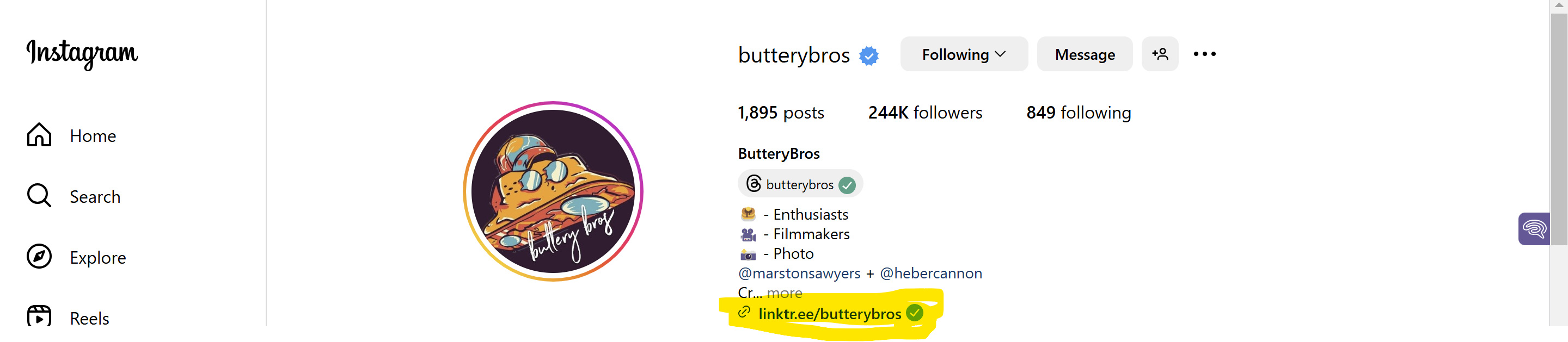
- Prioritize the "Hero" Link: Your most important link (e.g., your primary product or current newsletter sign-up) should be at the top and visually distinct. Use an animation or a different button style to draw the eye.
- Keep Titles Action-Oriented: Avoid generic labels like "My Website." Use persuasive, value-driven language such as "Download My Free E-book" or "Shop the Summer Collection."
- Limit the Number of Links: Resist the urge to link to every single social profile you own. A cluttered Linktree with 20+ links can overwhelm users. Stick to the 5–7 most important destinations.
- Regular Audits: Treat your Linktree like a landing page. Every two weeks, check your analytics. If a link has zero clicks, remove it or replace it with something that offers more value to your current audience.
Conclusion: The Path Forward in 2025
As social media platforms continue to evolve, the challenge of fragmenting your digital presence becomes more pronounced. Linktree provides a necessary layer of abstraction, allowing you to manage your audience’s journey from a social post to a purchase with precision.
Whether you are a solopreneur building a personal brand or a business manager overseeing a global campaign, the ability to centralize your calls-to-action is non-negotiable. By leveraging the analytics, design flexibility, and ease of use offered by Linktree, you can transform your social media bio from a static placeholder into a high-converting revenue driver.
As we move through 2025, the brands that succeed will be those that minimize friction in the customer journey. Linktree is not just a tool; it is a vital component of the modern marketing stack, designed to ensure that no matter where your followers find you, they always have a clear, direct path to engaging with your brand.
Frequently Asked Questions (FAQ)
Q: Does Linktree negatively impact my website’s SEO?
A: No. Linktree acts as a referring site. It does not cannibalize your SEO; rather, it helps distribute traffic to the specific pages on your site that matter most.
Q: Can I use custom domains with Linktree?
A: Yes. On professional tiers, Linktree allows you to connect a custom domain (e.g., links.yourbrand.com), which can enhance brand consistency and build trust with your audience.
Q: Is the free version sufficient for a new business?
A: Absolutely. The free version provides all the essential functionality needed to get started, including unlimited links and basic analytics. As your traffic grows, you can evaluate the need for paid features like advanced customization and deeper audience insights.
Q: How do I measure success?
A: Focus on your "Click-Through Rate" (CTR) and your "Conversion Rate." A high CTR indicates your link titles are compelling, while a high conversion rate on your website suggests your social traffic is well-aligned with your product offerings.
 Dwi Wanna
  rifanmuazin
  Asep Darmawan