
 By Lina Hope
In an era defined by volatile social media algorithms, fluctuating PPC costs, and unpredictable search engine updates, one asset remains the undisputed bedrock of digital business: your email list. While startups often obsess over viral social trends, seasoned entrepreneurs recognize that owning your audience’s contact information is the only way to insulate a brand from the "platform dependency" trap.
As we move deeper into 2025, the imperative to grow an email list organically has never been stronger. Not only does it provide a direct line of communication to your customers, but the financial metrics are impossible to ignore. According to The 2025 State of Marketing Report by HubSpot, email marketing continues to reign supreme with an average ROI of 36:1. For every dollar invested in your email infrastructure, you are looking at a potential $36 return—a figure that dwarfs the performance of almost any other digital marketing channel.
However, growth is rarely about luck; it is about methodology. For founders operating on lean budgets, the prospect of growing a list without paid advertising can feel daunting. This article breaks down the essential frameworks for organic growth, ensuring you can build a high-conversion database while preserving your capital for other critical business functions.
The Strategic Importance of Owning Your Audience
To understand the mechanics of list building, one must first appreciate the "why." In digital marketing, you essentially have two choices: rent your audience or own it.
When you rely exclusively on platforms like Instagram, TikTok, or LinkedIn, you are subject to the whims of their algorithms. A sudden change in engagement metrics or a shift in reach can decimate your brand visibility overnight. By contrast, your email list is a proprietary asset. You dictate the timing, the tone, and the content of every message.
Data-Driven Advantages
Beyond control, email facilitates a level of intimacy that social media cannot replicate. By leveraging advanced segmentation, brands can tailor messaging based on granular user behavior, demographics, and purchasing intent. This personalization is the engine of conversion. A well-segmented campaign doesn’t feel like "marketing"—it feels like a relevant recommendation. This fosters trust, transforms one-time buyers into loyalists, and significantly increases the lifetime value (LTV) of your customers.
Chronology: From First Subscriber to Scaled Database
Building a list is not a singular event; it is a lifecycle. The journey generally follows this progression:
- The Incentive Phase: Creating the "lead magnet" that triggers the initial opt-in.
- The Placement Phase: Integrating touchpoints across your digital ecosystem.
- The Engagement Phase: Delivering immediate value through challenges or educational sequences.
- The Expansion Phase: Leveraging social proof and cross-collaboration to reach new audiences.
- The Optimization Phase: Using analytics to refine conversion rates and reduce friction.
6 Proven Strategies to Grow Your List Organically
If you are looking to build your list without the crutch of paid ads, you must provide value that is substantial enough to warrant a user’s most guarded piece of digital property: their email address.
1. Give Them What They Want: The "High-Value" Lead Magnet
The era of the "generic newsletter" is dead. If you want someone’s email, you must provide an immediate solution to a problem. Whether it is an exclusive checklist, a proprietary template, or a mini-course, the asset must be genuinely useful.
Avoid the temptation to use AI to generate low-effort, thin-content assets. Users are increasingly sophisticated; they can spot a generic resource from a mile away. To convert, your resource must offer expertise that is not easily accessible via a simple Google search. If the user feels they have received "insider" knowledge, they are far more likely to remain subscribed.
2. Strategic Placement: The "Digital Real Estate" Approach
Conversion often comes down to timing and visibility. Do not limit your sign-up form to your footer. Instead, treat your website like a store where every aisle has a checkout counter.
- Homepage: A high-intent hero section.
- Blog Content: Inline sign-ups that appear after a user has read 50% of an article.
- Exit-Intent Pop-ups: Triggered only when a user is about to leave, capturing the "almost lost" visitor.
A note on user experience: While optimizing for conversion is key, do not over-index on pop-ups. Excessive interference can spike bounce rates. Monitor your site speed and time-on-page metrics closely to ensure your growth tactics aren’t degrading the user experience.
3. The "Challenge" Model: Building Momentum
Human psychology loves a challenge. It implies a starting point, a journey, and a transformation. By hosting a "7-Day Challenge" (e.g., 7-Day Wellness Reset or 7-Day Coding Sprint), you create an interactive experience that requires the user to engage with their email inbox daily. This habit-forming behavior is crucial for long-term retention.
4. Leverage Your Social Media Presence
Your social media followers are your "warm" leads. They already know your brand—now, you just need to move them to a higher-intent channel. Use your "Link in Bio" tools to drive followers to a landing page dedicated to your lead magnet. Use your stories and live sessions to tease the value they will receive once they join your list.
5. Ubiquity: The Link Everywhere Strategy
Treat every piece of your digital footprint as an opportunity for acquisition. This includes your professional email signature, your LinkedIn profile header, your guest posts on other publications, and even your physical business cards. If someone is interacting with you in a professional capacity, they should be one click away from your email list.
6. Collaborative Growth: The Power of Partnerships
The most effective way to scale is to borrow someone else’s audience. Partner with an entrepreneur or brand in your niche who shares your target demographic but is not a direct competitor.
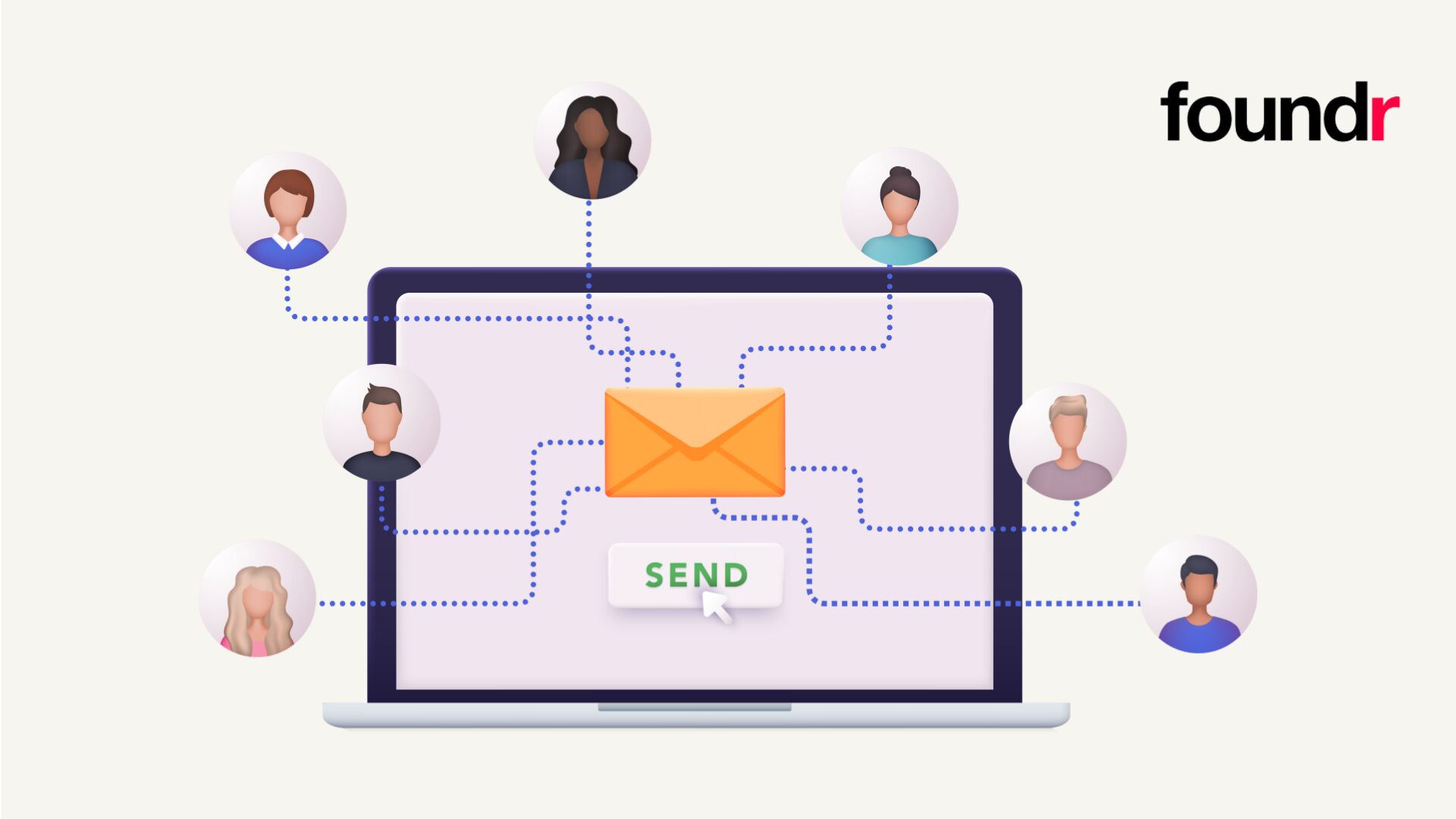
- Newsletter Swaps: Recommend each other’s lists to your respective audiences.
- Co-branded Webinars: Combine expertise to create a dual-value proposition.
- Guest Blogging: Write content for their audience that includes a call-to-action for your specific lead magnet.
Implications of a Healthy List
The implications of successfully scaling your list are profound. A large, engaged list serves as a safety net against market volatility. When you launch a new product, you don’t have to wait for the social media algorithms to "decide" if your post is worthy of reach—you simply press send.
However, the responsibility of the list owner is to maintain that health. This means regular list hygiene (removing inactive subscribers), honoring the cadence you promised upon sign-up, and ensuring that every email sent provides value. The goal is not just a high number of subscribers; it is a high number of active, interested subscribers.
Maximizing Potential with Advanced Tools
While these strategies are free to implement, managing the complexity of a growing list requires robust infrastructure. This is where professional platforms like Omnisend become indispensable.
Omnisend is specifically engineered for eCommerce brands that require sophisticated automation. With features like drag-and-drop workflow builders, advanced behavioral segmentation, and integrated SMS, it allows you to treat your email list not as a static file, but as a dynamic engine of revenue.
For those ready to professionalize their efforts, we are pleased to offer an exclusive partnership. Use the code FOUNDR50 at checkout to receive 50% off your first three months on any paid Omnisend plan.
Click here to start building your future-proof business today.
 Dwi Wanna
  rifanmuazin
  Asep Darmawan