
 By rifanmuazin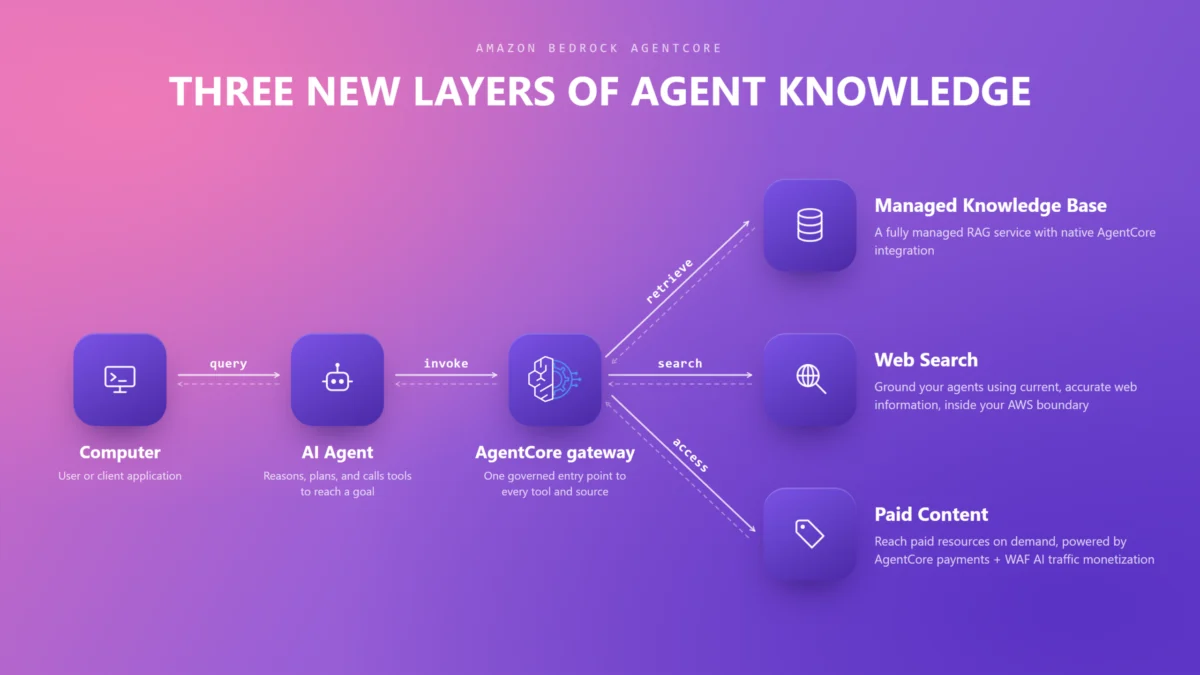
The landscape of generative AI is undergoing a tectonic shift. Moving beyond simple text generation and basic chatbot interfaces, the industry is racing toward "Agentic AI"—systems capable of reasoning, planning, and executing complex, multi-step workflows with minimal human intervention. At the AWS Summit in New York City this week, Amazon Web Services (AWS) positioned itself at the forefront of this transition.
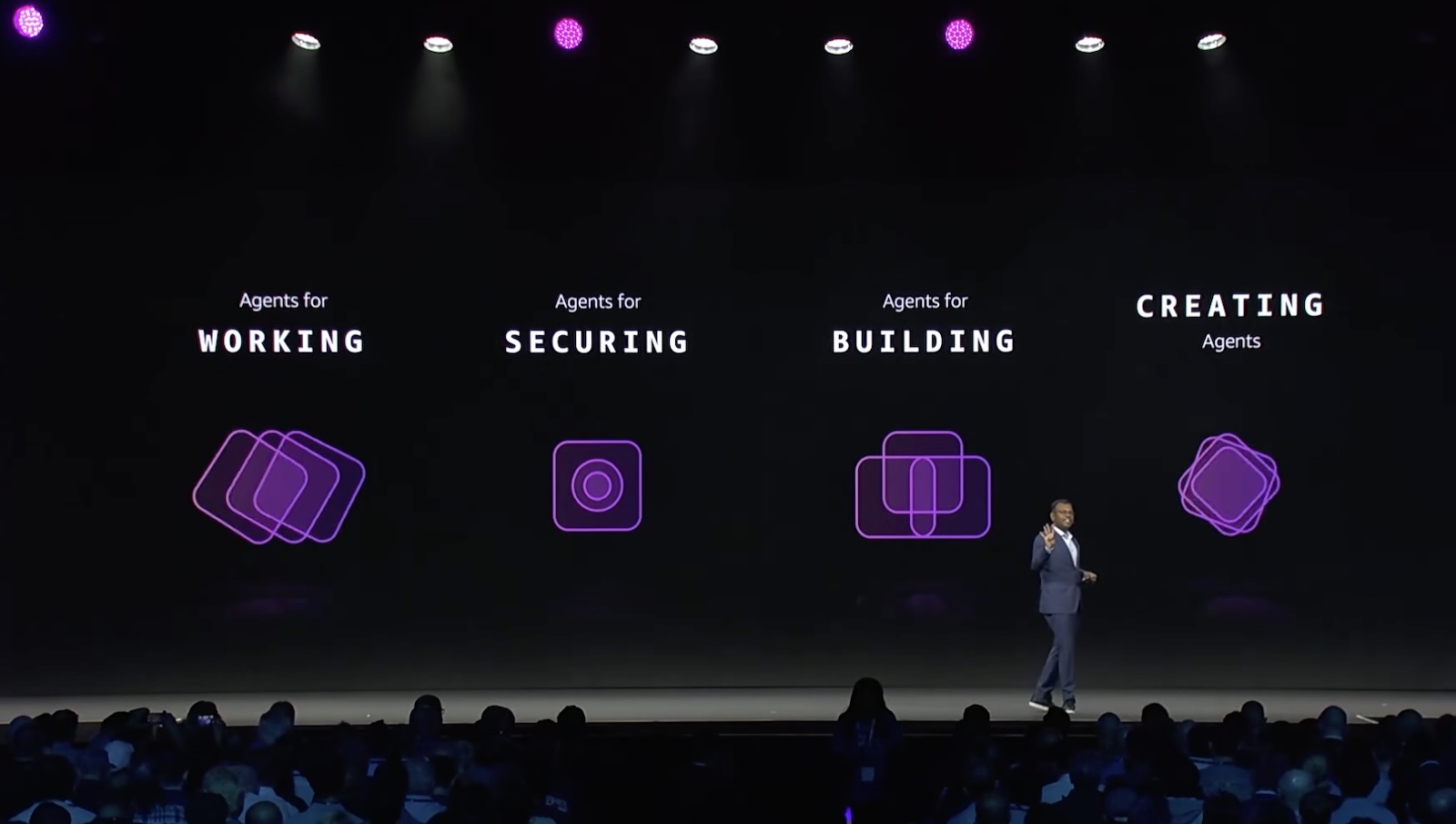
Swami Sivasubramanian, AWS’s newly appointed VP of Agentic AI, anchored the keynote address, outlining a roadmap that aims to turn AI from a passive research assistant into an active, autonomous coworker. From enhanced Bedrock infrastructure to the launch of "Amazon Quick" autonomous agents, AWS is betting heavily on the idea that the future of enterprise software is not just intelligent, but actionable.
The Core Announcements: Empowering the Autonomous Enterprise
The AWS Summit served as a launchpad for a suite of features designed to bridge the gap between "experimental AI" and "production-grade reliability." The focus was clear: provide developers with the tools to build agents that are context-aware, secure, and capable of operating within the complex silos of modern enterprise data.
1. Amazon Bedrock AgentCore: Expanding the Knowledge Horizon
The centerpiece of the developer-focused announcements was the update to Amazon Bedrock AgentCore. Historically, AI agents have struggled with "knowledge isolation"—the inability to access live, private, or distributed corporate data without tedious manual integration.
The new capabilities within AgentCore allow developers to hook AI agents directly into a broader range of data sources, including internal organizational wikis, live web data, and paid third-party knowledge bases. By enabling "Knowledge Layers," AWS is providing a mechanism for agents to retrieve and synthesize information in real-time. This is not merely a search function; it is a contextual enrichment process that allows agents to troubleshoot production issues by cross-referencing logs with organizational SOPs and incident history.

2. The Rise of Amazon Quick: Autonomous Agents for Business
Perhaps the most consumer-facing announcement was the introduction of Amazon Quick’s autonomous agents. Unlike traditional chatbots, these agents are designed to reside in the background, executing specific business logic based on predefined roles and permissions.
The potential use cases are transformative. For instance, a finance-focused agent can now autonomously process purchase orders as they enter the system, verifying invoices against contracts without human oversight. Similarly, a sales-focused agent can monitor CRM data, email threads, and Slack channels to proactively draft follow-ups, flag potential churn risks, and suggest strategic next steps to account executives.
To support this, AWS also unveiled a "Unified Activity Feed." This feature functions as an AI-driven dashboard that aggregates disparate inputs—emails, calendar invites, messaging threads, and task lists—into a single, prioritized view. By utilizing machine learning to observe user patterns, the feed learns which communications are urgent and which can be deferred, essentially acting as an intelligent filter for the modern knowledge worker.
Chronology: A Week of Rapid Innovation
The announcements in New York were the culmination of a broader strategy that saw intense activity throughout the week:
- Monday, June 15, 2026: Pre-summit rumors began circulating regarding a shift in AWS’s AI strategy toward "Agentic" workflows, signaling a move away from the "Foundation Model" marketing that defined the previous year.
- Tuesday, June 16, 2026: The AWS Summit officially kicked off. Swami Sivasubramanian took the stage to announce the new Bedrock AgentCore capabilities, emphasizing the importance of "continuous learning" in AI systems.
- Wednesday, June 17, 2026: The spotlight shifted to practical applications. The introduction of Amazon Quick agents dominated the conversation, with live demonstrations showcasing agents autonomously managing CRM interactions.
- Thursday, June 18, 2026: AWS followed up the keynote with a series of secondary infrastructure launches, aimed at providing the backend scalability required to support these new agentic workloads, proving that the company is shoring up its cloud foundation to handle the increased compute load of autonomous agents.
Data and Implications: Why Agentic AI Matters
The shift toward agents represents a fundamental change in how companies allocate their IT budget. Currently, most businesses use AI as a "Co-pilot," where the human remains the primary operator. Agentic AI shifts the paradigm to "Self-driving" workflows.

The Efficiency Argument
According to early internal testing cited by AWS, the implementation of autonomous agents in sales and finance workflows can reduce "context switching"—the time lost when employees jump between applications—by an estimated 30–40%. By consolidating tasks into the Amazon Quick activity feed, the platform aims to reclaim hours of lost productivity every week.
The Governance Challenge
As AI becomes more autonomous, the risk of "runaway agents" increases. AWS addressed this during the summit by focusing on "controls that scale." The new governance features in Bedrock ensure that as an agent is granted access to more tools and data, the security guardrails grow proportionally. This is a critical development for highly regulated industries like banking and healthcare, where the lack of auditability has previously prevented the widespread adoption of autonomous AI.
Official Responses and Industry Outlook
"The future of AI is not just about generating text; it’s about completing tasks," noted Swami Sivasubramanian during his address. "We are moving from a world where AI is a search tool to a world where AI is an active agent that can reason through a problem, access the right tools, and deliver a business outcome."
Market analysts have reacted positively to the news, though with a note of caution regarding implementation. "AWS is essentially trying to solve the ‘plumbing’ problem of AI," said one industry consultant present at the summit. "Everyone has a model, but very few companies have a reliable way to make that model do work in a corporate environment. If AWS can make the integration seamless, they win the enterprise segment."
The Path Forward: Implications for the Workforce
The implications of these updates extend far beyond software architecture. The introduction of agents that can draft emails, monitor CRMs, and process invoices forces a reevaluation of the professional job description.
For the average employee, the "Amazon Quick" experience promises to reduce the drudgery of administrative maintenance. However, it also necessitates a new set of skills: "Agent Management." The role of the future worker will be less about performing the task and more about supervising the agents that perform the tasks.
As these systems grow more capable, the question will shift from "What can the AI do?" to "How do we define the boundaries of the AI’s authority?" AWS’s focus on governance and controls suggests they are anticipating this shift. By providing the tools to monitor, intervene, and audit autonomous agents, they are attempting to build a framework where human-AI collaboration is not just possible, but safe and measurable.
In conclusion, the 2026 AWS Summit in New York City did not just unveil new software; it signaled the maturation of the generative AI market. The era of the "chatty" AI is giving way to the era of the "doer" AI. For AWS and its vast ecosystem of enterprise customers, the race to integrate these agents into the bedrock of daily business operations has officially begun. The challenge now is one of execution: how quickly can organizations adapt their workflows to harness the power of these autonomous systems without compromising security or accuracy?
With the updates to Bedrock and the launch of Amazon Quick, AWS has provided the tools. The industry will be watching closely to see if the reality matches the promise of a more automated, efficient future.
 Neng Nana
  Suro Senen
  Lina Hope