
 By Jia Lissa
Main Facts
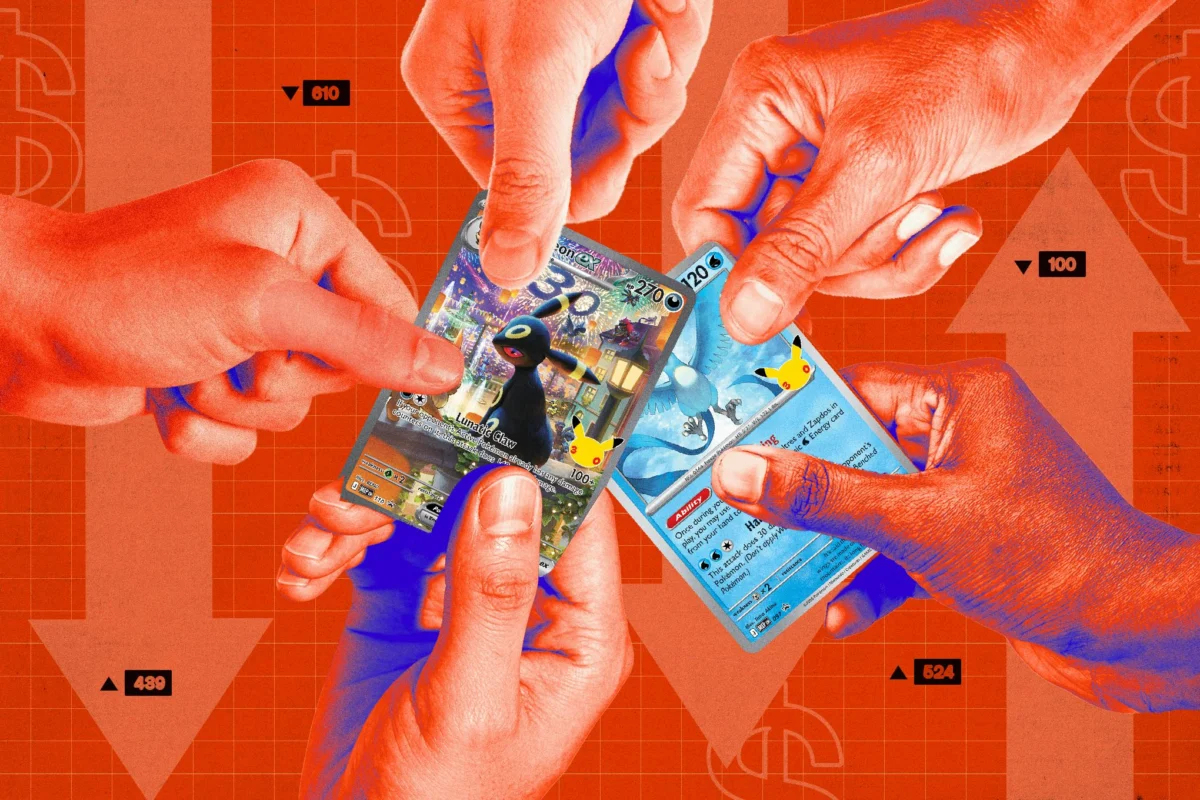
The modern ecosystem of the Pokémon Trading Card Game (TCG) has transformed into a high-stakes, hyper-lucrative arena defined by automated scraping, aggressive industrial scalping, and influencer-driven hype. What was once a childhood pastime centered around playground trades and collecting shiny cardboard pieces has been violently upended by the digital creator economy.
This friction reached a boiling point following the release of the highly anticipated Pokémon TCG 30th Celebration set. While ordinary fans and multi-generational collectors camped outside of big-box retailers overnight in hopes of securing at least one pack at the Manufacturer’s Suggested Retail Price (MSRP), automated shopping bots scooped up massive digital inventories in milliseconds. Operating via sophisticated, subscription-based "cook groups," these scalpers bypassed retailer storefront anti-bot protections to amass heavy stockpiles of unreleased and newly launched merchandise.
The core of the crisis exposes a profound disconnect between corporate manufacturing volume and consumer accessibility. Even though The Pokémon Company printed upwards of 10 billion cards to combat overwhelming post-pandemic demand, the secondary market has been cornered by algorithmic resellers. Armed with proxies, virtual credit cards, and multi-account automation, these operators treat nostalgic collector items with the exact same industrial detachment as limited-edition sneakers or concert tickets.
Compounding the problem is an expanding underground economy of livestream auctions on platforms like Whatnot—frequently criticized for operating in legal gray areas resembling unregulated gambling—and high-profile controversies involving content creators caught peddling stolen or unreleased manufacturer inventory. Yet, the recent launch of the 30th Celebration set introduced unusually generous pull rates, temporarily flooding the market with rare chase cards. This unexpected policy shift triggered panic across private reseller Discord servers, leading to widespread meltdowns, farcical threats of class-action lawsuits against The Pokémon Company, and a stark reminder that the modern collecting hobby has been fundamentally distorted by the pursuit of financial yield.
Chronology of a Crisis: From Leaks to Market Meltdowns
The timeline of the current Pokémon TCG crisis illustrates how quickly digital culture and physical retail can collide to alienate traditional consumers.
- Early September 2026: Content creator Natalie Roush publishes a video showcasing two unreleased premium Pokémon card boxes. The clip immediately incites outrage across the collecting community, with peer creators accusing her of possessing stolen manufacturer inventory and attempting to exploit fans with exorbitant secondary-market pricing. Though Roush deletes the video, the incident sets a volatile tone for the autumn release cycle.
- Mid-September 2026 (The 30th Celebration Launch): The long-awaited Pokémon TCG 30th Celebration set officially hits retail shelves. Diehard fans camp overnight outside brick-and-mortar locations like Best Buy and Target. Concurrently, automated bots deployed by professional scalpers clear out online inventories before human buyers can even complete their checkout process.
- The Days Following Release: Footage spreads across YouTube, TikTok, and Reddit of frantic physical altercations at retail locations, inventory hoarding, and extreme measures—such as a recent incident involving a 72-year-old man arrested and charged with a first-degree misdemeanor for tracking a delivery driver with a hidden GPS device.
- Late September 2026: Screenshots begin leaking from private reseller and "cook group" Discord servers. Scalpers panic as the 30th Celebration set’s unusually high pull rates deflate card values. Online communities explode with viral memes mocking resellers who complain that "everyone can pull the rare bullshit" and threatening legal action against The Pokémon Company for "artificial market saturation."
Supporting Data and The Mechanics of Scalping
Understanding how modern scalping operates requires looking past the individual flipper standing outside a retail store and examining the industrial infrastructure of online retail exploitation.
Professional resellers rarely work in isolation. Instead, they rely on subscription-based ecosystems known as "cook groups." Communities like Polar Chefs charge members anywhere from $75 per month to $660 per year. In exchange, subscribers receive access to proprietary tools:
- Instant Restock Alerts: Automated scrapers that monitor retailer websites (such as Target, Best Buy, and the official Pokémon Center) and ping users the exact second inventory becomes live.
- Automated Shopping Bots: Software programs that bypass human verification systems (CAPTCHAs) to purchase maximum-allowed quantities of high-demand items in fractions of a second.
- IP Spoofing and Proxies: Tools that mask a user’s true location and network signature, allowing a single individual to simulate thousands of distinct buyers checking out simultaneously using virtual credit cards.
According to interviews with prominent figures in the reselling space—such as former sneaker-flipper-turned-card-reseller BotterBoyNova—the process is designed to be entirely hands-off. Operators frequently sleep while their pre-programmed scripts execute multi-thousand-dollar transactions at MSRP. They then offload their physical inventory in bulk to secondary buyers or list them on marketplaces at markups that routinely exceed 200% to 500% of the original retail price.

This economic model thrives on artificial scarcity. Even though The Pokémon Company manufactured a staggering 10 billion cards in a single recent calendar year to satisfy global demand, supply chain outputs are routinely vacuumed up before they can reach store shelves or the shopping carts of ordinary retail consumers.
Official Responses and Regulatory Landscapes
As the intersection of retail goods, automated software, and hyper-aggressive scalpers causes increasing friction, lawmakers and corporate entities are finding themselves forced to navigate a rapidly shifting legal and ethical landscape.
Legislative Gaps and Retailer Policies
At present, utilizing automated checkout bots to purchase consumer retail goods is not explicitly illegal under federal law, though it fundamentally violates the terms of service of nearly every major retailer. The legal precedent for targeting bot usage was established largely in the entertainment sector; Congress passed the Better Online Ticket Sales (BOTS) Act in 2016 to outlaw ticket-buying bots for concerts and live events. In the years since, various lawmakers—such as Representative Paul Tonko—have introduced legislative proposals aimed at expanding these restrictions to high-demand retail items like gaming consoles, limited apparel, and trading cards. However, federal enforcement remains sparse, leaving retailers to fight a perpetual game of technological cat-and-mouse with software developers who continuously update their anti-detection code.
The Corporate Stance of The Pokémon Company
The Pokémon Company International has attempted to address structural scarcity primarily by aggressively ramping up manufacturing outputs, scaling printing facilities to historic highs. By introducing sets with higher pull rates—such as the 30th Celebration line—the publisher effectively injects high-value "chase" cards directly into circulation, diluting the secondary market value that drives predatory reselling in the first place. Nevertheless, the company has historically avoided direct intervention in secondary market pricing structures, focusing instead on combating counterfeit operations and unauthorized manufacturing leaks rather than policing private third-party transactions.
Implications for the Future of Collecting Culture
The current crisis facing the Pokémon Trading Card Game is emblematic of a broader cultural shift across nearly all hobbyist markets. The rise of the creator economy, compounded by pandemic-era financial hustle culture, has permanently altered what it means to be a fan.
When hobbies are viewed primarily as investment vehicles or vehicles for rapid financial extraction, the foundational joy of the activity is inevitably compromised. Casual collectors, families, and young children—the core demographic for whom the franchise was originally designed—find themselves priced out of physical retail spaces. They are forced to navigate an aftermarket dominated by inflated prices, predatory livestream "pack breaks" that critics compare to unregulated gambling, and hostile digital entities that view childhood nostalgia merely as a margin for profit.
The recent panic among scalpers over the 30th Celebration set’s high pull rates offers a glimmer of hope for traditional enthusiasts. It demonstrates that when supply meets real-world demand and corporate policies prioritize accessibility over artificial rarity, the speculative bubble can burst as quickly as it inflated. Whether this marks a turning point for the hobby or merely a temporary setback for the digital hustlers remains to be seen. What is certain, however, is that the soul of the Pokémon collecting community hangs in the balance, caught in a tug-of-war between corporate production lines and the unyielding machinery of the internet age.
 Raul Delapena Setiawan
 Pevita Pearce
 Sagoh
