
 By Sagoh
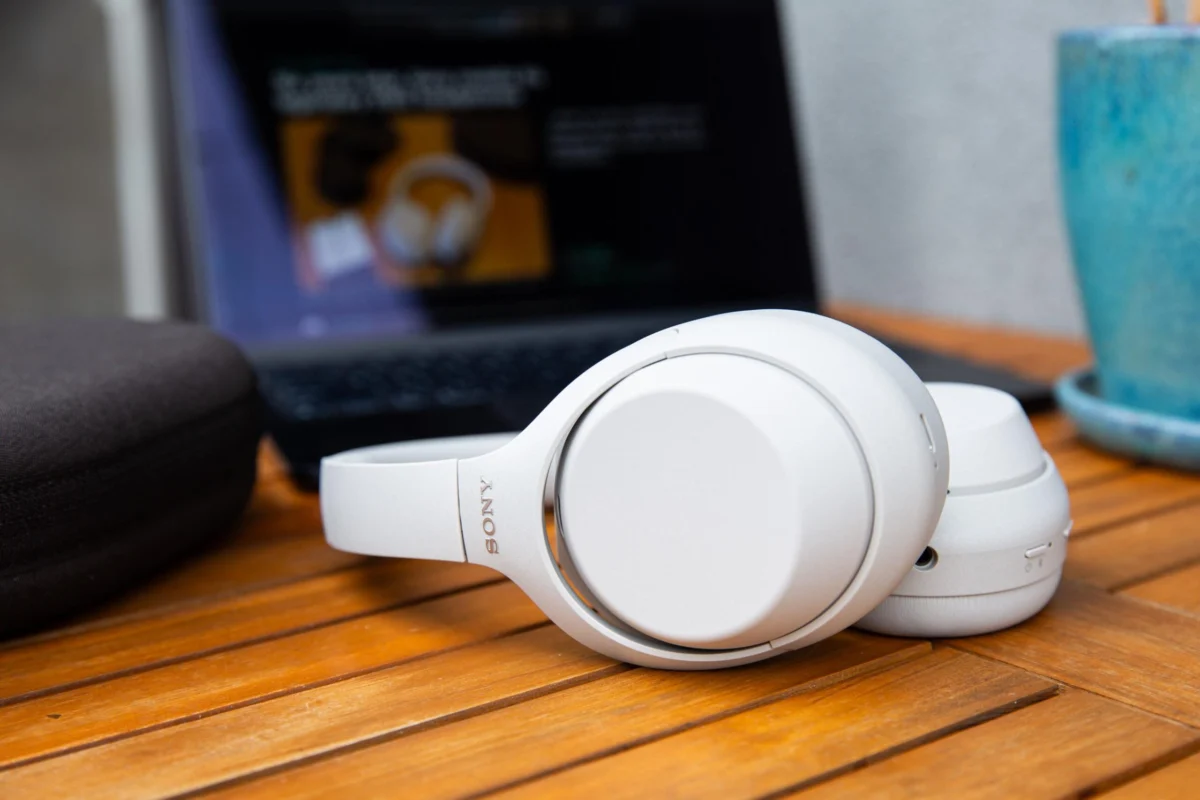
Main Facts
When Sony announced the release of the WH-1000XM4C headphones, the initial reaction across the consumer technology landscape was one of profound bewilderment. Typically, a product line refresh signifies a generational leap—the integration of cutting-edge hardware, a radical redesign, or a reimagined acoustic profile. Even in instances of nostalgia-driven plays, manufacturers usually draw inspiration from vintage product lines dormant for decades, rather than dusting off a blueprint that debuted in 2020.
Yet, the Sony WH-1000XM4C ($298) defies conventional product lifecycle expectations. Beneath a slightly tweaked exterior, these headphones are remarkably similar to their six-year-old namesake, the beloved WH-1000XM4. They utilize the exact same QN1 processor for active noise cancellation (ANC) and share the foundational acoustic architecture that made the original iteration an industry darling.
Despite initial skepticism regarding their existence, a thorough evaluation reveals a pragmatic reality: while the XM4C do not represent the bleeding edge of modern audio engineering, they are exceptional headphones that deliver a compelling value proposition. They retain the classic foldable design, high-resolution codec support (SBC, AAC, and LDAC), plush ergonomics, and a sonic signature that gets users remarkably close to Sony’s current flagship—the WH-1000XM6—at a significantly lower price point.
However, this revival is not without its modern caveats. Driven by incoming European Union regulations regarding right-to-repair initiatives, the XM4C feature a user-replaceable battery design—though this implementation currently comes with regional quirks, a slight dip in overall battery endurance, and the perplexing omission of Bluetooth LE and Auracast support at launch.

Chronology
To understand the context of the WH-1000XM4C, one must look backward across Sony’s illustrious timeline in the wireless audio sector:
- August 2020: Sony launches the WH-1000XM4, setting a gold standard for consumer over-ear active noise-canceling headphones with improved ANC algorithms, multipoint pairing, and robust high-res audio support.
- May 2022: Sony shifts design paradigms with the release of the WH-1000XM5, introducing a non-folding, modern aesthetic, a softer headband, and upgraded dual-processor architecture, though alienating users who preferred the travel-friendly portability of previous generations.
- Late 2024 / 2025: Sony rolls out the WH-1000XM6 flagship, incorporating up to 12 microphones and the advanced QN3 chip to claim absolute dominance in frequency isolation and spatial audio delivery.
- Late 2026: Anticipation mounts as regulatory pressures in the EU—mandating easier battery replacements for electronics—collide with supply chain strategies. Sony surprises the market by officially announcing and releasing the WH-1000XM4C, bridging the gap between legacy comfort and contemporary regulatory compliance.
- Present Day: Reviewers and early adopters put the XM4C through rigorous testing, balancing praise for its timeless comfort and lower retail cost against critiques of its aging ANC technology and lack of Bluetooth LE.
Supporting Data
A side-by-side technical evaluation of the Sony WH-1000XM4C against its predecessor and modern competitors highlights both the enduring strength of its core specs and the areas where six-year-old technology begins to show fatigue.
Core Specifications & Performance Metrics
| Feature | Sony WH-1000XM4 (2020) | Sony WH-1000XM4C (2026) | Sony WH-1000XM6 (Current Flagship) |
|---|---|---|---|
| Retail Price (Launch) | $349 | $298 | ~$450+ |
| ANC Processor | QN1 Chip | QN1 Chip | Advanced QN3 Chip |
| Microphone Count | 4 Mics | 4 Mics | 12 Mics |
| Battery Life (ANC On) | Up to 30 Hours | Up to 27 Hours | Up to 30+ Hours |
| Wired Audio | 3.5mm Jack | 3.5mm Jack (No USB-C Audio) | 3.5mm Jack |
| Bluetooth Codecs | SBC, AAC, LDAC | SBC, AAC, LDAC | SBC, AAC, LDAC, LC3 |
| Bluetooth LE / Auracast | No (Via Update later) | No (At Launch) | Yes |
| Design / Form Factor | Foldable, Hardshell Case | Foldable, Hardshell Case | Non-folding, Redesigned Case |
| EQ Adjustments | 5-Band EQ (App) | 10-Band EQ (App) | Advanced App Integration |
Acoustic and Hardware Analysis
- Sound Quality: The XM4C retain the 40mm dynamic drivers of their ancestor. Bass response is heavy, robust, and supportive, giving tracks like Billie Eilish’s "bad guy" significant low-end drive without muddying the mix. Midrange frequencies—such as the acoustic attack on Tracy Chapman’s "Fast Car" or Robert Plant’s raspy vocals—can occasionally sound slightly recessed out of the box. Fortunately, Sony upgraded the companion software to feature a 10-band EQ (doubling the 5-band limit of the original XM4). A modest boost between 1kHz and 4kHz quickly opens up the soundstage, resulting in a rich, highly enjoyable listening experience.
- Active Noise Cancellation (ANC): Relying on the older QN1 chip and a four-microphone array, the XM4C offer respectable isolation, particularly against low-frequency drone like airplane cabins, large trucks, and air conditioners. Direct comparisons show they block out low-end rumble slightly better than the original XM4—though this is likely due to the fresh, uncompressed foam of the brand-new ear pads rather than algorithmic advancements. When measured against modern powerhouses like the XM5, XM6, or Bose QuietComfort Headphones Gen 2, however, the six-year-old ANC architecture falls short, struggling to isolate complex mid-to-high frequencies with the same absolute authority.
- Wired & Wireless Connectivity: While the industry stubbornly abandons legacy analog ports, the XM4C proudly retain a 3.5mm headphone jack. It functions in powered mode (allowing active noise cancellation) and passive mode when the battery is completely depleted. Disappointingly, wired listening remains restricted to analog 3.5mm; USB-C audio input is absent. Furthermore, the exclusion of Bluetooth LE and Auracast support at launch feels like a missed opportunity in 2026, though software patches remain a possibility.
Official Responses and Manufacturer Intent
Sony’s positioning of the WH-1000XM4C touches upon broader corporate strategies regarding global compliance, regional product differentiation, and consumer lifecycle management.
While Sony representatives have framed the release as an opportunity to reintroduce a legendary, highly demanded physical form factor—especially for consumers who actively disliked the non-folding, modern chassis of the XM5 and XM6—industry insiders note that regulatory compliance was the primary catalyst.

The inclusion of a user-replaceable battery architecture directly stems from rigorous European Union legislation designed to curb electronic waste by forcing manufacturers to make portable device batteries easily swappable by everyday users. However, Sony’s global rollout strategy has sparked debate: replacement batteries and official do-it-yourself instructions are currently restricted exclusively to European markets. North American consumers receive the physical design changes necessary to facilitate these repairs, yet lack access to replacement cells or service documentation.
When pressed regarding internal component accessibility, early teardowns revealed that while the faux-leather ear cushions pop off effortlessly by hand without requiring prying tools, accessing the battery compartment beneath the internal chassis remains obfuscated. Removing visible screws fails to grant direct access, highlighting a half-step implementation where regulatory mandates in one territory dictate hardware revisions sold globally, even if the localized right-to-repair benefits cannot be fully utilized by consumers abroad.
Implications
The launch of the Sony WH-1000XM4C carries profound implications for the consumer audio market, illustrating shifting paradigms in pricing, sustainability, and industrial design.
1. The Death of Planned Obsolescence vs. Pricing Realities
For years, technology companies have relied on aggressive two-to-three-year replacement cycles to drive hardware sales. By reaching back six years to resurrect the XM4 design, Sony is acknowledging that peak ergonomic comfort and acoustic design achieved a plateau years ago. At $298, the XM4C command a minor premium for a legacy design, yet they offer a lifeline to consumers who refuse to abandon folding over-ear structures. It proves that a great design does not necessarily have an expiration date.

2. The Ripple Effect of EU Regulations on Global Hardware
The introduction of the user-replaceable battery in the XM4C serves as a bellwether for the tech industry at large. As European laws tighten, multinational corporations are finding it increasingly cost-ineffective to manufacture entirely separate regional hardware variants. Consequently, features designed for compliance in the EU—such as serviceable batteries and modified internal layouts—are spilling over into global models like those sold in North America.
However, Sony’s rollout exposes a transitional friction point: shipping a repairable device to a market without providing the accompanying spare parts or documentation risks frustrating consumers who buy into the promise of device longevity, only to find themselves reliant on proprietary service channels.
3. Market Segmentation and Value Positioning
The audio landscape is fiercely competitive. With budget competitors like Anker offering comparable noise cancellation at a fraction of the price, and ultra-premium flagships pushing past the $450 mark, mid-tier pricing is undergoing an identity crisis. The XM4C successfully occupy a clever psychological middle ground. They serve buyers who want flagship-adjacent brand cachet, high-res LDAC audio codec support, and legendary comfort, but who balk at the financial barrier of entry associated with generational flagships like the WH-1000XM6.
Ultimately, the Sony WH-1000XM4C is a fascinating paradox: an old device repackaged for a new regulatory era. Flawed in its omissions—such as Bluetooth LE—and uneven in its global repair accessibility, it nevertheless succeeds where it matters most: delivering timeless acoustic performance, supreme comfort, and enduring market relevance.
 Pevita Pearce
 Azzam Bilal Chamdy
 Nana
