
 By rifanmuazin
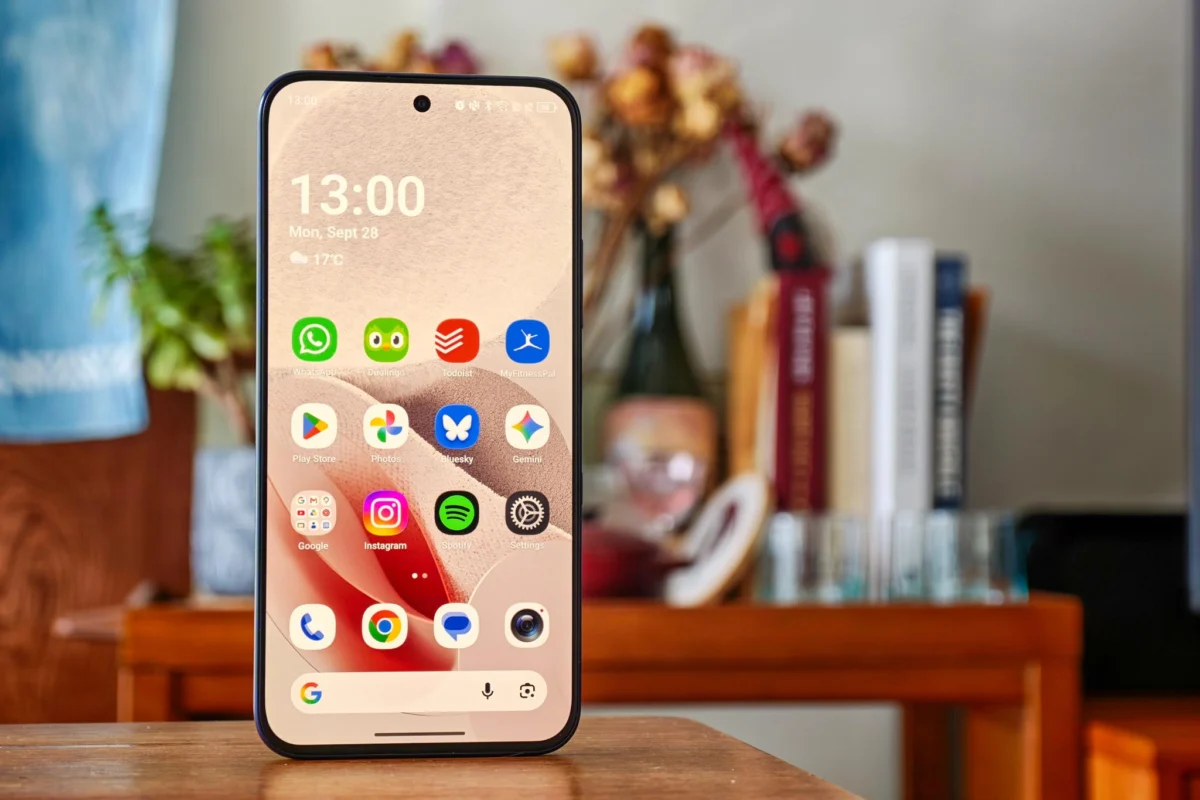
For the past decade, the smartphone industry has chased a singular aesthetic: the ultra-glossy, highly reflective glass sandwich. From flagship powerhouses to budget-tier handsets, manufacturers have universally leaned into shiny, mirror-like screens that pop under fluorescent store lights but turn into frustrating, fingerprint-smudged mirrors outdoors.
However, a quiet hardware revolution is underway. Spending time with TCL’s otherwise unexceptional midrange Android device—the TCL P80 Ultra—reveals one genuinely transformative feature: a matte OLED display. By merging anti-glare, paperlike textures with deep, inking OLED blacks, the P80 Ultra offers a glimpse into a more ergonomic, eye-friendly future. More importantly, it acts as a surprising harbinger for Apple’s upcoming foldable, the iPhone Duo, proving that the industry is finally ready to move past pure gloss.

Main Facts: The Marriage of Matte and OLED
At the core of this hardware shift is a fundamental evolution in display technology. For years, matte finishes were restricted to e-readers, specialized drawing tablets, or aftermarket screen protectors that dulled a device’s native contrast.
TCL changed the paradigm by introducing its proprietary Nxtpaper technology in 2021 on tablets, eventually bringing it to smartphones like the Nxtpaper 40 5G in 2023. While previous iterations successfully mimicked the low-power, paper-like feel of E Ink screens, they relied on LCD panels. This meant sacrificing the deep blacks, high contrast, and rich color reproduction modern consumers expect. Furthermore, the lack of true black levels made always-on displays impractical—a major dealbreaker for Android power users.

The P80 Ultra changes everything by introducing the first-ever Nxtpaper tech integrated with an OLED panel.
- Visual Fidelity: It delivers vibrant colors, infinite contrast ratios, and rich dynamic range without looking washed out.
- Ergonomics & Comfort: The matte surface diffuses ambient lighting, drastically cutting down on glare, reducing eye strain, and minimizing harmful blue light exposure.
- Tactile Experience: The glass features a smooth, satiny texture that reduces friction, making swiping and scrolling feel physically satisfying.
- Dedicated Software Modes: A physical hardware toggle on the side of the device triggers "Paper Mode" (which washes out colors or shifts the display to monochrome) and "Max Ink Mode" (a stripped-down, ultra-power-efficient e-reader state that disables most smart features).
Despite these massive display triumphs, the P80 Ultra remains an imperfect device. Its general system performance suffers from noticeable lag and stuttering, and its triple rear camera system delivers thoroughly average photography. Yet, the screen represents pure, unmitigated progress.

Chronology: The Evolution of Paperlike Displays
To understand how the industry arrived at matte OLEDs and foldable anti-glare coatings, we must look back at the gradual march of alternative display tech:
- January 2021: TCL introduces its proprietary Nxtpaper concept on color display tablets, aiming to bridge the gap between digital screens and traditional paper.
- August 2023: TCL brings the Nxtpaper ecosystem to mobile handsets with the launch of the TCL 40 Nxtpaper 5G at IFA, establishing a dedicated cult following among users prioritizing eye comfort.
- May 2024: Apple launches the redesigned iPad Pro featuring optional nano-texture glass, marketing its paperlike friction as an essential tool for digital artists and illustrators.
- Late 2025 / Early 2026: Competitors across the board—including Huawei with its PaperMatte tablets, alongside selective models from Lenovo and Xiaomi—normalize anti-glare finishes on large-format devices.
- September 2026: Apple debuts the iPhone Duo, a book-style foldable utilizing a matte inner display specifically engineered to minimize the visual distraction of the panel’s central crease.
- October 2026: TCL releases the P80 Ultra, marking the historical convergence of OLED deep-level contrast and matte anti-glare technology in a consumer smartphone.
Supporting Data & Industry Context
While TCL pioneered consumer-facing matte mobile screens, the broader tech landscape has steadily adopted anti-glare physics across multiple product categories.

- The Tablet Segment: Huawei’s "PaperMatte" line proved that consumers are willing to sacrifice a degree of reflectivity if it means gaining a stylus-friendly, glare-free writing surface. Tablets utilizing these screens have carved out a lucrative niche among students and creative professionals.
- The TV Market: Samsung’s lifestyle-oriented "Frame TV" relies entirely on matte finishes to mimic physical oil paintings hung on a wall. The commercial success of the Frame has driven competitors, including TCL, to release budget-friendly matte television alternatives.
- The Foldable Crease Problem: Folding screens inherently suffer from a physical crease along the hinge axis. Glossy foldable displays exacerbate this issue by catching overhead lighting directly on the fold, drawing the human eye straight to the imperfection. A matte scattering layer diffuses this incoming light, effectively camouflaging the crease during normal use.
| Device / Technology | Panel Type | Core Advantage | Notable Limitation |
|---|---|---|---|
| TCL P80 Ultra | Matte OLED | Zero glare, rich contrast, physical toggle for e-reader modes | Sluggish midrange performance, average cameras |
| Apple iPad Pro (Nano-Texture) | Matte LCD/OLED | Exceptional stylus feedback for creators | Premium pricing tier, requires careful cleaning |
| Huawei PaperMatte Tablets | Matte LCD | Low eye fatigue, excellent ambient light dispersion | Reduced peak brightness punchiness |
| Apple iPhone Duo (Inner Screen) | Matte Foldable OLED | Disguises the folding crease, smooth touch feel | Outer screen remains standard glossy glass |
Official Responses and Manufacturer Perspectives
Display manufacturers and device architects have historically defended glossy glass under the banner of "vibrant color saturation." However, shifting consumer habits regarding screen time, digital fatigue, and outdoor legibility have forced executives to rethink their priorities.
TCL’s product team has long maintained that smartphones do not need to choose between media consumption and eye wellness. During press briefings at IFA, representatives emphasized that the inclusion of the "Nxtpaper Key" hardware switch addresses a growing psychological fatigue among consumers who want to disconnect without throwing away their smartphones entirely.

Meanwhile, Apple’s decision to incorporate a matte coating on the interior folding panel of the iPhone Duo speaks volumes about the engineering hurdles of book-style foldables. Rather than attempting to eliminate the physical hinge indentation through mechanical wizardry alone—a battle every Android manufacturer (Samsung, Xiaomi, Huawei, and Motorola) has fought with mixed success—Apple opted for an optical solution. By scattering ambient light across the fold, Apple has implicitly acknowledged that anti-glare technology is a crucial structural tool, not just an accessibility feature.
Implications: What the iPhone Duo Means for the Future of Mobile
The convergence of matte finishes and high-end OLED panels carries profound implications for the trajectory of the smartphone market over the next several years.

1. The Death of the Universal Glossy Screen
For nearly two decades, consumers have had virtually zero choice when it comes to screen finish; everything shipped out of the box with a high-gloss trap for smudges and glare. If Apple successfully normalizes a matte interior display on the iPhone Duo, it validates the technology for a mainstream luxury audience in a way that midrange Android brands like TCL could never quite achieve on their own. Within a year, we can safely expect Samsung, Google, and other major players to explore factory-installed matte options for their flagship lineups.
2. The Rise of Hybrid "Dumbphone" Functionality
TCL’s implementation of Max Ink Mode points toward a broader cultural fatigue with constant notifications. As mental health awareness and digital minimalism movements grow, features that transform a glowing, dopamine-inducing distraction machine into a muted, calm e-reader will become powerful selling points. Consumers increasingly want hardware that respects their attention spans.

3. Lingering Design Inconsistencies
The iPhone Duo introduces an intriguing design contradiction: while its massive inner folding screen boasts a matte finish, its exterior cover screen remains traditional glossy glass. This choice creates a potential jarring transition for users switching back and forth between closed and open states. Industry watchers will be monitoring closely to see whether users find this dual-texture approach innovative or simply disjointed.
Conclusion
The TCL P80 Ultra is far from a perfect device, but it succeeds where it matters most: it proves that matte OLEDs are not just viable—they are profoundly better for everyday human use. As Apple steps into the arena with the iPhone Duo, the era of unyielding, glaring glass is finally drawing to a close. Not every phone needs to be matte, but as consumers demand better ergonomics, reduced eye strain, and thoughtful design, having the option will soon become the ultimate luxury.
 Nana Muazin
 Raul Delapena Setiawan
 Pevita Pearce
