
 By Lina Hope
The landscape of e-commerce is undergoing a tectonic shift. For years, the "get-rich-quick" narrative of dropshipping—characterized by importing low-quality goods from anonymous marketplaces—has faced a necessary reckoning. As consumer expectations for shipping speeds, product quality, and post-purchase support hit all-time highs, the barrier to entry has shifted from "can you find a product" to "can you build a brand."
Despite the saturation concerns, the industry remains a juggernaut. With the global dropshipping market projected to exceed $1.2 trillion by 2030, the opportunity is not dead; it has simply evolved. Today’s successful entrepreneur is no longer a middleman hoping for the best, but a curator of value. To succeed in this climate, you need a supply chain partner that provides more than just a product catalog. This is where the divide between specialized suppliers like dropXL and all-in-one ecosystems like Zendrop becomes critical.
Main Facts: The Strategic Shift in Dropshipping
Modern dropshipping is predicated on three pillars: Logistics, Product Integrity, and Scalability.
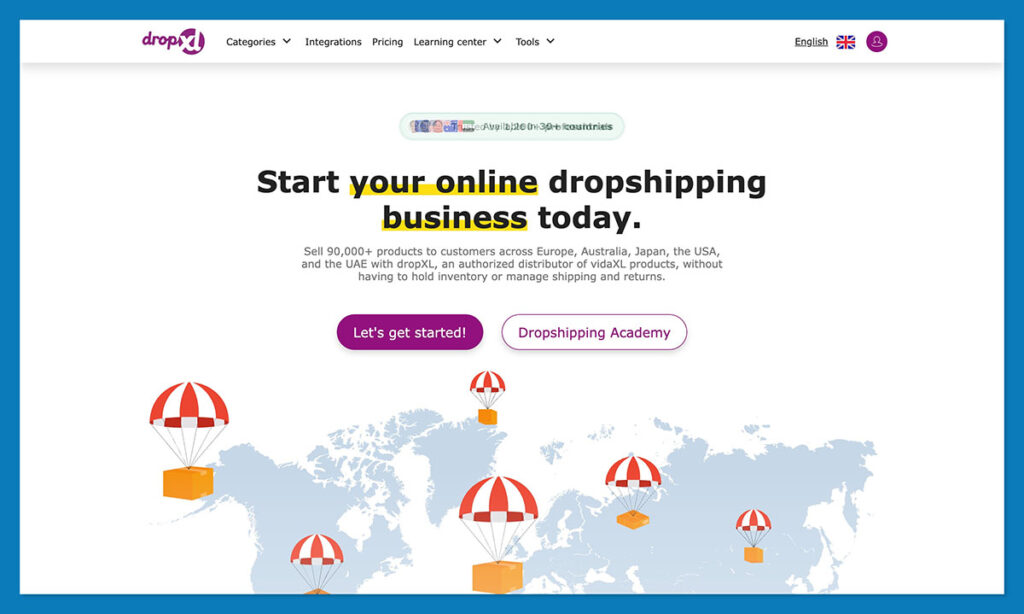
- dropXL functions as a high-fidelity, specialized supplier. By leveraging the massive vidaXL catalog, it offers over 130,000 SKUs primarily focused on the home, garden, and furniture sectors. Its value proposition is built on operational reliability: global warehousing, standardized returns, and a focus on high-ticket, durable goods.
- Zendrop operates as an end-to-end business incubator. With over a million products, it is designed for the "test and scale" model. It integrates AI-driven store building, print-on-demand (POD), and advanced sourcing, aiming to shorten the distance between a "business idea" and a "live store."
Choosing between them is not a matter of which platform is objectively "better," but which aligns with your specific business architecture.
Chronology and Market Evolution
To understand why these platforms are now the industry standard, one must look at the progression of the dropshipping model:
- The "Wild West" Era (2010–2016): Characterized by long shipping times, lack of quality control, and minimal support. The primary goal was to find a cheap item and add a 300% margin.
- The Professionalization Phase (2017–2021): The rise of platforms like Shopify made storefront creation easy, but logistics remained the weak link. Sellers began demanding better integration and faster delivery.
- The Value-Added Era (2022–Present): The current market. Consumers demand branded experiences, reliable shipping, and easy returns. Platforms like dropXL and Zendrop emerged to fill this void, moving away from simple product listing toward providing full-service fulfillment and infrastructure.
Supporting Data: Comparative Analysis
A deep dive into the technical capabilities of both platforms reveals where their strengths lie.
Product Range and Niche Focus
- dropXL: With 90,000+ vidaXL products, the focus is narrow but deep. If you are selling office chairs, garden benches, or specialized pet furniture, dropXL offers a consistent quality standard that is difficult to replicate with a fragmented supplier base.
- Zendrop: The platform’s strength is breadth. Covering categories from beauty and tech to apparel and POD, it provides the versatility required for "trending" products. If your business model relies on rotating products based on TikTok trends, Zendrop’s catalog is designed for that agility.
Fulfillment and Logistics
One of the biggest hurdles in dropshipping is the return process.
- dropXL provides a distinct advantage here. Because they manage the logistics through their proprietary network of warehouses in the USA, Europe, Australia, Japan, and the UAE, they can handle returns directly. This is a game-changer for high-ticket furniture items where shipping costs can otherwise erode all profit.
- Zendrop excels in speed and domestic warehousing. Their 3PL (Third-Party Logistics) options in the US allow for same-day or next-day fulfillment, which is vital for competing with giants like Amazon.
| Feature | dropXL | Zendrop |
|---|---|---|
| Primary Focus | Home & Garden | General/Trend-based |
| Return Support | Full, Supplier-managed | Limited (Seller-managed) |
| AI Integration | Minimal | Extensive (Store/Ads) |
| Catalog Size | 90k+ (vidaXL) | 1M+ |
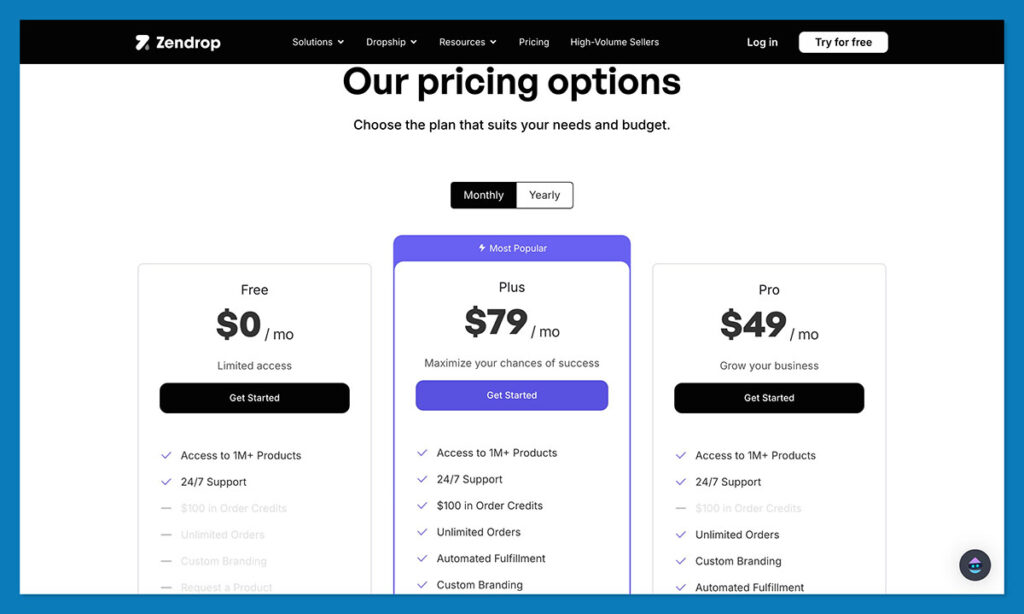
| Pricing Model | Fixed subscription | Tiered (Free to $79/mo) |
Official Perspectives: The "Value" Philosophy
Industry experts and platform representatives emphasize that the "cost of goods" is no longer the most important metric.
"The most successful merchants are those who treat their dropshipping supplier as a silent partner in the brand experience," notes one industry analyst. "When a customer receives a heavy sideboard, they don’t care that it was drop-shipped. They care that it arrived in one piece and that they can return it if it doesn’t fit their room."
This philosophy underpins dropXL’s strategy. By focusing on home goods, they acknowledge that customers expect a higher level of service for larger items. Conversely, Zendrop’s leadership has leaned heavily into the "education-first" approach. By offering coaching, an academy, and AI-driven ad tools, they are effectively betting on the success of their users. They provide the "picks and shovels" for the gold rush, allowing the seller to focus on marketing and brand identity.
Implications for the Modern Entrepreneur
What does this mean for someone looking to start a store today?
1. If You Value Stability and Niche Authority
If your goal is to build a long-term, sustainable brand in the home, garden, or DIY space, dropXL is the superior choice. The predictable pricing (no commissions, fixed monthly fee) allows for cleaner profit margin calculations. The biggest implication here is that you must be a competent marketer; since the platform doesn’t provide AI ad tools, the burden of brand building falls squarely on your shoulders.
2. If You Are in the "Testing" Phase
If you are an entrepreneur who wants to test five different niches before committing, Zendrop is the logical home. The ability to start for free, use AI to generate ads and store content, and pivot between industries without needing to change suppliers is a massive efficiency gain. However, the implication is that you must be prepared to handle more operational complexity—such as managing your own returns and ensuring customer support meets the expectations of your specific niche.
3. The Shift Toward Automation
Both platforms highlight the increasing role of automation. Whether it’s Zendrop’s order syncing and AI-built stores or dropXL’s API-driven product and stock feeds, the manual days of CSV file uploading are over. Success in 2024 and beyond requires integrating these platforms directly into your Shopify or Wix backend to ensure that inventory levels are always accurate. Failure to sync data in real-time is the fastest way to lose a customer’s trust.
Final Verdict: Choosing Your Path
The decision between these two platforms comes down to the maturity of your business plan.
Choose dropXL if:
- You are building a specialized store in the home/garden/outdoor space.
- You want to avoid the "hidden" costs of commissions.
- You prioritize return support and logistics reliability for large/bulky items.
- You prefer a focused, high-quality catalog over a massive, unvetted one.
Choose Zendrop if:
- You are a beginner or an experimental entrepreneur testing new products.
- You need built-in tools like AI ad generation and store builders.
- You want access to a wide variety of niches, including Print-on-Demand.
- You want the option to scale from a free plan to a full-featured "Plus" tier with coaching and advanced fulfillment.
Ultimately, the dropshipping market is no longer about finding the cheapest source; it is about finding the most reliable partner. Whether you choose the surgical precision of dropXL or the expansive, high-tech toolkit of Zendrop, your success will hinge on how effectively you leverage these platforms to deliver a superior customer experience. The $1.2 trillion market is waiting—but only for those who treat their store like a real business.
 Dwi Wanna
  Lina Irawan
  Basiran