
 By Azzam Bilal Chamdy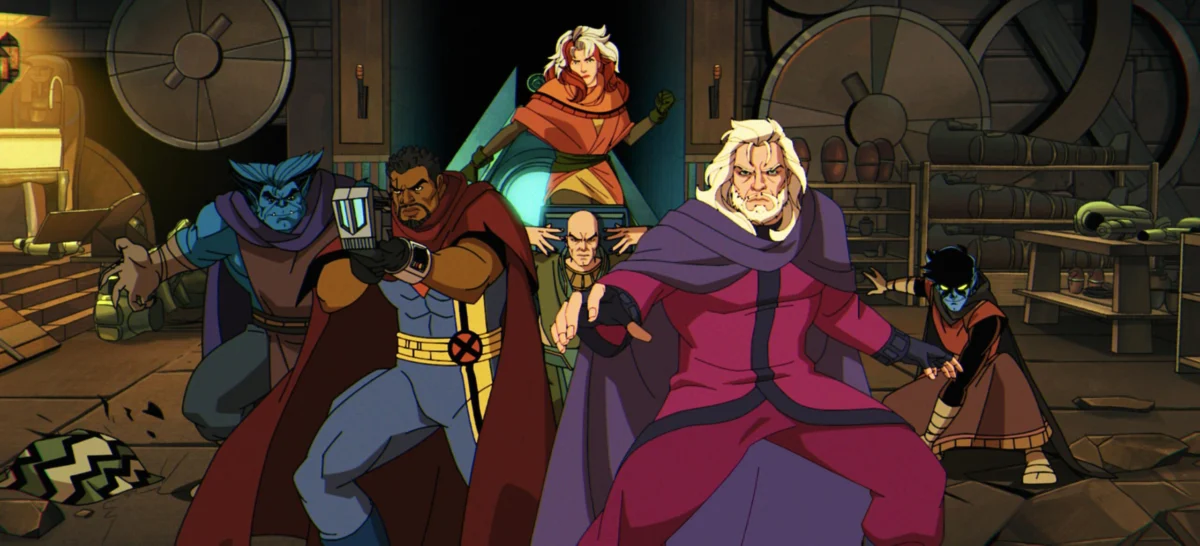
In the landscape of 2026 entertainment, two titans of 1980s and 90s animation have returned to the spotlight, aiming to bridge the gap between childhood nostalgia and modern cinematic spectacle. Marvel Studios’ X-Men ’97 and Mattel’s live-action Masters of the Universe have both launched ambitious projects designed to monetize the affection of multi-generational fanbases. Yet, as the dust settles on their respective releases, the disparity in their success—and the underlying reasons for it—has become a masterclass in intellectual property (IP) management.
While X-Men ’97 continues to dominate the cultural conversation with its high-stakes, multiversal storytelling, Masters of the Universe is struggling to justify its existence at the box office. The divide between these two properties illustrates a fundamental truth in modern media: nostalgia alone is insufficient to sustain a franchise. Success requires constant, thoughtful cultivation of an IP’s relevance in the public consciousness.
The Chronology of Two Franchises
The journey of these two properties toward their 2026 releases could not be more distinct.
The X-Men: A Legacy of Constant Presence
The X-Men have never truly left the cultural zeitgeist. Following the conclusion of the original X-Men: The Animated Series in 1997, the property was immediately bolstered by 20th Century Studios’ live-action film franchise. While the quality of those films fluctuated wildly—with highs like X2 and Logan punctuated by lows like X-Men: Apocalypse—the brand remained a staple of cinema. Simultaneously, Marvel Comics kept the mutants at the forefront of their publishing line, ensuring that even during cinematic dry spells, the characters were evolving. When Disney acquired 20th Century, the integration of mutants into the MCU became a long-term, calculated objective. By the time X-Men ’97 arrived in 2024, the audience was primed for a reunion.
Masters of the Universe: The Fading Echo
Conversely, the path for Masters of the Universe has been one of sporadic, fragmented returns. After the original cartoon ended its run in 1985, He-Man faded into the background. While there have been various attempts to reboot the franchise—including animated series and toy-line revivals—none managed to achieve the consistent, sustained cultural footprint of the X-Men. The property became a niche interest, largely relegated to collectors and specific nostalgia-driven subsets of Gen X and Millennials, rather than a broad, living ecosystem.
Narrative Ambition vs. Brand Recognition
The Complexity of X-Men ’97 Season Two
The second season of X-Men ’97 demonstrates why Marvel continues to lead the genre. The narrative structure is intentionally complex, splitting the team across different temporal planes. One faction is cast back into the harsh landscape of ancient Egypt, while another is launched into a dystopian future. Their unifying objective—preventing the immortal mutant despot Apocalypse (voiced by Ross Marquand) from rewriting history—creates a sense of urgency that transcends the "nostalgia trap."
Rather than relying on simple fan service, the showrunners have woven together elements from iconic comic runs, such as 1994’s The Adventures of Cyclops and Phoenix and the 1996 Rise of Apocalypse series. By integrating these disparate comic beats, the show feels like a living, breathing adaptation rather than a museum piece. Most impressively, the creative team has been willing to rework established canon, such as the exploration of Morph’s identity, which has been lauded for both its narrative depth and its commitment to modern storytelling values.
The Stumble of Masters of the Universe
In contrast, Masters of the Universe has struggled to find a creative identity that resonates with a modern audience. After the massive, unexpected success of 2023’s Barbie, Mattel appears to have fallen into the trap of believing that the toy-to-movie pipeline is a guaranteed formula for success.
The new Masters of the Universe film attempts to engage with themes of toxic masculinity, perhaps in an attempt to replicate the subversive, culturally relevant tone of Barbie. However, the execution falls flat. Where Barbie was a deconstruction of a ubiquitous icon, Masters of the Universe feels like an attempt to dress a dated premise in "prestige" clothing. Because the general public does not share the same deep-seated emotional connection to He-Man that they do to Barbie or the X-Men, the attempt at a thematic "reboot" feels disconnected and hollow.

Supporting Data: A Financial Disparity
The financial metrics highlight the stark divide between these two strategies.
- Masters of the Universe: Released just last week, the film has grossed a disappointing $54.4 million against a staggering $200 million production budget. This represents a significant financial loss for the studio, suggesting that the "nostalgia play" failed to attract a demographic beyond the core fanbase.
- X-Men ’97: Following a record-breaking premiere in 2024, the series has consistently ranked among the top-viewed shows on Disney Plus. Its success is not just a result of legacy; it is a result of positive critical reception, high audience engagement, and the fact that it serves as a crucial bridge to the upcoming MCU X-Men feature film.
The difference in production budgets and box office returns underscores the risk of "IP mining." When a studio invests $200 million into a property that has not been actively nurtured for decades, they are essentially gambling on the hope that brand recognition will overcome a lack of current emotional investment.
Implications for the Future of Hollywood
The failure of Masters of the Universe and the triumph of X-Men ’97 offer several key lessons for the industry.
1. The Necessity of Brand Maintenance
Marvel’s success proves that IP must be treated as a garden, not a gold mine. The X-Men remained relevant because there was always a story being told, whether in a comic, a video game, or a televised series. Mattel, by contrast, allowed their core IP to drift. To revive a dormant franchise, a studio cannot simply bank on the logo; they must invest in years of narrative groundwork to re-introduce the characters to a new generation.
2. The Trap of "The Barbie Effect"
Hollywood is currently obsessed with finding the "next Barbie." However, the success of that film was rooted in its unique, singular vision and its relevance to contemporary conversations about gender and identity. Applying that same template to every toy in the catalog is a recipe for creative and financial disaster. Studios must recognize that not all IPs are created equal, and some do not possess the inherent thematic malleability required for a modern reinvention.
3. The Future of the MCU
For Marvel, the success of X-Men ’97 is more than just a win for a single show; it is a vital component of the studio’s broader strategy. As the MCU moves toward Avengers: Doomsday and the eventual introduction of the mutants into the main film timeline, the success of the animated series proves that the audience is not just ready for the X-Men—they are hungry for them.
Conclusion
The divergence between X-Men ’97 and Masters of the Universe serves as a stark reminder that nostalgia is a fragile fuel for entertainment. Audiences are increasingly discerning; they are willing to return to the heroes of their childhood, but only if those heroes are treated with the respect of modern, evolving storytelling.
Marvel understood that to bring the X-Men back, they had to move them forward. Mattel, in its rush to replicate past successes, forgot that a story—no matter how iconic—must be relevant to the world it occupies today. As of July 1st, X-Men ’97 season two arrives on Disney Plus, likely cementing its place as the gold standard for how to handle legacy IP, while Masters of the Universe remains in theaters as a cautionary tale of what happens when a studio forgets to cultivate the magic before trying to sell it.
 Raul Delapena Setiawan
  Siti Muinah
  Asro
Asro 