
 By Muslim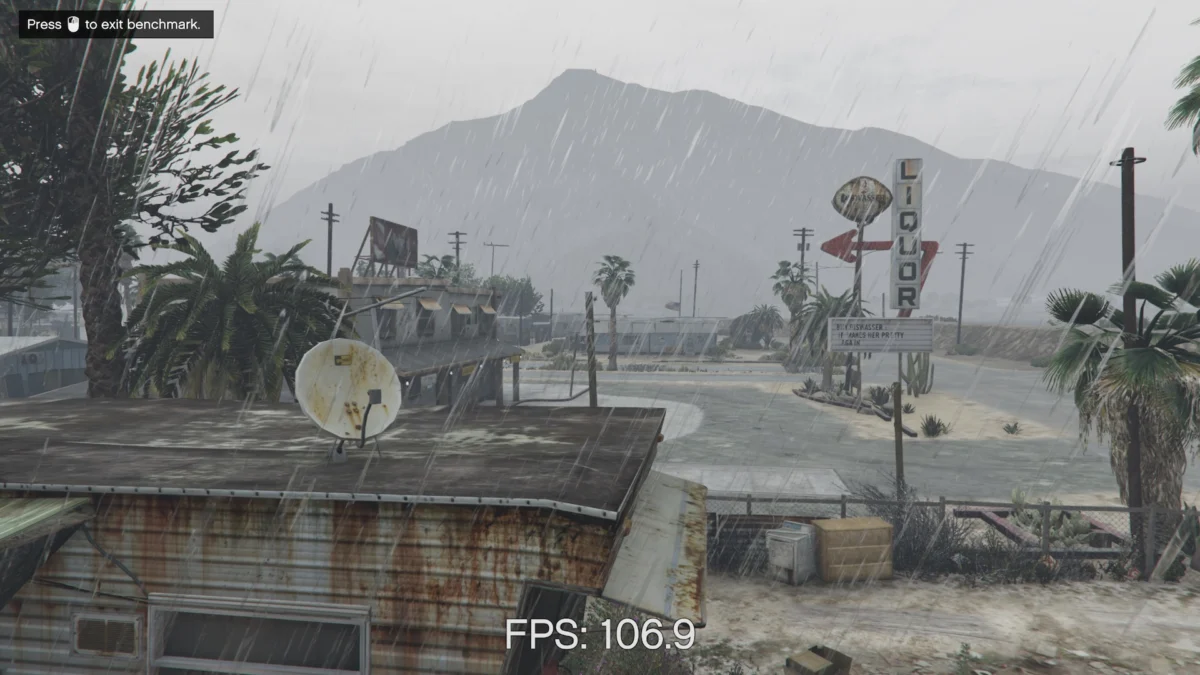
For years, the narrative surrounding Mac gaming has been defined by a persistent, frustrating ceiling: while Apple Silicon hardware possessed the raw power to rival mid-to-high-end gaming PCs, the software ecosystem remained a bottleneck. Windows games, built on a foundation of DirectX and x86 architecture, simply did not play well with macOS.
That changed in 2023 with the introduction of Apple’s Game Porting Toolkit (GPTK). Originally positioned as a niche developer utility, it has quietly evolved into a bridge across the platform divide. Now, with the release of the GPTK 4 beta at WWDC 2026, Apple has signaled a shift in strategy. The latest iteration of this translation layer doesn’t just offer incremental patches; it delivers a performance leap so substantial that it fundamentally alters the viability of the Mac as a gaming machine.
The Main Facts: A Leap in Performance
The core promise of Game Porting Toolkit is the translation of DirectX 11 and 12 graphics commands into Apple’s Metal API in real-time, alongside the emulation of x86 instructions for ARM-based silicon. While previous versions were functional, they often introduced significant overhead, resulting in stuttering, input lag, and reduced frame rates.

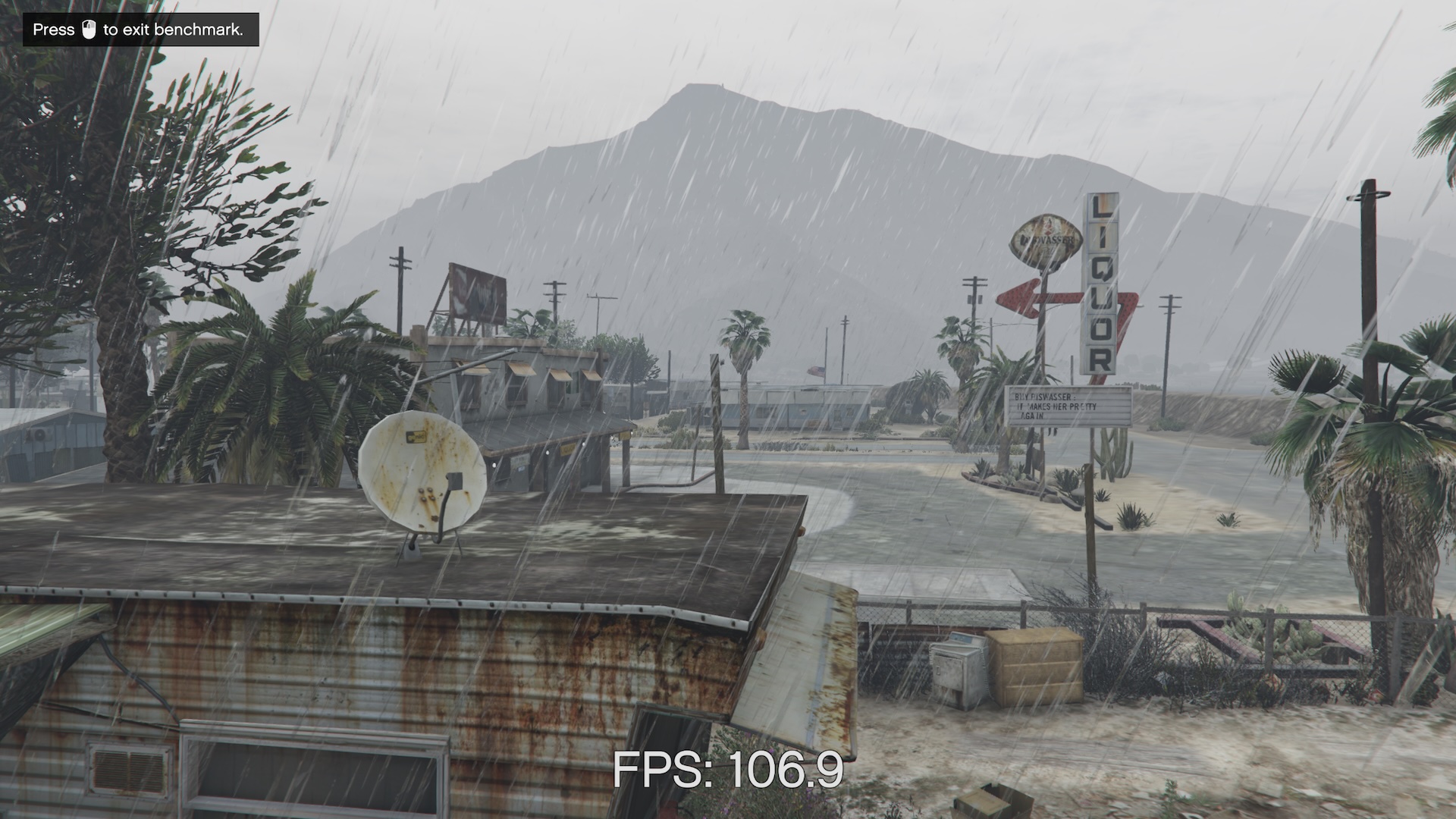
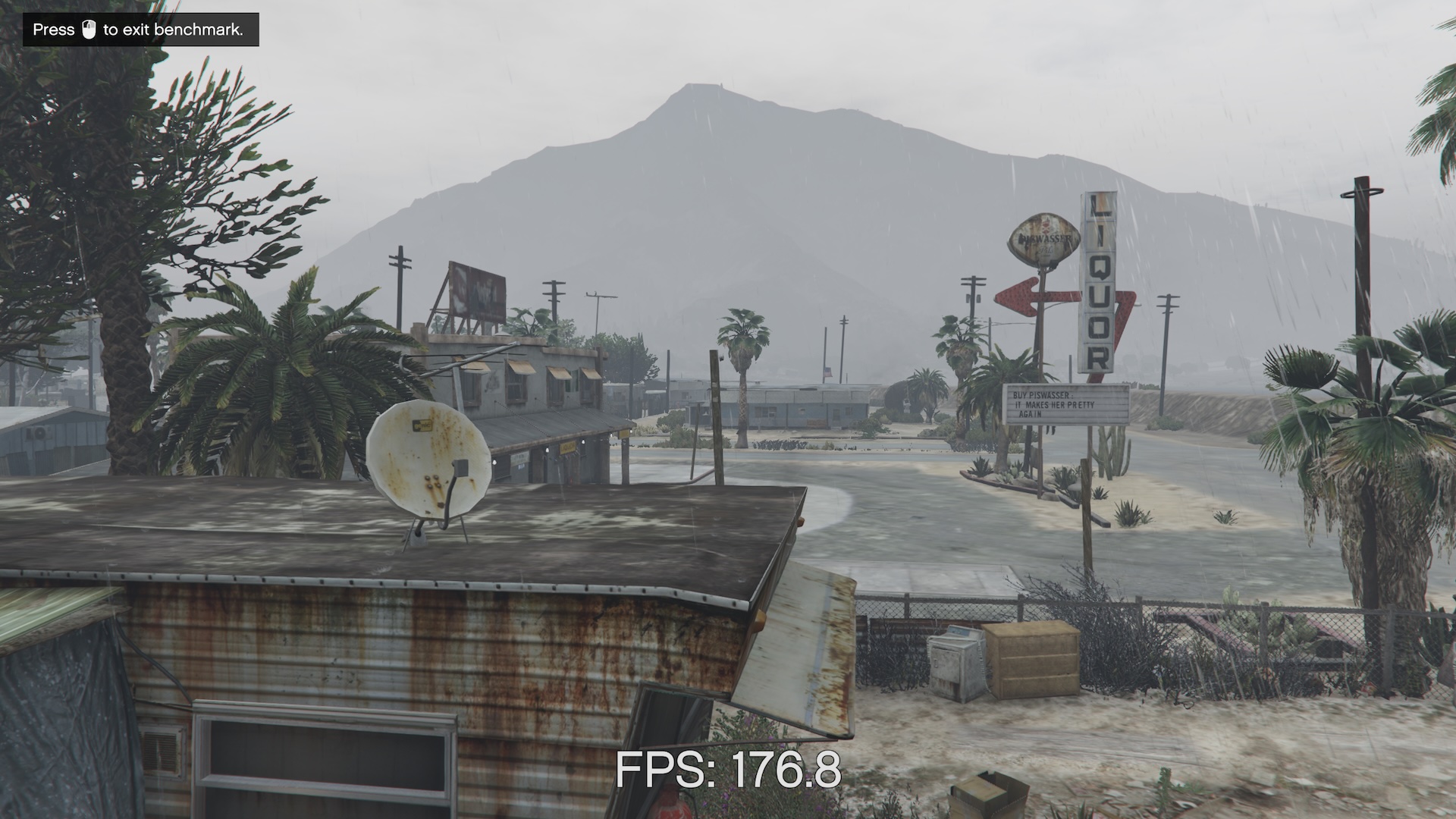
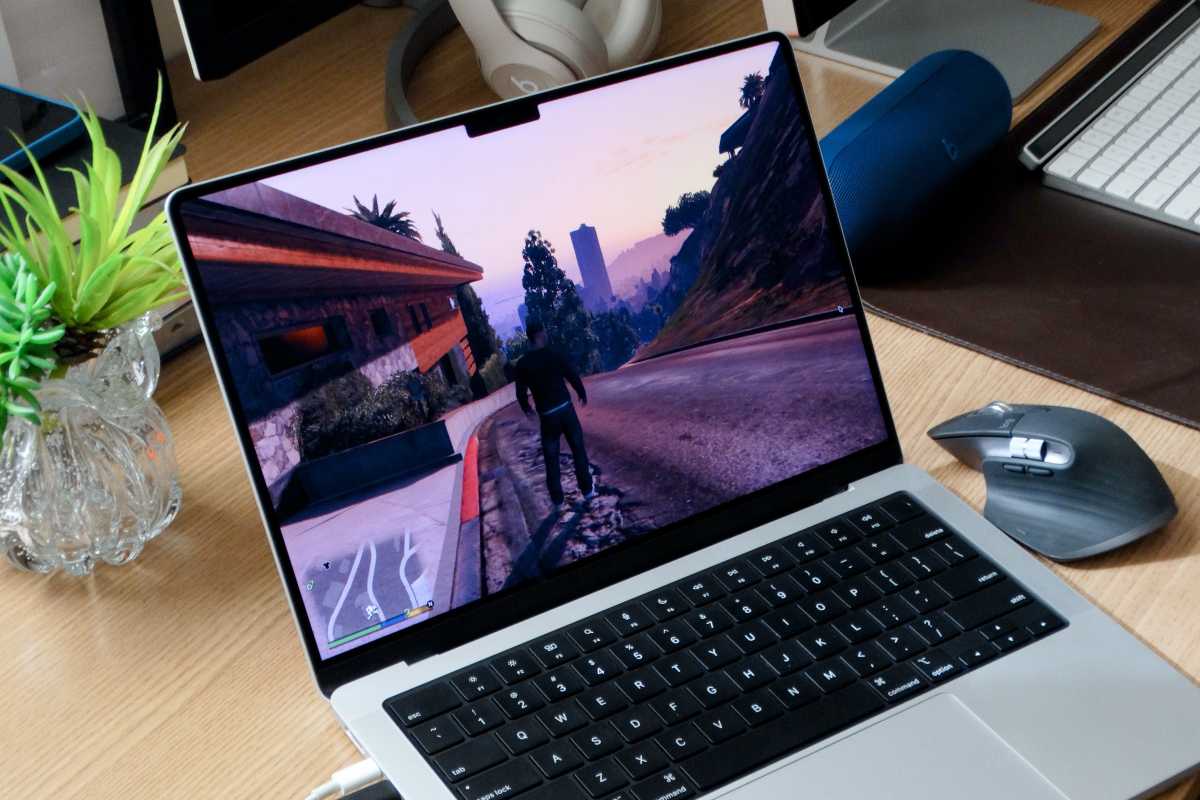
Testing conducted on an M4 Pro MacBook Pro equipped with 24GB of RAM reveals that GPTK 4 has shattered these performance constraints. In benchmark tests for Grand Theft Auto V, the game saw a massive 66% increase in frame rates, climbing from 106 fps on GPTK 3 to 176 fps on the new beta. Similarly, graphically demanding titles like Red Dead Redemption 2 saw a healthy boost, moving from a standard 60 fps to a much smoother 75 fps. These improvements were achieved without any changes to the underlying hardware or game code, underscoring that the bottleneck has historically been software translation, not silicon capabilities.
A Chronology of the Mac Gaming Evolution
To understand the significance of GPTK 4, one must look at the trajectory of Apple’s recent gaming initiatives:
- 2020: The Silicon Transition: Apple moves away from Intel chips to its proprietary M-series ARM architecture. While power efficiency soared, native game support remained stagnant.
- 2023: The Birth of GPTK: Apple introduces the first Game Porting Toolkit at WWDC. It immediately gains traction not just among developers, but among a community of "enthusiast testers" who use it to bypass the lack of native Mac ports for popular titles.
- 2024–2025: Incremental Growth: Updates focus on stability and expanding support for specific DirectX features. The toolkit remains a "pro-only" experience, requiring terminal-based installation and configuration.
- 2026: The GPTK 4 Paradigm Shift: Apple unveils the fourth iteration, focusing on aggressive optimization of the translation overhead. This release marks the point where the performance gap between "translated" and "native" begins to narrow significantly.
Supporting Data: Efficiency and Overhead
The brilliance of GPTK 4 lies in its refined handling of translation overhead. When a game runs through GPTK, the M-series chip must simultaneously perform two heavy tasks: interpreting the x86 instruction set and mapping Windows-specific API calls to macOS equivalents.
In previous versions, a significant portion of the M4 Pro’s thermal and processing headroom was dedicated to these translation tasks. With GPTK 4, Apple has evidently optimized the translation pipeline, allowing more of the GPU’s power to be directed toward rendering, lighting, and physics.
The data is telling: by reducing the "tax" paid to the translation layer, Apple is effectively unlocking hidden power in existing hardware. For the average user, this means that games which previously hovered at the edge of playability (30-45 fps) are now crossing the threshold into smooth, high-fidelity territory (60+ fps).
Official Responses and Developer Perspectives
While Apple remains characteristically quiet regarding the "consumer-facing" future of the toolkit—officially maintaining that it is for developers to evaluate ports—the internal culture at Cupertino has clearly shifted. During the WWDC 2026 sessions, engineers emphasized that the "friction to porting" is a priority for the macOS roadmap.
Industry sentiment, however, is cautious but increasingly optimistic. Developers have long cited the "addressable market" of Mac gamers as the primary reason for skipping the platform. However, if GPTK 4 makes it trivial for a studio to see their Windows title running flawlessly on a Mac, the barrier to entry drops significantly. The toolkit is no longer just a testing bed; it is becoming a potential deployment pathway that requires only minimal polish to reach a native-like state.
The Implications: A New Era for Mac Gaming
The implications of this breakthrough are twofold: they affect both the consumer experience and the broader gaming industry.
For the Consumer
For the Mac user, the most immediate implication is the expansion of their library. Enthusiasts who previously dual-booted or kept a secondary gaming PC are finding that their daily-driver MacBook Pro is suddenly capable of handling a significant portion of their backlog. While it will not replace a high-end dedicated gaming rig, it changes the Mac from a "work-only" device to a "work-and-play" machine.
For the Industry
The industry implication is even more profound. For years, the lack of a "gaming ecosystem" on macOS created a cycle: games weren’t ported because there were few gamers, and there were few gamers because there were no games. By providing a high-performance translation layer, Apple is attempting to break this cycle. If the performance gap is negligible, the economic argument for porting becomes much stronger. Developers can leverage their existing Windows assets and, with the help of GPTK, ensure their titles run natively on Mac with minimal additional investment.
Addressing the Remaining Hurdles
Despite the success of GPTK 4, challenges remain. The Windows gaming landscape is vast, and there are still edge cases—such as kernel-level anti-cheat software and complex DRM systems—that are notoriously difficult to translate. Furthermore, the "official" status of GPTK as a developer tool means that users must still navigate complex installation processes, which serves as a barrier for non-technical users.
Whether Apple decides to wrap this technology in a user-friendly "Game Mode" or an official consumer application remains to be seen. However, the trajectory is clear: the hardware is no longer the obstacle. The focus has shifted entirely to software efficiency.
Conclusion: The Silicon Ceiling Has Lifted
The Mac has long been the "pro" computer that couldn’t play. But after the release of the Game Porting Toolkit 4, that identity is fraying. We are witnessing the maturation of a strategy that prioritizes software flexibility over restrictive walled-garden policies.
If the performance gains observed in 2026 continue, we may be approaching a tipping point. As translation technology matures, the distinction between a "native" Mac game and a "translated" Windows game will eventually become a matter of minor optimization rather than a fundamental divide. For Apple, the goal is clear: to ensure that when a developer builds a world-class game for the PC, the Mac is no longer an afterthought, but a first-class citizen in the gaming universe.
The software has finally caught up to the silicon, and for the millions of Mac owners worldwide, the game has truly just begun.
 rifanmuazin
  Layla Zulfa
  Evan Lee Salim