
 By Nana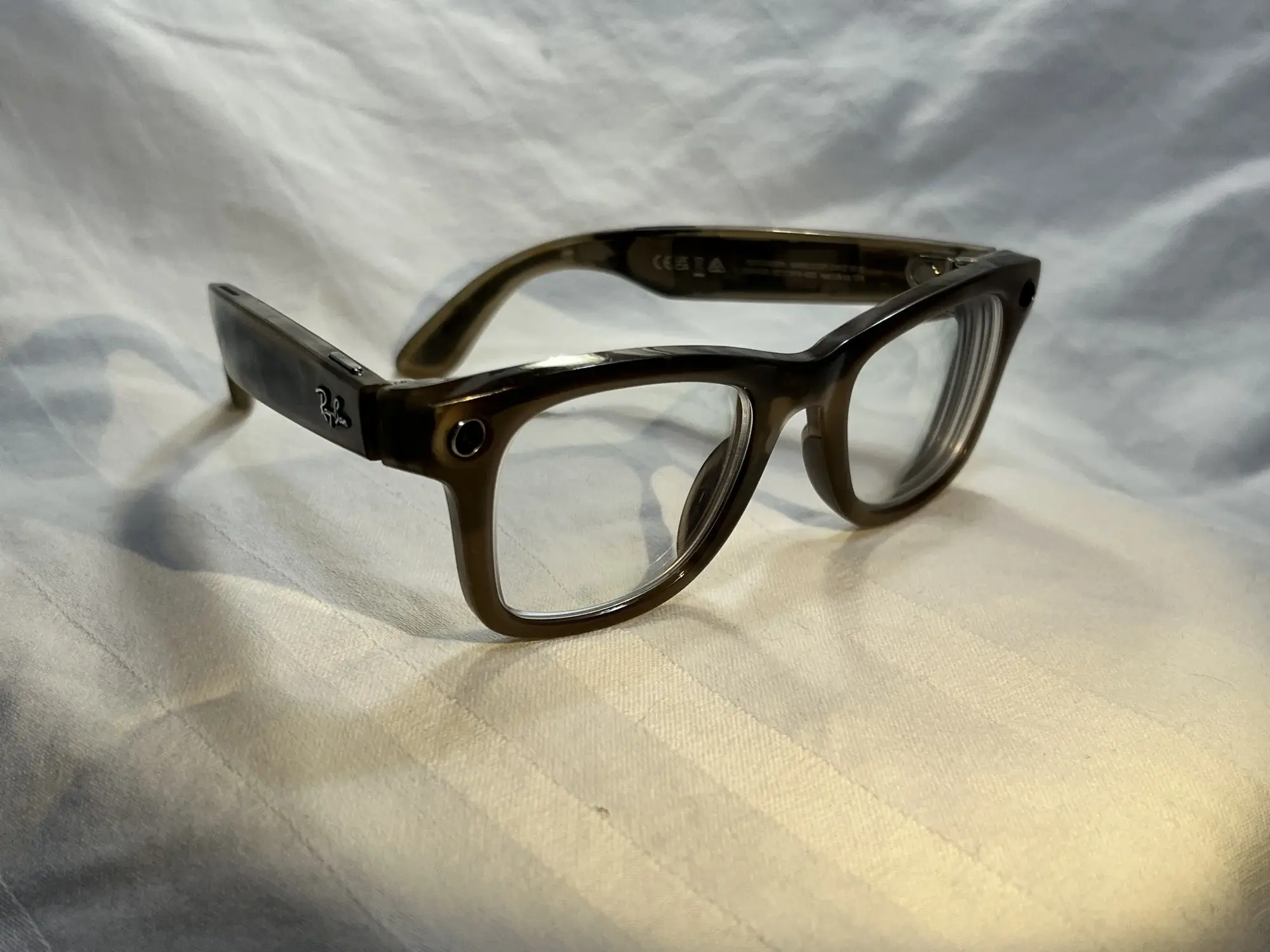
By the Tech Desk
Published: 2026
Main Facts: The Maturity of Wearables
For years, the smart glasses market was defined by heavy, awkward prototypes that appealed almost exclusively to early-adopting tech enthusiasts. Devices were frequently plagued by miserable battery life, intrusive aesthetics, and functionality that felt more like a tech demo than a daily utility.
That narrative has decisively shifted. The landscape of wearable technology has evolved from clumsy novelties into a mature, multi-billion-dollar ecosystem. Today’s smart glasses are stylish, comfortable enough for all-day wear, and genuinely useful. Industry giants and agile startups alike are fiercely competing for shelf space—and consumer wallets—resulting in an explosion of diverse form factors.

Current market data reveals that Meta’s Ray-Ban and Oakley collections currently command an impressive 80% market share in the United States. However, the dominance of a single ecosystem has not stifled innovation. Consumers can now choose from a wide array of specialized devices, including spatial computing display glasses, privacy-first camera frames, lightweight heads-up displays (HUDs), and budget-friendly virtual monitor alternatives.
Chronology: From Novelty to Mainstream Utility
The path to the 2026 smart glasses boom was paved by iterative failures and hard-won hardware breakthroughs over the past decade:
- Pre-2023 (The Novelty Era): Early attempts at face-worn computing—exemplified by early experimental iterations—focused heavily on augmented reality overlays that suffered from severe thermal issues, poor battery longevity, and severe social stigma surrounding hidden cameras.
- 2023–2025 (The Audio and Camera Breakthrough): Meta and partner brands disrupted the stagnant market by proving that consumers wanted lightweight, audio-first and camera-enabled frames rather than fully loaded holographic visors. Artificial intelligence integration transformed these frames from passive recording devices into active, hands-free personal assistants.
- 2026 (The Year of Specialization): The current market has fragmented into specialized categories. Devices are no longer trying to do everything poorly; instead, distinct product classes have emerged for media consumption, enterprise productivity, privacy-conscious consumers, and budget-conscious buyers.
- Late 2026–2027 (The Horizon of Spatial Convergence): Upcoming hardware releases point toward a future where traditional sunglasses form factors seamlessly merge with mixed-reality visual fidelity and adaptive optics.
Supporting Data: The 2026 Lineup Breakdown
Navigating the current market requires understanding how specific devices align with everyday use cases. Here is how the top-tier hardware breaks down by category:

1. Best Overall & Market Leader: Ray-Ban Meta & Oakley Shades
Meta’s dominance is built on a foundation of comfort and restraint. By partnering with established eyewear giants, Meta ensured that its smart glasses look indistinguishable from designer sunglasses.
- Core Hardware: Equipped with an exceptional 12MP camera, reliable open-ear audio drivers, and all-day comfort.
- Software Integration: Features always-ready hands-free capture, real-time language translation, and responsive on-device AI integration.
- Trade-offs: While highly functional, users must weigh these benefits against Meta’s ongoing scrutiny regarding data privacy practices.
2. Best Display Style & Portable Theater: XReal One Pro
For users seeking a digital workspace on the go, the XReal One Pro functions like a multi-monitor PC setup tucked inside a pocket.
- Core Hardware: Tethered via USB-C to laptops, smartphones, or gaming consoles, projecting a screen equivalent to a 171-inch virtual display.
- Software Integration: Powered by an onboard X1 spatial computing chip that enables smooth head-tracking, ultra-wide wrapping video, and spatial screen pinning. Users can add a control puck and external camera for advanced configuration.
3. Best Privacy-Focused Camera Glasses: HTC Vive Eagle
For consumers who admire the functionality of Meta’s camera frames but harbor reservations regarding data collection, HTC’s debut into the smart glasses space offers a compelling alternative.

- Privacy Protocols: Data is processed locally whenever possible and anonymized before reaching the cloud. If the physical recording LED is obstructed or damaged, the camera is hard-locked from recording.
- Crowd Safety: Features an ambient audio trigger allowing bystanders to verbally command the device to stop filming via the phrase, "stop filming me."
- AI Flexibility: Allows users to choose between Google Gemini and OpenAI models rather than forcing a proprietary ecosystem assistant.
4. Best HUD Smart Glasses: Even Realities G2
For professionals and tech enthusiasts who want discreet, heads-up data delivery without a bulky screen, the Even Realities G2 represents the pinnacle of enterprise eyewear.
- Core Hardware: Features a crisp, monochrome optical display housed within a professional, traditional frame silhouette with robust battery performance exceeding one hour of active projection.
- Software Integration: Includes a built-in teleprompter, live multi-language transcription, and automated AI meeting summaries.
5. Best Budget Display Glasses: XBX a01+
Priced aggressively at $299, these glasses democratize personal display technology.
- Core Hardware: Delivers a 147-inch virtual monitor experience with optical clarity rivaling competitors twice its price.
- Limitations: Devoid of advanced augmented reality processing, integrated cameras, or native AI assistants, the XBX a01+ focuses purely on delivering a lightweight, comfortable media consumption screen for long flights and mobile workflows.
Official Responses and Industry Perspectives
Major technology conglomerates have responded to the rapid maturation of the market by accelerating their hardware roadmaps. Representatives from ecosystem developers emphasize that the primary engineering hurdle has shifted from miniaturizing computing components to managing thermal output and power efficiency within the strict physical constraints of standard eyeglass frames.

Furthermore, privacy advocacy groups have engaged directly with manufacturers regarding the proliferation of face-worn recording devices. Industry responses—such as HTC’s physical LED interlock and bystander stop-commands—highlight an evolving corporate sensitivity toward public comfort and regulatory compliance, particularly across international markets with stringent biometric and recording laws.
Implications: What to Watch in 2027
The trajectory of smart glasses suggests profound implications for consumer electronics, productivity software, and personal privacy. As the market prepares for the next wave of hardware, several upcoming projects are poised to redefine the category:
- XReal’s Project Aura (Target: Fall 2026, Sub-$1,500): Promising to blur the lines between virtual reality headsets and everyday sunglasses, Project Aura utilizes a tethered computing puck to deliver full mixed-reality immersion within a lightweight frame.
- Apple "N50" Smart Glasses (Expected: 2027): Industry reports indicate Apple has shifted internal development away from heavy standalone headsets to fast-track lightweight smart glasses. Expected to emphasize audio- and camera-based contextual awareness, these glasses will likely position themselves as a direct, ecosystem-locked competitor to Meta.
- Samsung Galaxy Glasses (Expected: Late 2026): Developed as a direct hardware collaboration between Samsung and Google, this platform relies on Android XR software and Gemini AI, aiming to challenge Meta’s dominance in the mainstream camera-glasses segment.
- IXI Autofocus Smart Glasses (Expected: 2027): Demonstrating breakthrough potential at CES 2026, Finnish startup IXI showcased infrared eye-tracking technology that instantly adjusts liquid crystal lenses in real-time, correcting farsightedness dynamically without progressive lenses.
As these technologies transition from concept to commercial reality, smart glasses are no longer an experimental niche—they are rapidly becoming the primary interface between humanity and digital information.
 Siti Muinah
  Neng Nana
  Asep Darmawan