
 By Raul Delapena Setiawan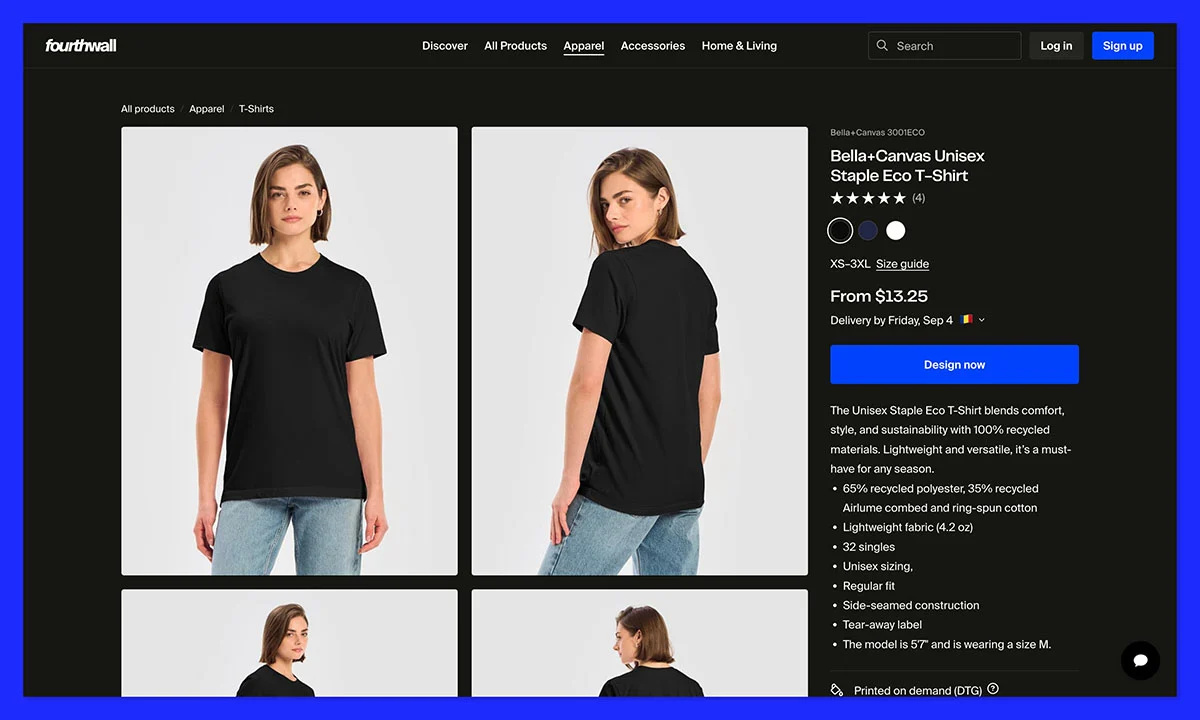
In the contemporary e-commerce landscape, sustainability is no longer a niche preference—it is a market imperative. As consumers become increasingly discerning about the environmental footprint of their purchases, the print-on-demand (POD) industry finds itself at a crossroads. While the convenience of on-demand fulfillment is undeniable, the "fast fashion" stigma that often accompanies it requires a strategic shift. According to PwC’s 2024 Voice of the Consumer survey, shoppers are demonstrating a clear willingness to pay a premium—often near ten percent more—for goods that align with their ethical and environmental values.
However, the path to building a truly sustainable catalog is fraught with "greenwashing." Many suppliers in the POD space tout sustainability without providing the granular documentation required to back those claims. For entrepreneurs looking to align their brand with eco-conscious practices, this guide provides a roadmap for vetting products, understanding certifications, and selecting inventory that fulfills your promises to the planet.
What Makes a Product Genuinely Eco-Friendly?
The term "sustainable" is frequently misused in marketing collateral. To avoid misleading your customers, you must move beyond marketing buzzwords and interrogate the supply chain.
Understanding Certifications
Transparency is the gold standard of sustainability. When selecting products, prioritize items backed by internationally recognized certifications:
- GOTS (Global Organic Textile Standard): This is the "gold standard" for organic fibers. It covers the entire supply chain, from the harvesting of raw materials to environmentally and socially responsible manufacturing.
- OEKO-TEX Standard 100: This certification ensures that every component of a product—from the fabric to the thread and buttons—has been tested for harmful substances.
- GRS (Global Recycled Standard): This tracks recycled content throughout the manufacturing process, ensuring that items labeled as "recycled" are verified.
- OCS (Organic Content Standard): Specifically monitors the presence and amount of organic material in a final product.
- FSC (Forest Stewardship Council): Essential for paper-based products, ensuring materials are sourced from responsibly managed forests.
The Durability Factor
Sustainability is intrinsically linked to longevity. A product that falls apart after three washes is inherently wasteful, regardless of whether it is made from organic cotton. When testing potential inventory, prioritize items that maintain print integrity and structural seams over time. If the ink fades or the fabric thins prematurely, the product fails the sustainability test.
The 20 Best Sustainable Products for Your Catalog
Building a catalog requires a balance between evergreen essentials and category-specific items. Below is a curated list of top-performing, sustainably sourced products across several categories.
1. Sustainable T-Shirts: The Bedrock of Any Catalog
T-shirts remain the most accessible entry point for POD sellers due to their universal appeal and lower production costs.
- Stanley/Stella Organic Cotton T-Shirt (Fourthwall): Crafted from 100% organic ring-spun cotton, this unisex staple is a high-end choice. With no minimum order quantity (MOQ), you can maintain high margins while offering a premium, soft-touch product.
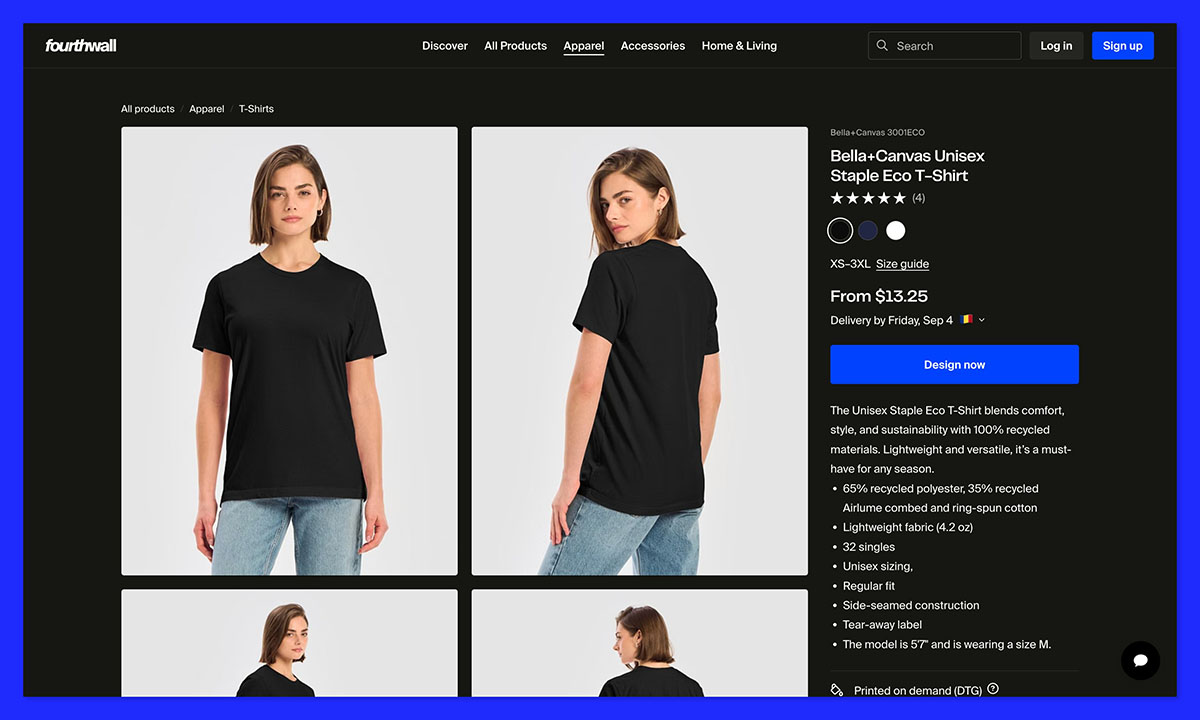
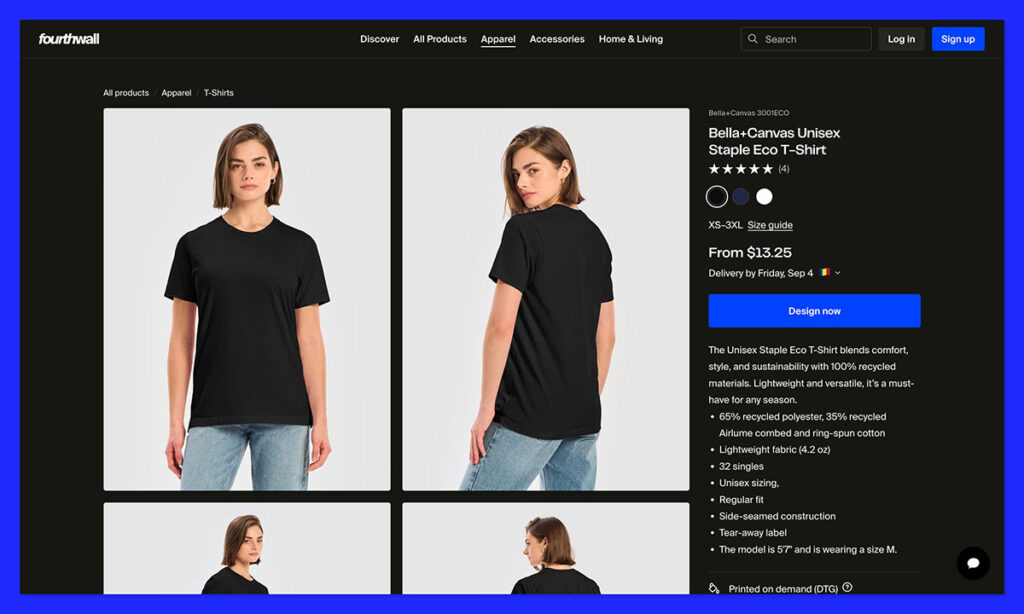
- Bella+Canvas Unisex Staple Eco Shirt (Fourthwall): A budget-friendly hybrid, this shirt utilizes a blend of 65% recycled polyester and 35% recycled Airlume cotton. It offers a great balance of durability and comfort.
- Organic Unisex Crewneck (Gelato): Leveraging a localized fulfillment model, Gelato reduces the carbon footprint associated with shipping. Most orders arrive within five days, making it an ideal choice for customer satisfaction.
- Circular Organic T-Shirt (Teemill): A leader in circularity, these shirts feature QR codes on the label that allow customers to return worn-out items for recycling, effectively closing the loop on garment waste.
2. Hoodies and Sweatshirts: Expanding Profit Margins
Once you establish trust with organic tees, hoodies offer a higher average order value.
- Stanley/Stella Essential Eco Hoodie (Fourthwall): A mix of 85% organic cotton and 15% recycled polyester. It is a canvas for premium decoration, particularly embroidery.
- SOL Eco Raglan Hoodie (Fourthwall): Versatile and stylish. Pro-tip: Always check the material composition per color, as recycled polyester ratios can vary by shade.
- Gelato Organic Hoodies: Offering both zip-up and pullover styles, these are produced using water-based inks, further reducing the chemical load on the environment.
- Organic Stanley/Stella Oversized Sweatshirt: Perfectly aligned with the "streetwear" aesthetic, this item features a brushed interior and GOTS certification.
- Recycled Polyester Sweatshirt (Gelato): Made from post-consumer PET bottles, this is a testament to the viability of recycled synthetic materials.
3. Totes, Hats, and Practical Accessories
Accessories eliminate the complexities of sizing, making them excellent for impulse purchases or gift bundles.
- Econscious Organic Cotton Tote (Fourthwall): A heavy-duty bag that can hold up to 30 pounds. This is not a "throwaway" promo item; it is a durable replacement for plastic grocery bags.
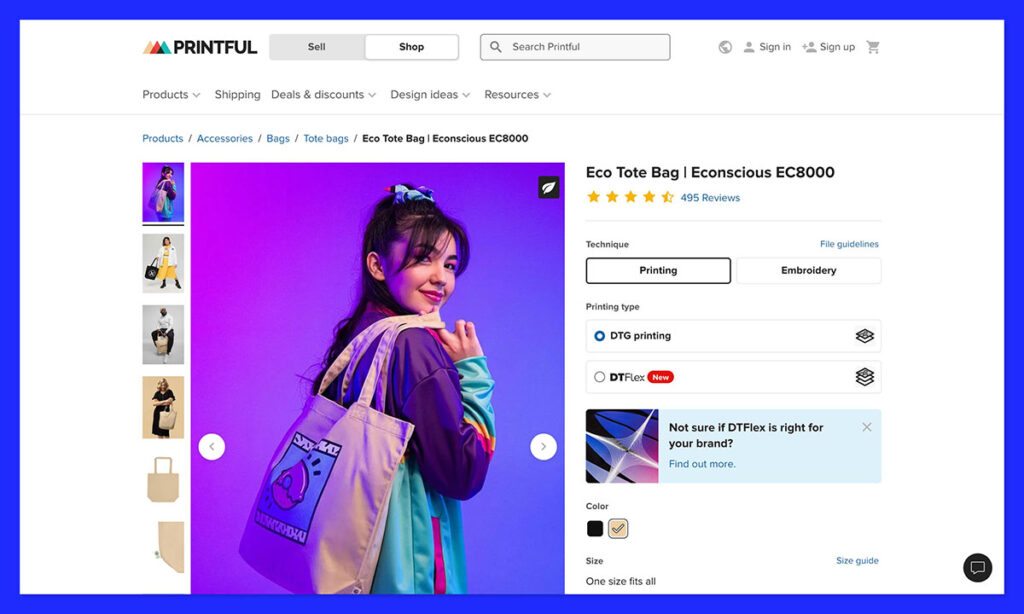
- Printful Eco Tote Bag: Offers similar high-quality cotton twill to the Econscious line, with GOTS and OCS certifications.
- Econscious Organic Dad Hat (Fourthwall): A classic silhouette in organic cotton. Low-cost to produce, allowing for strong retail markups.
- Atlantis B50 Organic Ribbed Beanie (Fourthwall): An essential for seasonal drops, particularly in northern climates.
- SOL’S Organic Cotton Apron (Fourthwall): A niche winner for creators in the culinary or art space.
4. Kids, Activewear, and Lifestyle Products
These items allow you to target specific, high-intent audiences.
- Stanley/Stella STTK184 Kids T-Shirt: Perfect for family-focused brands or school merch.
- Babybugz BZ10 Organic Bodysuit (Printify): A high-giftability item that benefits from organic, chemical-free fabric—a major selling point for parents.
- Sublicolor 105 All-Over Print Sports Jersey (Fourthwall): Ideal for esports or fitness teams. It uses moisture-wicking technology and recycled fibers.
- Sublicolor 025 Recycled String Bikini (Fourthwall): A bold entry for travel and lifestyle creators, featuring UPF 50+ protection.
- Biodegradable Phone Case (Printful): A modern accessory that solves the problem of plastic waste in the mobile market.
- Scented Soy Candle (Printify): A "lifestyle" product that allows for high brand personalization. Made from US-grown soybeans, these offer a 50–60 hour burn time.
Chronology of the Eco-Pivot: Market Trends
The shift toward eco-conscious commerce accelerated significantly between 2020 and 2024.
- 2020: The pandemic shifted consumer focus toward local supply chains and environmental responsibility.
- 2022: Large POD players like Gelato and Printful began integrating "eco-collections" as a direct response to the rising demand for recycled polyester and organic cotton.
- 2024: Industry focus has shifted from merely using sustainable materials to verifying them through supply chain transparency and circularity models (like the Teemill take-back program).
Implications for Your Business Strategy
The shift to a sustainable catalog is not just a moral choice; it is a strategic business maneuver.
- Reduced Customer Acquisition Costs (CAC): Eco-conscious consumers are often more loyal. When a brand demonstrates genuine commitment, the LTV (Lifetime Value) of the customer tends to increase.
- Brand Differentiation: By choosing premium, certified goods, you elevate your brand above the "race to the bottom" commodity sellers.
- Risk Mitigation: Regulatory pressure regarding environmental claims (such as the EU’s Green Claims Directive) is mounting. By using verified certifications, you protect your business from potential litigation or "greenwashing" accusations.
Conclusion: How to Launch Your Sustainable Store
You do not need to launch with all twenty products. Start by curating a "capsule" collection: one high-quality organic tee, one versatile accessory, and one lifestyle item that speaks to your specific niche.
The most important step is verification. Order samples of every product you intend to sell. Wash them, wear them, and inspect the print quality. If the product survives your testing, it will likely survive the scrutiny of your customers. Because the POD suppliers listed here operate without minimum order quantities, you have the flexibility to test, pivot, and scale based on real-world data rather than speculation.
Sustainability is a journey of continuous improvement. By prioritizing transparency and quality today, you position your business to thrive in a market that increasingly values the planet as much as the product.
 Lina Hope
  Basiran
  Evan Lee Salim