
 By Asro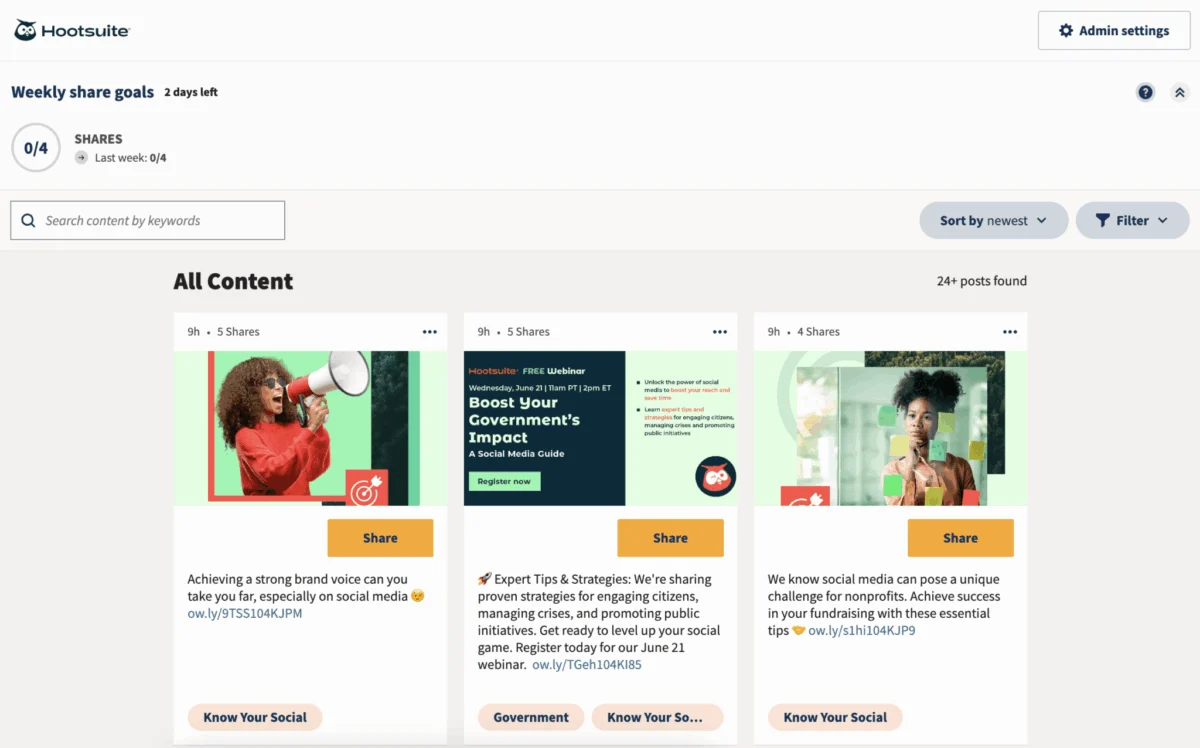
In the modern digital landscape, the difference between a thriving brand and a stagnant one often comes down to a single, powerful asset: the voices of your employees. While a viral post or a high engagement rate on a corporate account provides a morale boost, these vanity metrics rarely translate directly to the bottom line. For marketing leaders and C-suite executives, the real challenge lies in transforming employee advocacy from a "nice-to-have" social initiative into a rigorous, data-driven growth engine.
Measuring the success of employee advocacy is no longer optional. As departments across the enterprise compete for shrinking budgets and limited headcount, programs that cannot prove their business impact—be it through talent acquisition, lead generation, or cost savings—risk being sidelined. To build a repeatable, scalable advocacy machine, organizations must shift their focus from superficial vanity metrics to the key performance indicators (KPIs) that dictate long-term commercial success.
The Strategic Shift: What Does Success Really Look Like?
At its core, measuring employee advocacy means evaluating how a program influences the business through tangible data points. It is about moving beyond the "fluffy" numbers and providing leadership with evidence that advocacy drives real-world outcomes.

A sophisticated measurement framework tracks seven distinct pillars: reach and awareness, engagement, recruitment metrics, sales and lead generation, employee participation, cultural health, and long-term retention. By synthesizing these data points, organizations can provide a clear audit trail of the value created by their workforce’s digital presence.
The Real-World Proof
The efficacy of this approach is validated by practitioners like Victoria Samways, Marketing & Brand Manager at Major Tom. Samways utilized granular UTM tracking links on employee-shared content to bridge the gap between social interaction and revenue. By attributing leads back to specific campaigns, she was able to prove a three-figure ROI on a single initiative.
"Thanks to the UTM tracking links, we saw a healthy amount of leads that we attributed back to this campaign," Samways reports. "This resulted in over $100k in our pipeline and, as a channel, provided a higher-than-average win rate due to the referral-like context of these leads." This case study serves as a masterclass in how to translate social sharing into boardroom-ready financial reporting.

The Risks of Unmeasured Advocacy
Running an advocacy program without a measurement framework is akin to sailing without a compass. When initiatives operate in the dark, they are susceptible to three critical failures:
- Budget Vulnerability: Without clear ROI data, these programs are often the first to be cut during fiscal tightening.
- Strategy Drift: Without feedback loops, marketing teams cannot discern which content resonates, leading to a waste of creative resources.
- Loss of Participation: When employees cannot see the impact of their efforts, their motivation wanes. Transparency is a catalyst for sustained engagement; when employees understand that their posts are driving actual growth, they are significantly more likely to remain active advocates.
The Seven Pillars of Advocacy Metrics
To effectively track performance, leaders should categorize their data into seven actionable buckets.
1. Awareness and Reach
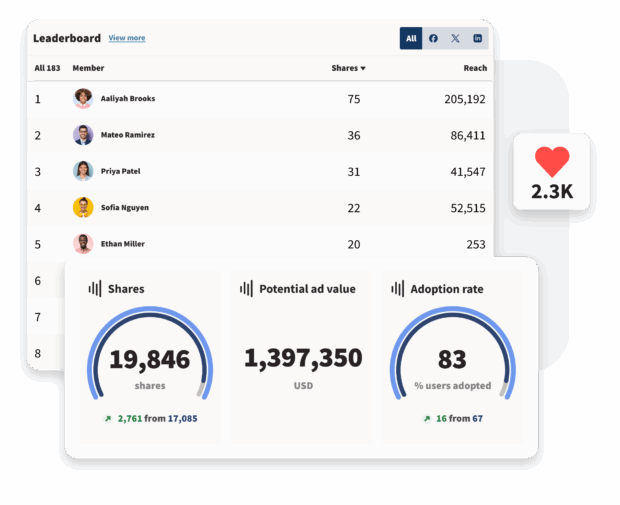
This measures the amplification of your brand. Beyond simple impressions, look at "Share of Voice." If 100 employees share a post, the multiplier effect on your brand’s reach is exponential. Savvy marketers translate this into "Paid Media Savings"—calculating how much it would have cost to achieve the same reach through traditional social advertising.
2. Engagement Dynamics
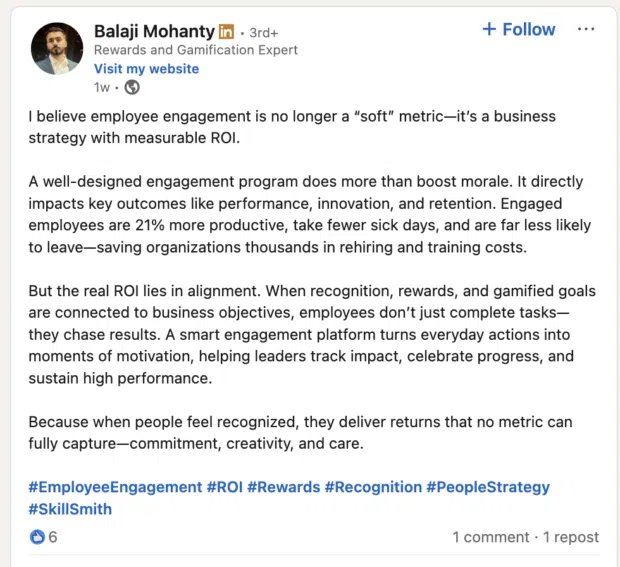
Engagement is the litmus test for authenticity. LinkedIn data suggests that content shared by employees achieves a click-through rate (CTR) approximately 2x higher than content shared by official brand pages. Tracking likes, comments, and sentiment allows teams to refine their content strategy based on what the audience actually wants to consume.
3. Recruitment and Talent Pipelines
Employee advocacy is a powerful recruiting tool. By tracking applicant volume and quality against specific advocacy campaigns, HR and marketing can identify which employee-shared content attracts the highest-caliber candidates.
4. Sales and Revenue Attribution
This is the "Holy Grail" of advocacy metrics. By utilizing UTM parameters on all shared links, businesses can track site traffic, conversions, and pipeline influence directly to their CRM. Notably, data shows that sales representatives who share content regularly are 45% more likely to exceed their sales quotas.

5. Participation and Adoption
A program is only as strong as its active user base. Track the adoption rate (number of employees who signed up) versus the activity rate (number of employees who post consistently). Use these numbers to identify "power users" and reward them accordingly.
6. Cultural Impact
Advocacy is a reflection of corporate culture. High participation rates often correlate with higher levels of employee pride and engagement. Monitoring survey scores and qualitative feedback can help determine if the program is fostering a stronger sense of belonging.
7. Employee Retention
There is a compelling correlation between advocacy and retention. When employees are invited to act as thought leaders, they become more invested in the brand’s mission. Tracking the retention rates of active advocates versus the general workforce can provide compelling data on the program’s long-term value to HR.
Calculating ROI: The Math of Advocacy
To calculate ROI, organizations must weigh the total value generated against the costs of the program (software licenses, administrative time, and incentives).
The Formula:
ROI (%) = [(Value Generated – Program Costs) / Program Costs] 100*
Value generated should include:
- Attributed Revenue: Direct sales or leads generated from shares.
- Recruitment Savings: The reduction in cost-per-hire by leveraging organic networks.
- Earned Media Value (EMV): The monetary equivalent of the reach achieved without paid spend.
For example, a program costing $20,000 that generates $190,000 in combined revenue, recruiting, and media value delivers a staggering 850% ROI.
Best Practices for Scaling Success
Achieving these results requires more than just a dashboard; it requires a strategic mindset. Here are the 11 pillars of a successful, measurable advocacy program:
- Cultivate Pride: Build an environment where sharing feels like a career-building activity, not a corporate chore.
- Avoid Mandatory Participation: Let employees opt-in. Authentic enthusiasm cannot be forced.
- Focus on Adoption and Activity: A high sign-up rate is meaningless if the "activity rate" is zero.
- Master the UTM: Tag everything. If it isn’t tagged, it doesn’t exist in your ROI reports.
- Analyze Engagement Trends: Let the data dictate your content calendar.
- Calculate EMV: Always translate reach into dollar-equivalent ad spend.
- Communicate the ‘Why’: Ensure employees understand the benefits to their own personal brand.
- Integrate with the CRM: Connect your advocacy platform to your sales data to show true pipeline influence.
- Prioritize Tech Health: Broken integrations or poor user interfaces are the death knell of a program.
- Refine Based on Performance: Use the data to optimize content, not just to report on it.
- Gamify Recognition: Reward your top advocates. Public acknowledgment or small incentives can dramatically increase consistent participation.
Conclusion: The Future is Employee-Led
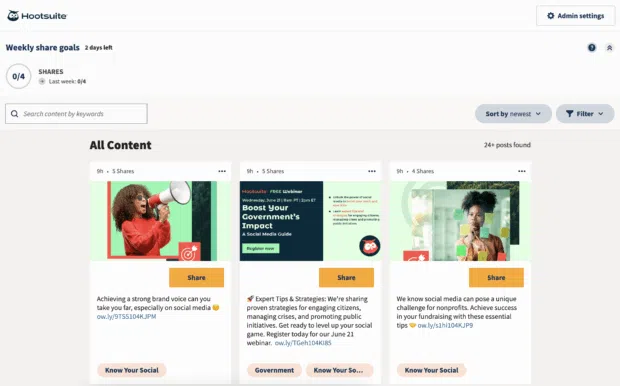
The transition to an advocacy-driven model is not just a marketing shift; it is a fundamental change in how companies relate to their human capital. By using platforms like Hootsuite Amplify to curate content, track adoption, and measure business impact, companies can turn their greatest asset—their people—into their most effective growth channel.

As the digital world becomes increasingly crowded, the most authentic voice in the room will always be the human one. The companies that measure this influence, reward it, and integrate it into their broader business strategy will be the ones that define the next generation of market leadership.
 Reynand Wu
  Muslim
  Nila Kartika Wati