
 By Iffa Jayyana
For many, the journey into the "creator economy" begins with a simple "Buy Me a Coffee" button. Platforms like Ko-fi have democratized monetization, offering a low-barrier, low-pressure entry point for artists, writers, and podcasters to accept tips and modest membership fees. However, as your audience matures and your output scales, you may find that the very simplicity that drew you to Ko-fi is now a bottleneck. When you reach the point where you need robust storefronts, sophisticated membership tiers, or seamless physical merchandise integration, it is time to evaluate platforms designed for the next stage of professional growth.
The Evolution of Creator Monetization: From Tipping to Commerce
The landscape of creator-led businesses has undergone a seismic shift. In the early 2020s, the "tip jar" model was the industry standard. By 2026, however, the professionalization of the creator space has necessitated a transition toward "creator commerce." This shift is driven by a demand for higher margins, better data ownership, and the ability to sell a diverse array of assets—from digital workbooks and premium video courses to branded physical apparel.
If you find yourself manually managing spreadsheets of subscribers or struggling to fulfill physical orders through a platform designed for one-off donations, you have outgrown your current infrastructure. Moving to a specialized platform is no longer just a technical upgrade; it is a strategic business decision that allows you to treat your creative output as a scalable enterprise.
Quick Comparison: Which Platform Fits Your Business Model?
| Platform | Primary Focus | Starting Cost | Platform Fee | Key Differentiator |
|---|---|---|---|---|
| Patreon | Membership/Community | Free | 10% | Robust community features |
| Buy Me a Coffee | Casual Donations | Free | 5% | Zero-friction UX |
| Fourthwall | Physical Merchandise | Free | 5% (Digital) | Native merch fulfillment |
| Gumroad | Digital Downloads | Free | 10% + $0.50 | Instant product setup |
| Payhip | Scalable Storefronts | Free | 5% (on free plan) | Flexible scaling plans |
| Substack | Writing/Newsletters | Free | 10% | Integrated email delivery |
| Memberful | Private Membership | Custom | 4.9% | Own your own website |
| Podia | Courses/All-in-One | $33/mo | 5% | Integrated email/courses |
| Liberapay | Non-profit/Donations | Free | 0% | Zero platform fees |
1. Fourthwall: The Powerhouse for Physical and Digital Goods
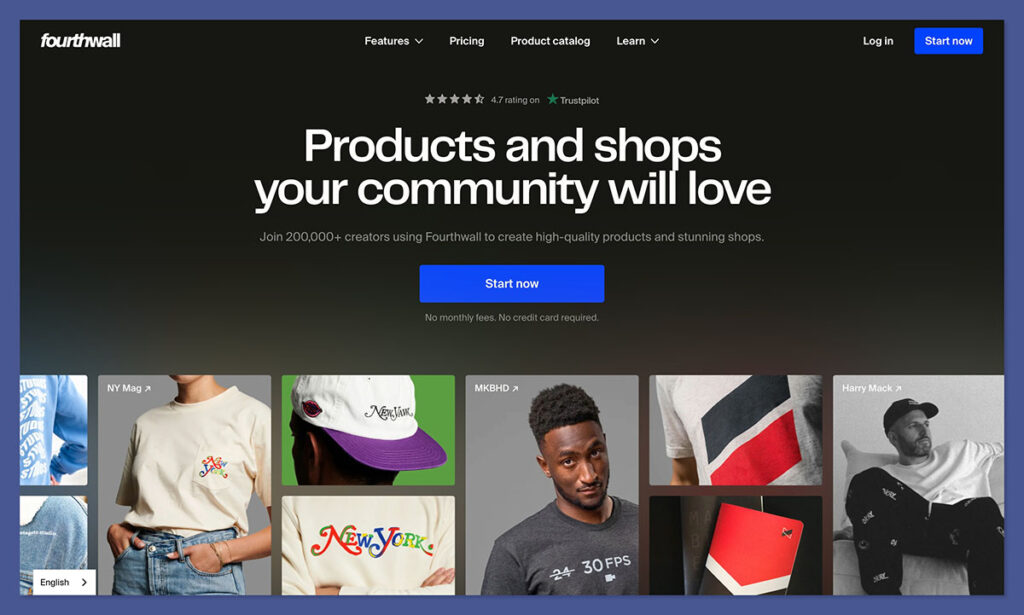
Fourthwall stands as the premier choice for creators whose brand extends into the physical world. Unlike most competitors, it treats merchandise with the same priority as digital content.
Implications: By integrating print-on-demand fulfillment directly into your storefront, Fourthwall removes the "logistics tax" that usually prevents creators from selling apparel, mugs, or accessories.
Strengths: You retain complete control over your branding. Your storefront doesn’t look like a third-party marketplace; it looks like your own dedicated website. This professional polish is essential for creators moving into the mid-tier and elite influencer space.
2. Patreon: The Gold Standard for Membership Communities
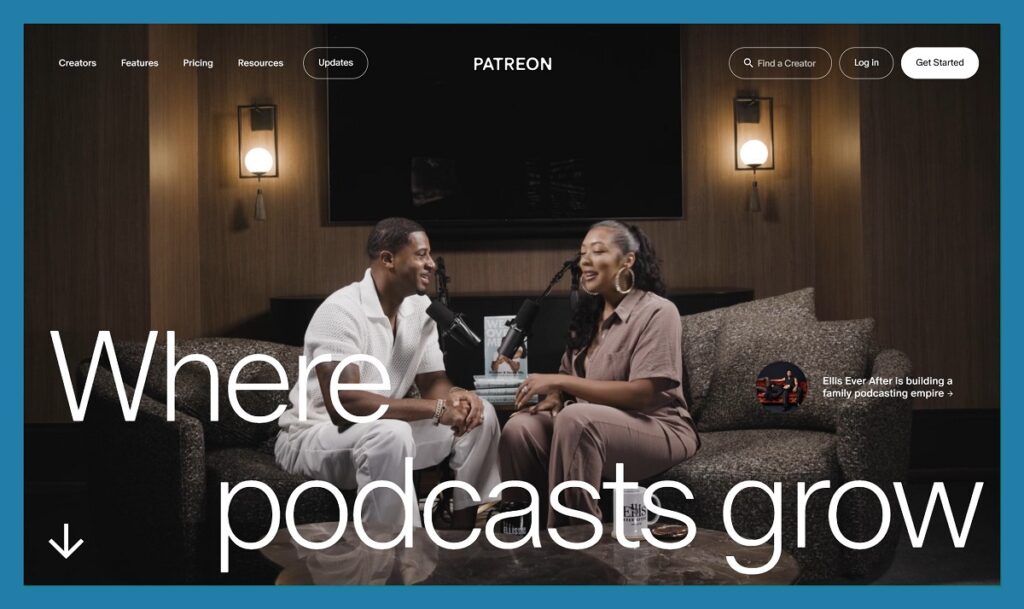
Patreon remains the most recognized name in the sector for a reason: it understands the psychology of the "supporter."
Supporting Data: With its deep integration of gated content, polls, and direct messaging, Patreon fosters the "community-as-a-product" model. Recent data suggests that creators who use Patreon’s tier-based system see 40% higher lifetime value from their subscribers compared to those using simple donation links.
The Trade-off: The platform fee of 10% is on the higher end, and the lack of deep visual customization can feel limiting for creators who want a highly unique, brand-specific aesthetic.
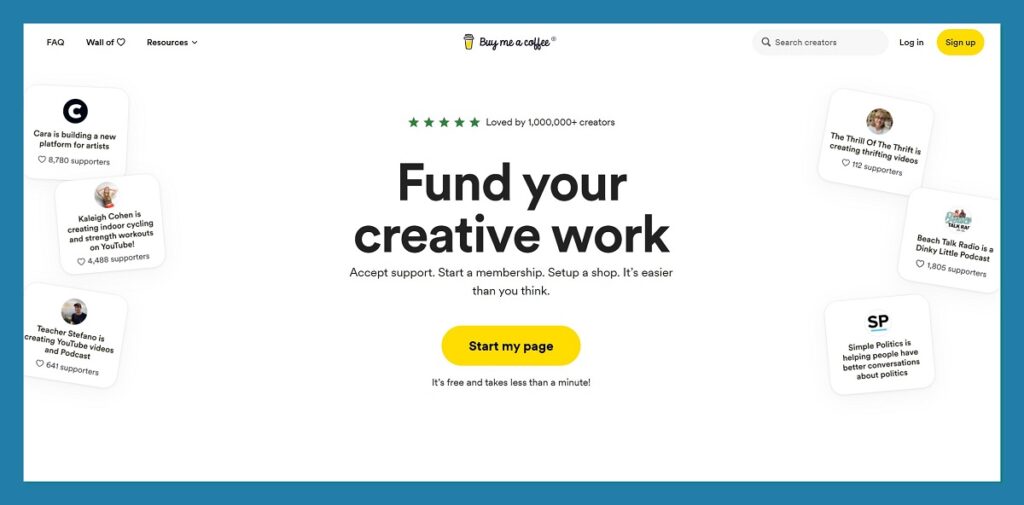
3. Buy Me a Coffee: The Minimalist’s Choice
For creators who maintain a "link-in-bio" strategy, Buy Me a Coffee is the logical step up from standard social media integration. It is intentionally lightweight. It does not try to be a full-scale ecommerce solution; instead, it excels at being a frictionless payment gateway for your audience to show appreciation.
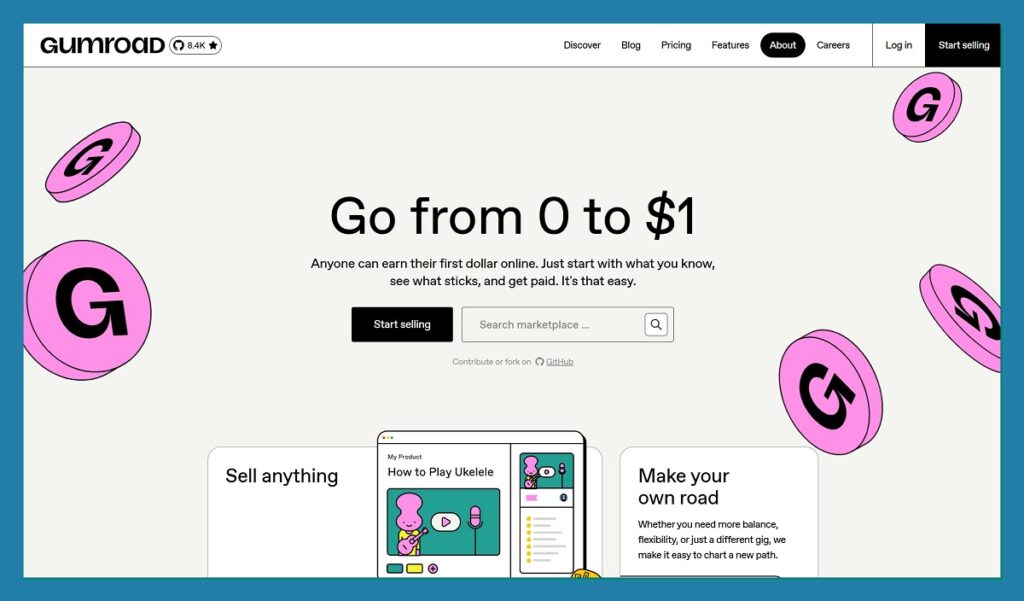
4. Gumroad: Speed and Efficiency for Digital Creators
If your business is built on selling PDFs, presets, software, or design templates, Gumroad is arguably the fastest path to revenue. Its checkout process is legendary for its speed, which directly correlates to higher conversion rates.
Chronology of Success: Since its inception, Gumroad has prioritized the "creator-first" philosophy, allowing individuals to launch a product in minutes without needing to understand web development or complex payment processing.
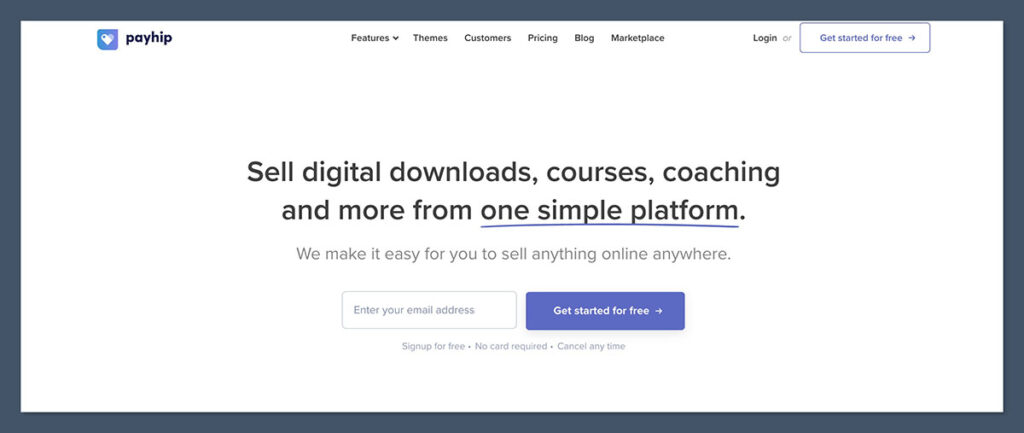
5. Payhip: The Scalable Professional Storefront
Payhip is the "hidden gem" for creators who want to scale. Its standout feature is its pricing flexibility. Unlike platforms that force a flat percentage fee forever, Payhip allows you to move to a monthly subscription model as your revenue grows, eventually reducing your platform fee to 0%. This makes it a mathematically superior choice for high-volume sellers.
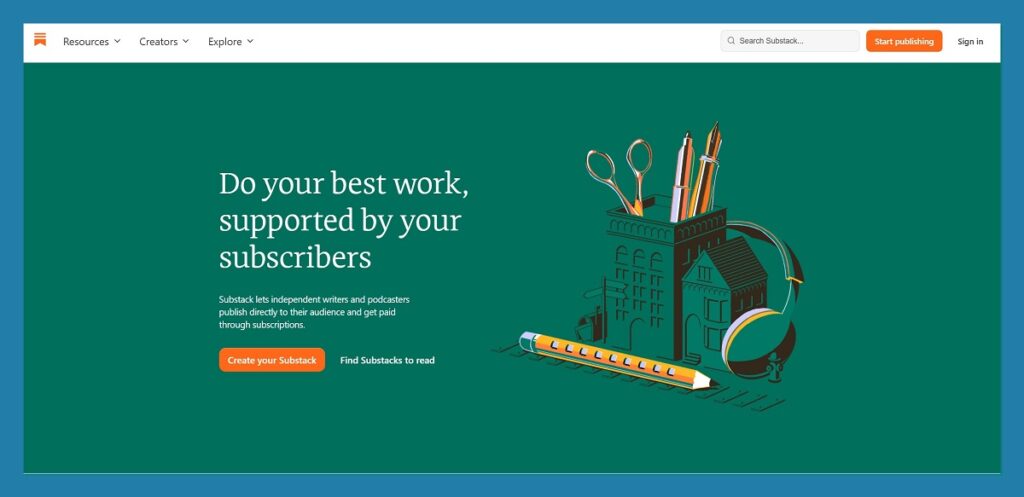
6. Substack: The Writer’s Ecosystem
Substack has successfully built a network effect that no other platform can claim. By creating a built-in recommendation engine, it helps writers find new subscribers without relying solely on social media algorithms.
Official Response/Philosophy: Substack’s model is built on the belief that writing should be a direct transaction between the author and the reader. By removing the need for separate email marketing tools, it allows writers to focus entirely on content creation.
7. Memberful: Ownership and Integration
Memberful is for the creator who is tired of being "de-platformed" or restricted by the design choices of others. It functions as a plugin for your own website (typically WordPress).
Implications: You own the traffic. You own the data. You own the design. While it requires more technical maintenance than a hosted solution like Patreon, it provides the ultimate long-term asset: a website that belongs entirely to you.
8. Podia: The All-in-One Educator’s Suite
For creators who offer coaching, online courses, or webinars, juggling five different tools is a recipe for burnout. Podia consolidates your email marketing, course hosting, and storefront into a single dashboard.
Supporting Data: Creators who switch to an all-in-one suite like Podia report a 25% decrease in the time spent on "admin" tasks, allowing for more time dedicated to curriculum development and content production.
9. Liberapay: The Ethical Alternative
Liberapay is a non-profit, open-source project. It is the only platform on this list that does not charge a platform fee. It is specifically built for creators who want to build a sustainable, recurring donation model without the overhead of corporate profit-taking.
Strategic Implications: How to Choose Your Next Step
Choosing a platform is not just about fees; it is about alignment with your long-term business goals.
- If your goal is community: Choose Patreon or Memberful.
- If your goal is volume sales of digital files: Choose Gumroad or Payhip.
- If your goal is building a brand with physical products: Choose Fourthwall.
- If your goal is education and coaching: Choose Podia.
The Hybrid Strategy: Why You Don’t Need Just One
It is a common misconception that you must choose one platform and stick to it. Many of the most successful creators in 2026 employ a Hybrid Strategy. They might use Substack for their free and paid newsletters to build a top-of-funnel audience, Patreon for exclusive behind-the-scenes content to build community, and Payhip to host a catalog of high-ticket digital courses.
By diversifying your infrastructure, you reduce "platform risk"—the danger of losing your entire business if a single company changes its terms of service or shuts down.
Final Thoughts: The Path to 2027
The tools you choose today will dictate the complexity of your workflow tomorrow. As you look toward the next year, prioritize platforms that offer portability (the ability to export your subscriber lists), ownership (the ability to maintain your brand identity), and scalability (the ability to grow your revenue without seeing your fees skyrocket).
The transition from a "creator" to a "business owner" is not marked by the number of followers you have, but by the maturity of your monetization infrastructure. By moving beyond the simple tip jar, you are not just asking for support—you are building a sustainable, professional, and independent creative career. Start by identifying the one task that currently wastes the most of your time—be it shipping merchandise, managing email lists, or setting up product pages—and choose the platform that solves that specific problem. Your future self, and your bottom line, will thank you.
 Dwi Wanna
  Lina Irawan
  Basiran