
 By Neng Nana
Artificial intelligence-referred traffic to online stores surged by an unprecedented 4,700% last year, according to recent data from Adobe. This massive shift signals that the era of AI-driven commerce is no longer a futuristic concept—it is the current baseline. Yet, despite this explosive growth, a startling disconnect remains: only 7% of companies have successfully scaled their AI operations beyond the initial "experimentation" phase.
The gap between hype and tangible revenue is rarely a technology failure. Instead, it is almost always a failure of strategy. Most merchants fall into the trap of "tool fatigue," layering subscription upon subscription without a clear roadmap. The secret to winning in 2026 isn’t buying more tools; it’s picking the right ones to solve the specific bottlenecks currently strangling your store’s growth.

The Evolution of Ecommerce Intelligence
To understand where we are, we must look at how we arrived here. In 2023, AI was largely a novelty used for basic copywriting. By 2024, it became a support function, handling low-level chatbot queries. Today, in 2026, we have reached the era of "Generative Engine Optimization" (GEO).
AI search engines like ChatGPT and Perplexity now answer between 12% and 18% of all shopping-related queries. This fundamental shift in consumer behavior means that the tools that mattered two years ago—those focused purely on internal operations—are now secondary to tools that ensure your store is "discoverable" by an AI.

The Hierarchy of Essential AI Ecommerce Tools
The following ranking is based on revenue impact, cost-to-value ratios, and real-world merchant feedback. These tools are selected for their ability to move the needle on the P&L statement, rather than the aesthetic appeal of their landing pages.
1. Shopify Magic & Sidekick: The Foundational Layer
Before committing a single dollar to third-party software, every Shopify merchant must leverage the platform’s native AI. The "Renaissance Edition" updates have integrated over 150 AI features directly into the admin panel.
- The Data: Case studies show merchants saving up to 10 hours a week on copywriting and product tagging.
- The Verdict: This is your baseline. It is free, integrated, and handles the heavy lifting of routine metadata management.
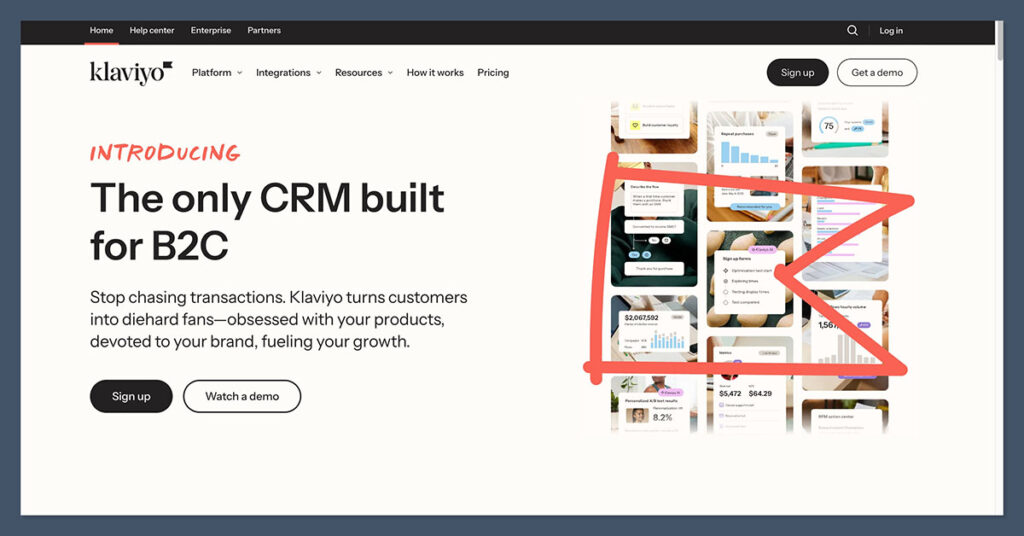
2. Klaviyo: The Engine of Retention
Email and SMS remain the highest-ROI channels in ecommerce. AI-assisted campaigns now generate 18 times the revenue of manual blasts.
- The Strategy: Use predictive analytics to estimate next-purchase dates and churn risk.
- The Warning: Beware the "Dead Profile Tax." As of 2025, billing is based on total active profiles. Implement a strict "Sunset Flow" to prune inactive subscribers every 180 days to keep costs optimized.
3. Gorgias & Fin: Support as a Profit Center
Support should not just be a cost center; it should be an extension of your sales team.
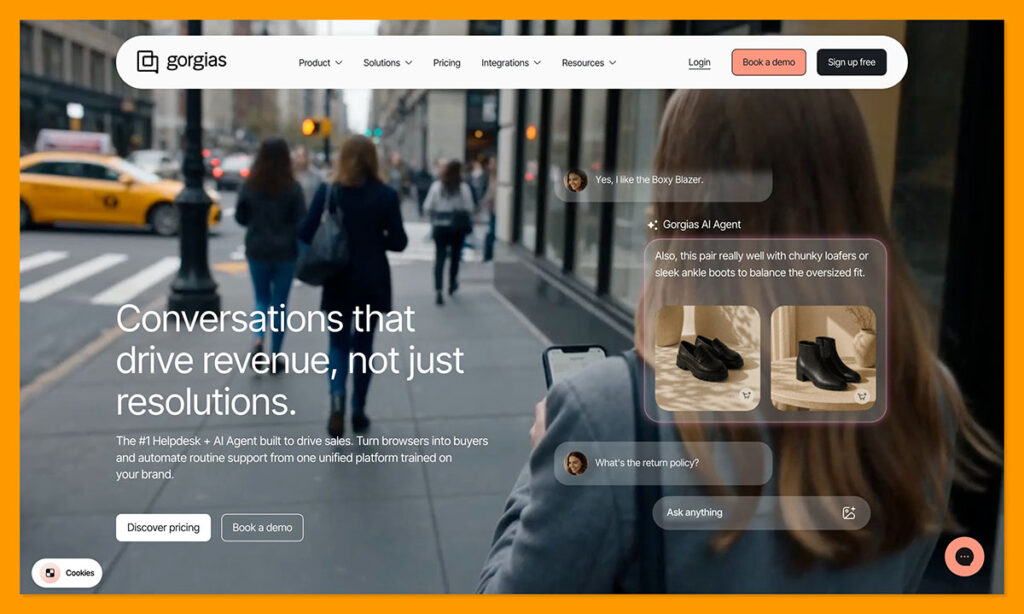
- Gorgias: Best for high-volume shops that need deep integration with Shopify for order management, refunds, and address changes.
- Fin by Intercom: Best for pure resolution rates. Its "pay-per-resolution" model ensures you only pay when the AI successfully solves a ticket, keeping your overhead aligned with actual performance.
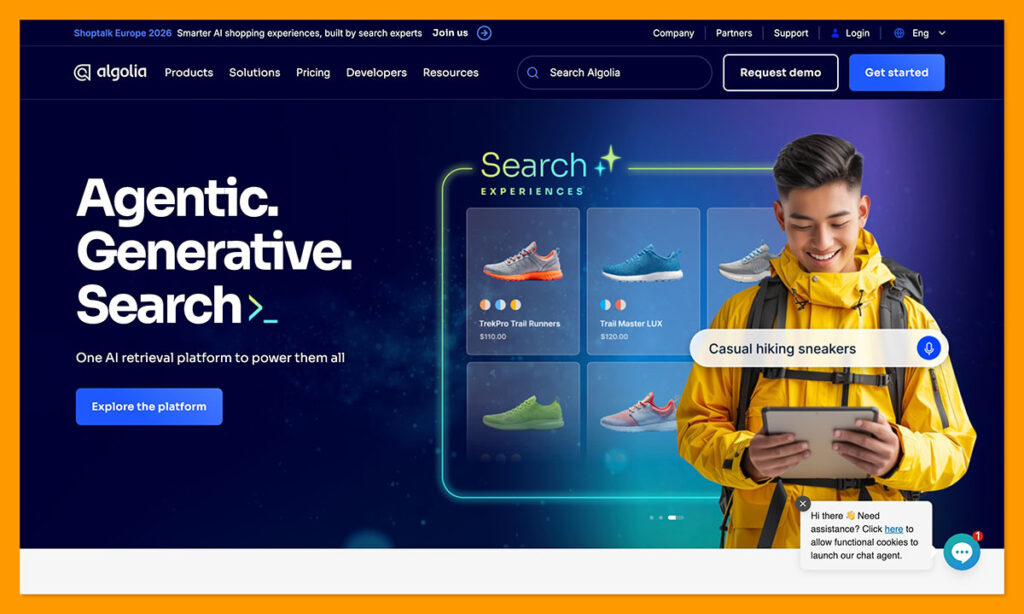
4. Algolia: Mastering Large-Scale Search
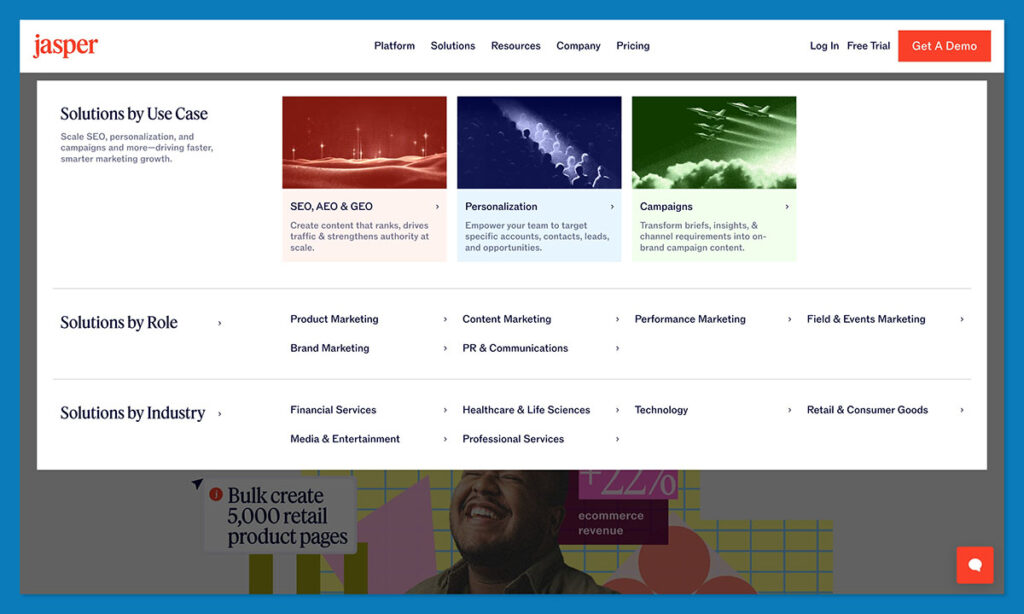
When your catalog exceeds 1,000 SKUs, site search becomes the primary driver of conversion. Algolia’s NeuralSearch understands user intent rather than just matching keywords, ensuring that a search for "warm gear" surfaces a jacket even if that specific word isn’t in the title.
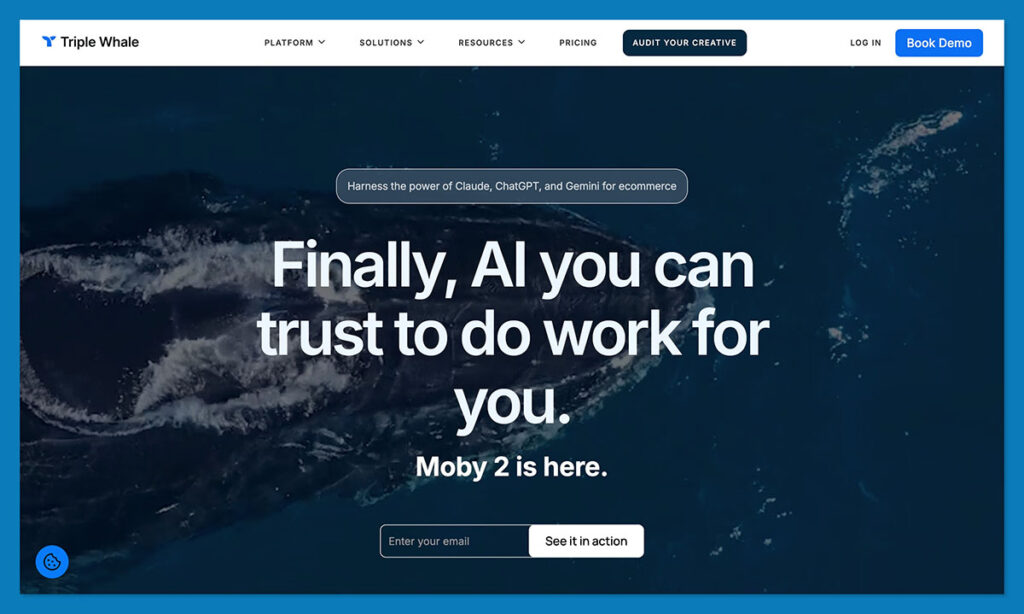
5. Triple Whale: The Single Source of Truth
Attribution is the biggest point of contention in digital marketing. By pulling data from Meta, TikTok, and Google into one dashboard, Triple Whale allows for real-time adjustments to ad spend. Use its "Moby" AI assistant to ask natural language questions about your ROAS and CAC to eliminate decision paralysis.
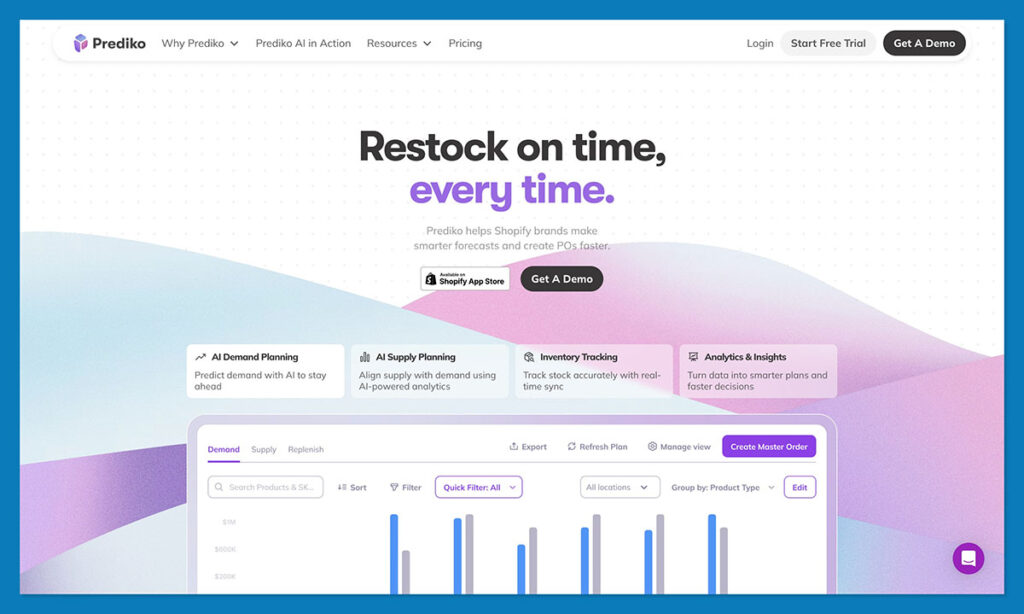
6. Operations & Pricing (Prediko, Cogsy, & Prisync)
The "unsexy" side of AI is where the most money is saved.
- Inventory: Prediko and Cogsy use demand forecasting to prevent stockouts and overstocking.
- Pricing: Prisync monitors competitor pricing in real-time, allowing for dynamic repricing that protects your margins without manual intervention.
Supporting Data: The ROI of Patient Implementation
Research suggests that 89% of companies using AI report positive ROI, but the payback period is rarely immediate. It averages approximately nine months. The most successful stores follow a "sequencing" model rather than a "stockpiling" model.
| Store Stage | Priority Focus | Expected Monthly Spend |
|---|---|---|
| Solo / <$500K | Content (Magic + ChatGPT) | ~$20 – $50 |
| Growth / $500K-$1M | Support & Email | ~$150 – $250 |
| Scaling / $1M-$10M | Analytics & Inventory | ~$300 – $800 |
Official Perspectives and Industry Realities
Industry leaders are increasingly moving away from the "AI-does-it-all" narrative. The consensus among top-tier operators is that AI is a co-pilot, not a replacement for human judgment.
"We don’t look for 100% automation," says a lead operations manager at a mid-market apparel brand. "We look for 80% accuracy in repetitive tasks, which frees up our team to focus on the 20% of high-touch customer experiences that actually build brand loyalty."
Furthermore, vendors are increasingly being held accountable for "hallucinations." Roughly 56% of brands cite AI hallucinations as their top deployment concern. As a result, the best tools in 2026 are those that provide "human-in-the-loop" workflows, where the AI prepares the work and a human confirms it before it goes live.
Implications for the Future: The Era of GEO
If you take one thing away from this analysis, let it be the rise of Generative Engine Optimization (GEO). The future of search is no longer about blue links on a Google results page; it is about being cited in an AI-generated summary.
To prepare for this, you must shift your content strategy:
- Concrete Specs Over Adjectives: Replace flowery marketing copy with hard data, materials, dimensions, and real-time stock status. AI models prioritize factual, structured data because it is easier to cite.
- Schema 2.0: Ensure your site uses advanced structured data markup so that AI crawlers can accurately parse your catalog.
- Real-Time Data Sync: If your pricing or stock levels are outdated, AI agents will stop recommending your products because they prioritize accuracy to maintain their own user trust.
Conclusion: The Path Forward
Don’t buy 13 tools. Buy the one that fixes your single biggest bottleneck this month. If your content is slow, use Shopify Magic or ChatGPT. If your support is failing, use Tidio or Gorgias. If your ads are losing money, use Triple Whale.
The successful merchant of 2026 is not the one with the most expensive tech stack. It is the one who treats AI as a surgical tool to remove inefficiencies, one quarter at a time. Sequence your implementation, measure the impact on your bottom line, and only scale once you have proven the ROI. The technology is here, but the strategy is still entirely in your hands.
 Dwi Wanna
  Lina Irawan
  Basiran