
 By Nila Kartika Wati
In the evolving landscape of creator-led commerce, the gap between "merch" and "fashion" has narrowed significantly. For years, the print-on-demand (POD) industry was defined by thin, low-quality blanks and a "good enough" aesthetic. However, as of Q1 2026, the marketplace has shifted. Creators are no longer settling for disposable products; they are building legitimate, high-margin apparel brands that prioritize fabric weight, unboxing experiences, and sustainable production.
Following a six-month, side-by-side study involving eight major platforms, over 200 sample orders, and rigorous stress-testing against three primary criteria—blank quality, branding depth, and print method versatility—we have determined that the industry has reached a tipping point.
The State of the Industry: Main Facts
The primary takeaway from our research is clear: the "all-in-one" model is winning. Creators are increasingly choosing platforms that consolidate storefront management, tax compliance, and customer support.
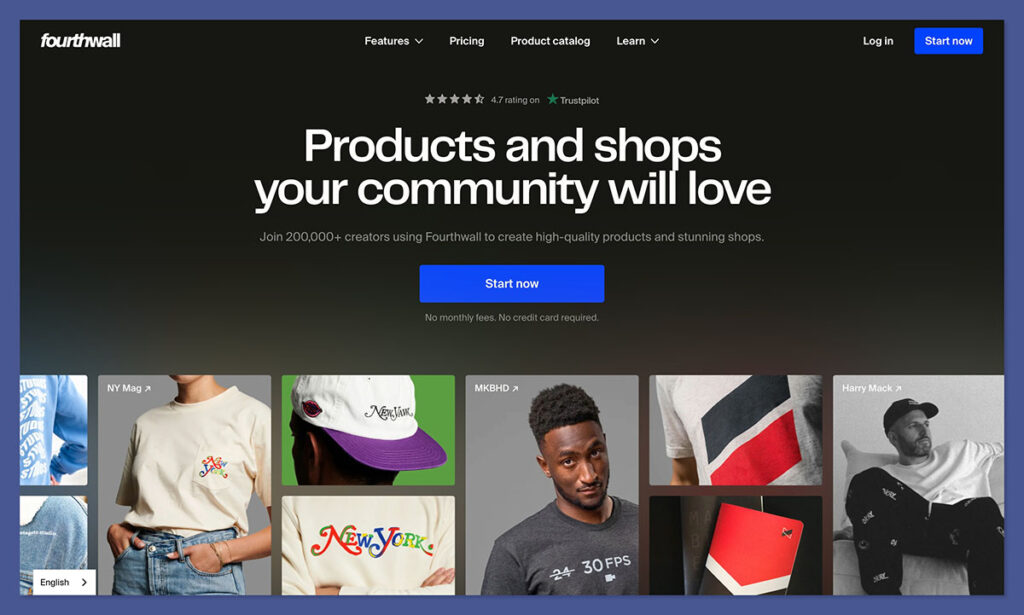
- The Gold Standard: Fourthwall has emerged as the premier platform for creators who want to build a brand rather than run an e-commerce business.
- The Niche Leaders: Specialized providers like Apliiq and Tapstitch continue to dominate in high-end streetwear, where specific tactile requirements—such as 430 GSM heavyweight cotton or authentic sewn-in woven labels—are non-negotiable.
- The Operational Shift: The landscape has been reshaped by the merger of Printful and Printify into the entity now known as Fyul, though consumer-facing brands remain distinct. Furthermore, shifting fee structures on platforms like Patreon have forced creators to re-evaluate their financial stacks.
Chronology of Market Developments (2025–2026)
The last eighteen months have seen rapid consolidation and pricing adjustments that have fundamentally altered the creator economy.
- Q4 2025: Our testing period commenced. We began evaluating platforms based on a benchmark of 200+ GSM premium blanks and 30-cycle wash durability tests.
- January 2026: Gumroad successfully restored PayPal integration, easing checkout friction for independent creators.
- June 2026: Significant pricing updates took effect. Fourthwall finalized its Pro tier at $19/mo (or an effective $15/mo annually), and the Printful-Printify merger under the Fyul banner concluded, signaling a move toward centralized global logistics.
- Ongoing: Creators are adjusting to the August 2025 Patreon fee hike (10% on the standard plan), which has incentivized the move toward integrated storefronts like Fourthwall to keep total "platform tax" manageable.
Supporting Data: How We Tested
To ensure our recommendations are actionable, we subjected eight platforms to a uniform, high-standard evaluation.
The Testing Criteria
- Blank Quality: We mandated a minimum of 200 GSM for all premium tests, sourced from top-tier mills (AS Colour, Stanley/Stella, Cotton Heritage, and Lane Seven).
- Branding Stack: We looked for the presence of woven neck labels, custom hangtags, branded polybags, and internal print options.
- Print Method Match: Each platform was tested for DTG, DTF, screen printing, embroidery, sublimation, and cut-and-sew capabilities.
Comparative Performance Table
| Platform | Primary Strength | Base Tee Cost | Production Speed |
|---|---|---|---|
| Fourthwall | All-in-one premium | ~$11.75 | 3-7 days |
| Apliiq | Private-label fashion | $7-$12 | 7-10 days |
| Tapstitch | Heavyweight streetwear | $22.99 (430 GSM) | Variable |
| Printful | Global fulfillment | ~$11.75 | 2-5 days |
| Gelato | Localized international shipping | ~$11.75 | 2-6 days |
| TPOP | European eco-sustainability | ~€10-15 | 3-5 days |
| Printify | Cost-optimization | ~$11.75 | Varies |
| CustomCat | US-based embroidery speed | ~$10-12 | 1-3 days |
Platform Analysis: Detailed Breakdown
1. Fourthwall: The All-in-One Benchmark
Fourthwall currently stands as the most efficient solution for creators. By handling taxes, storefront design, and support, it removes the "e-commerce burden." Its "Signature" print line addresses the industry-wide struggle with DTG washout on dark fabrics, offering superior ink coverage that few competitors match.
2. Apliiq: The Private-Label Specialist
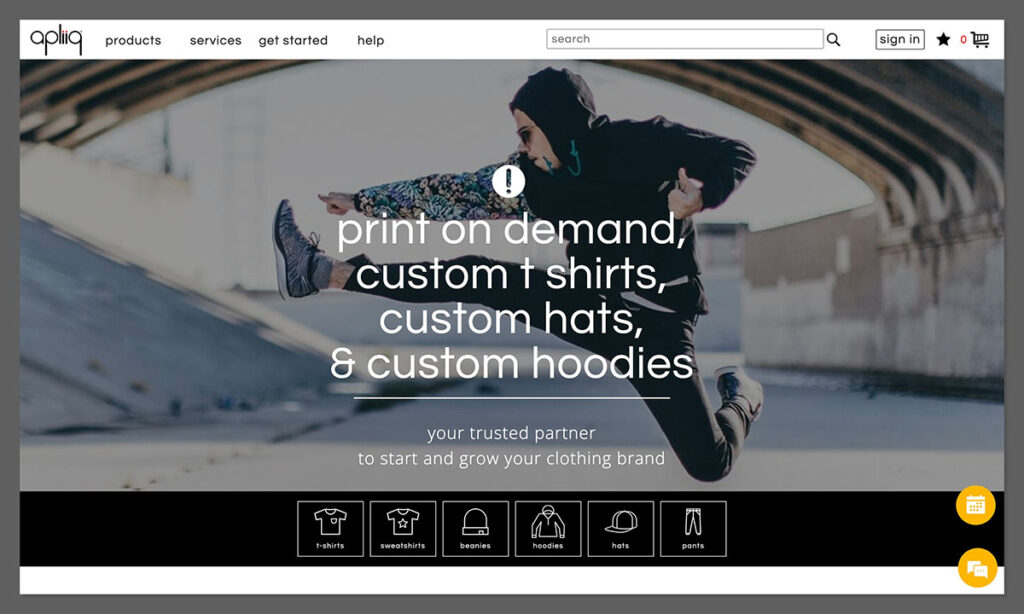
For founders who view apparel as a fashion statement, Apliiq is the only viable POD that offers a 100-unit minimum for sewn-in woven labels. While it requires more hands-on effort than an all-in-one platform, the ability to customize every detail—from hangtags to appliqués—justifies its place in the market.
3. Tapstitch: The Heavyweight King
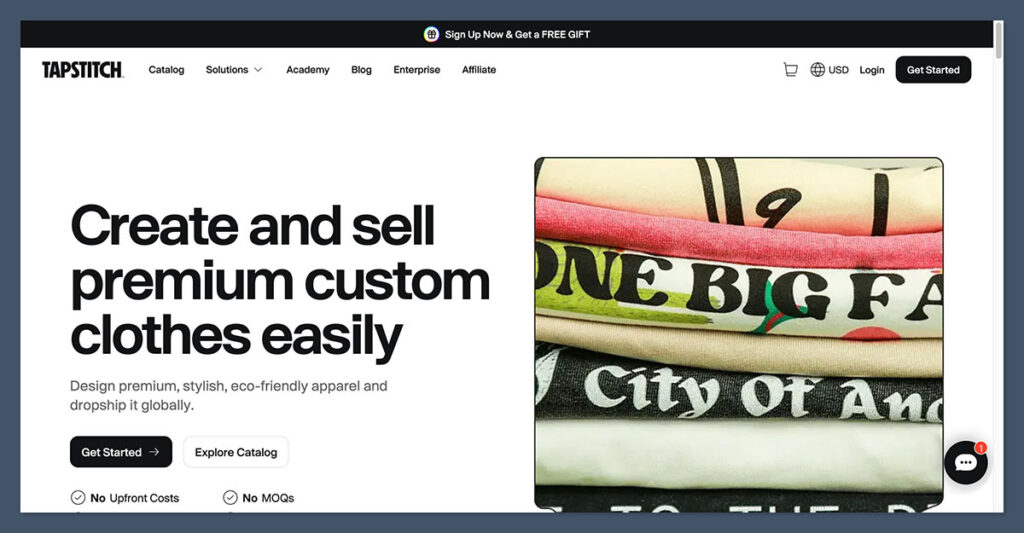
Streetwear brands require a specific "hand-feel." Tapstitch is unique in its inventory of 430 GSM blanks. While these come at a higher base cost, they allow brands to justify retail price points in the $55–$75 range, which is critical for maintaining high-margin fashion operations.
4. Global Logistics: Printful, Gelato, and TPOP
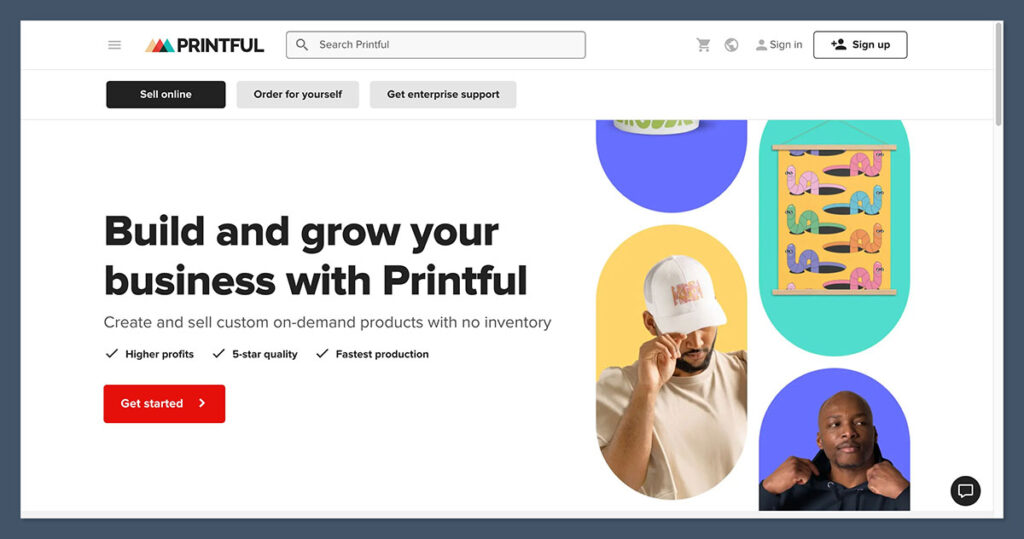
- Printful: Remains the gold standard for global scaling. Its automated routing system is the most mature in the industry.
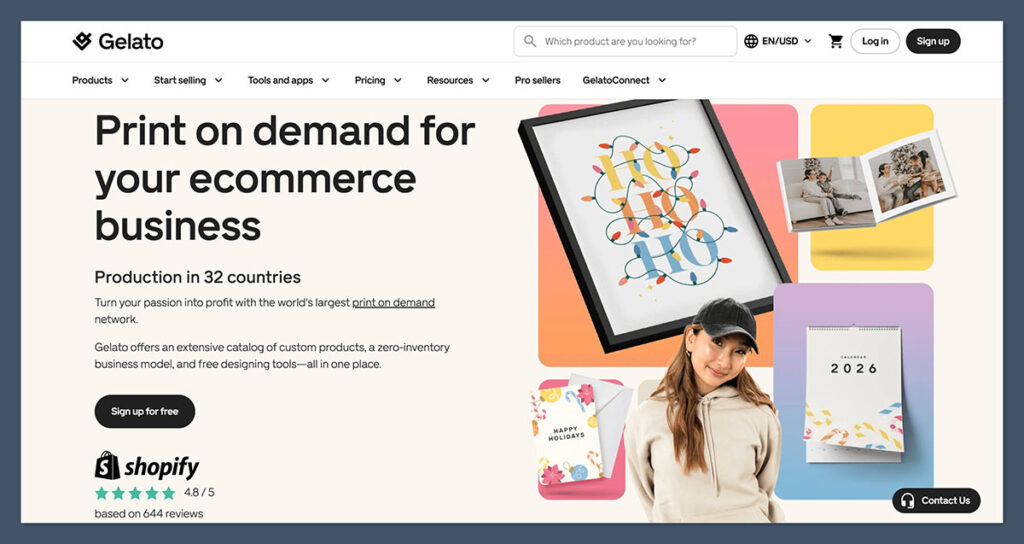
- Gelato: Essential for brands with a heavy international customer base. Its commitment to fulfilling 90% of orders within the destination country significantly reduces transit times and customs friction.
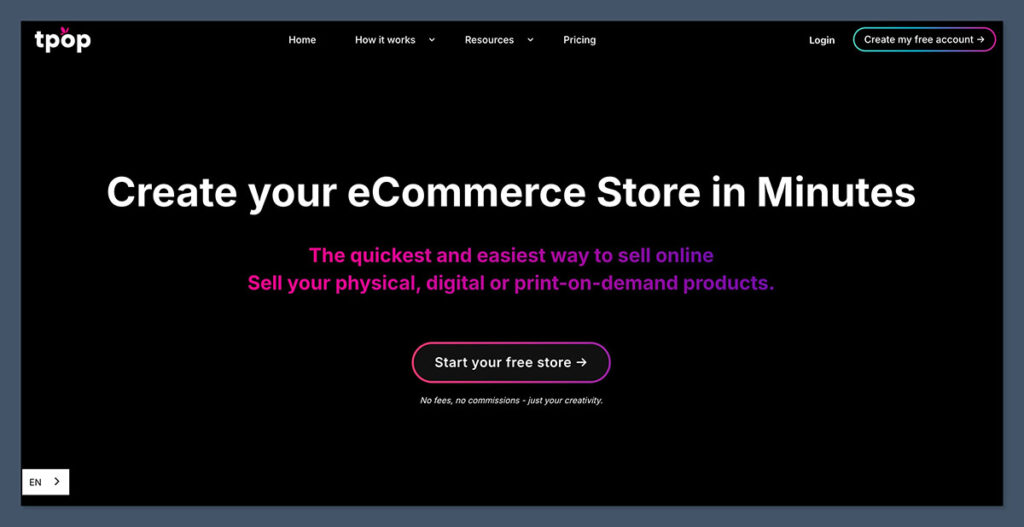
- TPOP: The definitive choice for the European market. By utilizing water-based inks and plastic-free packaging, they offer an authentic "green" value proposition that is highly marketable in the EU.
Official Responses and Strategic Implications
Industry leaders have noted that the "race to the bottom" in pricing is largely over. The modern creator is looking for "brand equity," not just a cheap product.
The Implications for Creators:
- Stop Using "One-Size-Fits-All": If your brand is built on heavy, structured cotton, do not use a platform that only offers 140 GSM Bella+Canvas blanks. The discrepancy between customer expectation and product reality will lead to high return rates.
- The Sampling Discipline: Our data confirms that skipping sample orders is the single most expensive mistake a creator can make. Whether testing print alignment or fabric density, a pre-launch sample is an insurance policy against reputation loss.
- The Graduation Point: Once a SKU consistently clears 100 units per month, you should be actively calculating the ROI of shifting to bulk manufacturing. The transition from POD to bulk can double your net margin, provided the transition remains invisible to the end-user.
Frequently Asked Questions (FAQ)
What actually defines a "Premium" POD platform?
A premium platform must excel in three areas: blank quality (200+ GSM), a deep branding stack (woven labels and custom packaging), and a diverse range of print methods (specifically screen printing and high-opacity DTF for dark fabrics).
Can I run a "real" fashion brand using Printful or Printify?
Yes, for fulfillment and logistics. However, their branding ceiling is lower. Because they largely rely on printed transfers for labels, they struggle to compete with the boutique feel of sewn-in woven labels provided by services like Apliiq.
How many washes should I expect from a POD print?
The industry standard for DTG is 50+ washes, provided the garment is washed inside out in cold water. We recommend a three-sample stress test: one cold-wash/air-dry, one hot-wash/tumble-dry (the "abuse cycle"), and one control. If the print degrades significantly before 30 washes on the abuse cycle, the provider is not suitable for a premium brand.
Is Cut-and-Sew necessary?
Rarely. Cut-and-sew is intended for edge-to-edge sublimation or custom patterns. For 95% of creators, a premium blank with high-quality screen printing or embroidery is sufficient to establish a high-end brand identity.
Final Verdict
The landscape for 2026 is clear: Fourthwall is the recommended choice for creators prioritizing efficiency and brand consolidation. However, for those building specific, high-end streetwear identities, Apliiq (for labels) and Tapstitch (for fabric weight) remain essential partners. When selecting your platform, prioritize the "feel" of the product above all else; in the current market, the customer’s perception of quality is the only metric that truly sustains long-term growth.
 Dwi Wanna
  Lina Irawan
  Basiran