
 By Azzam Bilal Chamdy
The landscape of Print-on-Demand (POD) has undergone a tectonic shift over the last 18 months. What was once a fragmented market defined by "good enough" graphic tees has evolved into a sophisticated ecosystem capable of supporting legitimate, premium fashion brands. For creators and entrepreneurs, the barrier to entry has never been lower, but the threshold for "premium" quality has never been higher.
Following a rigorous six-month investigation conducted between Q4 2025 and Q1 2026—involving over 200 sample orders across eight major platforms—the conclusion is clear: the era of the generic, low-GSM, mass-market white-label tee is over. Customers in 2026 demand a retail-grade unboxing experience, sustainable materials, and structural integrity.
Main Facts: The New Hierarchy of Apparel Fulfillment
Our testing methodology evaluated platforms against three non-negotiable criteria:
- Blank Quality: We prioritized platforms sourcing from top-tier mills (Stanley/Stella, AS Colour, Cotton Heritage, Lane Seven) with a minimum weight of 200 GSM.
- Branding Stack: We examined the availability of woven neck labels, custom hangtags, branded polybags, and internal/external print placements.
- Print Method Fidelity: We tested the consistency of DTG (Direct-to-Garment), DTF (Direct-to-Film), screen printing, embroidery, and sublimation across 30 wash cycles.
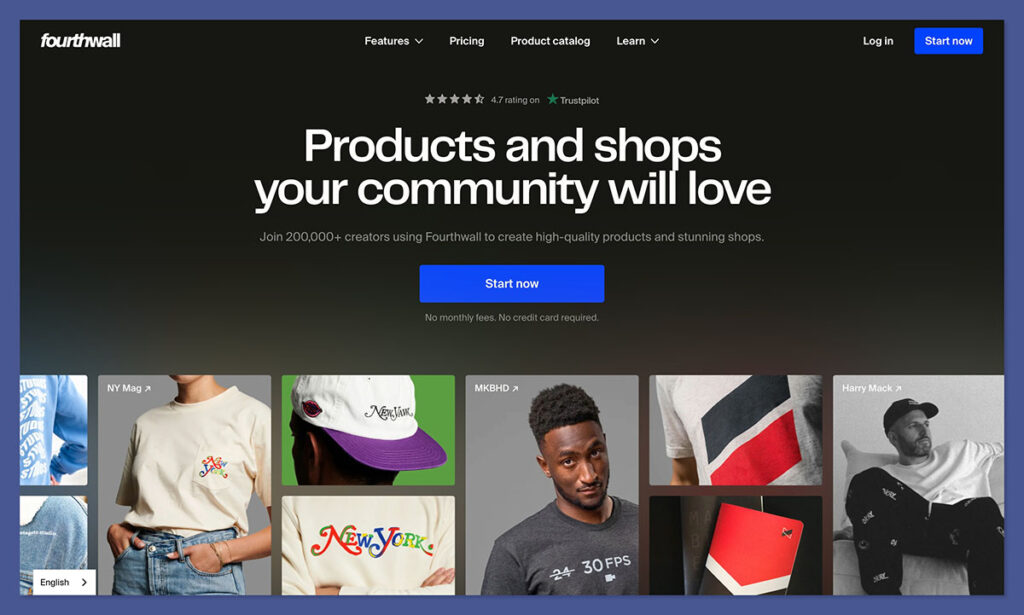
The headline finding is that Fourthwall has emerged as the definitive leader for the modern creator. It is the only platform that bridges the gap between high-end apparel production and a turnkey ecommerce storefront, effectively removing the administrative burden of running a standalone business.
Chronology of Market Evolution (2025–2026)
The POD industry saw significant consolidation and policy shifts throughout the past year, fundamentally changing how creators manage their margins and operations.
- August 2025: Patreon adjusted its fee structure, significantly impacting creators who rely on membership-linked merch drops.
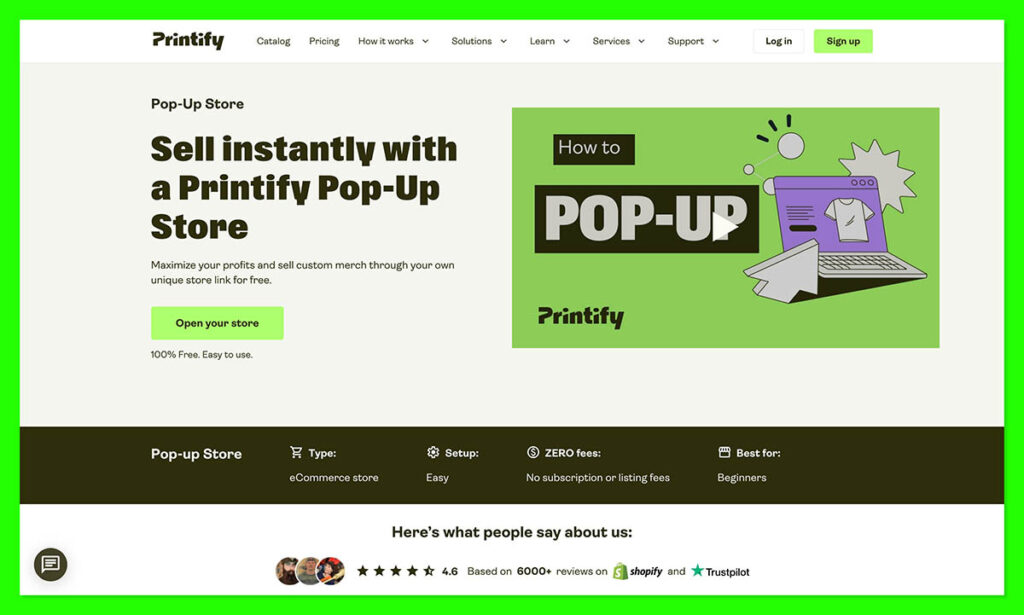
- Late 2025/Early 2026: The long-anticipated merger of Printful and Printify reached completion, resulting in the creation of "Fyul." While the consumer-facing brands remain distinct, the back-end infrastructure is being integrated to leverage massive global economies of scale.
- January 2026: Gumroad successfully restored PayPal as a payment option, alleviating a major bottleneck for independent sellers who had been sidelined by the previous suspension.
- June 2026: Fourthwall updated its "Pro" tier pricing to $19/month (or $180/year), signaling a move toward more professional-grade features, including priority support and 3PL access for self-sourced inventory.
Supporting Data: Comparative Performance
To help founders navigate these changes, we categorized the top platforms based on their core competencies.
The Verdict Table
| Platform | Best For | Key Differentiator |
|---|---|---|
| Fourthwall | All-in-one Creator Brand | Premium blanks + total ops management |
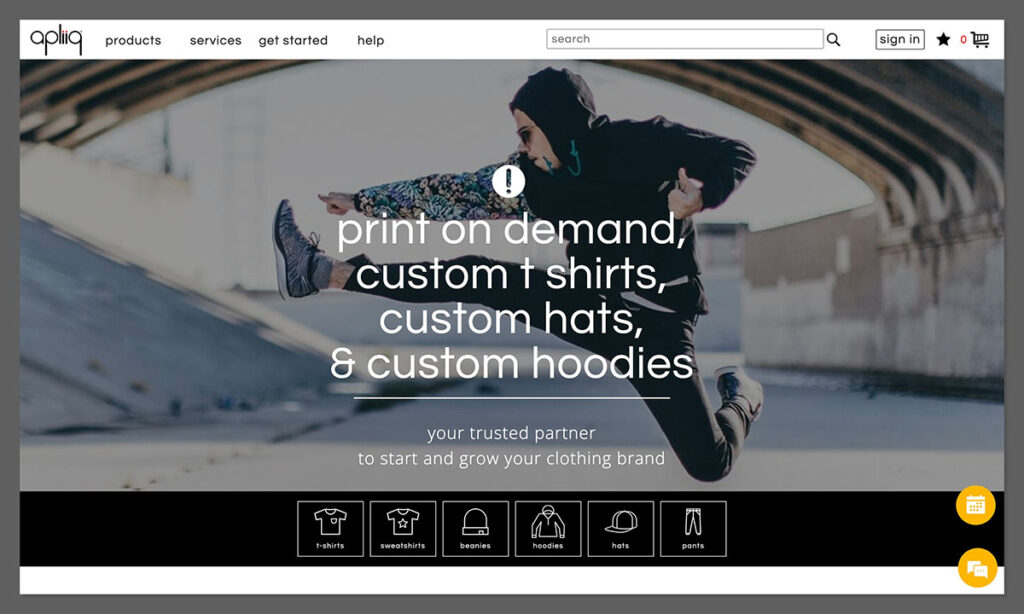
| Apliiq | Private-label fashion | Woven labels at 100-unit MOQ |
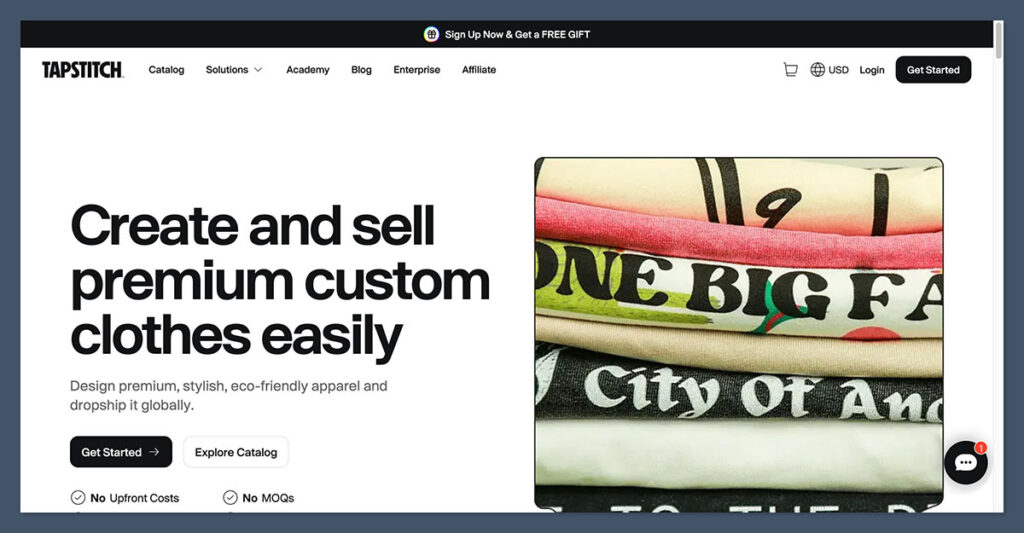
| Tapstitch | Heavyweight streetwear | Exclusive 430 GSM blank availability |
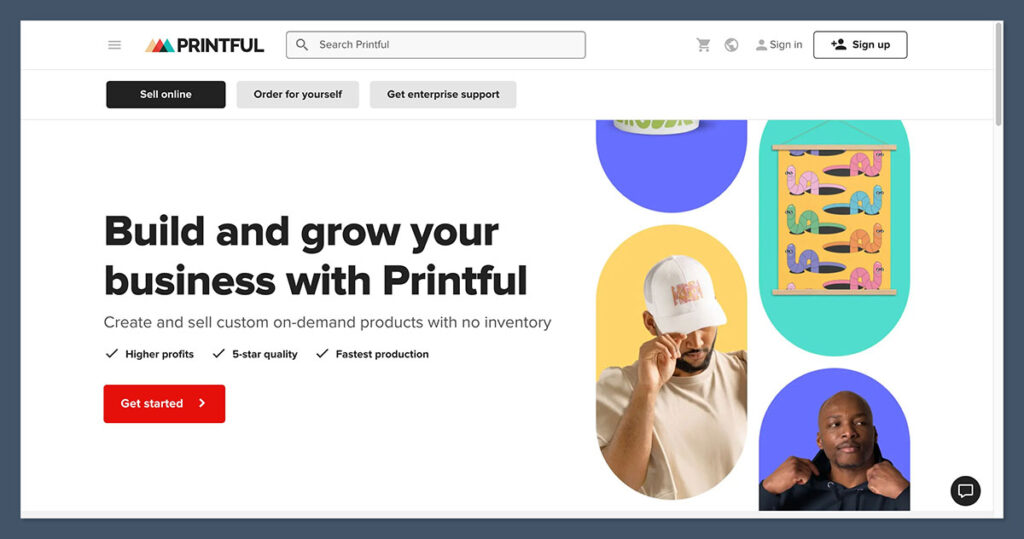
| Printful | Global ecomm operators | Infrastructure and global auto-routing |
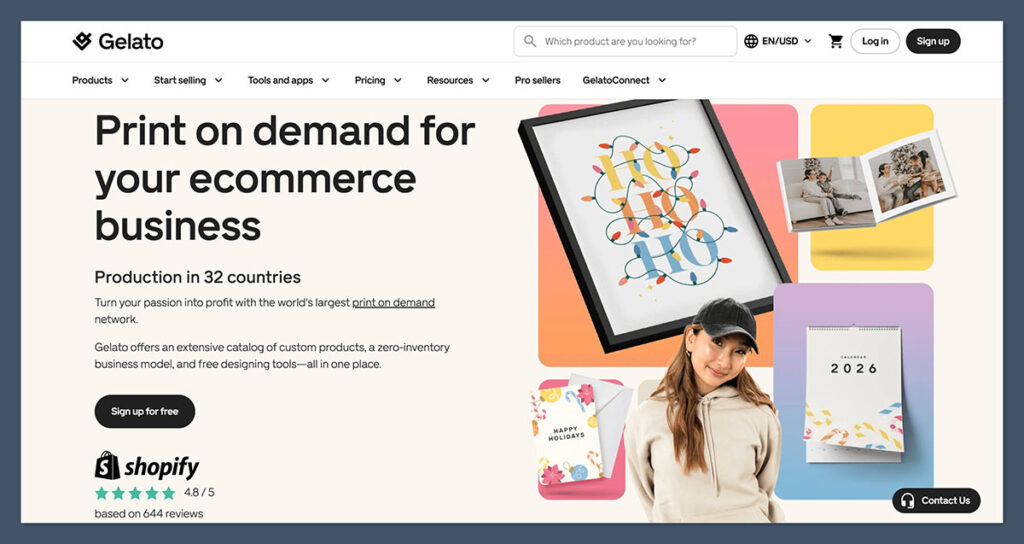
| Gelato | International brands | Local-country fulfillment (90% rate) |
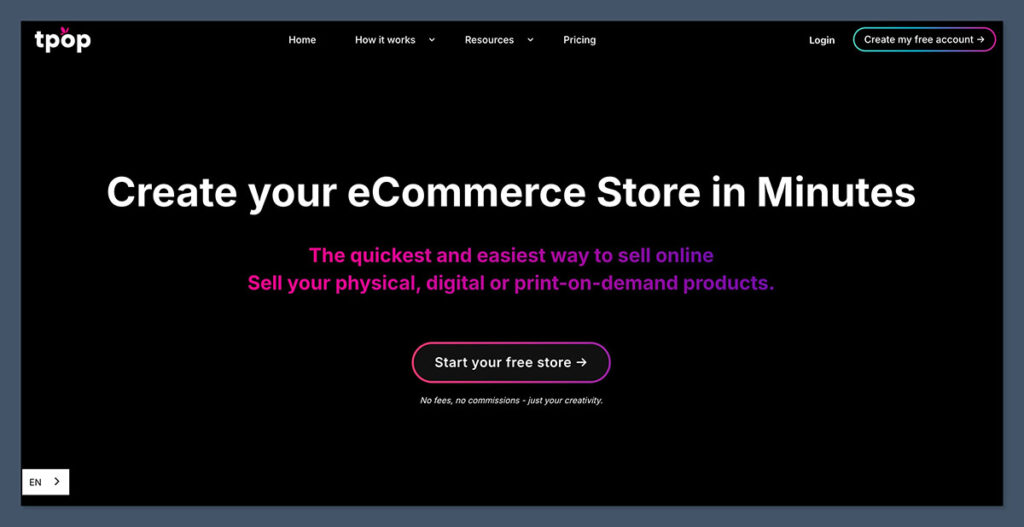
| TPOP | Eco-conscious EU brands | Zero-plastic, sustainable logistics |
| Printify | Margin-disciplined pros | Cost-efficiency via provider locking |
| CustomCat | Rapid US-based embroidery | 1-3 day turnaround times |
Deep Dive: Why Fourthwall Leads the Pack
The Fourthwall pitch is compelling: "Build a brand, not a business." For many creators, the struggle isn’t the design—it’s the sales tax nexus, the customer support tickets at 2:00 AM, and the Shopify app bloat.
Fourthwall’s "Signature" ink coverage addresses the notorious "DTG washout" issue on dark garments, a problem that has plagued the industry for years. By providing a curated roster of premium blanks—AS Colour, Stanley/Stella, and Lane Seven—they ensure that the garment’s hand-feel matches the quality of the design. When you account for the cost of Shopify subscriptions, third-party apps, and tax compliance software, Fourthwall’s base tee cost of ~$11.75 is not only competitive; it is arguably the most cost-effective solution for creators who value their time.
Implications for Brand Identity
The "Premium" label in POD is often misused. For a brand to truly claim this title, it must consider the unboxing experience.
The Woven Label Debate
For many streetwear founders, a printed inside label is a dealbreaker. Apliiq remains the industry standard here. While most factories demand massive MOQs for woven labels, Apliiq’s 100-unit threshold makes it possible for an emerging brand to look like a boutique operation from day one. If your brand identity relies on the tactile feel of a sewn-in label, Apliiq is your primary choice.
The Heavyweight Movement
Streetwear in 2026 is defined by structure. The standard Bella+Canvas 3001 (140 GSM) feels thin compared to the 430 GSM heavyweight tees stocked by Tapstitch. If your customer base is looking for that structured, "boxy" fit, you cannot rely on standard POD providers. Tapstitch’s ability to print high-opacity designs on these heavier fabrics using advanced DTF methods puts them in a unique category.
Sustainability as a USP
TPOP has demonstrated that sustainability is no longer a "nice to have" but a competitive advantage. By centering their entire production around a single, paperless, plastic-free facility in France, they have built a brand story that resonates deeply with the European consumer. For brands that sell values alongside apparel, TPOP provides an authentic narrative that cannot be replicated by larger, more industrial fulfillment centers.
Strategic Recommendations for Founders
As you select your fulfillment partner, keep the following strategic implications in mind:
1. The "Sample-and-Lock" Discipline
Regardless of the platform, the "sample-and-lock" workflow is non-negotiable. If you are using a marketplace-style platform like Printify, you must order samples, identify the specific provider that delivers the best quality, and "lock" your orders to that facility. Failure to do so will result in inconsistent product quality, which is the fastest way to churn customers.
2. Transitioning to Bulk
The ultimate goal for any successful brand should be the transition from POD to bulk manufacturing. Once a SKU hits 100+ units per month, the per-unit cost reduction—often 40-60%—is too significant to ignore. The key to a successful transition is parity: your bulk manufacturer must match your POD recipe (blank, print method, label) so that your customers experience zero friction during the switch.
3. The Math of Margin
When pricing your products, do not let "base cost" dictate your strategy. If you are using premium branding—woven labels, custom polybags, and hangtags—your costs will rise. However, these additions allow you to shift your retail price point from $25 to $45-$65. The premium branding isn’t just an expense; it is a vehicle for higher margins and increased brand equity.
Final Verdict
The "best" platform depends entirely on your operational goals:
- If you are a creator with an audience and want to focus on content rather than logistics, choose Fourthwall.
- If you are a fashion startup where the branding (labels, tags) is the product, choose Apliiq.
- If you are a streetwear label obsessed with the silhouette and fabric weight, choose Tapstitch.
- If you are a global e-commerce operator with established shipping volume, stick with the infrastructure of Printful.
In 2026, the technology is no longer the excuse for a low-quality product. With the right choice of platform and a disciplined approach to sampling, any founder can produce retail-ready apparel that competes with established fashion labels.
 Dwi Wanna
  Lina Irawan
  Basiran