
 By Sagoh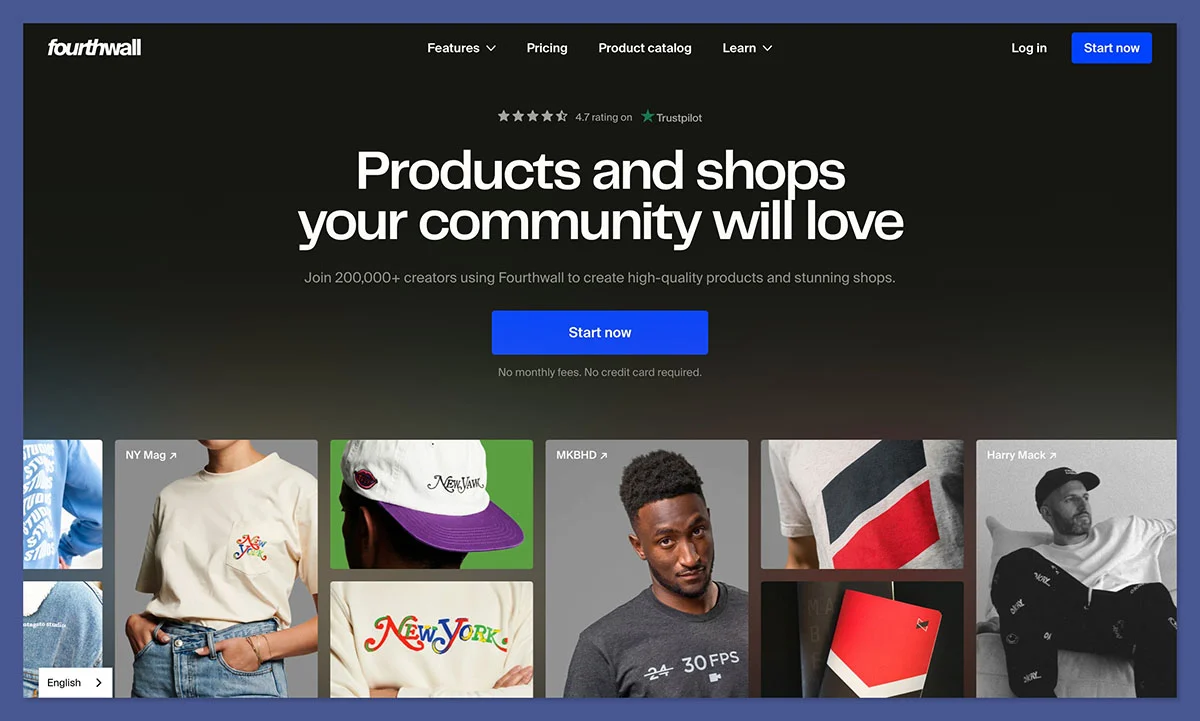
In the modern fashion landscape, the barrier to entry for launching a streetwear brand has effectively vanished. However, the barrier to success has never been higher. Today’s consumers are discerning; they can identify a cheap, thin blank from across the room. The era of "print-on-demand" (POD) being synonymous with low-quality, flimsy apparel is coming to an end.
After conducting over 80 hours of rigorous testing across 15 different print-on-demand providers, I have identified the nine platforms that bridge the gap between "dropshipping side-hustle" and "legitimate retail brand." For a streetwear line to thrive in 2026, it must prioritize three non-negotiables: heavyweight blanks (240+ GSM for tees, 380+ GSM for hoodies), a robust branding stack (woven labels, custom packaging, and neck tags), and operational reliability.
The Chronology of Modern Merchandising
The evolution of the POD industry has been rapid. In 2018, the model was straightforward: a Shopify storefront fueled by Facebook ads, pushing basic Bella+Canvas tees. By 2023, the focus shifted to operational integration. Today, we have entered the "Creator-First" era. Brands no longer launch on a standalone website; they launch on TikTok Shop, YouTube Merch Shelves, and Twitch.
The platforms that have survived this shift are those that moved beyond simple printing and into full-service logistics. The shift from "selling a product" to "building a brand" is the defining narrative of the current streetwear market.
Supporting Data: The Streetwear Benchmark
To compete with established retail, your garment specs must meet industry standards. Below is the data-driven framework for selecting your provider:
| Platform | Best For | Starting Tee Price | Key Selling Point |
|---|---|---|---|
| Fourthwall | Creator-led brands | $13.25 | Merchant of Record/Tax Handling |
| Apliiq | Private-label enthusiasts | $9.84 | Woven label integration |
| Tapstitch | Oversized/Heavyweight | $10.95 | 250 GSM snow-washed blanks |
| Printful | Multi-channel scaling | $12.75 | 22+ Marketplace Integrations |
| Printify | Cost-conscious ops | $6.31 | 80+ supplier network |
| NovaTomato | All-over-print (AOP) | $26.50 | Edge-to-edge sublimation |
| Contrado | Luxury/High-end | $38.00 | 1-3 day turnaround |
| Gelato | International logistics | Varies | Local-routing fulfillment |
| Shirtee | EU-market dominance | $8.00 | Returns management suite |
Deep Dive: The Top Contenders
1. Fourthwall: The Operational Powerhouse
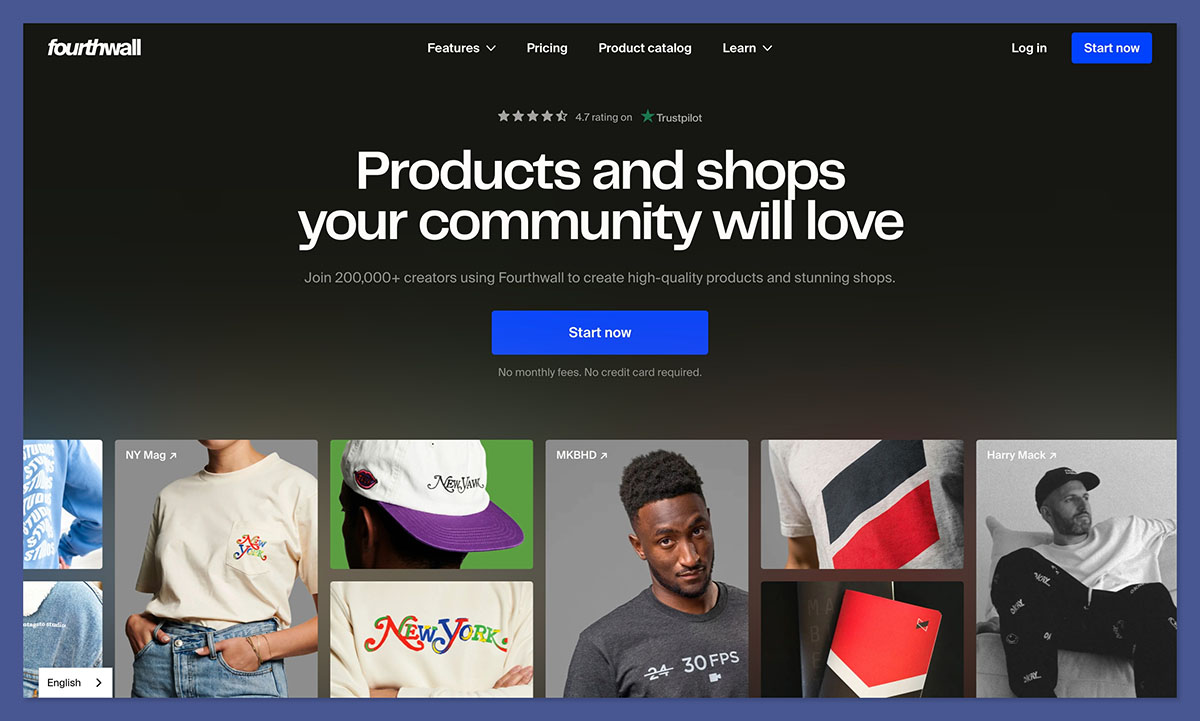
Fourthwall is currently the most significant disruptor in the space. Unlike its competitors, Fourthwall acts as the Merchant of Record. This is a massive implication for founders: they handle all global sales tax, VAT, and GST, effectively removing the administrative nightmare of international compliance.
Beyond taxes, they manage the customer support lifecycle. When a customer has an issue with a shipment, they contact Fourthwall, not you. With native integrations for TikTok Shop and YouTube, it is the only platform built for the way creators operate in 2026. While they lack woven sewn-in labels, the trade-off in operational peace of mind is unmatched.
2. Apliiq: The Branding Specialist
If your brand identity hinges on the tactile experience—the "feel" of the garment—Apliiq is the gold standard. They are the only provider that offers true sewn-in woven labels, a feature that separates a custom brand from a generic print. They also excel in embroidery, offering 3D puff and chain-stitch options that define the "streetwear aesthetic."
3. Tapstitch: The Heavyweight Specialist
Tapstitch is the "hidden gem" of the industry. While most platforms push lightweight ringspun cotton, Tapstitch focuses on 250 GSM blanks. Their apparel is built for the oversized, boxy silhouette currently dominating the market. Their 380 GSM hoodies provide the substantial, high-quality weight that modern consumers expect from a premium price point.
Official Industry Stances & Operational Implications
The consensus among industry experts is clear: do not treat all POD providers as equals. The "Printify Model"—a massive network of disparate suppliers—offers the lowest price but introduces the highest risk of quality inconsistency. As noted in industry forums, "crooked prints and undercured ink" are risks when using unvetted providers.
The Margin Reality
Streetwear founders must balance premium blanks with realistic margins. A typical heavyweight hoodie from a premium provider like Apliiq costs roughly $20.74 to produce. With custom labeling, printing, and shipping, your total landed cost will hover around $35. Selling at a retail price of $75 results in a 53% margin—a healthy figure that allows for reinvestment into marketing and design.
The Fabric Constraint
A critical technical warning for new brands: do not attempt all-over-print (AOP) on 100% cotton. Sublimation, the process used for edge-to-edge printing, requires polyester-heavy fabrics. Attempting to force a graphic-heavy streetwear design onto the wrong fabric will result in wasted samples and failed launches. Always align your design intent with the print method (DTG/Screen printing for cotton; Sublimation for polyester).
Strategic Implications for Founders
The decision of which platform to use should be driven by your distribution channel:
- If your traffic comes from social media (TikTok/YouTube): Use Fourthwall. The native integration and tax management will save you hundreds of hours in operational overhead.
- If you are building a high-fashion, high-margin brand: Use Apliiq. The woven labels and embroidery options provide the professional finish required for high price points.
- If you are targeting a global audience: Use Gelato. Their routing model significantly reduces international shipping times, ensuring a consistent customer experience regardless of geography.
- If you are scaling on Amazon or eBay: Use Printful or Shirtee. These platforms offer the robust marketplace integrations necessary to handle high-volume, multi-platform inventory syncing.
Final Verdict: The Bottom Line
Building a streetwear brand in 2026 is no longer about finding the "cheapest" print. It is about finding the right partner to handle the logistics so you can focus on the aesthetic.
Avoid Printify unless you have the time and budget to sample-test multiple providers within their network. Avoid Contrado unless your target retail price exceeds $200 per unit, as their base costs will erode your margins otherwise.
Ultimately, your platform choice should reflect your brand’s maturity. If you are just starting, focus on Tapstitch for the quality of the blanks. If you are ready to scale and need to remove the operational burden, move your operations to Fourthwall. The era of the "low-effort" POD store is over; welcome to the era of the high-quality, creator-led streetwear brand.
 Dwi Wanna
  Lina Irawan
  Basiran