
 By Muslim
The dropshipping landscape, once defined by the "race to the bottom" regarding pricing and cheap sourcing, is undergoing a seismic shift. As the global dropshipping market hurtles toward a projected valuation exceeding $1.2 trillion by 2030, the barrier to entry has shifted from mere existence to strategic differentiation. Today, success is no longer about simply listing a product at a lower price than your competitor; it is about logistics, brand identity, and the agility to adapt to market demands.
For entrepreneurs looking to enter or scale within this space, the choice of a fulfillment partner has become the most critical decision in their operational roadmap. Two major players, dropXL and Zendrop, currently dominate the conversation. While both platforms facilitate the movement of goods from supplier to consumer, they represent two fundamentally different philosophies of e-commerce.
The State of the Market: Beyond Cheap Sourcing
In the current e-commerce climate, the traditional dropshipping model—importing low-quality goods with thin margins—is facing headwinds. Modern consumers demand speed, transparency, and product reliability. If a store cannot provide fast shipping, responsive customer service, or a unique product value proposition, it is unlikely to survive the current competitive churn.
The shift toward higher-quality, reliable suppliers has forced a migration away from unvetted marketplaces toward integrated ecosystems like dropXL and Zendrop. These platforms act as the backbone of modern retail, handling the complexities of inventory management, order fulfillment, and, in some cases, the creative processes required to market those products.
Chronology: How These Platforms Evolved
The evolution of these platforms mirrors the maturation of the e-commerce industry:
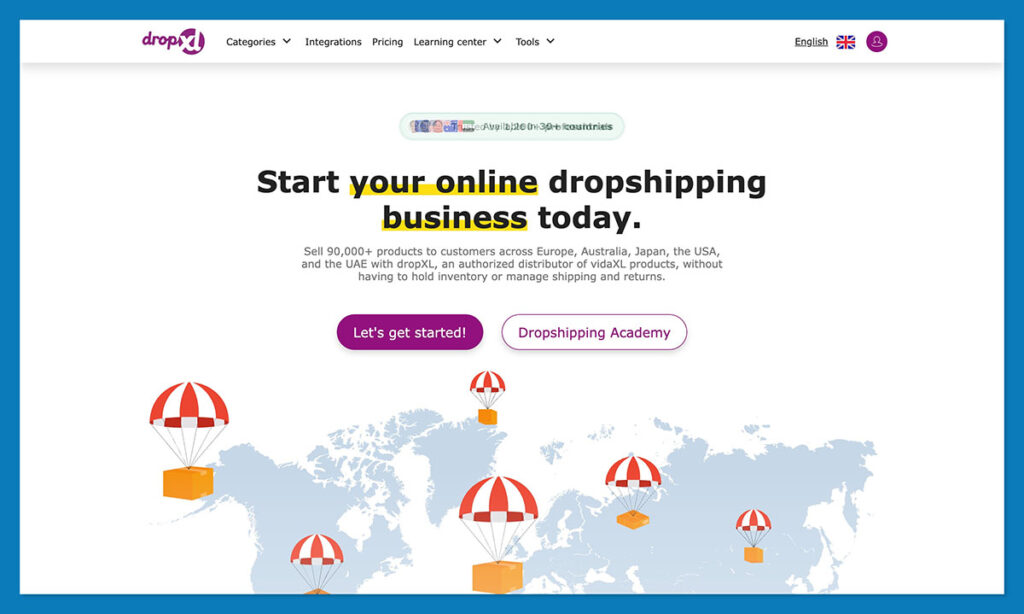
- The Early Phase (Supplier-Centric): Initially, dropshipping was primarily about access. Suppliers like vidaXL (the foundation for dropXL) recognized that their massive catalog of home and garden goods needed a more efficient, digital-first distribution channel. dropXL was born to bridge the gap between heavy-duty logistics and lean digital storefronts.
- The Growth Phase (Tool-Centric): As the market grew, "all-in-one" platforms like Zendrop emerged. They recognized that suppliers weren’t enough; sellers needed marketing assistance, AI integration, and educational resources to navigate the complexities of paid advertising and brand building.
- The Modern Integration Era: Today, we see a focus on deep integrations (Shopify, TikTok Shop, ClickFunnels) and AI-driven automation. Both platforms have pivoted to ensure that their services are not just about "shipping," but about providing a cohesive infrastructure for the modern entrepreneur.
Supporting Data: Feature Comparison at a Glance
Choosing between these two depends largely on whether you view yourself as a niche specialist or an experimental brand builder.
| Feature | dropXL | Zendrop |
|---|---|---|
| Catalog Size | 90,000+ vidaXL products | 1,000,000+ items |
| Primary Niche | Furniture, Garden, Home, Pet | Beauty, Tech, Apparel, POD |
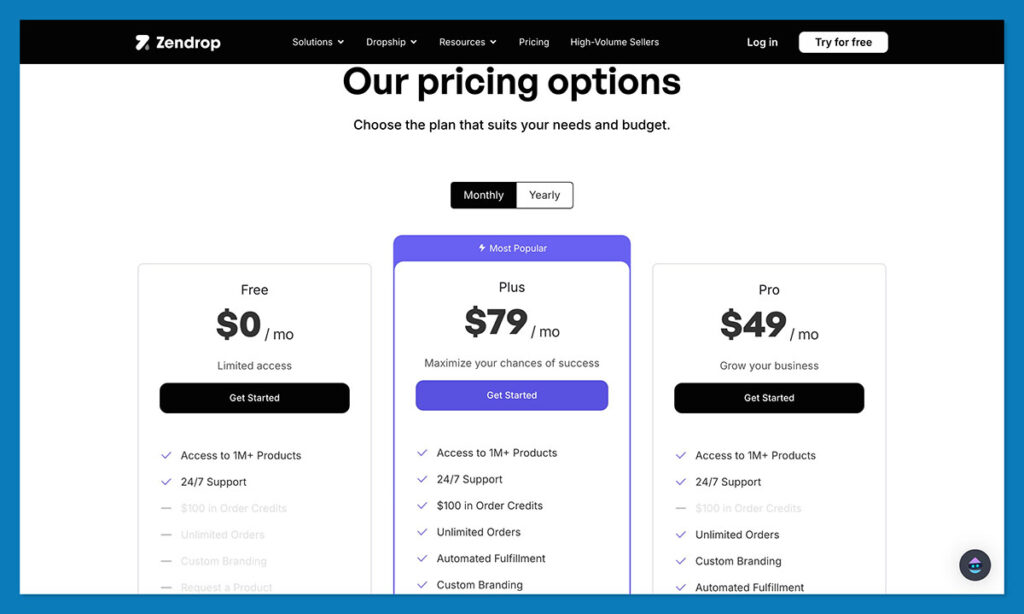
| Pricing | €30/month (Fixed) | Free / $49 / $79 tiers |
| Shipping | Localized (EU, USA, AU, etc.) | Global Fulfillment/3PL |
| Returns | Managed by Supplier | Self-managed |
| Tech Focus | API & Data Feeds | AI Ads, Stores, & Coaching |
Deep Dive: dropXL – The Precision Specialist
dropXL is designed for the seller who knows their audience. By leveraging the vast, high-quality inventory of vidaXL, it provides a "set-and-forget" infrastructure for sellers focused on home, garden, and lifestyle goods.
The Strategic Advantage
The primary strength of dropXL is its focus on logistics for "difficult" items. Shipping large furniture, storage cabinets, or heavy outdoor equipment requires a sophisticated, localized warehouse network. dropXL maintains facilities across the USA, Europe, Australia, Japan, and the UAE. This allows for significantly faster shipping times compared to traditional cross-border dropshipping, which is a major trust-builder for customers purchasing high-ticket items.
Operational Transparency
dropXL removes the guesswork by providing real-time data feeds. With hourly inventory updates and daily pricing adjustments, you are unlikely to sell an out-of-stock item or face a pricing discrepancy. The inclusion of return handling is a rare and highly valuable feature that sets it apart from more generalized platforms.
Deep Dive: Zendrop – The Experimental Growth Engine
Zendrop operates as a comprehensive growth partner. It is less of a "supplier" and more of a "business accelerator." For the entrepreneur who is still testing product-market fit, Zendrop offers an environment where you can pivot quickly.
AI-Driven Innovation
Zendrop has leaned heavily into the AI revolution. Features such as AI-built store templates, AI-generated video ads, and AI-driven product discovery allow a user to go from "zero to hero" in a matter of days. If you are uncertain whether a particular beauty product or a new tech gadget will resonate, Zendrop’s tools allow you to test that theory with minimal friction.
The Educational Ecosystem
Beyond the hardware of fulfillment, Zendrop provides the software of education. Through its Academy, workshops, and coaching, it helps novices avoid the common pitfalls of the industry. The ability to utilize Print-on-Demand (POD) in tandem with traditional inventory creates a hybrid model that can significantly boost brand identity and customer loyalty.
Official Perspectives and Market Implications
Industry experts often argue that the "best" platform is the one that minimizes your specific operational friction.
For the dropXL user, the friction is usually related to marketing and customer acquisition. Because the product catalog is fixed (vidaXL), the seller must be an expert in home and garden marketing. The implication here is that dropXL is for the marketer who needs a reliable product backbone.
For the Zendrop user, the friction is often related to "analysis paralysis." With over a million products, the challenge is choosing the right one. Zendrop’s implication is that it provides the tools (coaching, AI discovery) to solve that paralysis, effectively turning the platform into a partner in your business strategy.
Critical Analysis: Which Path Should You Choose?
Choose dropXL if:
- You have a defined niche: You want to build a brand around home improvement, outdoor living, or pet furniture.
- You prioritize high-quality logistics: You are selling heavy or bulky items and cannot afford the risk of poor shipping performance.
- You prefer a predictable cost structure: You want a flat monthly fee without the complexity of upgrading plans as you scale.
- Returns are a priority: You want a partner who will handle the headaches of customer returns, preserving your reputation.
Choose Zendrop if:
- You are in the "testing" phase: You haven’t decided on a niche and want to experiment with beauty, electronics, apparel, and more.
- You are a solo founder needing a tech stack: You need AI assistance to build your storefront and create your ad creatives.
- You value scalability in features: You want to start on a free plan and only pay for advanced features (like POD or dedicated coaching) once your revenue justifies the expense.
- You want a community: You benefit from live coaching and active educational resources.
The Verdict: Long-Term Sustainability
The dropshipping industry is no longer a "get rich quick" scheme; it is a legitimate arm of global retail. The decision between dropXL and Zendrop represents a choice between two valid strategies: Vertical Integration versus Horizontal Agility.
If you look at the successful brands emerging in 2025 and beyond, they are characterized by strong brand voice and seamless logistics. dropXL offers the backend stability required for a brand that prioritizes long-term customer relationships through high-quality physical goods. Zendrop offers the experimental agility required for a brand that thrives on trends, social media virality, and quick-to-market testing.
Ultimately, your choice should be dictated by your end goal. If you are aiming to be the premier online destination for high-end garden furniture, your infrastructure must be as sturdy as your products—leading you to dropXL. If you are aiming to build a dynamic, trend-focused e-commerce empire that leverages the latest in AI and diverse product testing, your infrastructure must be as fluid as the market itself—leading you to Zendrop.
As the industry moves toward its $1.2 trillion goal, the winners will not necessarily be the ones with the largest catalogs, but the ones who utilize their chosen platform to create an experience that the modern, discerning consumer finds both reliable and compelling.
 Dwi Wanna
  Lina Irawan
  Basiran