
 By rifanmuazin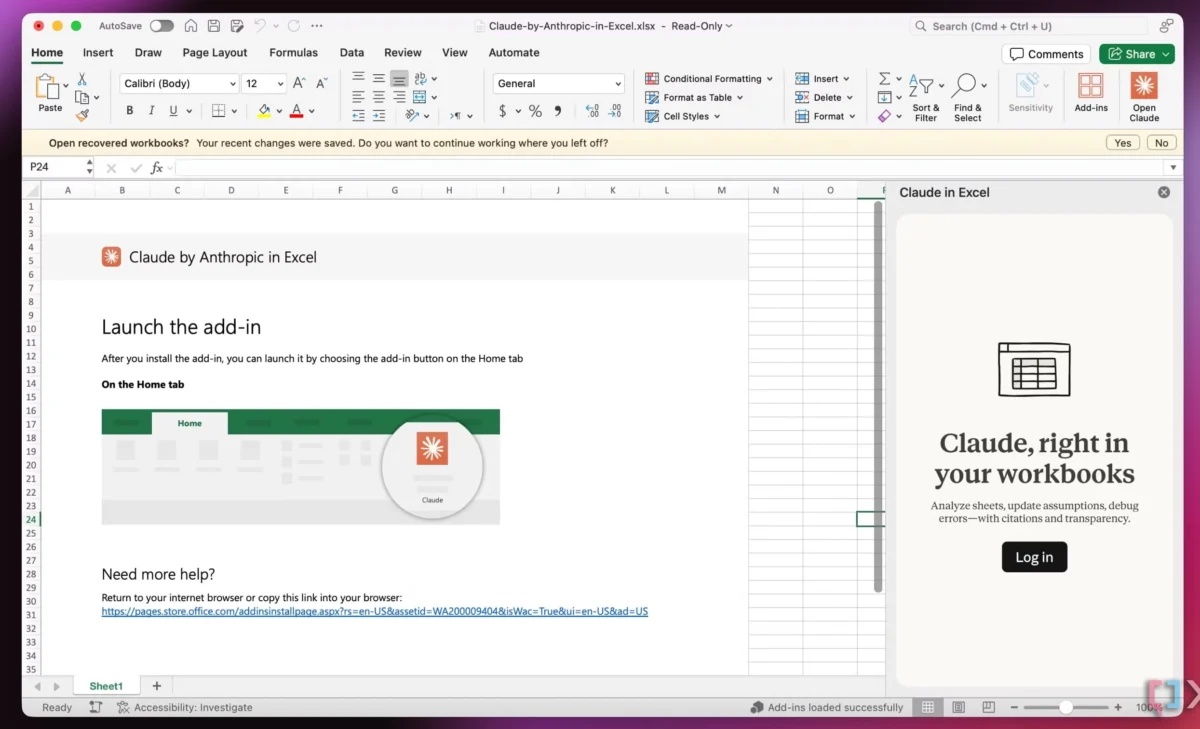
In the frantic gold rush of the generative AI era, the tech industry has operated under a persistent, if flawed, mantra: "Build it, and they will prompt." Since the public debut of ChatGPT in late 2022, the market has been flooded with thousands of standalone AI applications, each promising to revolutionize everything from email drafting to architectural design. However, as the initial novelty wears off, a sobering reality is emerging for developers and UX designers alike. Users are not looking for more tools to manage; they are looking for their existing tools to work smarter.
The current paradigm shift, often referred to as the move toward "Quiet AI" or "Seamless Integration," suggests that the most successful AI implementations will not be those that demand a new tab in a browser or a new command-line interface. Instead, the future belongs to features that align with established mental models, operating quietly in the background to solve high-frequency, high-frustration problems without disrupting the user’s flow.
Main Facts: The Shift from "AI-First" to "User-First" Integration
The central tension in modern software design lies between "AI-first" products and "Quiet AI" integrations. AI-first products often prioritize the capabilities of the Large Language Model (LLM) above the user’s existing habits. These tools frequently require users to learn "prompt engineering" or navigate complex chat interfaces that exist in isolation from the actual work being performed.
In contrast, "Quiet AI" represents a philosophy where artificial intelligence is a silent partner. According to Vitaly Friedman, founder of Smashing Magazine and creator of the "Design Patterns for AI Interfaces" course, the value of AI is not found in the "shiny new workflow" but in its ability to address three specific criteria:
- High Severity: Solving problems that are critical to the user’s success.
- High Frequency: Automating tasks that occur daily or hourly.
- High Frustration: Eliminating the "drudge work" that leads to cognitive burnout.
A prime example of this is the recent integration of Anthropic’s Claude into Microsoft Excel. Rather than requiring a user to copy-paste data into a separate browser window, the AI sits within the spreadsheet environment. It understands the context of rows and columns, allowing for data cleaning, sentiment analysis, or trend forecasting without the user ever leaving their document. This is the essence of seamless integration: it respects the user’s mental model of "the spreadsheet" while enhancing its utility.
Chronology: The Evolution of the AI Interface
To understand where we are going, we must look at the rapid evolution of how humans have interacted with AI over the last two years.
The Era of the Standalone Bot (Late 2022 – Mid 2023)
This period was defined by the "Chat Box." Users flocked to ChatGPT, Claude, and Bard (now Gemini) to experiment with what LLMs could do. The interface was a blank slate. While powerful, it created a massive "context gap." To get work done, a user had to copy data from their source (an email, a PDF, a codebase), paste it into the chat, receive an output, and then paste it back into their work environment.
The Copilot Expansion (Late 2023 – Early 2024)
Recognizing the friction of the context gap, tech giants began embedding "Copilots" into their ecosystems. Microsoft 365 Copilot and Google Workspace AI brought the chat interface into the sidebar of Word, Docs, and Gmail. While an improvement, many of these implementations were still "AI-first"—they often felt like a small version of the standalone bot squeezed into a sidebar, still requiring explicit prompting and manual intervention.
The Rise of Quiet AI and System-Level Integration (Mid 2024 – Present)
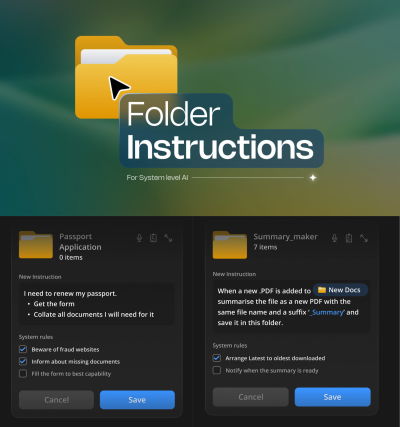
We are currently entering a third phase where the AI is becoming invisible. Instead of a sidebar, AI is being integrated into the core architecture of operating systems and file managers. This is evidenced by concepts like "Folder Instructions," where the AI isn’t a person you talk to, but a set of rules applied to a digital space. This phase focuses on "ambient" assistance rather than "active" conversation.
Supporting Data: The Psychology of Mental Models and Cognitive Load
The push for seamless integration is rooted in established UX principles. Human-Computer Interaction (HCI) research has long shown that "context switching"—the act of jumping between different applications or mental tasks—comes with a heavy cognitive tax. Studies suggest it can take several minutes to regain full focus after a distraction.
The Power of Established Mental Models
Users have spent decades mastering certain digital metaphors: the folder, the file, the desktop, and the spreadsheet. When a new tool forces a user to abandon these metaphors in favor of a "chat-based workflow," it increases the learning curve and the potential for error.
The concept of Folder Instructions, popularized by designer Karthikeya GS, leverages the existing mental model of file organization. In this model, a user doesn’t "talk" to an AI to organize their files. Instead, they right-click a folder and assign it an "intent." For example:
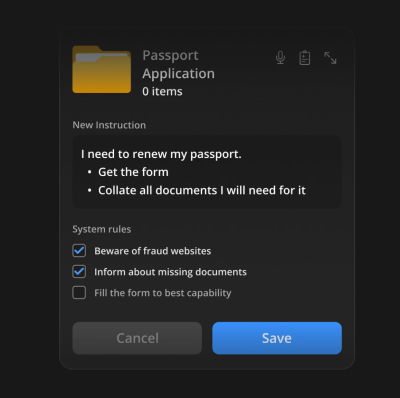
- A "Tax 2024" Folder: The user sets an instruction: "Whenever a PDF is dropped here, rename it to [Date][Vendor][Amount] and add it to the ‘Expenses’ spreadsheet."
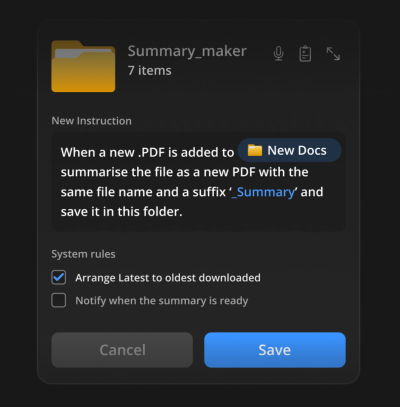
- A "Research" Folder: The instruction might be: "Generate a 200-word summary of every document added here and place it in a sub-folder called ‘Summaries’."
By scoping the AI’s permissions and actions to a specific folder on the user’s local machine, the system provides value without requiring the user to learn a new interface. It reduces the "friction of intent."
Official Responses and Industry Context
The industry’s heavy hitters are beginning to acknowledge that "AI-first" may have been a premature strategy. In recent developer conferences, the narrative has shifted toward "Agentic Workflows."
- Microsoft and Anthropic: The integration of Claude into the Excel Pro plans is a tacit admission that users are more productive when the AI comes to them, rather than the other way around. Microsoft’s focus on "Recall" (despite privacy controversies) shows an interest in system-level AI that understands the user’s entire history rather than just a single prompt.
- Apple Intelligence: Apple’s approach to AI is perhaps the most prominent example of "Quiet AI." By integrating "Writing Tools" and "Image Wand" directly into the system-level menu, Apple ensures that AI is available in any app—whether it’s a third-party text editor or the native Mail app. Apple is betting that users don’t want an "AI app"; they want their iPhone to be an "AI-powered device."
- Design Educators: Vitaly Friedman’s new course, Design Patterns for AI Interfaces, specifically targets this shift. Friedman argues that the "UX of AI" is currently in its "awkward teenage years" and that the industry must move toward patterns that reduce the burden of installing and learning yet another tool.
Implications: The Death of the "General Purpose" Chatbot?
The move toward seamless integration has profound implications for the future of software development and the job market.
1. The Decline of "Prompt Engineering"
As AI becomes more integrated and "quiet," the need for complex prompting diminishes. If an AI is built into a folder with a specific instruction, the "prompt" is written once by the user (or provided as a template by the developer) and executed thousands of times automatically. The goal of good UX is to make prompting unnecessary.
2. Privacy and Local-First AI
Seamless integration, particularly at the folder or OS level, raises significant privacy concerns. However, it also offers a solution. By keeping AI actions "locally scoped"—meaning the AI only looks at the specific folder it is told to—developers can build trust. Users are more likely to adopt AI if they know it isn’t scanning their entire hard drive to feed a cloud-based model.
3. The Shift in Product Design
For product designers, the challenge is no longer "Where do we put the chatbot?" but "How can we make this feature feel like it was always there?" This requires a deep understanding of the user’s existing workflow. Designers must identify the "micro-frustrations"—the renaming of files, the summarization of emails, the formatting of data—and apply AI as a surgical tool rather than a blunt instrument.

4. Value Delivery Speed
The ultimate benefit of seamless integration is the speed of value delivery. When a feature is integrated into an existing tool, the "time to value" is near zero. The user doesn’t have to sign up for a new service, enter credit card details, or import data. They simply use the tool they already know, but find that it has suddenly become more capable.
Conclusion
The "shiny object" phase of artificial intelligence is drawing to a close. While standalone AI tools will always have a place for creative exploration and complex problem-solving, the mass market is moving toward a more integrated, invisible future. Users do not want to "do AI"; they want to get their work done.
As we look toward the next generation of software, the winners will not be the companies that build the most powerful LLMs, but those that design the most invisible ones. By respecting mental models and focusing on high-frequency frustrations, developers can move past the hype and deliver the "Quiet AI" that users actually need. As the saying goes in design: the best interface is no interface at all. In the world of AI, the best tool is the one you didn’t even realize you were using.
 Nana Wu
  Nana
Nana 