
 By Muslim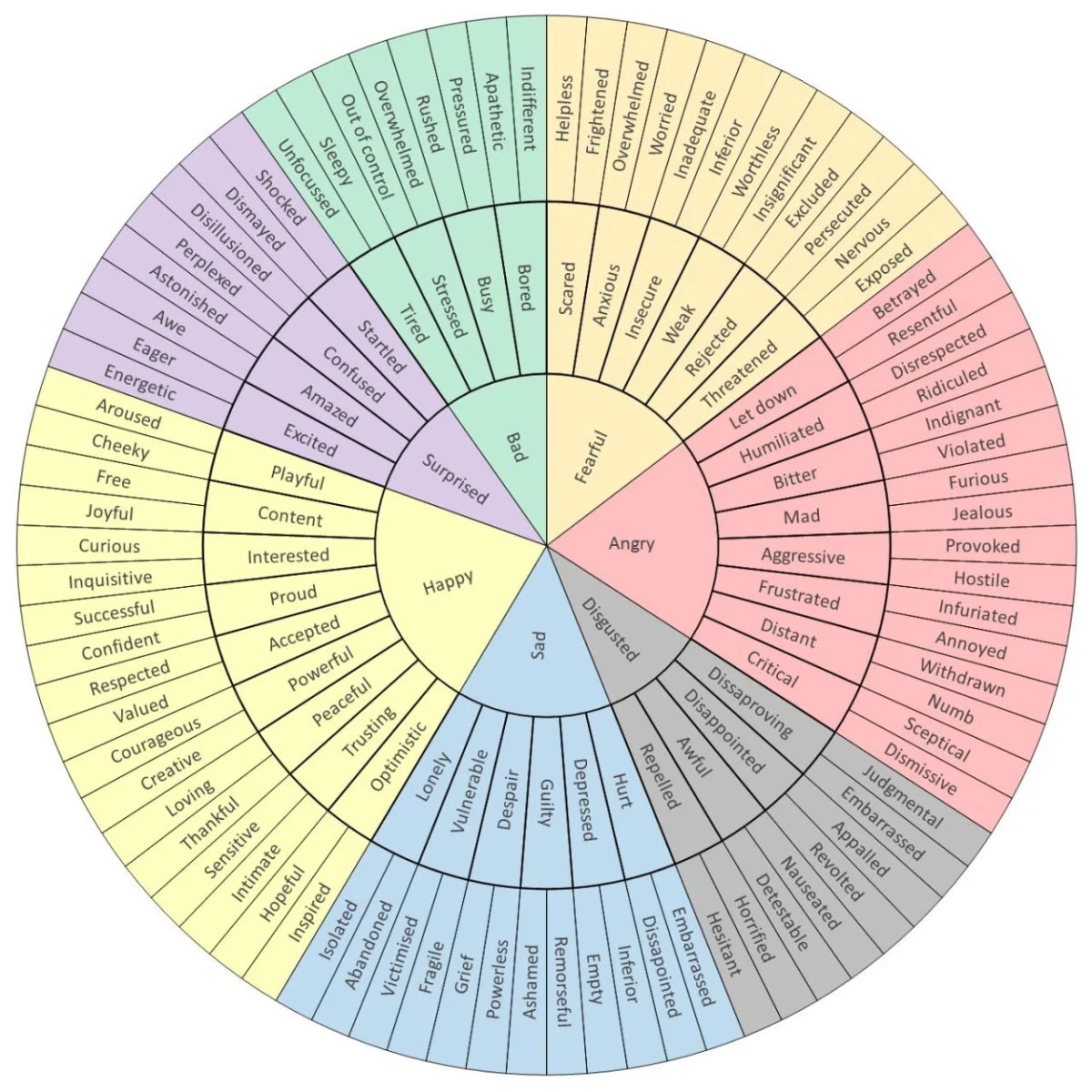
In the modern digital economy, the chasm between what a company believes its customers want and what those customers actually need has become a multi-billion-dollar blind spot. For decades, organizations have relied on the "ask and receive" model of market research—sending out surveys, conducting focus groups, and tallying Net Promoter Scores (NPS). However, emerging methodologies in User Experience (UX) research suggest that these traditional metrics often capture nothing more than a polished facade.
To truly understand user behavior, designers and product leads are now looking toward a multi-layered approach that distinguishes between what people say, think, feel, and do. As Vitaly Friedman, founder of Smashing Magazine and creator of the "Measuring UX Impact" course, suggests, the most profound insights are rarely found on the surface; they are buried within the "messy and noisy reality" of human psychology.
Main Facts: The Fallacy of the Direct Question
The fundamental crisis in modern UX research is the "Say-Do" gap. Extensive studies in behavioral economics and cognitive psychology have revealed that human beings are remarkably poor at predicting their own future actions or explaining their past motivations. When a user is asked a direct question—"Would you use this feature?" or "Why did you cancel your subscription?"—they do not provide a raw data point. Instead, they provide a curated narrative influenced by social desirability bias, cognitive shortcuts, and a lack of introspective awareness.
Erika Hall, a prominent voice in design research, argues that asking a question directly is often the least effective way to obtain a useful answer. Users frequently apply their own internal contexts to questions, focus on extreme edge cases that rarely occur in reality, and prioritize short-term desires over long-term utility. This creates a landscape where companies build products based on "big hunches" and "big assumptions" rather than empirical evidence.
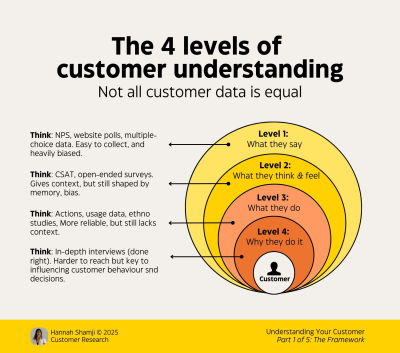
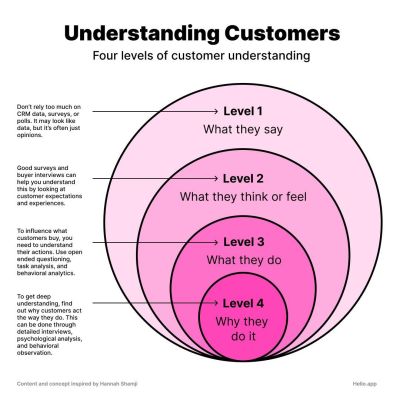
To combat this, the industry is shifting toward the "Four Levels of Customer Understanding," a framework developed by Hannah Shamji. This model suggests that true insight requires triangulation across four distinct planes:
- What they say: The external narrative (often unreliable).
- What they think or feel: The cognitive and emotional state.
- What they do: The actual behavioral data.
- Why they do it: The underlying root cause and motivation.
Chronology: The Evolution of UX Research Methodologies
The journey toward this nuanced understanding has evolved through several distinct phases of industrial and digital design:
The Era of Quantitative Dominance (1990s – Early 2000s)
In the early days of the web, "understanding the customer" was largely a matter of traffic logs and conversion rates. Success was measured by hits and clicks. If a user dropped off a page, it was seen as a technical failure or a lack of interest, with little investigation into the "why."
The Rise of Qualitative Feedback (Mid-2000s – 2015)
As the web became more interactive, companies began to value the "voice of the customer." This led to the explosion of the Net Promoter Score (NPS) and massive annual surveys. However, this era also highlighted the limitations of self-reported data. Companies found that users would "highly recommend" a product in a survey but stop using it a week later.
The Behavioral Pivot (2015 – 2022)
UX professionals began adopting "think-aloud" protocols, asking users to narrate their thought process while navigating a site. While an improvement, researchers soon realized this was disruptive. The act of narrating changed the behavior itself—a psychological phenomenon akin to the Hawthorne Effect. Users became more self-conscious and less "natural" in their interactions.
The Current Diagnostic Era (2023 – Present)
Today, the focus has shifted from "validation" to "diagnosis." Modern researchers, such as those highlighted by Vitaly Friedman and Nikki Anderson, advocate for non-intrusive observation. Instead of asking users to speak, researchers watch mouse movements, scroll depths, and hesitation patterns. The goal is no longer to "validate" a design (which implies looking for confirmation) but to "research" it (which implies looking for truth).
Supporting Data: The Nuance of Language and Emotion
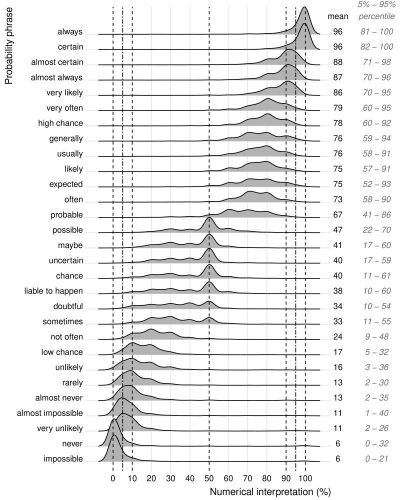
The unreliability of verbal feedback is best illustrated by the ambiguity of language. A study on Dutch verbal probability terms, cited by Thomas D’hooge, found that words like "possible," "likely," and "probable" have wildly different numerical interpretations depending on the individual. One user might hear "possible" and think of a 20% chance, while another assumes 50%. Relying on these verbal nuances to drive product roadmaps is, therefore, a high-risk strategy.
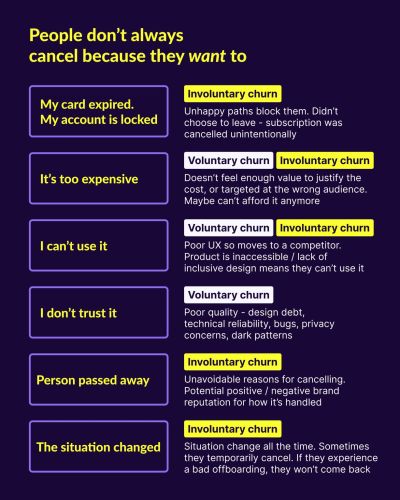
Furthermore, data regarding customer churn reveals that the "obvious reasons" for a user leaving are rarely the full story. Research by Emily Anderson categorizes churn into voluntary and involuntary segments. While a user might say they canceled a subscription because of the "price," behavioral data often shows they stopped logging in weeks prior because of a navigation friction point. The price was simply the final excuse for an exit that began with a poor user experience.
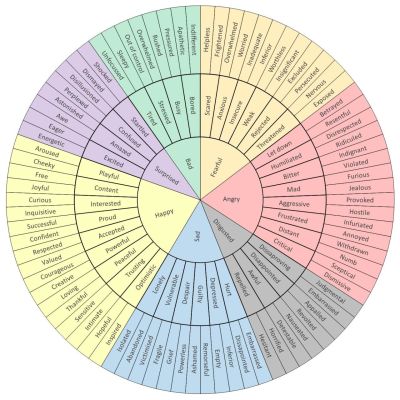
To quantify the emotional layer, researchers are increasingly utilizing tools like the "Emotion Wheel" by Geoffrey Roberts. By moving beyond binary descriptions like "good" or "bad," and identifying specific sentiments—such as "frustrated," "overwhelmed," or "confident"—designers can map the emotional journey of a user with surgical precision.
Official Responses: Expert Perspectives on the Empathy Debate
The shift toward deep psychological understanding has sparked a debate among industry leaders regarding the role of empathy in design.
The Pro-Empathy Stance:
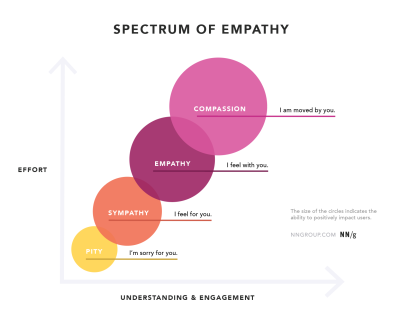
Sarah Gibbons of the Nielsen Norman Group argues for a progression from sympathy to empathy and, ultimately, to compassion. In this view, understanding a user’s pain is not enough; a designer must "feel" the frustration of a broken checkout process to be sufficiently motivated to fix it. This human-centric approach views emotional signals as vital data points for product health.
The Pragmatic Critique:
Conversely, critics like Alin Buda argue that the "empathy" narrative has gone too far. Buda posits that "our job is to make sense of the mess and solve it, not to emote." He argues that a flawed belief exists where designers feel they must emotionally absorb a user’s experience to build a great product. From this perspective, excessive empathy can lead to bias, whereas objective diagnosis leads to better engineering.
The Harm Mitigation Perspective:
Indi Young adds a layer of ethical responsibility to the conversation. She suggests that different design solutions can cause varying levels of harm—ranging from mild annoyance to systemic exclusion. For Young, understanding the user isn’t just about making a "delightful" app; it’s about identifying potential harms that a user might not even be able to articulate themselves.
Implications: The Future of Product Development
The transition from "asking" to "observing" has profound implications for how businesses allocate resources and measure success.
1. The Death of "Validation"
The term "validation" is increasingly being viewed as a red flag in professional UX circles. Validation seeks to prove that an existing idea is right, which naturally invites confirmation bias. The future belongs to "diagnostic research," where the goal is to uncover what is wrong, even if it contradicts the CEO’s favorite feature.
2. The Democratization of User Struggles
To make an impact, user insights cannot remain trapped in a researcher’s PDF report. Companies are now implementing "customer struggle" visibility initiatives. This includes:
- Video Highlights: Sharing 30-second clips of users struggling with a specific button in company-wide Slack channels.
- The "Wall of Pain": A physical or digital space where the most common user frustrations are displayed for engineers and marketers to see daily.
- Mirroring Techniques: Training support staff to repeat user complaints back to them to uncover deeper layers of context.
3. Cost Reduction through Triangulation
By reconciling conflicting data—such as high NPS scores paired with low retention—companies can avoid "expensive hunches." Triangulating across Hannah Shamji’s four levels allows organizations to identify the "root cause" of behavior. If a user says they want a comparison table but actually uses a search filter to achieve the same goal, the company saves the development cost of a feature that would have gone unused.
4. Moving Toward Compassionate Problem-Solving
Ultimately, the enrichment of UX research leads to products that are not just functional, but resonant. By understanding the "hidden motivations" and the "messy reality" of human life, companies can build relationships based on trust rather than transaction. As Vitaly Friedman concludes, without this deep-level research, every business decision is merely a gamble—and in a competitive market, those gambles are becoming increasingly expensive.
In a world where everyone is "listening" to the customer, the winners will be those who have learned how to truly see them.
 Nana Wu
  Nana
Nana 