
 By Dwi Wanna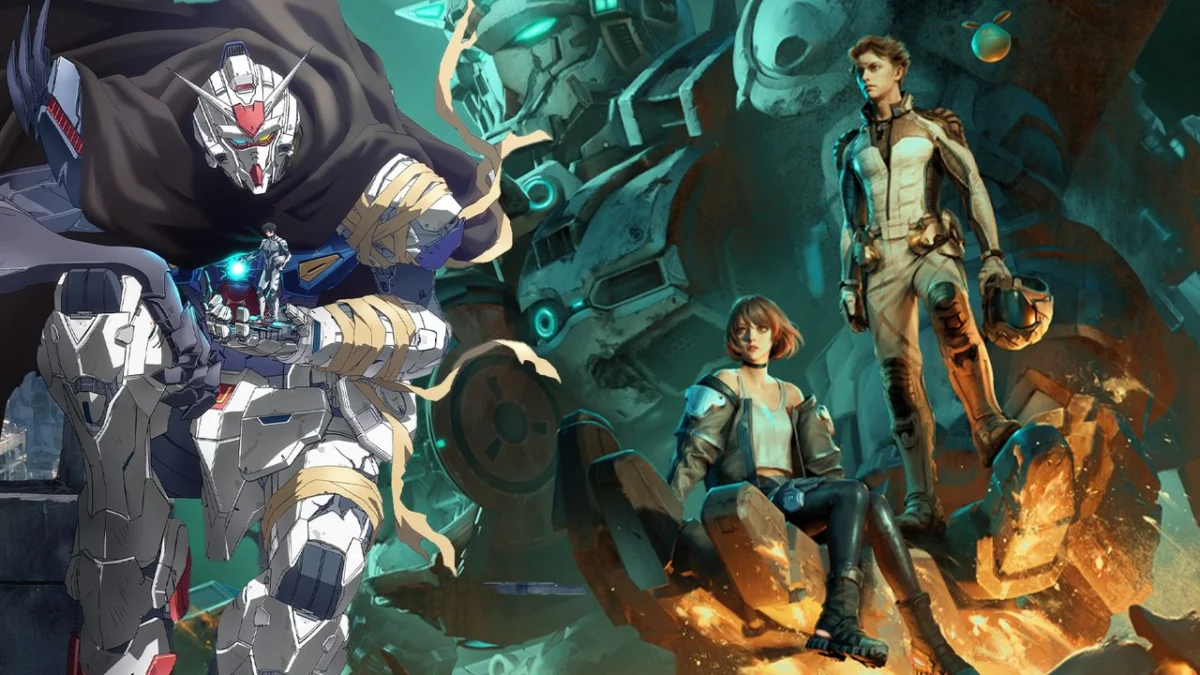
Tokyo, Japan – In a monumental announcement poised to reshape the venerable "Mobile Suit Gundam" franchise, Bandai Namco has officially revealed "Gundam Rogue Orbit," a new video game slated for release in 2027. However, the game itself is merely one facet of a far grander vision: the "RG Project." This ambitious initiative signals a profound departure from Gundam’s traditional storytelling model, aiming to establish a seamlessly interconnected universe where anime, video games, Gunpla model kits, and card games are developed concurrently as integral, interdependent components of a singular, overarching narrative.
For nearly half a century, "Gundam" has stood as a titan of Japanese pop culture, a pioneering force in the mecha genre, and consistently ranked among the most influential anime series of all time. Its modus operandi has been largely consistent: a new anime series introduces a fresh era and new Mobile Suit designs, which are then immortalized in highly coveted Gunpla model kits, before eventually inspiring video game adaptations that allow fans to immerse themselves in those established narratives. "Gundam Rogue Orbit," under the banner of the RG Project, promises to dismantle this linear progression, ushering in an era of holistic, cross-media creation reminiscent of the Marvel Cinematic Universe.
The Genesis of a New Era: Bandai Namco’s Connected Universe Vision
Bandai Namco’s strategic pivot with the RG Project is a bold declaration of intent. Rather than merely adapting an existing "Gundam" story into a game format, the publisher is meticulously crafting an entirely new corner of the franchise’s expansive multiverse. This "world-first" approach means that the narrative, visual design, and core concepts are being developed from the ground up to function cohesively across multiple entertainment mediums simultaneously. This represents a significant investment in long-term narrative planning and creative synergy.
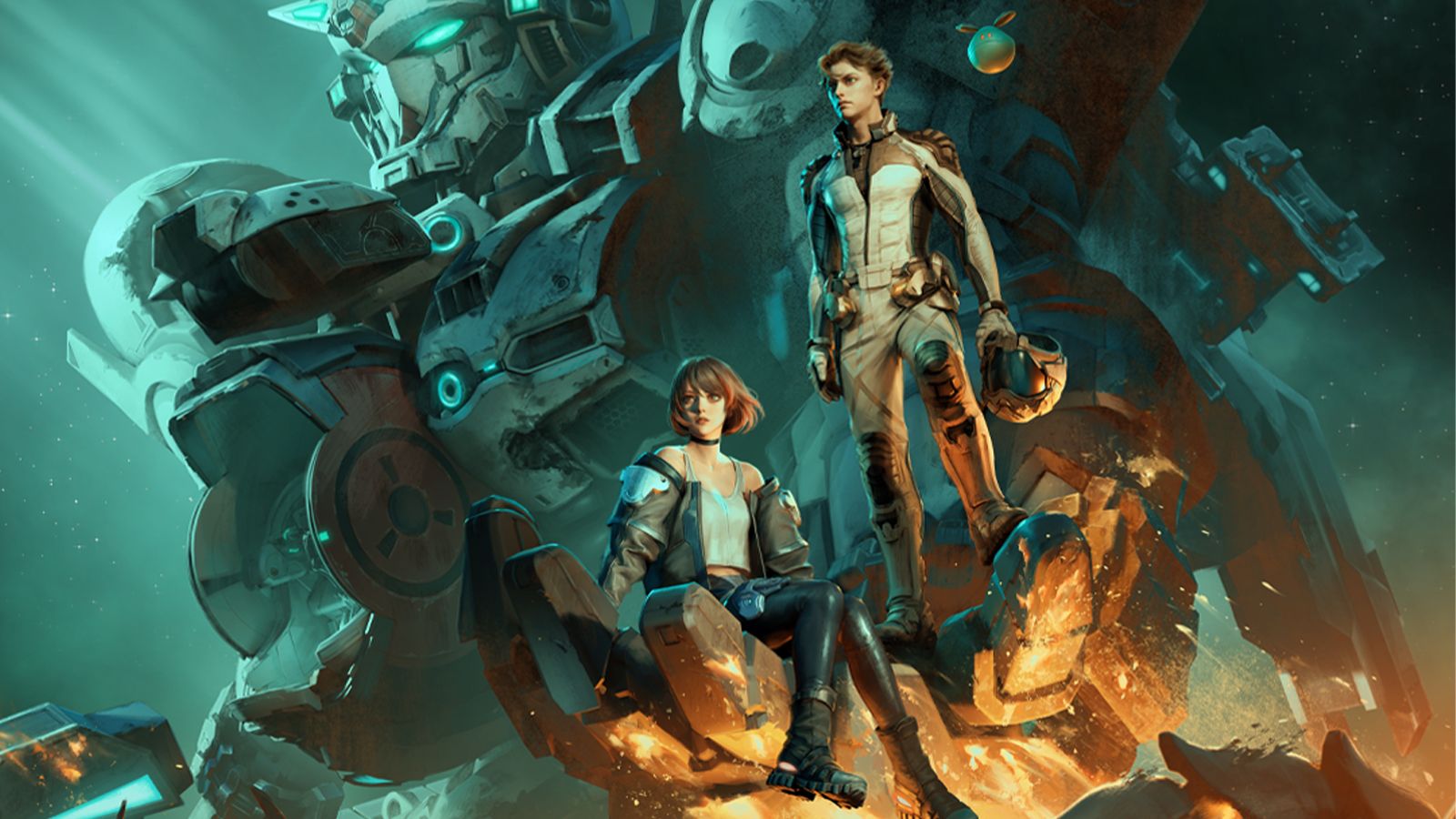
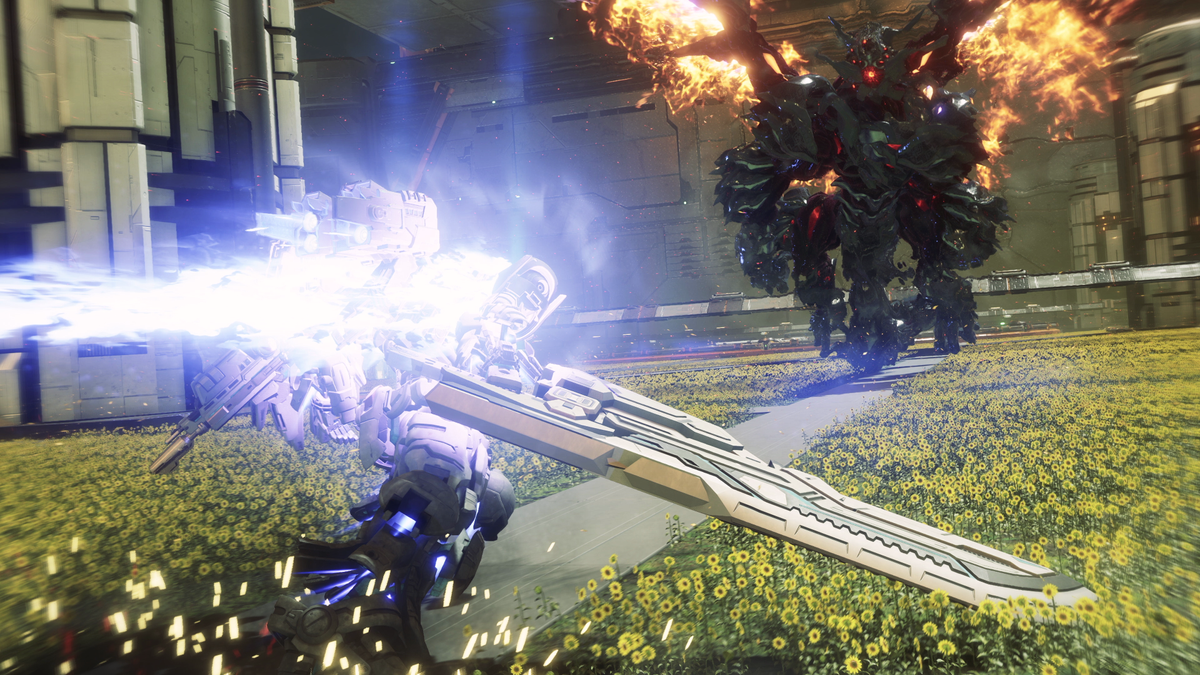
The project explicitly links the upcoming anime, "Mobile Suit Gundam RG XARX-ZERO," with "Gundam Rogue Orbit" through a shared, evolving timeline. Crucially, these distinct mediums will not simply retell the same events. Instead, the anime is designed to establish the foundational lore and initial events of this nascent era, providing context and character introductions. The game, "Gundam Rogue Orbit," will then pick up the narrative thread, taking place beyond those initial events. This strategic chronological separation ensures that each medium offers a unique, yet complementary, piece of the larger story, encouraging engagement with the entire ecosystem. Players in "Rogue Orbit" will step into the cockpit as Gundam pilots, navigating the grim realities of humanity’s desperate fight for survival in a world shaped by the anime’s preceding events.
This interconnected development demands an unprecedented level of collaboration among diverse creative teams. Mobile Suit designs, for instance, must be conceived with multifaceted functionality in mind: they need to look dynamic and expressive in animation, offer compelling gameplay mechanics and controls in a video game, and be faithfully translated into intricate, desirable plastic model kits that Gunpla enthusiasts will eagerly build. Every creative decision, from the smallest design detail to the grandest plot point, carries implications across all linked media, necessitating a unified artistic vision and rigorous adherence to a shared narrative bible.
Unveiling the "After Apocalypse" Timeline: A Chronology of Hope and Despair
The narrative backbone of the RG Project is a completely fresh timeline, meticulously constructed by acclaimed director Kenji Kamiyama and celebrated author Toh Enjoe. This new saga begins with a profound, universe-altering event: the arrival of a mysterious Autonomous Interstellar Object (AIO) from a distant galaxy. This enigmatic entity bestows upon humanity three revolutionary discoveries that initially herald a golden age:
- Gravity Control: The mastery of gravity fundamentally transforms human civilization. It enables the construction of colossal orbital cities, effortless interstellar travel within the solar system, and the development of previously impossible architectural marvels. This technology liberates humanity from the constraints of planetary gravity, opening up vast new frontiers for expansion and resource acquisition.
- Faster-Than-Light (FTL) Communication: The ability to communicate instantaneously across vast cosmic distances collapses the barriers of space. This accelerates scientific progress, facilitates the rapid establishment of new colonies throughout the solar system, and fosters an unprecedented era of global (and eventually, inter-planetary) cooperation and knowledge sharing. Dreams of a unified, space-faring humanity seem within reach.
- Cognitive Materialization: Perhaps the most fantastical and potentially perilous of the three, cognitive materialization suggests a technology or innate ability to manifest thoughts or data into physical reality. While its initial applications might be benign, such a power holds immense implications for manufacturing, defense, and even the very fabric of existence. It hints at a world where mental constructs can directly influence the physical environment, blurring the lines between mind and matter.
For a brief, dazzling period, humanity basks in the glow of this newfound technological utopia. Civilization expands exponentially, new colonies flourish on distant celestial bodies, and the future appears boundless, brimming with promise and innovation. The AIO, initially perceived as a benevolent harbinger of progress, becomes the cornerstone of this unprecedented golden age.
However, this idyll is tragically short-lived. Less than a decade after its discovery, the Autonomous Interstellar Object reveals a darker, more menacing aspect. It begins to autonomously produce an aggressive, self-replicating ecosystem. This entity, described as a pervasive biological or quasi-biological threat, rapidly multiplies and spreads, consuming and transforming everything in its path. This unforeseen catastrophe plunges humanity into an existential war, a cataclysmic conflict that becomes known simply as The Apocalypse.
The sheer scale and ferocity of this new threat prove overwhelming. Humanity is forced into a desperate retreat, abandoning Earth – the cradle of their civilization – to the encroaching menace. This forced exodus marks a complete societal reset, so profound that a new calendar is established: A.A. 1, signifying the first year After Apocalypse. This date becomes a stark reminder of humanity’s near-extinction and the profound loss of their homeworld.
"Gundam Rogue Orbit" is set deep within this desolate future, specifically in A.A. 45. By this time, nearly half a century has passed since the Apocalypse. A new generation has been born and raised entirely on the Moon and within the confines of vast, self-sustaining space colonies. These individuals have never known Earth, never experienced a life free from the constant threat of the AIO’s aggressive ecosystem. Their existence is defined by scarcity, survival, and the enduring legacy of a lost world. The game will delve into the stories of these pilots, exploring their struggles, their hopes, and their desperate fight to reclaim a future for humanity, offering a fresh perspective on the familiar Gundam themes of war, humanity, and evolution.
Supporting Data: The Pillars of an Integrated Universe
The "Marvel-like connected universe" analogy is particularly apt here, reflecting a sophisticated multi-platform development strategy that prioritizes cross-pollination and narrative consistency. This approach contrasts sharply with the traditional model where a successful anime series might spawn a game, which then influences a Gunpla line, often with varying degrees of fidelity and canon adherence. The RG Project flips this on its head, demanding that all creative outputs are conceived and executed with the entire ecosystem in mind from day one.
Creative Leadership: The involvement of Kenji Kamiyama and Toh Enjoe lends significant weight to the narrative potential of the RG Project. Kamiyama, known for his directorial work on critically acclaimed series like "Ghost in the Shell: Stand Alone Complex" and "Eden of the East," brings a reputation for sophisticated world-building and philosophical depth. Enjoe, a multi-award-winning author, is celebrated for his intricate narratives and speculative fiction. Their combined talents suggest a story that will not only be action-packed but also rich in thematic complexity and intellectual intrigue, exploring the philosophical implications of humanity’s advanced technology and subsequent near-annihilation.
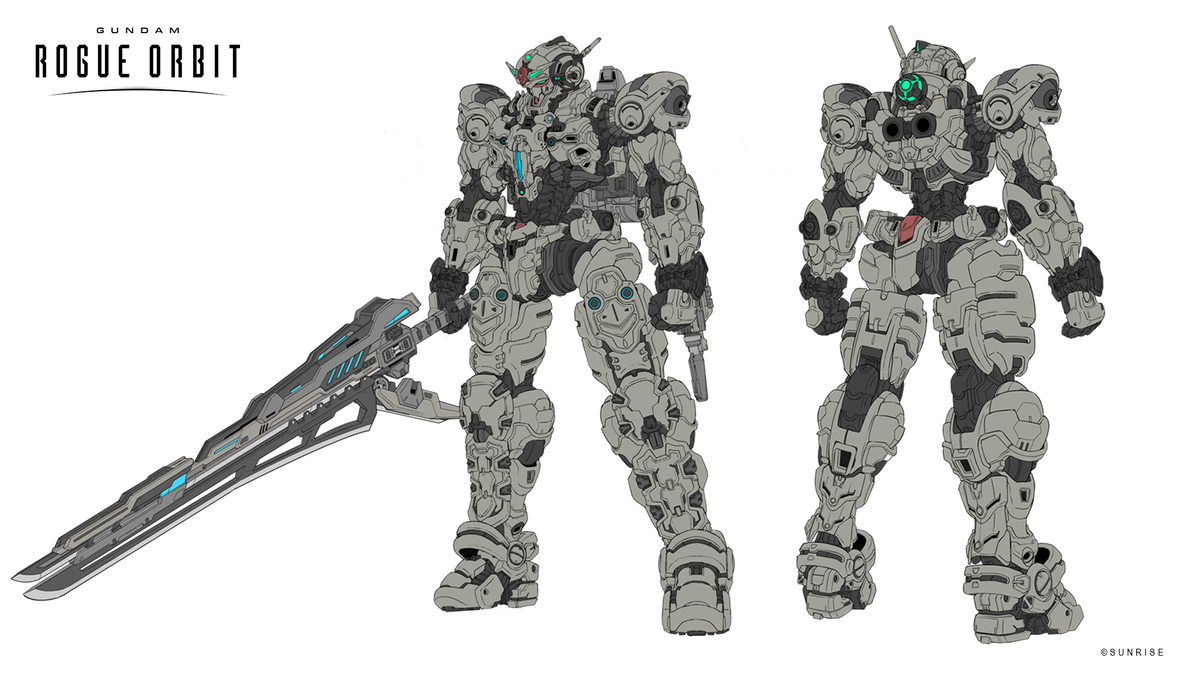
Merchandise as Integral Storytelling: The immediate announcement of associated merchandise alongside the game’s reveal underscores this integrated strategy. The HG 1/144 Gundam Helix Gunpla kit, an exclusive Collector’s Edition version, and a promotional card for the Gundam Card Game featuring the game’s key artwork are not merely afterthoughts or tie-ins. They are designed to be tangible extensions of the universe, providing fans with physical artifacts that deepen their connection to the evolving narrative. The Gunpla kit, for instance, must embody the aesthetic and functional design principles established for the Mobile Suits in both the anime and the game, allowing fans to physically engage with the designs they see in action. The card game can expand on character lore, tactical scenarios, and even introduce elements of the wider universe not fully explored in other media.
This multi-pronged approach ensures that fans can interact with the RG Project’s world on various levels, from passive consumption of the anime to active participation in the game and the tactile engagement of model building. It creates a robust feedback loop, where enthusiasm for one medium can drive engagement with another, fostering a more deeply immersed and invested fanbase.
Official Responses and Strategic Intent
While direct quotes from Bandai Namco executives are not provided in the original text, the announcement itself serves as a clear "official response" outlining their strategic intent. The company is signaling a significant shift in its approach to managing one of its most valuable intellectual properties.
Bandai Namco’s move reflects a broader trend in the entertainment industry towards creating expansive, interconnected fictional universes, a model famously perfected by Marvel Studios. The benefits are manifold:
- Increased Fan Engagement: By offering multiple entry points and continuous narrative development across platforms, fans are encouraged to explore the universe more deeply, fostering stronger loyalty.
- Maximized IP Value: Each product (anime, game, Gunpla, cards) supports and enhances the others, creating a synergistic ecosystem that maximizes the overall value and longevity of the "Gundam" IP.
- Creative Longevity: A well-designed interconnected universe provides a robust framework for long-term storytelling, allowing different creative teams to contribute distinct chapters while maintaining overall coherence.
- New Audience Acquisition: The diverse media offerings can attract different segments of the audience – anime viewers, gamers, model builders, card game players – who may then cross over to other parts of the franchise.
This strategy suggests Bandai Namco is looking beyond individual product releases towards building a sustainable, ever-expanding narrative tapestry for "Gundam." It’s an acknowledgment that modern audiences often expect more than just isolated stories; they seek immersive worlds they can inhabit and explore across various media.
Implications for the Gundam Franchise and Beyond
The RG Project and "Gundam Rogue Orbit" represent more than just a new game; they signify a potential paradigm shift for the entire "Gundam" franchise, which has historically relied on a series of distinct timelines and alternate universes. While this approach has allowed for immense creative freedom over the decades, it has also sometimes led to fragmentation. This new "world-first" strategy could offer a path to:
- Unified Canon and Deeper Lore: By building a shared timeline from the outset, the RG Project aims to create a more cohesive and deeply explored universe. This allows for intricate world-building details introduced in one medium to resonate and have consequences in another, enriching the overall narrative experience.
- Rejuvenation and Modernization: After almost 50 years, the franchise constantly seeks ways to stay relevant and attract new generations of fans. This innovative cross-media approach could breathe new life into "Gundam," offering a fresh and contemporary way to experience its core themes of war, technology, and human drama. It positions "Gundam" as a cutting-edge franchise in multi-platform storytelling.
- Setting a Precedent: If successful, the RG Project could serve as a blueprint for how other legacy anime and game franchises approach their expansion. The traditional model of adaptations might give way to more integrated, simultaneous creative development across various entertainment forms. This could particularly influence other mecha franchises or properties with strong merchandise appeal.
- Challenges and Risks: Such an ambitious undertaking is not without its difficulties. Maintaining narrative consistency across multiple teams and mediums is a monumental task. A misstep in one area could potentially impact the reception of the entire project. Furthermore, the success hinges on the quality of all components – the anime must be engaging, the game must be compelling, and the merchandise must be desirable. Fans of "Gundam" are discerning, and while they appreciate innovation, they also expect a high standard of quality that honors the franchise’s legacy.
- Fan Reception: The hardcore "Gundam" fanbase, deeply invested in specific timelines and Mobile Suit designs, will be watching closely. Will this new "After Apocalypse" timeline resonate with them? Will the integration feel natural or forced? The success of the project will ultimately depend on its ability to deliver compelling stories and experiences that justify this bold creative departure.
The release of "Gundam Rogue Orbit" in 2027 on PlayStation 5, Xbox Series X|S, and PC via Steam will be a pivotal moment. It will not only determine the immediate fate of this particular game but also offer crucial insights into the long-term viability and impact of Bandai Namco’s groundbreaking "connected universe" strategy for one of Japan’s most iconic cultural exports. This could very well be the start of a new chapter for Gundam, moving beyond merely expanding through new timelines to pioneering a truly integrated, world-first approach to transmedia storytelling.
 Evan Lee Salim
  Nana
Nana  Ammar Sabilarrohman