
 By Nana Wu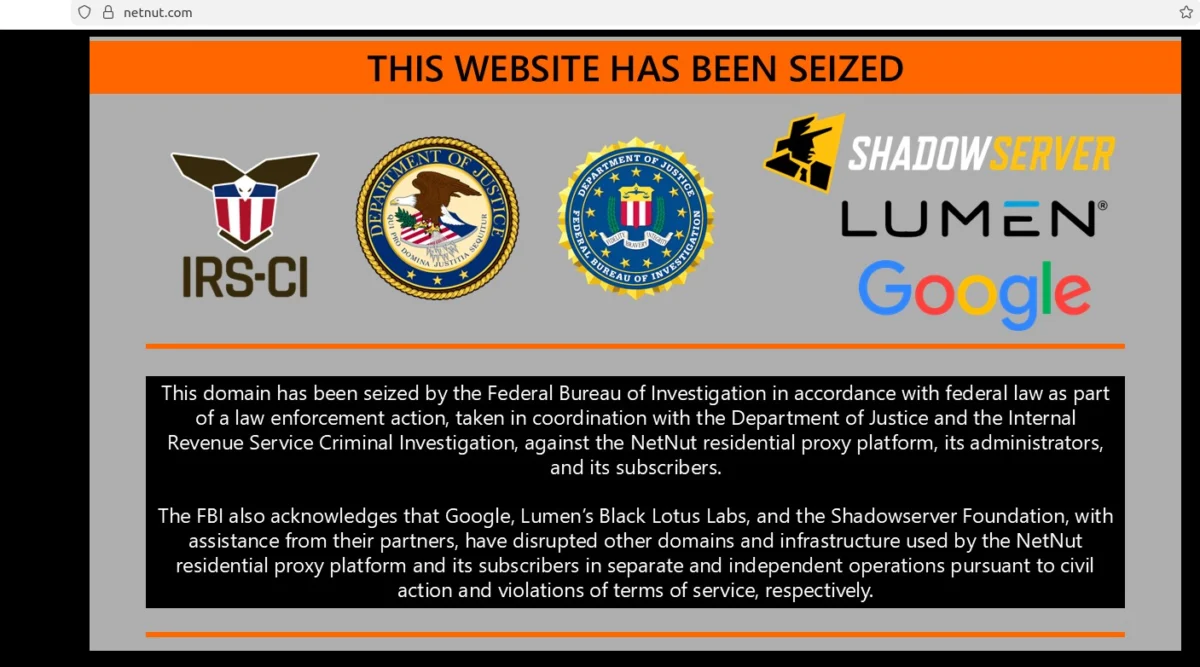
In a sweeping operation that marks a significant escalation in the war against cyber-enabled infrastructure, the Federal Bureau of Investigation (FBI) has successfully seized hundreds of domains linked to the residential proxy service NetNut. The operation, which also involved the Internal Revenue Service (IRS) Criminal Investigation division, targeted the infrastructure underpinning a massive botnet known as "Popa."
NetNut is operated by the publicly traded Israeli firm Alarum Technologies (NASDAQ: ALAR). The seizure is the culmination of a months-long investigation and follows explosive revelations by cybersecurity researchers that the company’s services were acting as a primary conduit for a botnet comprised of at least two million compromised devices worldwide.
A Chronology of Discovery and Disruption
The collapse of NetNut’s digital perimeter did not happen overnight. The path to the FBI’s intervention was paved by a series of investigative reports that exposed the symbiotic relationship between legitimate-seeming proxy services and the dark underbelly of the internet.
The Investigative Spark
On June 19, 2026, the cybersecurity community was rocked by synchronized disclosures from three major research firms. These reports presented incontrovertible evidence that NetNut was not merely providing bandwidth; it was populating the "Popa" botnet. By embedding software development kits (SDKs) into innocuous consumer devices—ranging from smart TVs to budget-friendly Android streaming boxes—NetNut turned these household items into always-on proxy nodes.
The Takedown
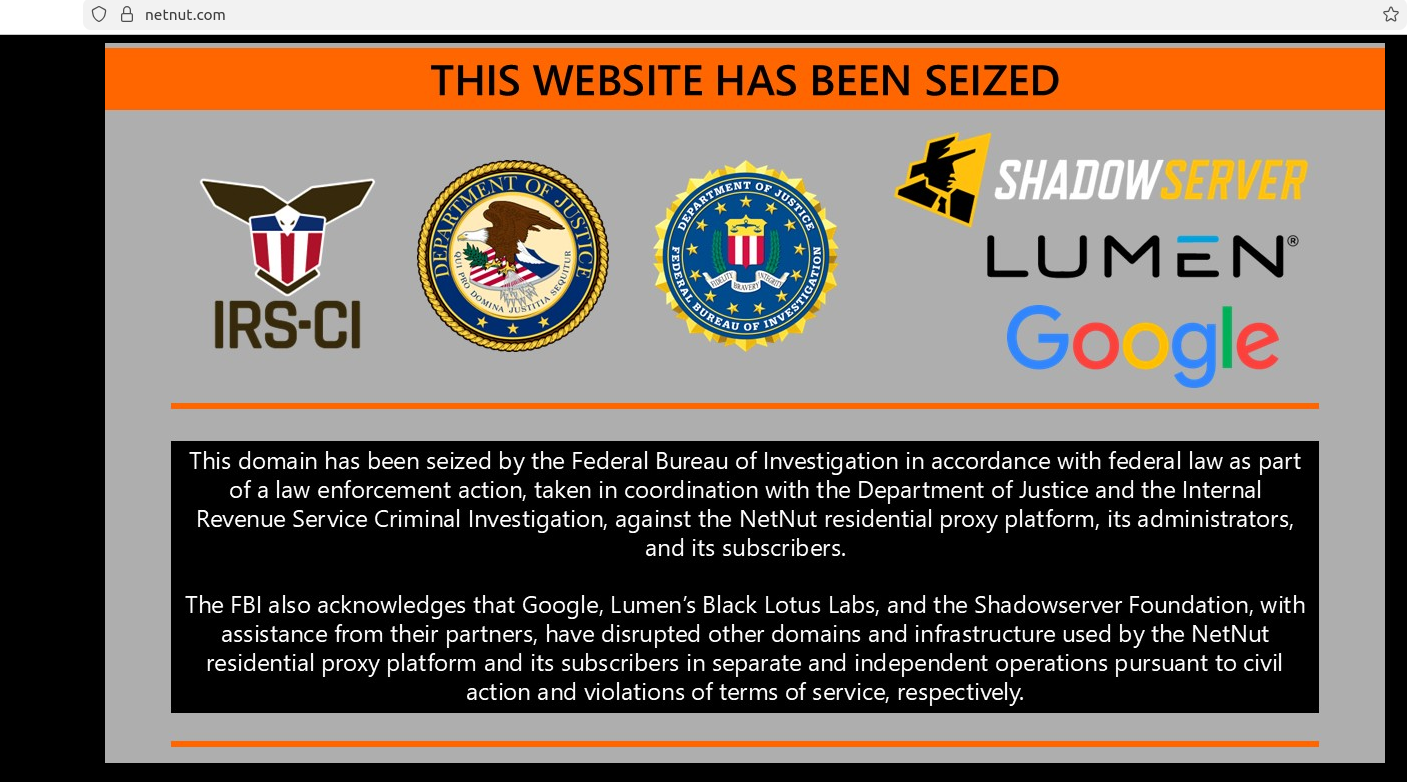
On the morning of the federal action, users attempting to access NetNut’s primary web portal were greeted by a stark seizure banner, signaling the joint intervention of the FBI and the IRS. The banner explicitly acknowledged the collaborative efforts of key industry stakeholders, including Google, Lumen, and the Shadowserver Foundation, who provided the technical telemetry necessary to map and dismantle the vast web of domains sustaining the Popa botnet.
Market Fallout
The shockwaves of the seizure were felt immediately in the financial markets. By July 8, the seizure notices had expanded to encompass the corporate domain of Alarum Technologies, alarum.io. As regulatory scrutiny mounted, Alarum’s stock valuation plummeted, shedding roughly 67% of its value in a single week, trading at a dismal $2.62 per share at the time of reporting.
The Anatomy of the Popa Botnet
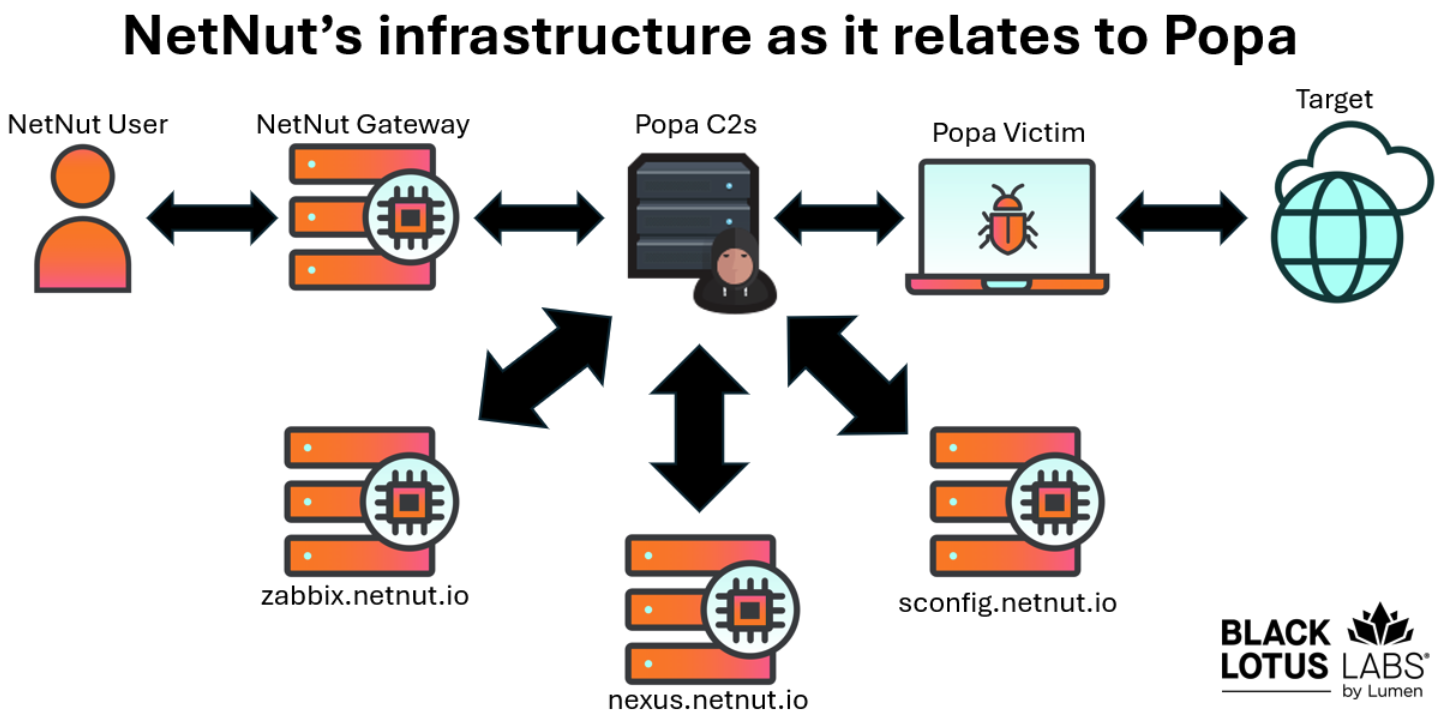
The Popa botnet represents a sophisticated evolution in cybercrime: the "proxy-as-a-service" model. By repurposing residential IP addresses, malicious actors can bypass traditional geofencing and security filters that typically block data center traffic.
How the Infection Spreads
The botnet relies heavily on the proliferation of low-cost, uncertified Android streaming devices. Many of these devices, often purchased from major e-commerce platforms, arrive with "malware-as-a-feature." These devices are pre-loaded with software that effectively kidnaps the user’s internet connection. Once connected to a home network, these devices allow remote operators to route abusive traffic—such as large-scale content scraping, advertising fraud, and credential stuffing attacks—through the unsuspecting victim’s IP address.
The Role of Google’s Threat Intelligence
The Google Threat Intelligence Group (GTIG) provided the most comprehensive look into how these nodes were being weaponized. In a detailed blog post, Google analysts revealed that they had observed 316 distinct clusters of threat actors—including state-sponsored espionage groups and organized cybercriminal syndicates—utilizing NetNut exit nodes during a single week in June.
"These bad actors can use NetNut to mask their origin IP address when accessing victim environments, accessing their own infrastructure, and conducting password spray attacks," the GTIG report noted. Furthermore, the presence of these proxy SDKs creates a lateral movement risk; by occupying a node on a home network, the proxy software can facilitate unauthorized access to other private devices behind the same firewall, effectively turning a home theater setup into a bridge for broader network compromise.
Official Responses and Corporate Liability
The corporate response from Alarum Technologies has been one of damage control. Omer Weiss, legal counsel for the firm, issued a statement following the seizure, asserting that the company is "aware of the FBI seizure" and is actively "cooperating with investigators."
"Alarum takes this matter seriously and will fully cooperate with law enforcement to ensure any misuse of its infrastructure is thoroughly investigated and those responsible are held to account," Weiss stated.
However, industry experts remain skeptical of the efficacy of such cooperation in an industry that has historically been opaque by design. Benjamin Brundage, founder of the proxy-tracking service Synthient, argues that the infrastructure’s design—which facilitated the widespread "white-labeling" of NetNut’s services—makes it inherently difficult to segregate "legitimate" proxy traffic from malicious activity.
Broader Implications for the Digital Ecosystem
The disruption of NetNut is a major blow to the cybercrime economy, but it serves as a case study in the resilience of the residential proxy ecosystem.
The "Whack-a-Mole" Reality
Google’s intelligence report offers a sobering prognosis: while the takedown of NetNut and its predecessor, IPIDEA, represents a major tactical victory, the ecosystem is inherently fluid. When a large provider is dismantled, the operators often simply pivot to becoming resellers of other, smaller proxy networks. This constant rotation of infrastructure creates a "hydra effect," where the removal of one head of the network encourages the growth of two more.
The DDoS Connection
Beyond simple fraud, the implications for Distributed Denial-of-Service (DDoS) attacks are profound. Earlier this year, Synthient identified the "Kimwolf" botnet, which utilized similar tunneling techniques to compromise local networks. By gaining a foothold in household smart devices, attackers can create massive, distributed botnets that are far more difficult to mitigate than traditional, server-based botnets. The dismantling of NetNut’s infrastructure is expected to provide at least a temporary reprieve from these residential-backed DDoS campaigns.
A Warning to Consumers
The incident highlights a critical failure in the hardware supply chain. Consumers are often unaware that the "smart" functionality of their devices comes at the cost of their network security.
Experts advise the following precautions:
- Hardware Selection: Stick to reputable, name-brand streaming devices. Avoid "no-name" Android boxes sold on marketplaces that are not Play Protect certified.
- Audit Your Apps: Be cautious of apps installed on Smart TVs. Research from the security firm Spur found that nearly 42% of apps on LG’s webOS and over 25% on Samsung’s Tizen operating system contained SDKs that could turn the TV into a proxy node.
- Verify Certification: Google provides resources for consumers to verify if their Android device is officially Play Protect certified. Devices running unofficial or "side-loaded" operating systems are significantly more likely to be compromised.
Conclusion: The Path Forward
The FBI’s operation against NetNut is a landmark event, proving that even publicly traded companies are not immune to the consequences of facilitating the exploitation of consumer infrastructure. However, the battle is far from over. As proxy providers continue to integrate themselves into the smart home ecosystem, the burden of security falls increasingly on the consumer and the major platform holders like Google, Samsung, and LG.
The takedown of NetNut serves as a necessary intervention, but it is ultimately a defensive maneuver in a much larger, ongoing conflict. As the residential proxy market continues to evolve, the ability of law enforcement to scale its efforts to match the interconnected, white-labeled nature of these networks will be the deciding factor in securing the future of the residential internet. For now, the "Popa" botnet has been dealt a crippling blow, but the underlying vulnerability—the desire for cheap, connected convenience at the expense of security—remains a pervasive risk in the digital age.
 Sagoh
Sagoh  Evan Lee Salim
  Ammar Sabilarrohman