
 By Nila Kartika Wati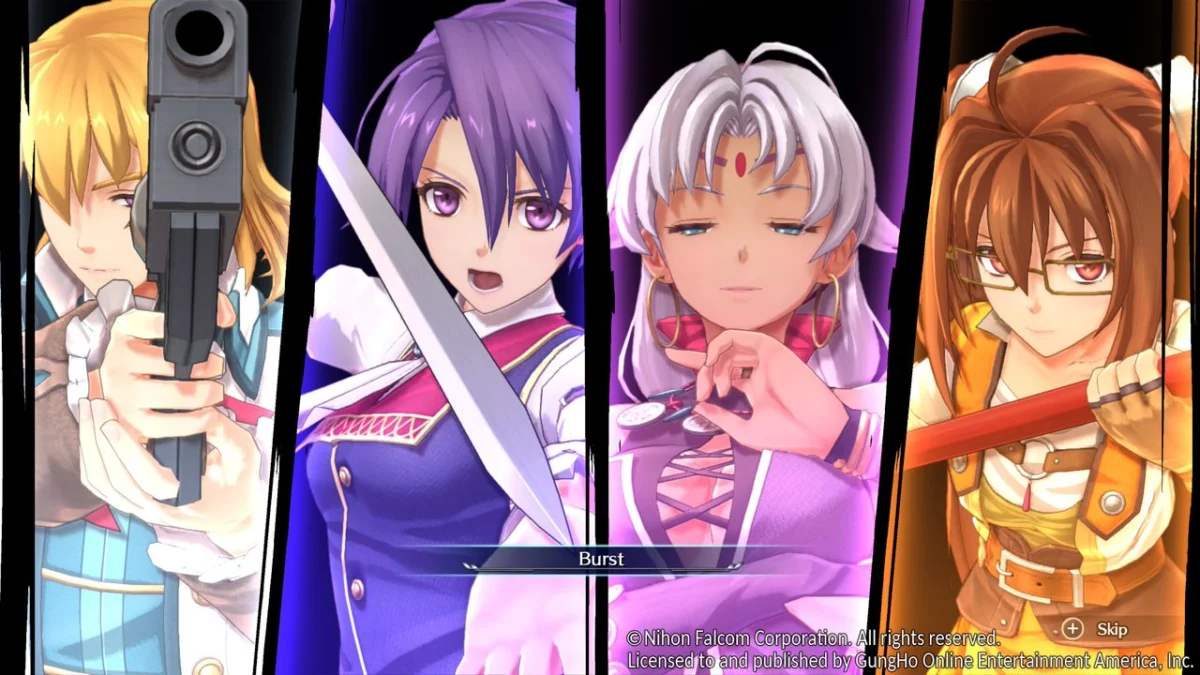
For those standing on the precipice of the Trails series, the barrier to entry can feel insurmountable. With a two-decade history spanning 13 mainline titles, Nihon Falcom’s interconnected narrative—a sprawling tapestry of industrial fantasy that rivals the Marvel Cinematic Universe in scope—is a daunting prospect for any newcomer. Yet, for years, enthusiasts have maintained that there is only one correct way to begin: with Trails in the Sky. Introducing players to the Kingdom of Liberl through the eyes of 16-year-old Estelle Bright, the game remains a masterclass in character-driven storytelling.
However, until recently, these foundational chapters were trapped in the past. Limited by the technical constraints of the 2000s and locked behind dated pixel-art aesthetics, the early games were difficult to recommend to a modern audience raised on cinematic 3D visuals. That changed with the arrival of the Trails in the Sky remakes. Following the critical success of the first chapter in 2025, Trails in the Sky 2nd Chapter has officially arrived, proving that Nihon Falcom has mastered the delicate art of modernizing a classic without sacrificing its soul.
The Chronology of a Masterpiece: Staying Faithful to the Roots
Unlike the current trend of "reimagining" iconic JRPGs, which often involves splitting a single title into a bloated trilogy or fundamentally altering core plot points to suit modern sensibilities, the Trails in the Sky remakes remain staunchly loyal to their source material.
The Trails series has always been structured in multi-game arcs. Falcom, being a smaller, more agile studio than industry giants like Square Enix, avoided the "everything-but-the-kitchen-sink" approach. Instead, they focused on what made the series special: density. The original games were already teeming with lore, where even the most minor NPCs possessed distinct names, personal schedules, and evolving backstories.
2nd Chapter respects this legacy. It does not attempt to "fix" a story that wasn’t broken. It returns players to the Kingdom of Liberl, allowing them to traverse familiar locales—now rendered in breathtaking 3D—via airship, just as they did in the original release. The narrative pacing, character arcs, and world-building remain unchanged, but the presentation has been elevated to a contemporary standard that feels both fresh and nostalgic.
From Sprites to Anime: The Evolution of Presentation
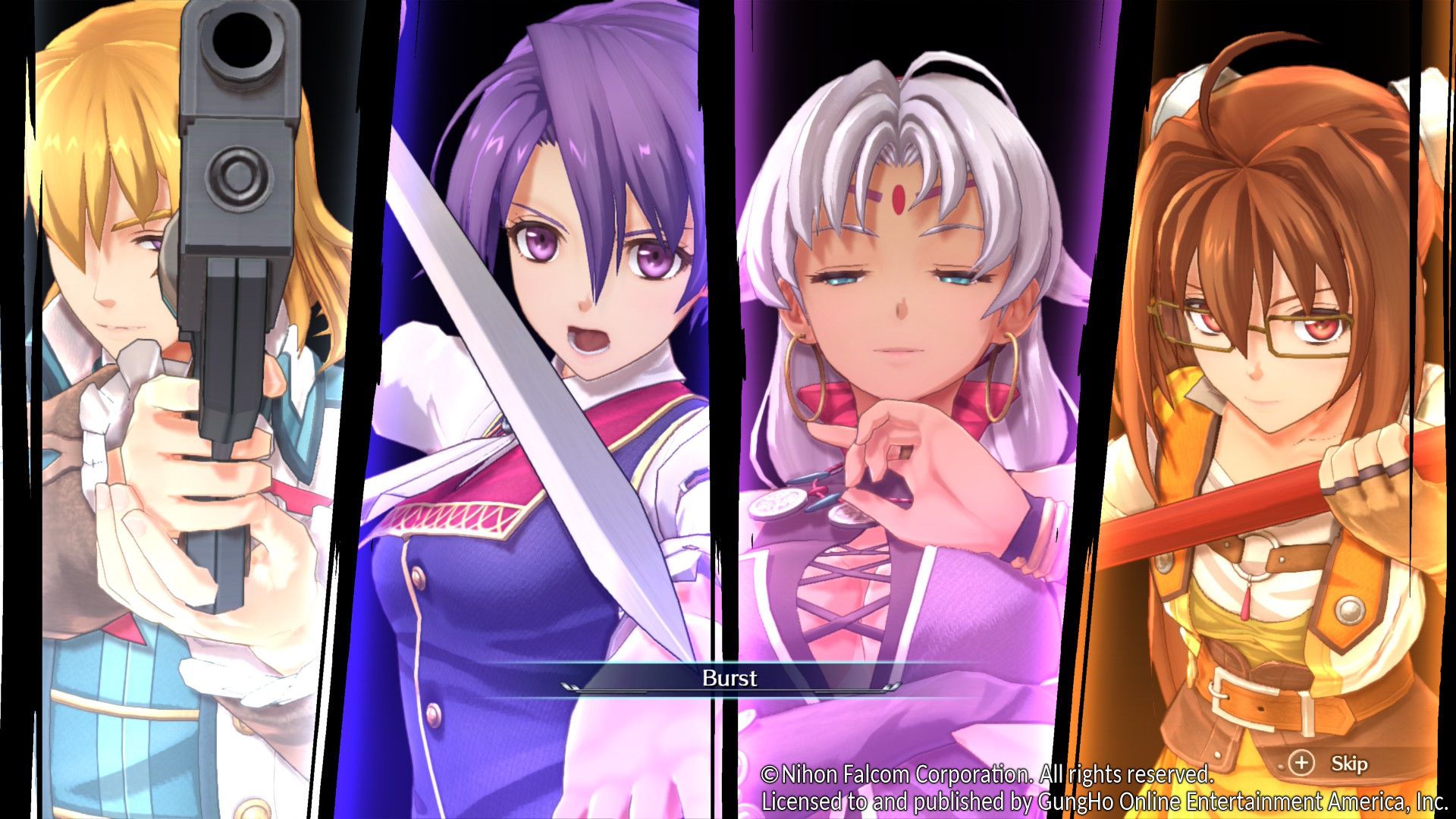
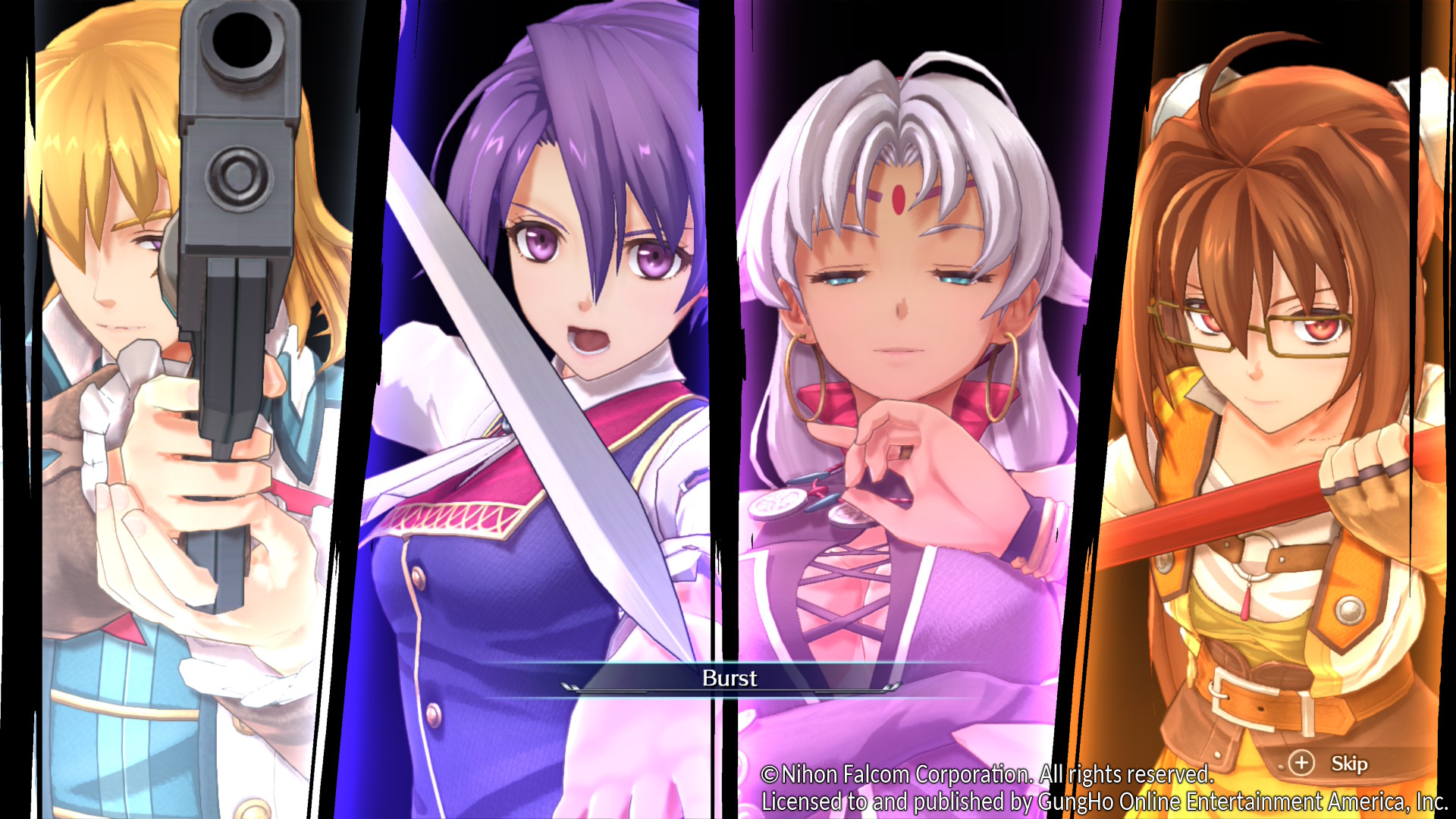
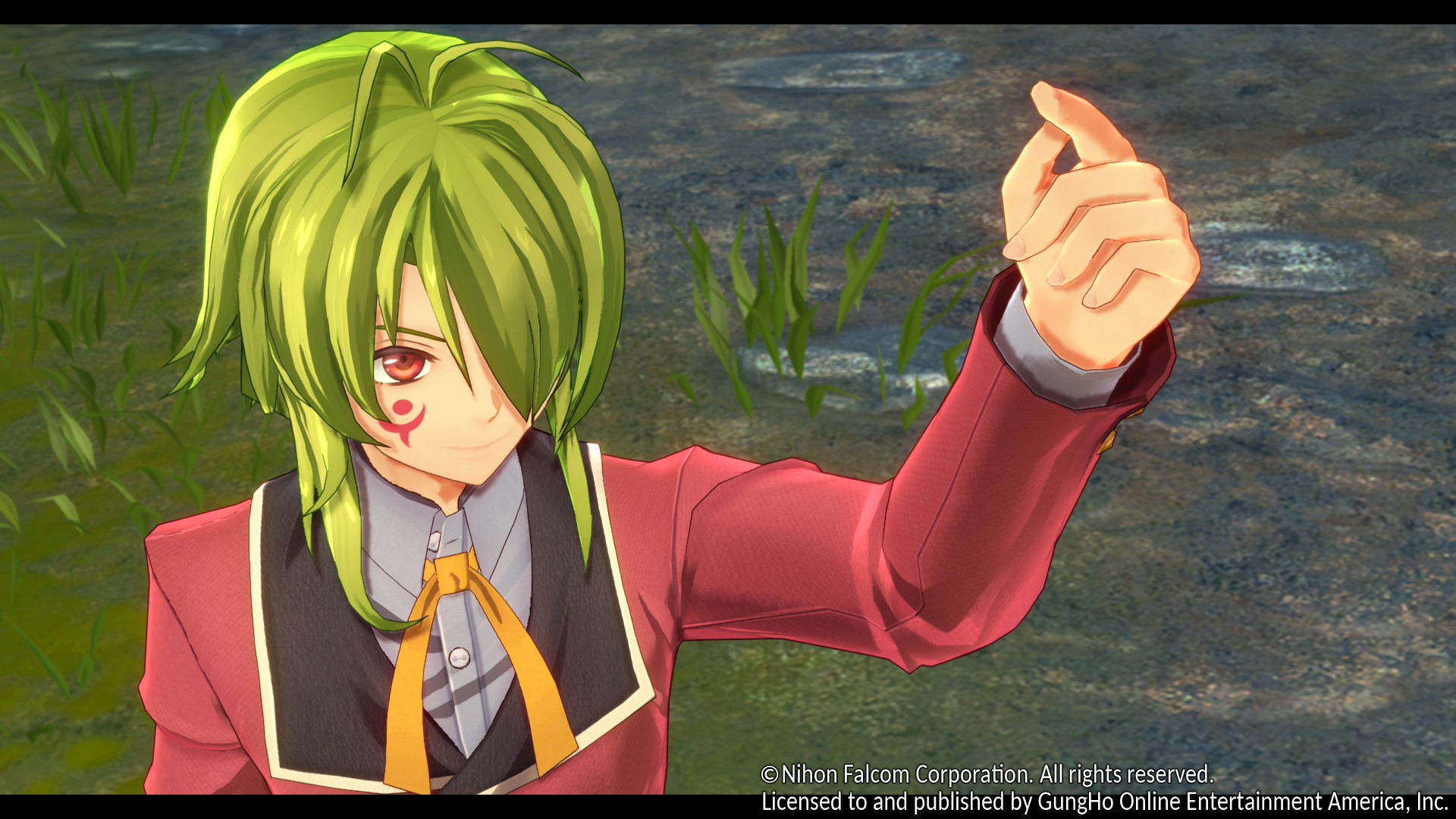
The transition from 2D chibi sprites to a fully realized 3D anime aesthetic is perhaps the most striking achievement of the 2nd Chapter remake. In the original version, emotional beats were conveyed through static character portraits and text boxes. Today, the remake utilizes dynamic camera work and expressive character models that allow scenes to play out like a high-budget anime production.
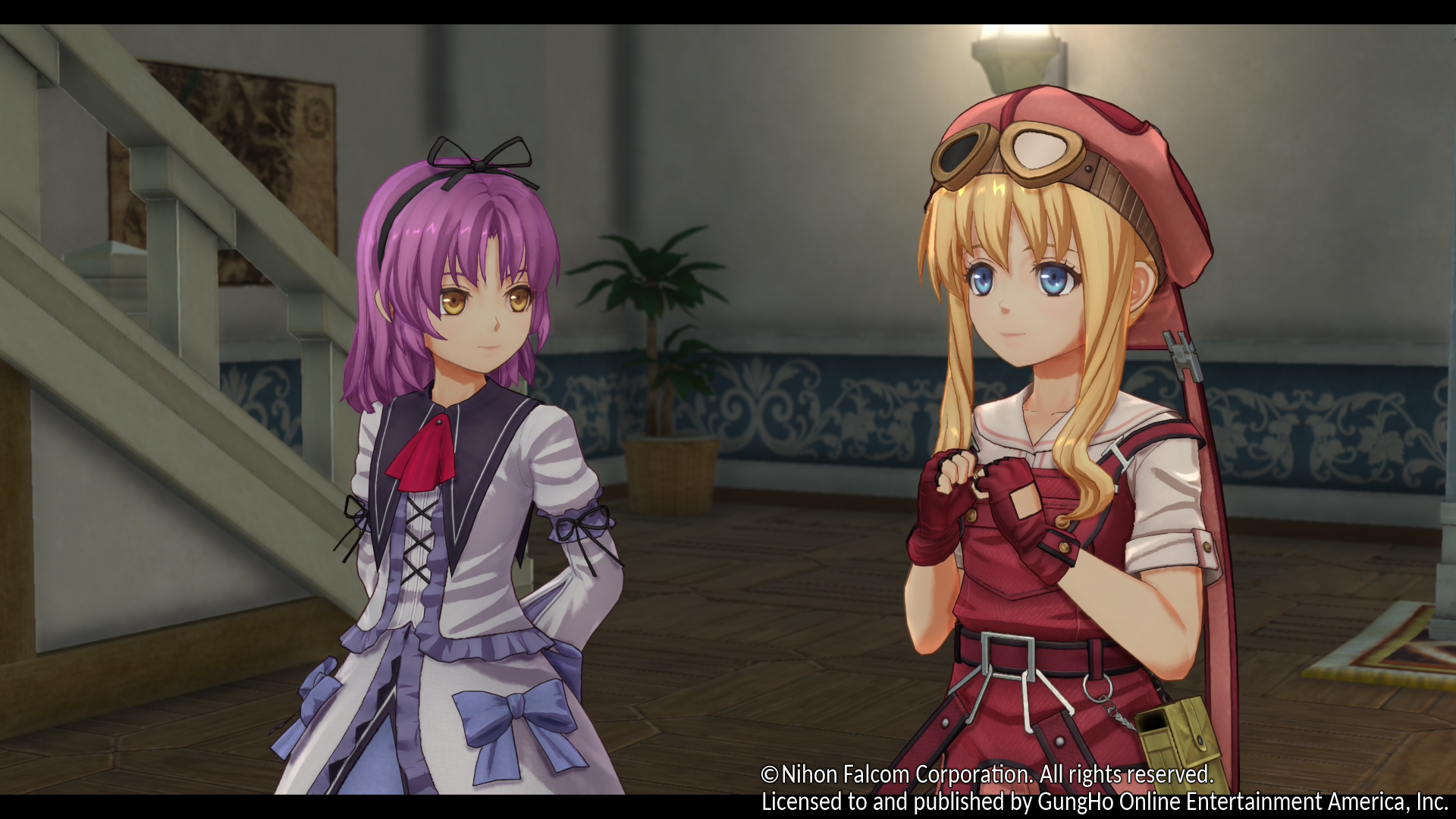
The attention to detail in character animation is particularly notable. During dialogue, the game favors tight, expressive close-ups, allowing the characters’ emotions to drive the scene rather than relying on static images. This choice stands in stark contrast to other recent remakes, such as Persona 4 Revival, which curiously retains traditional 2D dialogue portraits despite having access to high-fidelity 3D models. By stripping away these conventions, Trails in the Sky creates a more immersive, cinematic experience that feels cohesive and modern.
Gameplay Innovations: The Hybrid Combat System
Falcom’s approach to gameplay modernization is equally pragmatic. The remake incorporates a hybrid battle system that bridges the gap between the turn-based origins of the franchise and the faster-paced action preferred by today’s players.
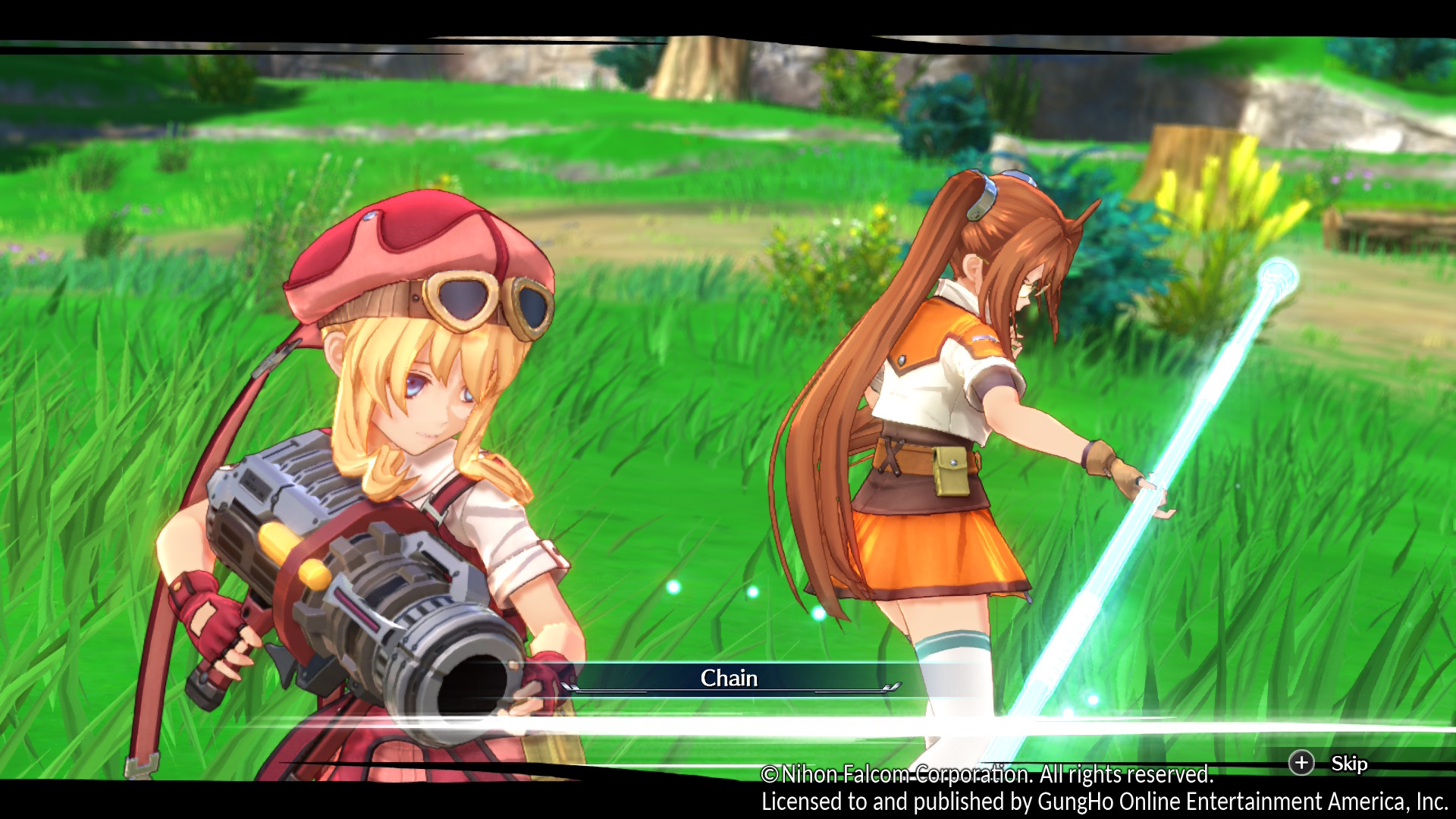
Players can fluidly switch between traditional, tactical turn-based combat and a more kinetic, real-time hack-and-slash approach. While the turn-based mode remains the most efficient way to utilize the game’s deep, strategic "Orbment" systems and flashy special animations, the real-time options provide a sense of agency that the original lacked. Furthermore, the inclusion of a "High Speed Mode" is a revelation for quality-of-life. Unlike some remakes that allow you to speed through content at the cost of audio-visual integrity, 2nd Chapter maintains the integrity of its voice performances, ensuring that even at 1.5x speed, the narrative weight is preserved.
The Anti-Bloat Philosophy: Quality Over Quantity
In an era where JRPG remakes are often stretched to 100+ hours to justify their price tags, Trails in the Sky 2nd Chapter stands out for its restraint. There is a palpable trend in the industry—evident in upcoming projects like Final Fantasy VII Revelation—to cram in excessive side content and unnecessary minigames.
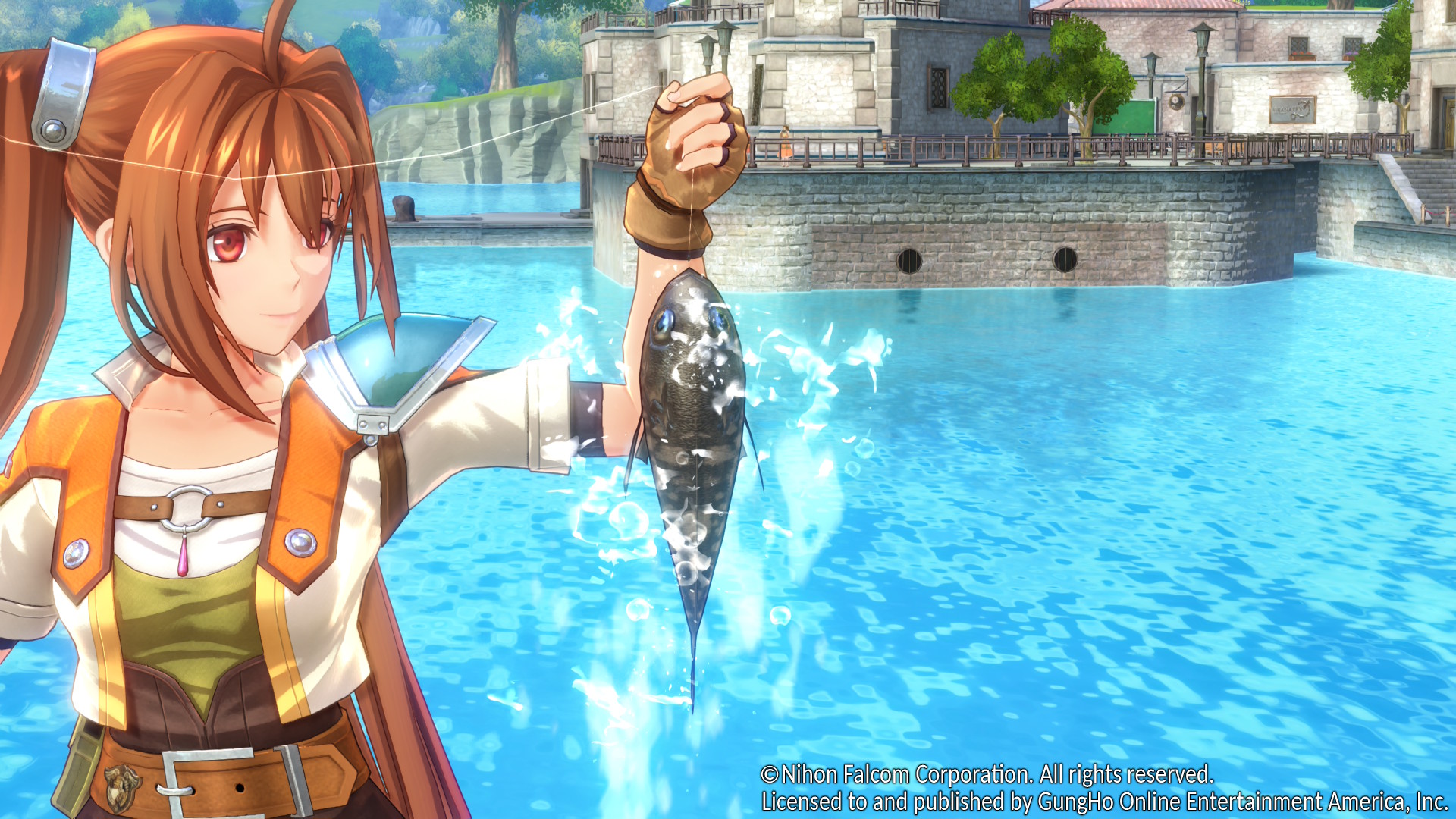
Falcom has resisted this urge. While the game does feature minigames, they are included solely because they existed in the original release. This refusal to bloat the experience is, in many ways, a radical act of confidence. It assumes the player is there for the story, not for a checklist of chores.
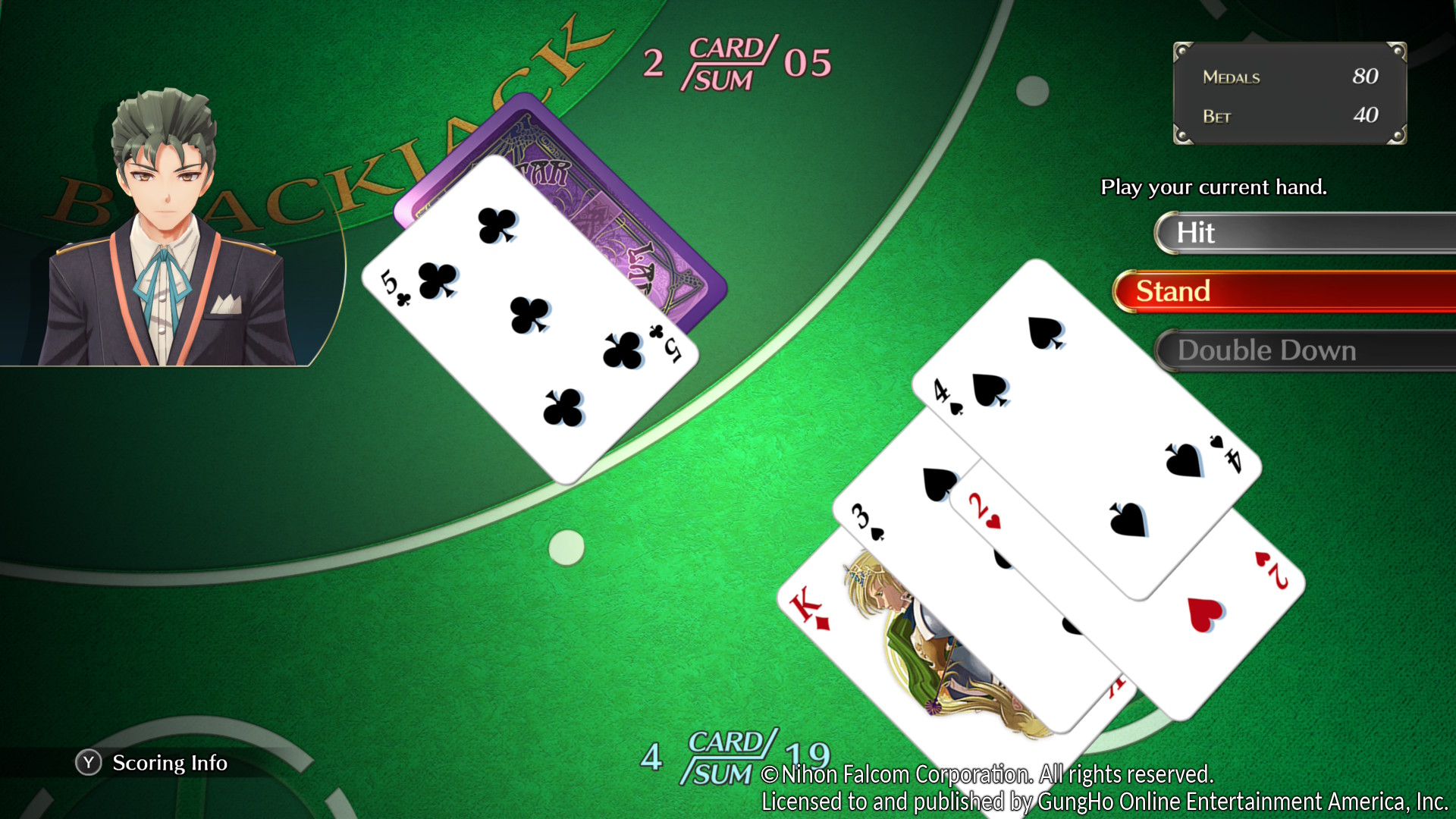
The only downside to this rigid adherence to the source material is the game’s age rating. Because the original contained gambling minigames, the remake is rated as "Mature," featuring quests where a teenage protagonist must navigate the world of high-stakes poker. While some might find this tonal shift surprising, it serves as a reminder of the game’s authentic roots.
The Localization Journey: A Lesson in Persistence
No discussion of this release would be complete without addressing the challenges of the first chapter’s launch. The initial release was marred by inconsistent terminology and localized naming conventions that deviated from the established series canon.
However, Falcom’s commitment to its Western audience was proven when they released a comprehensive "Legacy Patch" nearly a year later. This update harmonized the terminology, ensuring that 1st Chapter and 2nd Chapter now stand as a unified, coherent experience. It is a testament to the studio’s dedication to quality that these issues were resolved just in time for the current launch.
The Implications: A Benchmark for the Future
Looking toward the horizon of 2027, the landscape of JRPG remakes is crowded. We are seeing a divergence in philosophy: on one side, massive, sweeping reimaginings that risk losing the identity of the original; on the other, unnecessary, overpriced facsimiles.
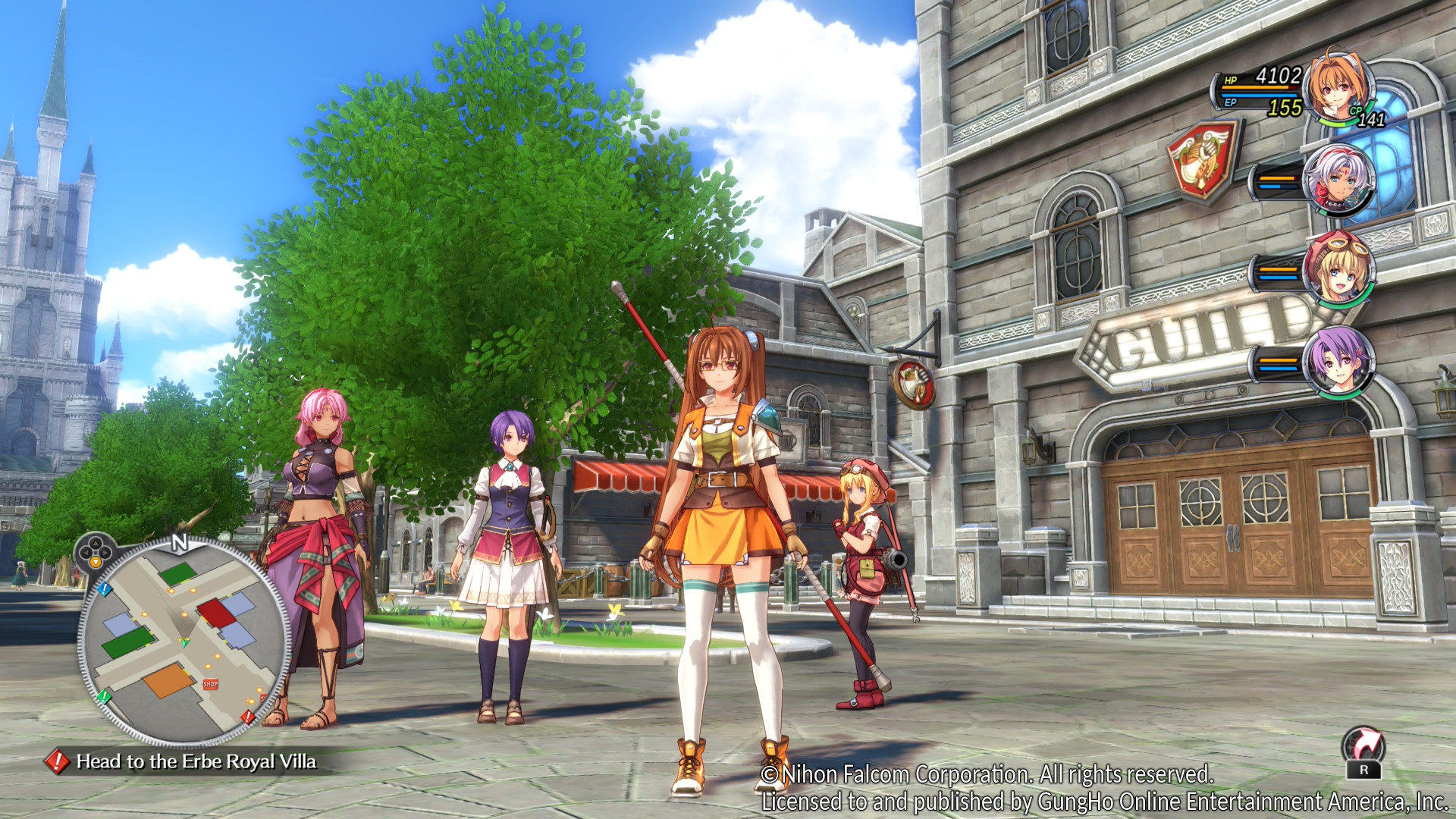
Trails in the Sky 2nd Chapter occupies a third, superior space. It is a remake that acts as a bridge, not a replacement. It invites new players into a twenty-year-old story without forcing them to endure the friction of archaic design, and it rewards long-time fans with a polished, respectful tribute to their favorite memories.
By refusing to retcon, inflate, or compromise, Nihon Falcom has set a new gold standard. They have proven that the best way to respect a classic is to understand exactly why it was a classic in the first place, and then simply give it the tools it needs to thrive in the modern age.
Trails in the Sky 2nd Chapter is available now on PC, PlayStation 5, and Nintendo Switch (including the upcoming Nintendo Switch 2). For those who remain on the fence, a robust, data-transferable demo is currently available on all platforms, allowing players to step into the boots of Estelle Bright and witness this triumph of preservation for themselves.
 Dwi Wanna
  Asep Darmawan
  Asro
Asro 